• USP Logo Icon
    25 Year Guarantee
  • USP Leaf Icon
    Latest ECO Friendly Technology
  • USP Pointer Icon
    National Coverage
Get a FREE quote

What are window sightlines? A UK homeowner’s guide

Window sightlines are defined as the total visible width of the frame and sash components when you look directly at a closed window. They shape both the appearance of your property and its thermal performance. Slim sightlines create a cleaner, more open look, while wider frames can make windows feel heavy and block more light. Under the 2026 UK Building Regulations Part L, sightlines also carry real compliance weight, because the frame-to-glass ratio directly affects a window’s U-value. Understanding sightlines is the first step to making better decisions about your windows.

What are window sightlines and why do they matter?

Window sightlines are the visible widths of the frame and sash when you view a window straight on. The smaller that measurement, the more glass you see and the less frame interrupts your view. Modern minimalist aluminium systems achieve sightlines under 100mm, compared to around 120mm for typical frames. That 17% reduction sounds modest, but the visual difference on a facade is striking.

Sightlines matter for three reasons: aesthetics, light, and energy compliance. A window with narrow sightlines admits more daylight, feels less bulky on the wall, and often reads as more contemporary. A window with wide sightlines can look dated or out of proportion, particularly on properties where the original frames were slimmer.

Fitter inspecting slim window frame sightlines


The industry term you will encounter alongside “sightlines” is frame-to-glass ratio. This is the proportion of the window opening taken up by the frame rather than the glazed unit. The two concepts are directly linked: slimmer sightlines mean a lower frame-to-glass ratio, which means more glass and better thermal performance.

How do window sightlines influence the look of a property?

Sightlines influence the visual rhythm and design coherence of a building’s facade. Experts argue that proportions matter more than frame colour when it comes to aesthetic integration. A white uPVC frame with wide sightlines can look just as intrusive as a dark one if the proportions are wrong.

Slim, equal sightlines create a modern, minimalist appearance. They suit contemporary extensions, new builds, and properties where the goal is to maximise glass area. Unequal sightlines, where the bottom rail is noticeably deeper than the top or sides, can look unbalanced and draw the eye for the wrong reasons.

Heritage and listed buildings present a specific challenge. The original single-glazed windows in Victorian and Edwardian properties typically had very slim timber sightlines. Replacing them with standard double-glazed units often means wider frames, which alters the character of the building. Local planning authorities and Historic England both assess whether replacement windows preserve the original sightline proportions.

Key aesthetic considerations for sightlines include:

  • Equal sightlines on all four sides of the frame create visual balance and a professional finish.
  • Slim top rails maximise the sense of height in a room and suit period properties.
  • Deep bottom rails are sometimes used for structural reasons but can make a window look heavy.
  • Consistent sightlines across multiple windows on the same elevation create visual rhythm and coherence.
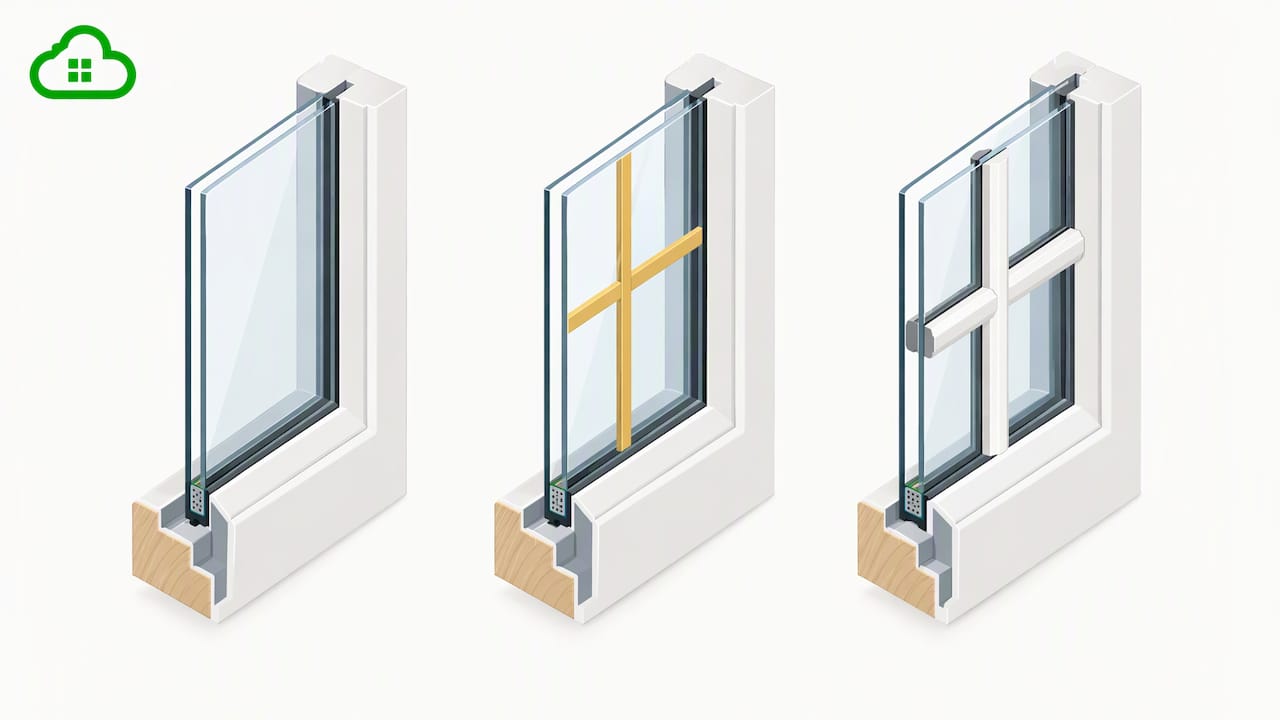
  • Decorative glazing bars such as Georgian bars add visual detail but increase the apparent frame area.

Pro Tip: If you are replacing windows on a heritage property, ask your installer to provide a sightline comparison between the existing frames and the proposed replacement. A difference of even 20mm can be visible and may require planning consent.

What impact do sightlines have on energy efficiency and UK building regulations?

The relationship between sightlines and energy performance is direct and measurable. Wider sightlines increase the frame-to-glass ratio, and frames conduct heat differently from glazed units. Under the 2026 UK Building Regulations Part L, the frame-to-glass ratio including sashes and decorative bars directly affects the window’s U-value. Added bars can push U-values above 1.6 W/m²K, risking compliance failure under SAP 10.3.

The U-value measures how much heat a window loses per square metre per degree of temperature difference. Lower is better. The table below shows how sightline width and glazing type interact to affect U-value performance.

Frame type Typical sightline Glazing cavity Approximate U-value
Slim aluminium Under 100mm 24–28mm 1.2–1.4 W/m²K
Standard uPVC 120mm 24–28mm 1.4–1.6 W/m²K
Slim heritage unit 60–80mm 12–14mm 1.7–1.9 W/m²K
Standard with Georgian bars 120mm+ 24–28mm Above 1.6 W/m²K


Infographic showing window sightlines and energy efficiency stats


Slim double-glazing units with 12–14mm cavities replicate historic sightlines but deliver U-values of 1.7–1.9 W/m²K. Standard 24–28mm units achieve 1.2–1.4 W/m²K. That gap is significant when you are trying to meet Part L targets.

The 2026 SAP 10.3 methodology makes sightlines a critical technical factor, particularly for properties with multiple small windows. Each window is now assessed individually, so a poor sightline specification on several units can fail a whole building’s energy rating. You can read more about how this affects your project in our window U-value guide.

Decorative features like Georgian glazing bars add visual appeal but fragment the glazed area and reduce thermal performance. If compliance is your priority, discuss the U-value impact of any decorative bars with your installer before committing to a specification.

How do frame materials affect sightlines and window performance?

Frame material is the single biggest factor in how slim your sightlines can be. Aluminium, uPVC, and timber each have different structural properties, and those properties set the minimum frame width needed to hold the glazed unit safely.

Modern aluminium frames can achieve slimmer sightlines than uPVC while maintaining structural strength. Security depends more on hardware and system engineering than on frame width. This is a point that surprises many homeowners, who assume a thicker frame means a stronger window. It does not. A well-engineered slim aluminium system with quality multipoint locking hardware outperforms a wide uPVC frame with basic locks.

Glass itself provides significant rigidity in minimalist window systems, enabling slimmer frames without structural compromise. However, this requires engineering verification for larger glass loads. Ultra-slim profiles must be tested specifically for their configuration. You cannot simply take a standard slim frame and scale it up to a large opening without recalculating the structural requirements.

Timber frames sit between aluminium and uPVC in terms of achievable sightline width. Hardwood timber can be machined to slimmer profiles than softwood, but both require more maintenance than aluminium or uPVC. For heritage properties, slim hardwood or engineered timber frames often represent the best balance between authentic appearance and practical performance. Our window materials guide covers these trade-offs in detail.

Pro Tip: When comparing frame options, ask for the actual sightline measurement in millimetres rather than a general description like “slim” or “standard.” Manufacturers use these terms inconsistently, and a 10mm difference in sightline can change both the look and the U-value of the finished window.

How can you measure and optimise window sightlines?

Measuring sightlines accurately is straightforward. You need a steel tape measure and a clear view of the window from directly in front.

  1. Measure the top rail. Place the tape at the top of the visible glass and measure up to the top of the frame. Record this figure in millimetres.
  2. Measure the bottom rail. Repeat from the bottom of the visible glass down to the bottom of the frame.
  3. Measure the left and right stiles. Measure from the edge of the glass to the outer edge of the frame on each side.
  4. Note any sash overlap. On casement windows, the sash sits inside the outer frame. Measure the sash width separately, as this adds to the total visible frame area when the window is closed.
  5. Compare your measurements. Equal sightlines on all four sides indicate a well-proportioned window. Significant differences suggest either a design choice or a fitting issue worth investigating.

Measuring sightlines accurately involves gauging visible frame widths directly on the window facade, then balancing those measurements against your thermal and aesthetic targets. Once you have your figures, you can compare them against the specification sheets for replacement windows to see whether a new unit will look similar or noticeably different.

Common pitfalls to avoid:

  • Selecting a replacement window based on overall frame size rather than sightline measurement.
  • Assuming all slim-profile windows perform equally. Always request the U-value certificate for the specific configuration you are ordering.
  • Overlooking the sash width when calculating total visible frame area on casement windows.
  • Failing to check planning requirements before ordering windows for listed buildings or conservation areas.

Consulting a specialist before you order saves both money and time. Cloudy2Clear Windows can assess your existing frames, advise on sightline options that meet Part L 2026 requirements, and recommend products that balance appearance with performance. Our building regulations guide explains the compliance process in plain terms.

What I have learned about sightlines after two decades in the industry

Most homeowners come to us focused on glass. They want to know about double versus triple glazing, gas fills, and low-E coatings. Sightlines rarely come up in the first conversation. That is a mistake, and it is one I have seen cost people real money.

The frame is not just a border around the glass. It defines how the window reads on the building, how much light enters the room, and whether the installation passes a Part L assessment. Planning for sightlines at the design phase saves cost and consent delays. Changing a specification after ordering can mean restarting the planning process entirely on a listed building.

The other misconception I encounter regularly is that slim frames are fragile. Homeowners see a narrow aluminium profile and worry about security. The reality is that security depends on hardware and system engineering, not frame width. A slim, well-engineered system is not a compromise. It is often the better product.

My advice is to treat sightlines as a design decision, not an afterthought. Measure your existing frames before you speak to any installer. Know your numbers. A 20mm difference in sightline can change the character of a room and the compliance status of a building. Get that right first, and the rest of the specification follows naturally.

How Cloudy2Clear Windows can help with your window sightlines

Choosing the right sightline specification takes experience, and getting it wrong affects both how your property looks and how it performs.

https://www.cloudy2clearwindows.co.uk


Cloudy2Clear Windows has been installing, replacing, and repairing double-glazed windows across the UK since 2005. Our specialists can assess your existing frames, recommend products that achieve slim sightlines without sacrificing thermal performance, and confirm compliance with 2026 Part L requirements. Whether you need a full double glazing replacement or advice on upgrading specific windows, our local branches cover a wide area. Homeowners in the Milton Keynes area can contact our Milton Keynes branch directly for a no-obligation assessment.

FAQ

What are window sightlines in simple terms?

Window sightlines are the visible widths of the window frame and sash when you look directly at a closed window. Slimmer sightlines mean more glass and less frame.

Do slim sightlines affect window security?

Security depends on hardware and system engineering, not frame width. A well-engineered slim aluminium system with quality multipoint locking is as secure as a wider frame.

How do sightlines affect U-values and Part L compliance?

Wider sightlines increase the frame-to-glass ratio, which raises the window’s U-value. Under 2026 UK Building Regulations Part L, decorative bars and wide frames can push U-values above 1.6 W/m²K and risk compliance failure under SAP 10.3.

What is the typical sightline for a modern aluminium window?

Modern minimalist aluminium systems achieve sightlines under 100mm, compared to around 120mm for standard frames. That difference is visible on a facade and affects both aesthetics and energy performance.

Do I need planning permission if I change my window sightlines?

On listed buildings and in conservation areas, replacement windows must preserve the original sightline proportions. Changing sightline dimensions without consent can constitute a planning breach, so always check with your local authority before ordering.

Cost-saving tips for windows: UK homeowner’s guide

Cost-saving tips for windows are practical actions that reduce your heating bills and extend the life of your glazing by sealing draughts, maintaining hardware, and choosing upgrades wisely. The Energy Saving Trust estimates that draught-proofing alone can save around £60 per year on heating costs for a typical household. Whether you own your home or rent it, the strategies below cover everything from a £3 foam strip to a phased double glazing replacement, giving you a clear path to lower bills without unnecessary expense.

1. Which DIY draught-proofing methods offer the best savings?

Draught-proofing is the fastest and cheapest way to cut heat loss through your windows. The Energy Saving Trust confirms it can reduce heating costs by 10–20%, which adds up quickly over a full winter. Start with the largest gaps first, as these deliver the greatest return for the least effort.

The most effective DIY options are:

  • Silicone or acrylic sealant for frame-to-wall gaps. A tube costs £5–£10 and can cut heat loss by up to 20%. Apply it along the external perimeter where the frame meets the brickwork.
  • Self-adhesive foam strips for sash and casement windows. At £3–£8 per window, they pay for themselves within one heating season by compressing to form a tight seal when the window closes.
  • Brush seals for sash windows. These fit into the channel where the two sashes meet and stop cold air passing through the gap without restricting movement.
  • Secondary glazing film for single-glazed windows. A shrink-fit film applied with a hairdryer creates a still-air layer that mimics the effect of double glazing at a fraction of the cost.

Pro Tip: Seal the largest, most draughty gaps first. Run your hand around the frame on a cold day to find them, or hold a lit incense stick near the edge and watch for smoke movement.

For a full walkthrough of sealing methods, the guide on draught-proofing your windows covers product choices and step-by-step fitting.

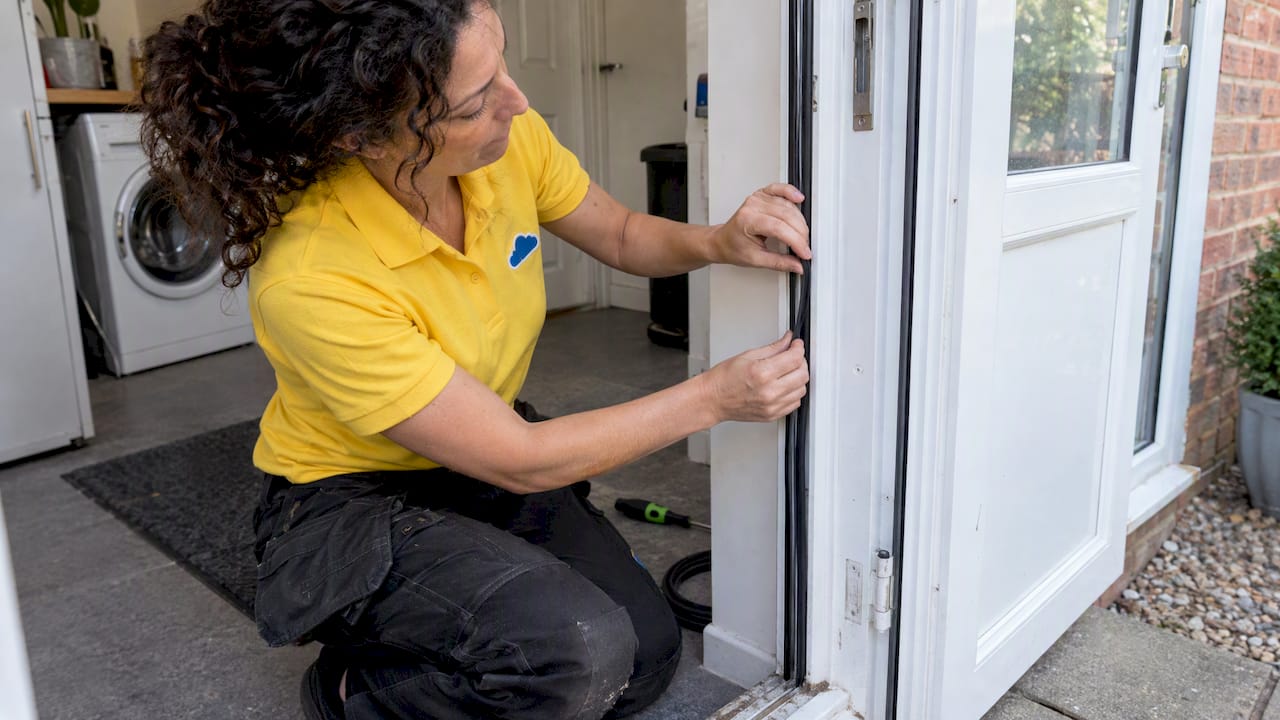
Hands applying draught-proofing strips on window

2. How does regular window maintenance save money?

Annual maintenance is the single most overlooked cost-saving habit for windows. The Glass and Glazing Federation recommends 90–120 minutes of inspection each spring or autumn to catch problems before they become expensive repairs. A failed seal or a blocked drainage channel left untreated can lead to misted glass, water ingress, or a seized hinge, all of which cost far more to fix than to prevent.

A basic annual check should cover:

  • Cleaning the tracks and frames with warm soapy water to remove grit that wears down seals
  • Inspecting rubber gaskets for cracks or shrinkage
  • Lubricating hinges and handles with a light oil or silicone spray
  • Clearing weep holes (the small slots at the bottom of the outer frame) to allow condensation to drain

Replacement parts are inexpensive. Gaskets, hinges, and seals typically cost £3–£35 for parts, with labour on top if you use a professional. Catching a failing gasket early means a £10 fix rather than a £200 sealed unit replacement.

Pro Tip: Schedule your annual check in early autumn before the heating season begins. You will spot any gaps or failing seals while there is still time to fix them before cold weather arrives.

Pairing window care with broader exterior maintenance, such as the seasonal siding checks recommended for other parts of the building envelope, keeps the whole structure performing well.

3. When should you repair rather than replace your windows?

Repair is almost always the right first step when a window is structurally sound. Window repairs cost £50–£300, while full replacements run from £400 to over £1,200 per window depending on size, material, and specification. That gap is significant, and many homeowners replace windows unnecessarily.

Common repairs and their typical costs:

Repair type Typical cost
Replacing a failed sealed unit (misted glass) £80–£200
New hinges or handles £50–£120 including fitting
Resealing the frame perimeter £30–£80
Replacing a damaged gasket £20–£60


Choose repair when:

  • The frame is structurally intact with no rot, warping, or cracking
  • Only one component has failed (a single hinge, a blown sealed unit)
  • The window is less than 15 years old

Choose replacement when:

  • The frame is warped, rotten, or cracked beyond repair
  • Multiple components have failed at the same time
  • The window is single-glazed and energy performance is the priority

Always get at least two quotes before committing to replacement. A certified installer will tell you honestly whether repair is viable. You can read more about the financial comparison in this guide to double glazing replacement costs.

4. What are the most budget-friendly ways to upgrade to energy-efficient windows?

Energy-efficient double glazing can save £100–£200 per year on heating bills for a typical UK home. That saving makes replacement worthwhile, but the upfront cost puts many homeowners off. A phased approach solves this: replace the worst-performing windows first, bank the energy savings, and use them to fund the next phase.

When choosing new windows on a budget, focus on these factors:

  • Energy rating. A-rated and B-rated windows deliver the best thermal performance for the money. C-rated units cost less upfront but save less over time.
  • Frame material. uPVC is the most affordable option and requires little maintenance. Timber costs more but suits period properties. Aluminium sits between the two on price and offers a slimmer profile.
  • Glazing specification. Standard double glazing suits most homes. Triple glazing costs more and delivers marginal additional savings in most UK climates unless you live in a particularly exposed location.
Frame material Approximate cost per window Maintenance requirement
uPVC £400–£700 Low
Timber £700–£1,500 Moderate
Aluminium £600–£1,200 Low


Government grant schemes such as the Great British Insulation Scheme may cover part of the cost for eligible households, particularly those in lower council tax bands or with lower incomes. Eligibility criteria change, so check the current rules on the GOV.UK website before budgeting. For a detailed comparison of frame materials, the guide on timber versus uPVC windows sets out the trade-offs clearly.

5. How can renters reduce window costs without permanent changes?

Renters face a real constraint: most tenancy agreements prohibit permanent alterations to windows. The good news is that the most effective low-cost insulation methods are entirely removable. DIY window insulation kits cost £10–£50 per window and can reduce heat loss by 10–20% without leaving any trace when removed.

Practical options for renters:

  • Secondary glazing film applied with double-sided tape. It peels off cleanly at the end of a tenancy and leaves no damage.
  • Draught excluder strips fitted to the inside of the frame. These are self-adhesive and removable.
  • Heavy thermal curtains hung close to the glass. They are not a window fix, but they reduce radiant heat loss significantly and move with you when you leave.
  • Temporary foam strips pressed into gaps around sashes. They compress and seal without adhesive damage.

If you notice a significant draught or a failed seal, report it to your landlord in writing. Landlords have a legal obligation to maintain windows in good repair under the Landlord and Tenant Act 1985. A professional assessment can support your case if the landlord is slow to act.

Pro Tip: Combine secondary glazing film on the coldest-facing windows with thermal curtains for the greatest warmth gain at the lowest cost. North and east-facing windows lose the most heat in winter.

Small habits compound into meaningful savings when practised consistently. Keeping window tracks clean stops grit from grinding down seals prematurely. Wiping condensation from internal glass each morning reduces moisture damage to frames and sills. Checking external sealant every two years and reapplying where it has cracked costs under £10 and prevents water ingress that can rot timber frames or cause mould inside uPVC.

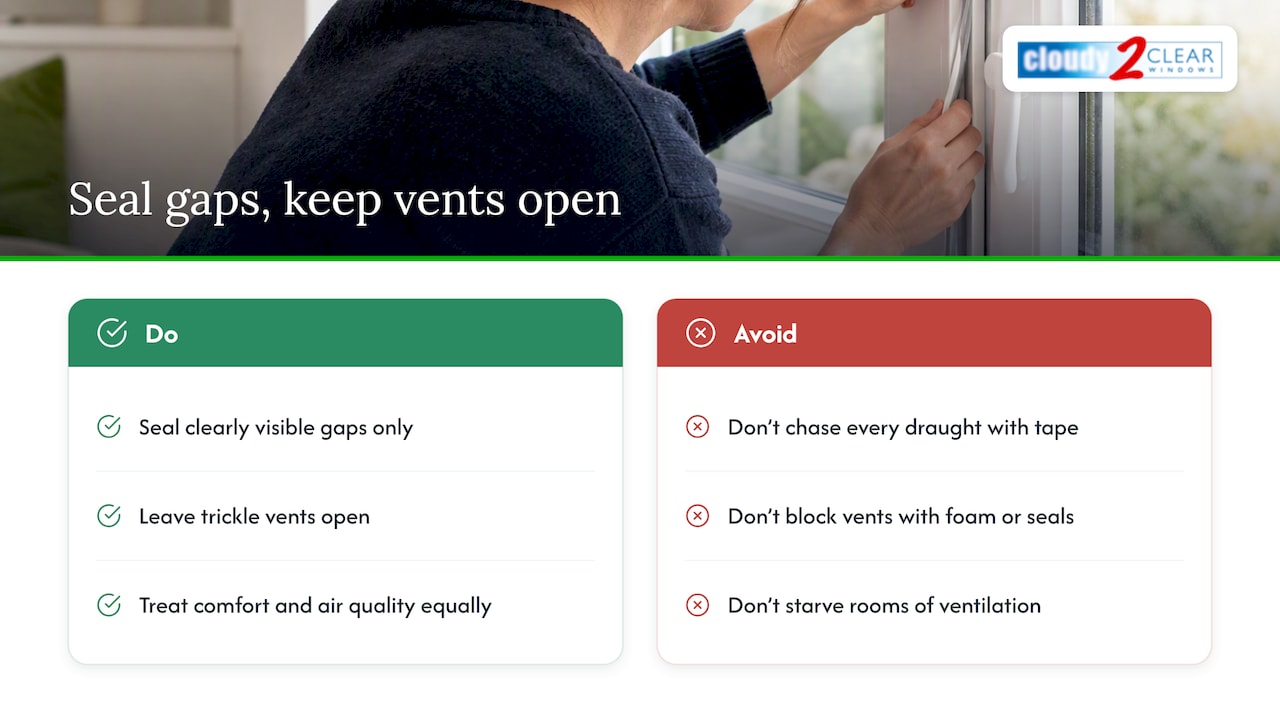
Ventilating rooms properly also matters. Trickle vents, the small slots built into modern window frames, exist to allow controlled airflow and prevent condensation. Blocking them to reduce draughts is counterproductive. It traps moisture inside the room, which damages seals and frames faster than the draught itself would. Leave trickle vents open and address draughts through the methods described above instead.

Pairing these habits with a broader home maintenance routine, including the kind of preventive exterior checks that extend the life of roofing and cladding, keeps repair bills low across the whole property.

What we have learned from two decades of window repairs

After more than 20 years of repairing and replacing double glazing across the UK, the pattern we see most often is this: homeowners wait too long. A small draught becomes a failed seal. A failed seal becomes misted glass. Misted glass becomes a full unit replacement that could have been avoided with a £10 tube of sealant two years earlier.

The other common mistake is replacing windows that did not need replacing. We regularly visit properties where a homeowner has spent £800 on a new window when a £90 sealed unit swap would have solved the problem entirely. The repair versus replacement decision deserves careful thought, not a quick sale.

Phased upgrades genuinely work. Replacing the two or three worst-performing windows in your home delivers most of the energy saving at a fraction of the whole-house cost. You feel the difference in your heating bills within the first winter, and that saving helps fund the next phase. Comfort and financial sense point in the same direction here.

The most important thing you can do today costs almost nothing. Spend 90 minutes checking your windows this autumn. Clean the tracks, inspect the seals, and seal any gaps you find. That single habit, done every year, prevents the majority of the costly repairs we are called out to fix.

How Cloudy2Clear Windows can help you save on window costs

Cloudy2Clear Windows has been repairing and replacing double glazed windows across the UK since 2005. Our engineers assess whether repair or replacement is the right call before any work begins, which means you never pay for more than you need.

https://www.cloudy2clearwindows.co.uk


Whether you need a sealed unit replacement in Milton Keynes, a repair service in Watford, or advice on upgrading to energy-efficient glazing, our local teams are ready to help. We work with both homeowners and renters, and we provide clear, honest quotes so you can make the right decision for your budget. Contact your nearest Cloudy2Clear Windows branch to arrange an assessment.

FAQ

How much can draught-proofing windows save per year?

The Energy Saving Trust estimates draught-proofing saves around £60 per year on heating for a typical household. The exact saving depends on the size of the gaps and how well-insulated the rest of the property is.

Is it cheaper to repair or replace a double glazed window?

Repairs typically cost £50–£300, while full replacements cost £400–£1,200 or more per window. Repair is the better choice when the frame is intact and only one component has failed.

Can renters insulate their windows without landlord permission?

Yes, using removable methods such as secondary glazing film and self-adhesive draught strips. These require no drilling or permanent fixing and can be removed without damage at the end of a tenancy.

How often should windows be inspected and maintained?

The Glass and Glazing Federation recommends an annual inspection of around 90–120 minutes, ideally in spring or autumn. This covers seals, hinges, tracks, and drainage weep holes.

What energy rating should I look for in replacement windows?

A-rated or B-rated windows offer the best balance of thermal performance and cost for most UK homes. C-rated windows cost less upfront but deliver smaller long-term savings on heating bills.

Steamed up windows: causes, fixes, and prevention

Steamed up windows occur when warm, moist indoor air meets cold glass, causing water vapour to condense into droplets on the surface. This process, known technically as surface condensation, is one of the most common complaints in UK homes, particularly during the colder months from october through to march. Poor ventilation, high indoor humidity, and temperature differences between inside and outside are the three main drivers. The good news is that most cases respond well to simple, low-cost changes you can make today.

What causes windows to steam up inside UK homes?

Window condensation forms when indoor air holds more moisture than the cold glass surface can support. The air releases that moisture as water droplets the moment it touches the glass. Understanding where that moisture comes from is the first step to fixing the problem.

The most common sources of indoor moisture include:

  • Cooking without lids. A boiling pan releases a significant amount of steam into the air within minutes.
  • Showering and bathing. Hot showers generate large volumes of water vapour that spread quickly through an unventilated home.
  • Drying clothes indoors. Hanging laundry on radiators or airers pushes moisture directly into the room air.
  • Breathing. Each person in a home releases moisture overnight. Persistent overnight condensation is mainly caused by moisture from occupants and poor bedroom ventilation. That explains why bedroom windows are often the worst affected by morning.
  • Poor ventilation. When humid air cannot escape, it builds up and settles against cold surfaces.
  • Single glazing and poorly insulated frames. These allow glass surfaces to drop much closer to outdoor temperatures, making condensation far more likely.

Temperature fluctuations make the problem worse. Rooms that cool down significantly overnight create ideal conditions for moisture to settle on glass. Bedrooms with closed doors and no trickle vents are particularly vulnerable. If your home has older window frames with gaps or failing seals, cold air enters and chills the glass further, lowering the temperature at which condensation forms.

How to improve ventilation to prevent steamed up windows

Ventilation is the single most effective tool for reducing window condensation. Moving moist air out of the home before it reaches cold glass breaks the cycle at its source.

  1. Open windows briefly each morning. Even 5–10 minutes of fresh air circulation reduces moisture buildup significantly. This is especially useful in bedrooms, where overnight breathing raises humidity levels.
  2. Keep trickle vents open. Trickle vents are the small slots built into modern window frames. Many homeowners close them to keep warm, but keeping them open allows a gentle, continuous exchange of air that prevents moisture from accumulating.
  3. Use extractor fans during cooking and showering. Run the fan for at least 15 minutes after you finish. This removes moisture before it spreads to other rooms.
  4. Leave internal doors open occasionally. Closed doors trap humid air in kitchens and bathrooms. Opening them allows air to circulate and moisture to disperse more evenly, reducing the concentration near cold glass.
  5. Check that air bricks and vents are not blocked. Furniture, insulation, or debris can obstruct these, reducing the natural airflow your home relies on.

For a more detailed daily routine, Cloudy2Clear Windows has published a step-by-step condensation guide that covers ventilation habits alongside other practical measures.

Pro Tip: Open the window in the kitchen or bathroom for just a few minutes while cooking or showering, rather than waiting until the room is already full of steam. Acting early removes moisture before it spreads through the rest of the house.

Infographic outlining prevention steps for steamed windows

Managing indoor humidity and moisture sources

Reducing the amount of moisture you produce indoors is just as important as improving ventilation. Small behavioural changes have a measurable impact on how often your windows fog up.

  • Avoid drying clothes indoors or on radiators. Indoor drying is one of the leading causes of high indoor humidity. Use a tumble dryer where possible, or dry clothes outside when the weather allows.
  • Use lids on pans when cooking. A lid traps steam inside the pan rather than releasing it into the kitchen air.
  • Close the bathroom door when showering. This contains moisture in one room, where the extractor fan can deal with it directly.
  • Remove damp towels and wet laundry promptly. Leaving them in a room adds moisture to the air for hours.
  • Consider a dehumidifier in problem areas. Dehumidifiers are effective in homes with limited ventilation or persistent condensation, particularly in poorly ventilated flats or rooms used for indoor drying.

The principle here is straightforward. Every litre of moisture you prevent from entering the air is one less litre that can settle on your windows. You do not need to make dramatic changes. Consistent small habits, applied daily, produce a noticeable reduction in condensation within a few weeks.

Pro Tip: Place a hygrometer (a simple humidity monitor, available from most hardware shops) in the rooms most affected by condensation. Aim to keep indoor humidity between 40% and 60%. If it regularly exceeds that range, you know exactly where to focus your efforts.

Woman placing hygrometer near sealed window indoors

Maintaining consistent heating and sealing window frames

How you heat your home affects condensation as much as ventilation does. Steady, even room temperature reduces condensation more effectively than intermittent heating. When a room cools down sharply overnight and then heats up quickly in the morning, the glass surface spends more time below the dew point, which is the temperature at which moisture in the air turns to liquid.

The table below summarises the key structural and heating measures, along with their effect on condensation risk:

Measure How it helps Difficulty
Consistent background heating Keeps glass above dew point overnight Low
Sealing gaps around frames Blocks cold air ingress, warms glass surface Low to medium
Replacing failed window seals Restores insulation, removes cold spots Medium
Fitting thermal curtains or blinds Adds insulation layer without blocking airflow Low
Upgrading to double or triple glazing Significantly raises glass surface temperature High


A few practical points on each of these:

  • Keep room temperature steady. A low background heat overnight, rather than switching heating off entirely, keeps surfaces warmer and reduces the risk of condensation forming.
  • Use curtains or blinds for added insulation. Keep them open slightly at the bottom so air can still circulate around the glass. Trapping air between a closed curtain and the window can actually make condensation worse.
  • Inspect and seal gaps around window frames. Sealing cracks around frames blocks cold air ingress and prevents the glass from cooling excessively. Use a silicone sealant or draught-excluding tape for a quick fix.
  • Check window seals regularly. Failed or perished seals create cold spots on the glass that attract condensation. Replacing them is a straightforward repair that Cloudy2Clear Windows carries out as part of its double glazing service.

Good home insulation also plays a supporting role. A better-insulated home retains heat more evenly, which means glass surfaces stay warmer for longer.

Simple tricks and tools to defog windows quickly

When condensation has already formed, you need a fast way to clear it and protect the glass and frame from moisture damage.

  • Wipe windows down each morning. Removing moisture daily prevents mould growth and protects window frames and paintwork from damp-related damage. A microfibre cloth works well and leaves no streaks.
  • Use a window vacuum. These handheld devices suck up condensation quickly and are particularly useful on large panes or in rooms with heavy overnight moisture.
  • Apply shaving foam to the glass. A thin layer of shaving foam, buffed off with a clean cloth, leaves an invisible film on glass that stops water droplets from clinging to the surface. It is a temporary measure, but it works well between deeper cleaning sessions.
  • Monitor humidity with a hygrometer. Placing one in each affected room helps you identify which spaces need more ventilation or heating attention.
  • Consider professional glass replacement if condensation appears between panes. Misting between the two panes of a double-glazed unit means the sealed unit has failed. No amount of wiping or ventilation will fix this. It requires a professional repair or replacement.

For guidance on preventing condensation in double glazing specifically, Cloudy2Clear Windows covers the topic in detail, including when a repair is the right call versus a full replacement.

Pro Tip: Rub a small amount of washing-up liquid onto the glass with a damp cloth, then buff it dry. Like shaving foam, it creates a thin barrier that reduces how quickly moisture clings to the surface. It is a useful daily habit during the winter months.

What I have learned from years of dealing with condensation in UK homes

After nearly two decades working with homeowners across the UK, the pattern I see most often is this: people focus on the symptom rather than the cause. They wipe the windows every morning, which is the right thing to do, but they never address why the moisture is there in the first place.

The homes with the worst condensation problems are almost always the ones where heating is switched off overnight and clothes are dried on radiators. Those two habits alone create conditions that no amount of wiping can fully overcome. When we advise clients to keep a low background heat running and move laundry outside or to a tumble dryer, the improvement is usually visible within a week.

I also think the role of trickle vents is underestimated. Homeowners close them because they feel draughty, which is understandable. But a small, controlled flow of fresh air is far less damaging than the mould and frame rot that follows persistent condensation. Keeping trickle vents open, even in winter, is one of the simplest and most effective changes you can make.

Finally, if you see misting between the panes of a double-glazed unit, do not delay getting it assessed. That is a failed seal, and it will not improve on its own. Early repair is always cheaper than leaving it until the frame or surrounding wall is affected by damp.

— Cloudy2Clear Windows

When to call in professional help for persistent condensation

If you have tried the ventilation and humidity measures above and condensation keeps returning, the problem may lie with the windows themselves.

https://www.cloudy2clearwindows.co.uk


Cloudy2Clear Windows has been repairing and replacing double glazed units since 2005, helping homeowners across the UK restore clarity and seal integrity without the cost of a full window replacement. Whether you are in Milton Keynes, Watford, Oxford, Leicester, or further afield, the team offers free assessments and honest advice on whether a repair or a glass replacement is the right solution. Failed sealed units, perished seals, and cold-spot frames are all straightforward repairs when caught early. Get in touch with Cloudy2Clear Windows for a free quote and take the first step towards clearer, drier windows.

FAQ

Why do my windows steam up every morning?

Overnight condensation forms because breathing releases moisture into a closed room, and cool glass surfaces cause that moisture to settle as water droplets by morning. Improving bedroom ventilation, such as leaving a trickle vent open, reduces this significantly.

Does drying clothes indoors make window condensation worse?

Yes. Drying clothes indoors or on radiators is one of the leading causes of high indoor humidity, which directly increases condensation on windows. Using a tumble dryer or drying clothes outside removes this moisture source entirely.

What is the quickest way to defog windows?

Wipe the glass with a microfibre cloth to remove moisture immediately, then run an extractor fan or open a window briefly to reduce humidity in the room. Applying a thin layer of shaving foam and buffing it off creates a temporary barrier that slows future fogging.

Should I keep my heating on overnight to prevent condensation?

A low, steady background temperature overnight is more effective than switching heating off entirely. Consistent heating keeps glass surfaces above the dew point, which is the temperature at which moisture in the air turns to liquid on cold surfaces.

When does condensation mean my double glazing needs replacing?

Condensation on the inside surface of a room is a ventilation and humidity issue. Condensation appearing between the two panes of a double-glazed unit means the sealed unit has failed and requires professional repair or replacement.

Top window design trends 2025: styles for modern homes

The top window design trends 2025 are defined by minimalist aesthetics, energy-smart glazing, and sustainable materials that improve both the look and performance of your home. UK homeowners and interior designers are now choosing windows that meet stricter building regulations while making a genuine visual statement. Flush casement windows have seen a 26% year-on-year demand increase, reflecting a clear shift towards clean lines and high performance. Windows must now comply with Approved Document L of UK Building Regulations, making energy efficiency a non-negotiable part of any design decision.

Flush casement windows are the standout style of 2025. Their smooth, flat profile suits both new builds and period properties, which is why over 452,000 metres of flush sash profile were supplied in 2025 alone. That figure signals a market firmly committed to minimalist design without sacrificing thermal performance.

Craftsman installing flush casement window outdoors


Sliding and slim-frame casement styles are also gaining ground. They allow larger glass expanses, which floods interiors with natural light and creates a stronger visual connection between inside and outside. Bay and bow windows are seeing a revival too, now specified with slim aluminium or timber frames and low-emissivity (low-E) glass for a modern refinement of a classic form.

Specialty geometric shapes and frameless fixed picture windows are the boldest creative window trends of the year. Architects and designers use these for focal points in open-plan extensions, where a standard opening window would interrupt the visual flow.

  • Flush casement: Clean sightlines, suits conservation areas and modern extensions alike
  • Slim-frame sliding: Maximises glass area, ideal for rear extensions and garden rooms
  • Bay and bow: Revived with low-E glazing and slimmer frames for contemporary appeal
  • Fixed picture windows: No moving parts, lowest U-values, best for statement walls
  • Geometric specialty shapes: Triangular, circular, or trapezoidal for architectural impact

Pro Tip: If your property sits in a conservation area, flush casement windows in timber or timber-effect uPVC are often the only style that planners will approve without objection.

Energy performance is now a primary design driver, not an afterthought. UK Building Regulations set minimum U-value requirements, and the 2026 update to Approved Document L is pushing those thresholds lower still. Homeowners who choose windows now need to think ahead.

Tilt-and-turn windows achieve the lowest typical U-values among opening window types, ranging from 0.8 to 1.4 W/m²K. That makes them the top choice for new builds and deep retrofit projects where thermal performance is the priority.

Window style Typical U-value (W/m²K) Best use case
Fixed picture 0.5–1.2 Passive solar, statement walls
Tilt-and-turn 0.8–1.4 New builds, Passivhaus projects
Casement 1.0–1.6 General replacement, extensions
Timber sash 1.2–1.8 Period properties, conservation


Triple glazing is rising sharply in popularity. Triple-glazed timber windows achieve U-values starting from 0.8 W/m²K, which is 43% better than current regulatory requirements. That improvement translates directly into lower heating bills and a more comfortable home throughout winter.

Acoustic glazing using laminated glass is an emerging feature for urban homes. Noise reduction is increasingly requested by homeowners near busy roads, railways, or airports, and acoustic laminated glass addresses this without compromising thermal performance.

Pro Tip: When comparing quotes, always ask for the whole-window U-value, not just the centre-pane figure. The frame accounts for a significant portion of heat loss, and the whole-window number gives you an accurate comparison.

Bold frame colours are the most visible shift in window aesthetics for homes this year. Black and anthracite grey frames have surged in popularity, and dual-colour finishes, where the interior is white and the exterior is a statement shade, are now widely specified. This approach lets you keep a bright interior feel while making a strong kerb-appeal statement outside.

Timber windows from sustainably sourced wood are attracting homeowners who want natural warmth alongside strong environmental credentials. Woodgrain finishes and natural stains are particularly popular, offering a tactile quality that painted uPVC cannot replicate. Many timber window manufacturers now hold Forest Stewardship Council (FSC) certification, which gives buyers confidence in the supply chain.

Coordinating window frame colours with other exterior elements is a growing design discipline. The same thinking applies indoors, where window frame colours are now chosen to complement kitchen cabinetry and joinery. Kitchen colour trends in 2026 show a strong move towards muted, earthy tones that pair naturally with anthracite grey or warm timber frames.

  • Anthracite grey and black: High contrast, suits both contemporary and traditional architecture
  • Dual-colour finishes: White inside, bold colour outside for maximum flexibility
  • Natural timber stains: Warm, tactile, and increasingly available in FSC-certified options
  • Sage green and clay: Softer alternatives to grey for heritage and rural settings
  • Powder-coated aluminium: Durable, slim, and available in virtually any RAL colour

4. What innovative functionality and smart features are shaping window design?

Tilt-and-turn windows are the most functionally versatile style available. They open inward from the top for secure background ventilation, or swing fully open like a casement for maximum airflow. Costs range from £400 to £900 per window, and their dual-opening mechanism makes them particularly practical for upper-floor rooms where safety and cleaning access matter.

Smart-integrated windows are moving from luxury specification into mainstream design. Light sensors can trigger automatic internal blinds or dynamic tinting glass, which adjusts its opacity in response to sunlight. This reduces solar gain in summer without blocking the view, cutting the need for air conditioning in south-facing rooms.

Practical functionality is also shaping purchasing decisions. Homeowners are prioritising windows that are easy to clean from inside, particularly on upper floors. Tilt-and-turn designs address this directly. Sliding windows are gaining ground in contemporary extensions where outward-opening sashes would conflict with external furniture or planting.

  • Tilt-and-turn: Dual ventilation modes, easy internal cleaning, strong thermal performance
  • Dynamic tinting glass: Adjusts opacity automatically, reduces solar gain without blinds
  • Acoustic laminated glass: Significantly reduces noise from traffic, railways, and airports
  • Coordinated window and door systems: Matching frames and hardware for a unified look
  • Outward-opening casements: Best airflow, most common in UK residential specification

5. How to choose the right window design for your home and renovation goals

The right window style depends on your property type, planning constraints, and energy targets. Casement windows offer the best overall airtightness for the price, with uPVC options costing £250 to £600 per window installed. They suit post-1930s properties and modern extensions where energy savings and budget both matter.

Period properties require a different approach. Timber sash windows remain the correct choice for pre-1919 homes in conservation areas, where planning officers expect authentic detailing. Modern engineered timber sash windows now achieve U-values well below the regulatory minimum, so you do not have to sacrifice performance for compliance.

New builds and deep retrofit projects benefit most from triple-glazed tilt-and-turn windows. Triple glazing reduces heat transfer effectively, supporting lower energy bills and Passivhaus-grade comfort levels. Fixed picture windows work best where ventilation is provided elsewhere, such as in a room with a separate trickle vent or mechanical ventilation system.

Property type Recommended style Key benefit
Post-1930s semi or terrace uPVC casement Cost-effective, airtight, low maintenance
Victorian or Edwardian terrace Timber sash Conservation compliance, authentic look
Contemporary extension Slim-frame sliding or fixed Maximum light, clean sightlines
New build or Passivhaus Triple-glazed tilt-and-turn Lowest U-values, dual ventilation
Rural or heritage setting Flush casement in timber Blends classic and modern performance


For guidance on choosing the right windows for your specific property, it pays to get professional advice before committing to a style or material.

Pro Tip: Always check your local authority’s design guidance before specifying a window style. Some conservation areas have specific requirements on frame colour, glazing bar profiles, and opening configurations that override general trends.

What Cloudy2Clear Windows has learned from two decades of window upgrades

After nearly 20 years of installing and repairing double-glazed windows across the UK, the pattern we see most often is this: homeowners focus on style first and performance second, then regret it when their energy bills do not improve. The most satisfying upgrades we see are the ones where the homeowner treats the U-value target as a fixed constraint and then chooses the style within that boundary.

The minimalism trend is genuinely positive for performance. Slimmer frames mean more glass area, and more glass area means more passive solar gain in winter. But slim frames also mean less material for insulation, so the quality of the glazing unit itself becomes even more critical. Triple glazing in a slim aluminium frame outperforms double glazing in a chunky uPVC frame every time.

One thing that gets overlooked far too often is the frame finish and its long-term maintenance. A powder-coated aluminium frame in anthracite grey looks sharp on day one. Timber in a natural stain requires repainting every five to seven years but rewards you with a warmth and depth that no synthetic material matches. Neither is wrong. Both are a commitment.

The advice we give every homeowner is the same: understand your planning constraints before you fall in love with a style, and get the energy-efficient upgrade right before you worry about the colour. Style fades. Draughts do not.

— Cloudy2Clear Windows

Staying current with window design ideas for 2025 is one thing. Getting the installation right is another.

https://www.cloudy2clearwindows.co.uk


Cloudy2Clear Windows has been installing, replacing, and repairing double-glazed windows since 2005, with local teams covering areas including Milton Keynes and Watford. Whether you want to upgrade to triple glazing, switch to a flush casement for a cleaner look, or repair an existing unit that is no longer performing, the team can advise on the right solution for your property type and budget. Contact Cloudy2Clear Windows to arrange a consultation and bring your 2025 window design plans in line with current UK building standards.

FAQ

The leading trends are flush casement windows, triple glazing, bold frame colours such as anthracite grey and black, and tilt-and-turn windows for high thermal performance. Energy efficiency and minimalist aesthetics are the two forces driving all of them.

What U-value should my windows achieve in 2025?

UK Building Regulations require windows to meet minimum U-value thresholds under Approved Document L. Tilt-and-turn windows achieve 0.8 to 1.4 W/m²K, making them the top-performing opening style currently available.

Are flush casement windows suitable for period properties?

Yes. Flush casement windows are widely specified for conservation areas because their flat profile closely resembles traditional timber joinery. They are available in timber and timber-effect uPVC to meet local planning requirements.

Is triple glazing worth the extra cost in the UK?

Triple glazing achieves U-values starting from 0.8 W/m²K, which is 43% better than current regulatory requirements. For new builds, Passivhaus projects, or homes with high heating costs, the long-term energy savings justify the higher upfront investment.

What is the most energy-efficient window style for a UK home?

Fixed picture windows achieve the lowest U-values (0.5 to 1.2 W/m²K) because they have no moving parts or seals to degrade. For rooms requiring ventilation, tilt-and-turn windows are the most energy-efficient opening style available.

Window air leakage: causes, costs, and fixes for UK homes

Window air leakage is defined as the uncontrolled passage of air through gaps, failed seals, and poorly fitted openings in window assemblies. In UK homes, this accounts for up to 20% of total heat loss. That single figure explains why beauty windows raise energy bills, reduce comfort, and drag down Energy Performance Certificate ratings. Understanding window air leakage is the first step to fixing it, and the solutions range from a £2 foam strip to a full professional upgrade.

What causes window air leakage and where does it occur?

Air leakage rarely comes from one obvious hole. It builds up across several small failure points that together create a significant problem.

The most common leakage sources are frame-to-wall reveals, window sills, and the gaps behind internal trims and architraves. Many of these are hidden behind plasterboard, which is why owners often feel a draught but cannot locate its source. Seal failures are the other major cause. Rubber gaskets compress and crack over time, silicone sealant shrinks away from surfaces, and brush strips wear flat. Once a seal fails, air moves freely through the gap regardless of how good the glazing unit itself is.

Close-up of window sill revealing leakage gaps


Structural movement also plays a part. Timber frames warp with seasonal moisture changes. uPVC frames can bow slightly if they were installed without adequate support. Both create gaps that were not present when the window was new.

Signs of air leakage in windows to look for:

  • A cold draught felt near the frame on a windy day
  • Condensation forming on the inner face of the frame (not the glass)
  • Rattling or whistling sounds when wind speed increases
  • Visible daylight around the frame edge when viewed from inside in a darkened room
  • Paint or wallpaper lifting near the window reveal

Pro Tip: Hold a lit incense stick close to the frame perimeter on a cold, windy day. Smoke that bends sharply toward or away from the frame confirms an air leak at that exact point. A thermal imaging camera, available from most tool hire shops, shows the same result in colour and covers the whole frame in seconds.

For a fuller picture of testing window air tightness in line with current UK guidance, Cloudy2Clear Windows has published a dedicated 2026 resource.

Infographic showing steps to address window air leakage

How does window air leakage affect energy bills and comfort?

Heat loss through windows accounts for roughly 18% of a home’s total heat loss. That figure rises when seals fail and uncontrolled airflow bypasses the insulating gas layer inside the glazing unit entirely.

The financial impact is direct. Upgrading to well-sealed A-rated double glazing cuts window heat loss from around 18% to approximately 10–12%, saving £195–£285 annually for a typical semi-detached home. Poorly installed replacements, however, can reduce those expected savings by 20–30% if the frame-to-wall joint is not sealed correctly. Good glass means little if air flows freely around the frame.

Draughts do more than raise bills. Persistent cold air movement near windows creates localised cold spots that make rooms feel colder than the thermostat reading suggests. Occupants respond by turning up the heating, compounding the energy waste. For older residents or those with respiratory conditions, prolonged exposure to cold draughts carries genuine health risks.

Condensation is a related consequence. When warm indoor air meets a cold surface caused by uncontrolled airflow, moisture deposits on frames, sills, and nearby walls. Left unchecked, this leads to mould growth. The impact on EPC ratings is also measurable. Assessors account for airtightness in EPC calculations, and properties with significant air leakage score lower, which affects both sale value and rental compliance.

What are effective DIY methods for identifying and sealing window air leaks?

DIY draught-proofing works well for minor seal failures and small gaps. The key is choosing the right material for the gap size before buying anything.

How to identify leaks before sealing

Run your hand slowly around the full frame perimeter on a cold day. You will feel temperature differences even where you cannot feel a draught directly. The incense or smoke pen method described earlier gives more precision. For gaps behind trims and architraves, remove the trim carefully and inspect the reveal with a torch.

Step-by-step sealing for common gap types

  1. Measure the gap first. A 1p coin fitting snugly into a gap indicates a width of approximately 6mm. A 6mm foam or brush strip is the correct choice for that size. Oversized strips compress too much and fail quickly; undersized ones leave the gap partially open.
  2. Clean the surface. Remove old sealant, dust, and grease with a dry cloth and, if needed, a mild solvent. Sealant applied to a dirty surface peels away within months.
  3. Apply foam or brush strips to moving parts. Casement windows and sash windows need a compressible seal that accommodates movement. Self-adhesive foam strips suit casements. Brush pile strips suit sash windows where the frame slides.
  4. Seal static joints with silicone or hybrid sealant. The joint between the frame and the wall reveal is a static joint. Use a weather-resistant silicone or hybrid sealant rated for external use. These last 5–10 years under UK weather conditions when applied correctly.
  5. Use backing rods for large gaps. Any gap wider than 10mm needs a foam backing rod inserted first. This gives the sealant a surface to bond to and prevents it from sinking into the void. Applying expanding foam to large gaps without a backing rod risks bowing the frame if the foam expands unevenly.
  6. Leave trickle vents open. Never seal trickle vents. They are there by design and removing them creates ventilation problems.

Pro Tip: Typical external sealant lasts 5–10 years. Mark the date of application on a piece of tape inside the frame reveal so you know when to inspect and reapply. Catching sealant shrinkage early costs far less than repairing the damp damage that follows.

Improving indoor air quality alongside draught-proofing is worth considering. Reducing household dust becomes easier once uncontrolled airflow stops carrying particulates through frame gaps.

When should you seek professional window repairs or upgrades?

DIY sealing has clear limits. When the frame itself has moved, warped, or pulled away from the wall, no amount of foam strip will restore airtightness reliably.

The following situations call for professional assessment:

Symptom Likely cause Professional action needed
Frame visibly bowed or twisted Structural movement or poor installation Frame realignment or replacement
Large gaps at reveals (over 15mm) Settlement or original installation fault Repointing, backing rod, and sealant
Window rattles despite new seals Hinge or locking mechanism failure Hardware adjustment or replacement
Condensation inside the glazing unit Failed sealed unit Double glazing unit replacement
Draught persists after DIY sealing Hidden leak behind trim or in cavity Professional airtightness assessment


A-rated double glazing carries a U-value of 1.4 W/m²K or lower, which is the current threshold for energy efficiency compliance under UK Building Regulations Part L. That rating is only achievable in practice when the installation is correct. A blower door test, used by professional assessors, measures actual leakage rates after installation and confirms whether the work has delivered the rated performance. For replacement windows, compliance with Building Regulations Part L is a legal requirement, not an optional upgrade. Cloudy2Clear Windows covers the compliance requirements in detail for anyone planning a replacement project.

Sealing and ventilation: why you cannot have one without the other

After nearly two decades working on double glazing across the UK, the mistake I see most often is not under-sealing. It is over-sealing.

Homeowners seal every gap they can find, block up trickle vents because they feel cold, and then wonder why condensation appears on walls six months later. UK Building Regulations 2026, specifically Parts F and L, exist precisely to prevent this. Part L targets heat loss. Part F requires that any improvement to airtightness is assessed for its impact on ventilation. The two are inseparable.

Trickle vents, background ventilators, and extract fans are not design oversights. They are the designed airflow path for a sealed building. Blocking them to stop a draught trades one problem for a worse one. Moisture has to go somewhere, and without a ventilation path, it goes into your walls and ceiling.

My recommendation is always to seal the unintentional gaps first, then assess whether the existing ventilation provision is still adequate. In older properties with solid walls and no mechanical ventilation, sealing windows aggressively can tip the balance quickly. A whole-house approach, looking at airtightness and ventilation together, produces lasting results. Sealing alone does not.

— Cloudy2Clear Windows

How Cloudy2Clear Windows can help with air leakage and energy efficiency

Window air leakage is a problem with a clear solution, and Cloudy2Clear Windows has been delivering that solution since 2005.

https://www.cloudy2clearwindows.co.uk


Whether you need a failed seal replaced, a double glazing unit swapped out, or a full frame assessment to find hidden leaks, the team covers both residential and commercial properties. Cloudy2Clear Windows operates across a wide network of locations, including Milton Keynes and Watford, with engineers experienced in meeting current UK Building Regulations. All replacement work complies with Part L requirements, so you get the rated performance you are paying for. Contact Cloudy2Clear Windows for an expert assessment and a clear quote.

FAQ

What is window air leakage?

Window air leakage is the uncontrolled movement of air through gaps, failed seals, or poorly fitted joints in a window assembly. It differs from designed ventilation, which passes through trickle vents and background ventilators.

How much heat do windows lose through air leakage?

Uncontrolled air leakage through gaps accounts for up to 20% of heat loss in typical UK homes. Sealing those gaps and upgrading to A-rated glazing can save £195–£285 per year in a semi-detached home.

Can I seal window air leaks myself?

Yes, for small gaps and worn seals. Measure the gap with a 1p coin, choose the correct foam or brush strip, and use weather-resistant silicone for static joints. Leave trickle vents open to maintain ventilation.

When should I call a professional for window air leakage?

Call a professional when the frame has moved or warped, when gaps exceed 15mm, or when condensation appears inside the glazing unit. These faults go beyond what DIY sealing can fix reliably.

Does sealing windows affect indoor air quality?

Sealing unintentional gaps does not reduce air quality if designed ventilation paths remain open. UK Building Regulations Part F requires that any airtightness improvement is assessed alongside ventilation provision to prevent damp and poor air quality.