• USP Logo Icon
    25 Year Guarantee
  • USP Leaf Icon
    Latest ECO Friendly Technology
  • USP Pointer Icon
    National Coverage
Get a FREE quote

Top tips for condensation prevention in double glazing

Waking up to a wall of misty windows is one of those small frustrations that quickly becomes a big problem. For homes and businesses across England and Scotland, condensation on double glazing is a daily reality during the colder months. Left unchecked, it can soften window frames, encourage mould growth, and quietly erode the insulating performance you paid for. The good news is that most condensation problems are entirely preventable once you understand what is driving them. This guide walks you through the causes, practical fixes, and maintenance habits that keep your windows clear year-round.

What causes condensation in double glazing?

After outlining the everyday challenge, we need to understand what is really happening behind those misty panes.

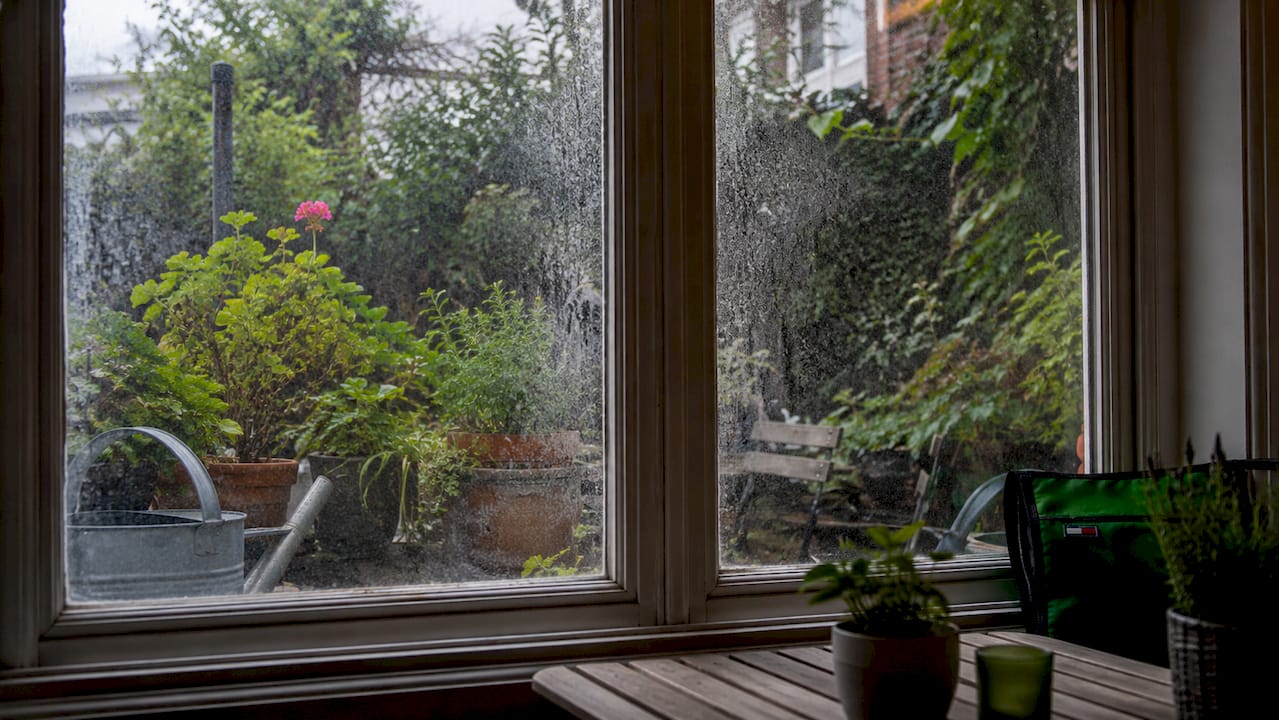
Close-up of condensation on double-glazed window


Warm, moisture-laden air is the root cause. When that air meets a cold glass surface, it cannot hold its moisture any longer and deposits it as tiny water droplets. This is the same effect you see on a cold glass of water on a warm day. Inside your home or business, that moisture comes from a surprising number of sources.

Cooking, showering, boiling a kettle, running a tumble dryer, and even breathing all release water vapour into the air. A family of four can release up to 12 litres of moisture into the home every single day just through normal activities. When that humidity builds up and your windows are the coldest surface in the room, condensation is almost inevitable.

Here is something worth knowing: condensation on the outside of your double glazing is actually a positive sign. It means your windows are insulating so well that heat is not escaping through the glass to warm its outer surface. The causes of window condensation you really need to address are those appearing on the inside.

Interior condensation is a warning sign of excess indoor humidity. It tells you the air in your property is holding more moisture than your ventilation can handle.

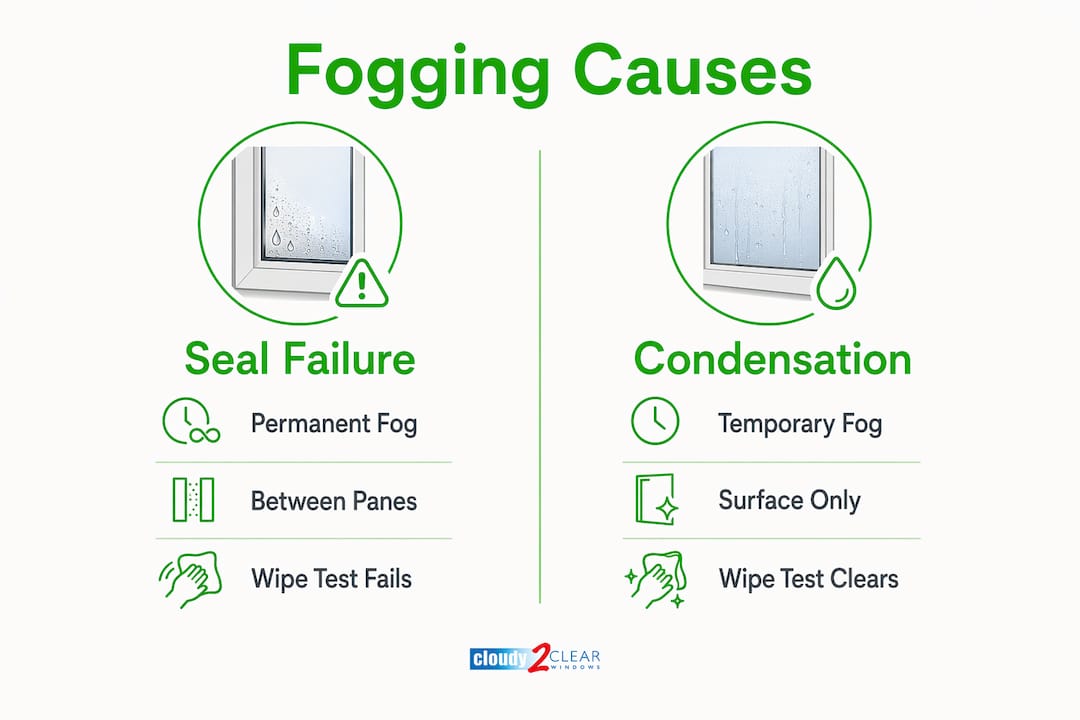
Understanding why glazed units mist up between the panes is a separate issue caused by seal failure, which requires a different fix entirely.

Common causes at a glance:

  • High indoor humidity from cooking, bathing, and drying clothes
  • Large temperature difference between indoor air and the glass surface
  • Poor or blocked ventilation trapping moisture indoors
  • Insufficient background heating creating cold spots
  • Furniture placed against external walls restricting airflow

Top 5 tips to prevent condensation

Now we know why condensation strikes, here are five proven ways to keep your windows crystal clear. As reducing moisture and improving ventilation are the cornerstones of prevention, these tips address both directly.

  1. Ventilate rooms daily. Use trickle vents fitted to your window frames and open windows briefly after cooking or showering. Even ten minutes of air exchange makes a measurable difference. Check out our advice on improving home ventilation for more detail.
  2. Reduce moisture at its source. Put lids on pans while cooking to trap steam. Dry clothes outside whenever possible, or use a vented tumble dryer that exhausts to the outside. These two habits alone can significantly reduce indoor humidity.
  3. Maintain consistent low-level heating. A cold room overnight creates cold window surfaces that attract condensation. Keeping background heat on at a low setting, especially in bedrooms, prevents those cold spots from forming.
  4. Use and maintain extractor fans. Bathroom and kitchen extractors are your first line of defence. Clean their filters regularly so they shift air efficiently. A clogged fan is almost as useless as having no fan at all.
  5. Move furniture away from external walls. Sofas and wardrobes pushed tight against outside walls block air circulation and create hidden damp spots. Even a small gap allows air to move freely and reduces moisture build-up.

If you have a conservatory, the same principles apply. Our guide to condensation in conservatories covers specific solutions for that space.

Pro Tip: Older properties and recently insulated homes often have too little background ventilation after draught-proofing. If your home has been recently sealed up, consider a retrofit ventilation solution such as a whole-house positive input ventilation unit.

Smart moisture control: Dehumidifiers and temperature

With daily routines covered, let us look at how technology and smart monitoring further boost your results.

The key number to remember is 60%. Once indoor relative humidity (RH) rises above that level, condensation on windows becomes likely. Keeping your home or office between 40% and 55% RH is the comfortable, safe zone that protects your glazing and your health.

Indoor humidity (RH) Likely outcome Recommended action
Above 60% Condensation probable Run dehumidifier, increase ventilation
55% to 60% Risk zone Monitor closely, improve airflow
40% to 55% Safe and comfortable Maintain current habits
Below 40% Too dry Risk of dry air irritation; reduce dehumidifier use


A dehumidifier is one of the most effective tools available. Timer-based dehumidifier use in coastal homes brought RH below 55%, eliminating condensation entirely. To get the most from yours, close the doors of the room you are treating, match the unit’s capacity to the room size, and set it on a timer so it runs during the hours when humidity is highest.

Consistent background heating matters just as much. Cold spots on walls or near window frames create localised condensation even when overall room humidity is acceptable. Maintaining an even temperature across the room removes those cold surfaces where moisture settles.

For our broader advice on caring for double glazing throughout the year, our dedicated guide is worth bookmarking.

Pro Tip: Place a small hygrometer near your windows. They cost very little and give you an instant humidity reading so you can act before condensation appears rather than after.

Ventilation upgrades and insulation: What actually works?

It is time to weigh up the real-world effectiveness of popular solutions and what most property owners miss.

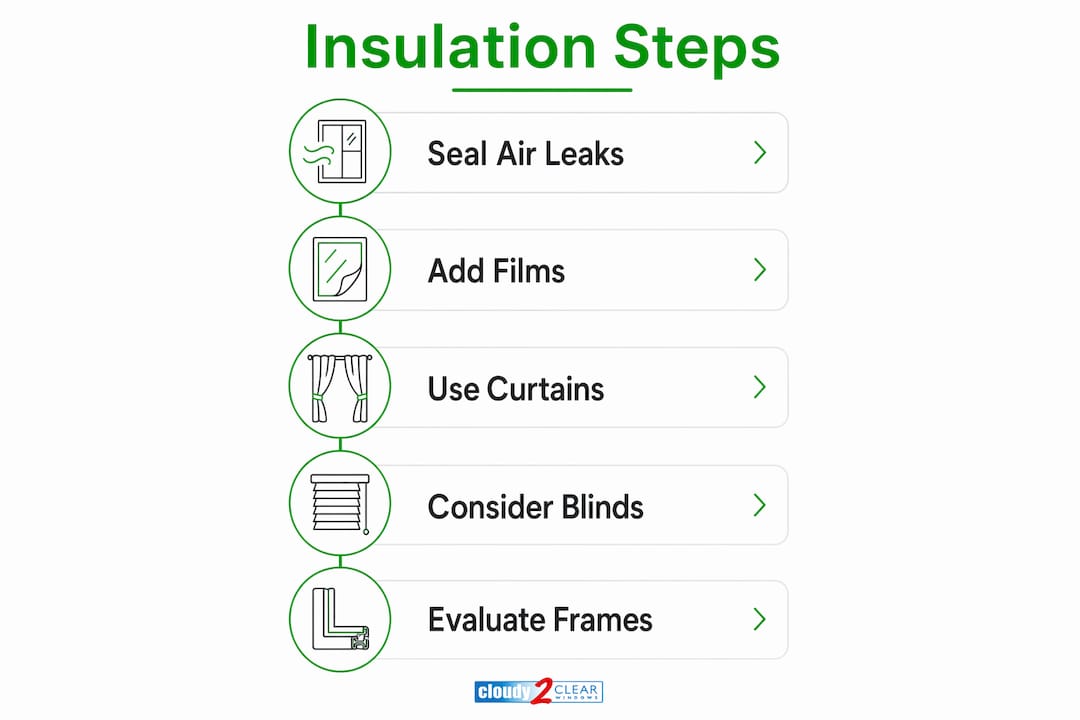
Many homeowners assume that better insulation automatically means less condensation. In fact, the opposite can be true. Exterior condensation worsens after loft insulation when ventilation is not upgraded at the same time. Insulation seals a building more tightly, trapping the moisture that was previously escaping through gaps. Without extra ventilation, that moisture has nowhere to go except your windows.

Solution Key benefit Potential risk Typical cost
Loft or wall insulation Reduces heat loss Can worsen condensation if ventilation is not improved £300 to £2,500+
Trickle vent retrofit Low-cost airflow improvement Minimal, if correctly sized £50 to £150 per window
Positive input ventilation Whole-house air exchange Requires professional installation £500 to £1,200
Mechanical extract ventilation Targeted moisture removal Can increase heating bills slightly £150 to £400 per unit


For residents in Scotland, Home Energy Scotland grants can help cover the cost of eligible ventilation and insulation upgrades. England homeowners should check with their local authority or the Energy Saving Trust for available support schemes.

For advice on solving window condensation based on where it appears, our guide breaks down each scenario clearly.

Signs you may need better ventilation:

  • Musty or stale smells that linger even after cleaning
  • Windows misting every morning without fail
  • Black mould appearing around window frames or in corners
  • Wallpaper peeling near external walls

Maintaining your double glazing for condensation-free living

Once you have upgraded airflow and insulation, ongoing maintenance is the last piece for clear, trouble-free windows.

Double glazing is robust, but it is not maintenance-free. Small issues left unattended grow into expensive repairs. The seals around your window units, the trickle vents in the frames, and the drainage channels at the base of the frames all need periodic attention. Good window maintenance practices extend the life of your glazing and keep condensation at bay.

Your maintenance schedule:

  1. Weekly: Wipe down condensation from glass and frames with a dry cloth. Do not let moisture sit on seals or timber frames.
  2. Monthly: Clean trickle vents with a soft brush to remove dust and debris. Check drainage slots at the bottom of frames and clear any blockages.
  3. Every six months: Inspect rubber seals around the glass unit. Look for cracking, shrinkage, or gaps. Check that opening sashes close fully and lock properly.
  4. Annually: Lubricate hinges and locking mechanisms. Inspect for any visible misting between panes, which signals seal failure inside the unit itself.

If you spot misting between the panes, that is not a condensation problem you can solve with ventilation. It means the sealed unit has failed and needs replacing. Catching this early keeps costs manageable.

Pro Tip: Catching minor seal leaks early, before water ingress softens the frame, can save you hundreds of pounds compared to a full frame replacement later.

A fresh perspective: Why ‘just open a window’ misses the point

The advice to open a window is well-meaning but incomplete. We have spent over two decades working in homes and commercial properties across England and Scotland, and the pattern is clear: opening a window helps temporarily but does not address the underlying imbalance between moisture production and air exchange.

Modern, well-insulated homes are built to be airtight. That is great for energy bills but it means natural air leakage, the kind older draughty properties had in abundance, no longer exists to dilute indoor moisture. Organisations such as Home Energy Scotland consistently stress the importance of planned ventilation in modern insulated properties precisely because the old passive approach no longer works.

The real gains come from combining three things: a reliable daily ventilation habit, a humidity monitor so you know what is actually happening in the room, and targeted upgrades such as trickle vents or a dehumidifier where the data tells you they are needed. Random quick fixes rarely stick.

We also see this problem in commercial spaces, where condensation in conservatories and large glazed areas can cause significant disruption if not managed systematically. A consistent strategy always outperforms reactive measures.

Expert help for stubborn condensation issues

If you have worked through these tips and your windows are still misting, it may be time to bring in a specialist. Persistent internal condensation that does not respond to ventilation improvements sometimes points to a failed sealed unit, a compromised frame seal, or a structural issue allowing cold bridging.

https://www.cloudy2clearwindows.co.uk


At Cloudy2Clear Windows, we have been helping homeowners and businesses across England and Scotland keep their glazing in excellent condition since 2005. Whether you need a straightforward window repair service or a full double glazing replacement, our local experts can assess the situation quickly and give you an honest, no-obligation quote. Clear windows and a comfortable, healthy indoor environment are closer than you think.

Frequently asked questions

Is exterior condensation on double glazing a problem?

No, exterior condensation is a normal sign that your windows are insulating properly. As noted in research on preventing home condensation, it is benign and not a cause for concern.

What indoor humidity level prevents condensation?

Keep indoor humidity below 60% and ideally between 40% and 55%. Timer-based dehumidifier use has been shown to bring RH comfortably below 55%, eliminating condensation in problem properties.

Should I install new insulation or focus on ventilation?

For most homes, you need both, but ventilation is the priority. Adding insulation without improving airflow can trap moisture indoors and make condensation worse after upgrades.

How often should I maintain my double-glazed windows?

Clean seals and trickle vents monthly, and carry out a full inspection every six months. Regular window upkeep catches small faults before they develop into costly repairs.

Why secure glazing is essential for business premises

Windows are the most exposed surface on most business premises, yet they are often the last thing owners think about when planning security upgrades. Doors get reinforced locks. Alarm systems get installed. But glass? It is frequently left as standard, meaning a determined intruder needs only seconds to gain access. Secure glazing changes that equation entirely. It acts as a physical deterrent, slows forced entry, meets compliance requirements, and can even reduce your energy bills. This article explains what secure glazing is, why it matters for businesses in England and Scotland, and how to make the right choices for your premises.

Understanding security risks in commercial glazing

Most business owners assume their front door is the weakest point of entry. In reality, windows and glazed facades are often easier to breach than a locked door, and far less likely to have been hardened. Standard float glass shatters quickly under impact, giving an intruder rapid access with minimal noise and effort.

The threats to commercial glazing are more varied than many people realise. They include:

  • Forced entry: The most common threat, where glass is smashed or broken to allow access to door handles, locks, or the premises itself.
  • Surreptitious entry: Gradual, quiet penetration through glass without triggering alarms, often using specialist cutting tools.
  • Ballistic attacks: Less frequent but significant in certain sectors, where projectiles are used to penetrate glass surfaces.
  • Blast and impact events: Relevant for high-risk locations near transport hubs or public spaces.

According to the National Protective Security Authority, windows and glazed facades in business premises are vulnerable to forced entry, ballistic, surreptitious, and other attacks. This is not a fringe concern. It is a documented pattern that affects businesses of all sizes.

Why do businesses consistently underestimate this? Partly because glazing is invisible as a risk. It looks solid. It is clean and professional. But standard glass offers almost no resistance to deliberate attack. A brick through a window takes under three seconds.

“The most common entry point in commercial break-ins is not the door. It is the glass beside it or around it.”


Understanding the full range of business window risks is the starting point for making any meaningful upgrade. The good news is that secure glazing options have advanced considerably, and the right choice can close these vulnerabilities quickly and cost-effectively.

Infographic showing secure glazing threats and protections

How secure glazing strengthens your business protection

With the risks defined, it is critical to understand how secure glazing shifts the balance in your favour. Unlike standard glass, which breaks cleanly on impact, secure glazing is engineered to resist, absorb, and delay penetration. That delay is everything. It buys time for alarms to trigger, staff to respond, or intruders to abandon the attempt.

Here are the main types of secure glazing available for business premises:

  1. Laminated glass: Two or more panes bonded with a tough interlayer, usually polyvinyl butyral (PVB). When struck, the glass cracks but holds together, making penetration extremely difficult without sustained effort.
  2. Toughened glass: Heat-treated to increase strength. When broken, it crumbles into small blunt pieces rather than sharp shards, reducing injury risk. Read more about toughened glass for businesses and its practical applications.
  3. Reinforced or composite glass: Combines multiple layers and materials for the highest levels of resistance, suitable for high-risk locations.

The NPSA confirms that secure glazing acts as the first line of defence against varied attacks on business premises. That phrasing matters. It is the first line. Not a secondary layer.

Feature Standard glazing Secure glazing
Impact resistance Very low High to very high
Entry delay on attack Under 10 seconds Several minutes
Break-in risk High Significantly reduced
Insurer acceptance Basic Often preferred or required
Shard risk on breakage High Low (laminated/toughened)


Exploring the different safety glazing types helps you match the right product to your specific situation.

Pro Tip: Your location and sector should drive your glazing choice. A city-centre retail unit faces different threats than a rural office or a financial services building. A glazing specialist can carry out a simple risk assessment to guide you.

Secure glazing and compliance: What business owners need to know

Beyond basic protection, another crucial driver for secure glazing is staying on the right side of the law and your insurer. Compliance is not optional for many business types. Building regulations, planning conditions, and insurance policies all have a say in how glazing is specified and installed.

In both England and Scotland, commercial premises must meet specific standards under the Building Regulations, particularly where glazing is used in critical locations such as doors, low-level panels, and areas accessible to the public. The NPSA notes that secure glazing is essential for compliance with modern building protection standards. Ignoring this can leave you liable in the event of an injury or break-in claim.

Key compliance points for business owners include:

  • Part K and Part N of the Building Regulations cover glazing safety and resistance requirements for England.
  • Scottish Building Standards set equivalent requirements north of the border.
  • PAS 24 and Secured by Design standards provide recognised benchmarks for enhanced security glazing in commercial settings.
  • Insurance policy conditions frequently specify minimum glazing standards. Falling below them can invalidate a claim.
Standard Applies to Key requirement
Building Regs Part N England Safety glazing in critical locations
Scottish Building Standards Scotland Equivalent safety and security thresholds
PAS 24 Both Enhanced security performance for windows
Secured by Design Both Police-preferred specification scheme


Understanding window building regulations before you commission any work saves time and avoids costly remedial action later. It is also worth reviewing how glazing affects insurance compliance before speaking with your broker. Properly installed and certified glazing, in line with glazing installation standards, can demonstrably reduce your risk profile and, in many cases, your premiums.

Energy efficiency and cost-saving benefits of secure glazing

Durable security is not the only advantage. The right glazing can also transform your business’s efficiency. Modern secure glazing is engineered to perform on multiple levels simultaneously, and energy performance is one of the most tangible financial benefits available to commercial premises in 2026.

Office worker beside energy-efficient secure window


Heat loss through poor or ageing glazing is a significant and often invisible cost. Draughts, condensation on panes, and large temperature swings between day and night all signal glazing that is no longer performing efficiently. Upgrading to secure, energy-rated glazing addresses these problems at the source.

The NPSA reinforces that windows and glazed facades must be both secure and efficient to fully protect business premises. Security and efficiency are not competing priorities. They are complementary.

Key energy benefits of modern secure glazing include:

  • Lower heating and cooling costs: Advanced low-emissivity (low-e) coatings reduce heat transfer, keeping interiors warmer in winter and cooler in summer.
  • Noise reduction: Multi-layer glass significantly dampens external noise, improving staff concentration and customer experience.
  • Condensation control: Better insulation reduces the temperature differential across the glass, preventing moisture build-up that can damage frames and interiors.
  • Improved comfort: A stable internal environment means staff are more comfortable and productive throughout the year.

For a detailed look at the financial case, exploring energy-efficient glazing for commercial premises is a useful next step. You can also review guidance on selecting energy saving glass to find the specification that balances performance with budget.

Pro Tip: Secure glazing with a high Window Energy Rating (WER) pays back its upfront cost through reduced energy bills. For most commercial premises, that payback period is well within five years, making it a sound financial decision alongside the security benefits.

Our view: Investing in glazing is smarter than ever

After nearly two decades working with businesses across England and Scotland, we have noticed a consistent pattern. Business owners invest heavily in alarm systems, CCTV, and access control, then leave standard glass in place as if it were invisible. It is a blind spot that experienced intruders rely on.

Glass is your first physical barrier. An alarm tells you a breach has happened. Secure glazing slows or prevents it from happening in the first place. That distinction is worth pausing on.

We also see the value conversation framed incorrectly. Secure glazing is treated as a cost rather than an asset. In practice, it contributes to glazing and business value, supports staff confidence and wellbeing, and signals to clients that your premises are professionally managed. The risks are in plain sight. Quite literally. Treating glazing as a genuine investment rather than a maintenance line item changes both the decision and the outcome.

Explore secure glazing solutions for your business

If you are ready to make your premises safer and more efficient, the next step is straightforward. At Cloudy2Clear, we have been working with commercial clients since 2005, delivering glazing upgrades that meet security standards, building regulations, and energy performance requirements across England and Scotland.

https://www.cloudy2clearwindows.co.uk


Whether you need a full review of your commercial glazing solutions, a fast response for commercial glass repair, or a straightforward double glazing replacement to bring ageing windows up to standard, our specialists are ready to help. Speak to our team today for practical advice and a no-pressure assessment of your current glazing.

Frequently asked questions

What types of attacks does secure glazing protect against?

Secure glazing protects against forced entry, ballistic impacts, and surreptitious attacks by making glass significantly harder and more time-consuming to penetrate. Each attack type requires a different level of glazing specification, which a qualified installer can advise on.

Does upgrading to secure glazing help reduce insurance premiums?

Yes, many insurers lower premiums when secure glazing is installed because it demonstrably reduces the risk of break-in and the likelihood of a successful claim. Always inform your broker of any glazing upgrades and request a policy review.

Is secure glazing required by UK building regulations?

Certain business premises must meet secure glazing requirements as part of official standards. The NPSA confirms that secure glazing is essential for compliance with modern building protection standards, particularly for glazing in vulnerable or publicly accessible locations.

How does secure glazing improve energy efficiency?

Secure glazing typically incorporates advanced insulation layers and low-e coatings, which reduce heat transfer and keep energy bills lower throughout the year. The result is a more comfortable working environment and measurable savings on heating and cooling costs.

How to identify window damage: save energy and stay safe

Damaged windows can quietly push your energy bills up and create real safety risks, yet many home and business owners in England and Scotland never notice until the problem becomes serious. Heat loss through windows accounts for 25 to 30% of energy costs, which means a few simple checks twice a year could save you hundreds of pounds. Whether you manage a Victorian terrace in Edinburgh or a modern office in Manchester, understanding how to spot and assess window damage is one of the smartest things you can do for your property. This guide walks you through everything, from the first visual clues to knowing when to call in a professional.

Signs your windows may be damaged

Let’s begin by understanding the classic indicators that your windows are not performing as they should.

Some signs are immediately visible, while others only reveal themselves through how your property feels or sounds. Getting familiar with both types means you catch problems early, before they become costly.

Physical and visual signs to look for:

  • Cracks or chips in the glass, even hairline ones
  • Condensation or misting between the panes of double glazing (a clear sign the seal has failed)
  • Rotting or swollen timber frames, or crumbling uPVC corners
  • Peeling or blistering paint around the frame
  • Visible gaps between the frame and the surrounding wall
  • Cloudy or permanently fogged glass that does not clear

Performance-based signs:

Beyond what you can see, spotting damage signs often comes down to how your space feels. Noticeable draughts, cold spots near windows in winter, increased outside noise filtering through, and unexplained rises in your heating bills are all reliable warning signs. You can test for draughts simply by holding a lit candle or a strip of tissue near the frame edge on a windy day. Any flicker or movement tells you air is getting in.

Window leak detection is another useful check. After heavy rain, look for water stains, damp patches, or softening plasterwork on the interior wall directly below or beside the window. These point to window leak detection issues that worsen if left unaddressed.

Infographic with window damage signs and categories


Sign What it may indicate Urgency
Condensation between panes Failed double glazing seal Moderate
Draughts around frame Gaps, worn seals, or frame damage High
Cracked glass Structural or impact damage High
Rotting timber frame Moisture ingress, long-term neglect High
Peeling paint Moisture trapped in frame Moderate
Increased noise Seal failure or single glazing Low to moderate

Understanding common causes of damage helps you make sense of what you find and decide what action to take next.

Tools and materials you need for a window check

Once you know what to look for, gather some basic tools to make your window checks thorough and efficient.

Basic tools for window inspection on kitchen table


You do not need expensive equipment. Most of what you need is already in your home or available for a few pounds at a hardware shop. Having everything ready before you start means you move methodically through each window without missing anything.

Your window inspection kit:

  • Torch: Essential for checking dark corners of frames, sills, and any areas where light does not reach naturally
  • Tissue or candle: For testing draughts around seals and frame edges. As noted, detecting draughts with a candle or tissue is one of the most reliable field tests
  • Tape measure or ruler: To check gap widths and, importantly, to verify escape window dimensions against legal requirements
  • Notepad or phone: Record what you find at each window, including its location and the nature of the fault
  • Camera or smartphone: Photograph every defect you spot. Close-up images in good natural light are invaluable when describing problems to a glazing specialist
  • Ladder (where safe): For reaching upper-floor external frames, but only use one if you have the right support and feel confident
Tool Purpose Cost
Torch Inspecting dark areas of frames Under £10
Tissue or candle Draught testing Under £2
Tape measure Measuring gaps and escape window dimensions Under £5
Notepad Recording faults by location Minimal
Smartphone camera Photographing defects for professionals Free


Pro Tip: Take your photos in daylight, ideally on an overcast day when glare is reduced. Direct sunlight can wash out fine cracks and subtle condensation. Clear, well-lit photos help any specialist give you an accurate quote without needing an immediate visit.

If you find draughts during your check, reading up on draught proofing methods can help you understand your short-term options while you arrange a professional assessment.

Step-by-step guide to inspecting your windows

With your tools ready, here’s how to conduct a full window assessment step by step.

  1. Start with an exterior walkround. View each window from outside. Look for obvious cracks, gaps between the frame and masonry, discolouration, or signs of rot. Note the condition of any external sealant (mastic) around the frame edges.
  2. Move to the interior. Check the glass for cracks and look carefully for any misting or condensation trapped between the panes. Run your fingers along the inner frame edges to feel for cold spots or dampness.
  3. Conduct the draught test. On a breezy day, hold a lit candle or tissue near every edge of the frame and around the opening sash. Watch for any movement. Mark positive results on your notepad.
  4. Test the hardware. Open and close each window fully. Handles, hinges, and locking mechanisms should all operate smoothly. A stiff or misaligned sash often means frame warping or hinge failure.
  5. Check for safety hazards. Look for any panes that feel loose, frames that have shifted, or glass that appears stressed. These are immediate concerns, particularly in rooms where children are present.
  6. Verify escape window function. In bedrooms, make sure the window can open wide enough to allow escape in an emergency (more on the legal dimensions shortly). A window that sticks or does not open fully is a safety issue.
  7. Document everything. Write down the location of each window inspected, what you found, and photograph any defect. This record is useful for a professional and for insurance purposes.

Inspect your windows at least twice a year to catch problems before they become expensive. Before and after winter are the most valuable times to check.

Pro Tip: If you notice a window is consistently cold even when closed, it may be worth reading about energy efficient windows to understand whether a repair or an upgrade would serve you better long-term.

Assessing window damage is not just about comfort or cost; it also means ensuring your property meets key safety standards.

British building regulations set clear requirements for windows in specific locations and uses. Knowing these helps you spot a legal shortfall during your inspection.

Key safety requirements to check:

  • Safety glazing is required in any glazed area below 800mm from floor level. This applies to low-level panels, patio doors, and sidelights. The glass must be toughened or laminated to reduce injury risk in a breakage
  • Escape windows in habitable rooms (typically bedrooms) must open to at least 0.33 square metres, with a minimum height and width of 450mm, and a sill height no greater than 1,100mm from the floor, in line with Part B of the Building Regulations
  • Windows in bathrooms and kitchens must meet ventilation standards under Part F
  • Any replacement window installed since 2002 should have been notified to Building Control, and you can request evidence of this from previous owners

Special considerations for older and historic properties:

If your property is listed or sits within a conservation area, you face additional rules. Historic England’s position is clear: repair is preferred over replacement for historic buildings, with conserving original material the guiding principle. This matters enormously in parts of Scotland and England where Victorian and Georgian windows remain common.

In Scotland, sash and case windows are a defining feature of the built environment. Before assuming a draught or rattling sash needs replacing, always investigate whether targeted repair and draught-proofing will address the issue adequately.

Always cross-reference your findings with the building regulations for windows relevant to your property type and location. Understanding the sash window heritage value can also guide your decision-making if you own an older property.

When to call the professionals: assessing, repairing, or replacing

Finally, after checking your windows, you’ll need to decide whether you can DIY or if specialist help is necessary.

Not every window fault needs a full replacement. In fact, according to Historic England’s principles, repair over replacement is generally the preferred approach, especially for historic windows. A professional survey before any major works can save you significant money and preserve your property’s character.

Signs you need a professional without delay:

  • Cracked or broken glass in any pane
  • Failed double glazing seals (persistent misting between panes)
  • Visible rot in timber frames that extends beyond the surface
  • Windows that cannot be locked or secured
  • Any safety glazing concern below 800mm floor level
  • Escape windows that no longer open to the required dimensions
Issue Likely solution DIY possible?
Minor draught around seal Draught strip or sealant Yes
Surface paint peeling Strip, treat, and repaint Yes
Failed double glazing unit Glass unit replacement No, specialist needed
Cracked pane Glass replacement No, specialist needed
Rotted frame section Epoxy repair or section replacement Partial, specialist advised
Frame warping or misalignment Adjustment or full frame replacement No, specialist needed


For decisions around sash window repair, the balance between preserving original fabric and improving performance is delicate. A qualified glazing specialist can assess this and give you honest, cost-effective advice rather than defaulting to a full replacement.

Why routine window checks pay off: hard-won lessons and local insights

Stepping back, what have years of experience and local knowledge taught us about managing window damage?

The honest answer is that most window problems we encounter at Cloudy2Clear were preventable. Homeowners and business managers often wait until a problem is severe, then face a large bill that could have been avoided with a simple biannual check. There is a tendency to associate window maintenance with inconvenience, but in practice, a proper inspection takes under an hour and costs nothing but time.

In Scotland particularly, we see neglected sash and case windows that have deteriorated over decades. Yet strip the paint back, replace the draught seals, and re-cord the weights, and many of these windows perform remarkably well again. Full replacement was never necessary. The visual and heritage appeal is preserved, and the owner saves money.

Our view is straightforward: treating energy saving window checks as a regular part of your property maintenance routine is one of the most cost-effective habits you can adopt. Original window fabric, when properly maintained, often outlasts modern replacements.

Need help with a window issue?

If your own checks reveal problems you’re unsure how to solve, help is easy to find.

At Cloudy2Clear, we have been supporting home and business owners across England and Scotland since 2005. Our local specialists can assess window damage quickly and honestly, recommending repair where possible and replacement only when it is genuinely the right call.

https://www.cloudy2clearwindows.co.uk


Whether you need double glazing replacement, a straightforward broken window repair, or a full survey of your commercial property, our team is ready to help. Visit our window repair services page to find your nearest specialist and book an assessment. No pressure, no guesswork, just practical advice from people who know windows inside and out.

Frequently asked questions

What is the quickest way to spot window damage?

Hold a tissue or lit candle near the frame edges to detect draughts, check for condensation between panes, and look for any unexplained rise in your heating bills. These three checks together cover the most common failure points.

How often should I inspect my windows for damage?

You should check your windows at least twice a year, ideally before winter sets in and again in spring. This schedule catches seasonal damage early and prevents small issues from escalating.

Are repairs better than replacing windows?

In most cases, yes. Historic England recommends repair over replacement to conserve original fabric, and even modern windows often only need seal or hardware work rather than full replacement. A specialist survey will give you a clear recommendation.

What safety rules should my windows meet?

British regulations require safety glazing below 800mm from floor level, and escape windows must open to at least 0.33 square metres with a sill height no greater than 1,100mm. Check these dimensions during your inspection, particularly in bedrooms.

Why window frames matter: boost efficiency and value

When most people think about upgrading their windows, they focus almost entirely on the glass. Triple glazing, gas fills, low-emissivity coatings — the glazing gets all the attention. But here is what often goes unnoticed: your window frames are doing just as much work. They hold everything together, seal out the cold, and shape how your property looks from the street. Choose the wrong frame material or let an old one deteriorate, and even the most advanced glass unit will underperform. This guide cuts through the confusion and gives you a clear, practical understanding of window frames — what they do, which materials suit your needs, and how to keep them in top condition.

The underrated impact of window frames

It is easy to treat window frames as a purely cosmetic detail. In reality, they are far more than a border around your glass. As frames form the structural backbone of any glazed unit, affecting insulation, durability, and appearance, the frame you choose has a direct bearing on how comfortable and efficient your property is.

Think about what a frame actually does. It holds the glass pane securely in place, provides the seal between the glazing unit and your wall, and acts as a barrier against wind, rain, and noise. A poorly fitted or degraded frame can undo every benefit that quality glass provides.

“A window is only as good as the frame that holds it. Gaps, warping, or poor seals in the frame allow heat to escape and cold air to enter, regardless of the glass specification.”

Here is what frames directly influence:

  • Thermal performance: Frames conduct heat at different rates depending on the material. A frame with poor insulation creates what is known as a cold edge, where heat escapes around the perimeter of the glass.
  • Draught resistance: Even small gaps between the frame and the wall or between the frame and the sash can let cold air in. Exploring draught-proofing windows is often the fastest way to improve comfort without a full replacement.
  • Noise reduction: Dense, well-fitted frames contribute to acoustic insulation. Thin or damaged frames allow sound to travel through more easily.
  • Moisture control: Frames that are cracked, rotting, or poorly sealed allow moisture ingress, which leads to condensation, mould, and structural damage over time.
  • Property value: Kerb appeal matters. Frames that look tired or mismatched with the building’s style can reduce perceived value, while well-chosen frames enhance it.

Your window frame choices are not just a background decision — they are central to the performance and appearance of the whole window system.

Installer fitting new window frame with tools

Frame materials explained: Wood, uPVC, aluminium and more

Now that we have covered why frames matter, let us compare the most popular frame options available to homeowners and commercial property owners in the UK today. As different materials significantly affect the thermal efficiency, maintenance, and cost of your glazing, it pays to understand what you are choosing between.

Infographic showing window frame materials and benefits


Frame material Thermal efficiency Maintenance Lifespan Best suited for
Timber Good (with treatment) High 20-60 years Period and heritage properties
uPVC Excellent Low 20-35 years Modern homes and budget-conscious buyers
Aluminium Good (with thermal break) Very low 30-45 years Contemporary and commercial buildings
Composite Excellent Low to medium 30-50 years Premium residential and mixed-use properties


Here is a quick summary of what each material brings to the table:

  • Timber: Naturally attractive and well-suited to older properties. It requires regular painting or staining to prevent rot and warping. When properly maintained, timber frames perform well thermally and can last for decades.
  • uPVC: The most widely installed frame material in the UK. It is affordable, low maintenance, and offers strong thermal performance. It does not suit every architectural style, but for modern homes it is hard to beat on value.
  • Aluminium: Slim, strong, and very durable. Standard aluminium conducts heat readily, but frames fitted with a thermal break (an insulating barrier inside the frame) perform much better. Widely used in commercial settings.
  • Composite: Usually timber on the inside and aluminium or uPVC on the outside. You get the warmth of wood indoors and weather resistance outdoors. A premium option with excellent all-round performance.

For a deeper look at each option, the frame material guide covers the trade-offs in more detail.

Pro Tip: Match your frame material to your glazing specification. A high-performance triple-glazed unit fitted into a standard aluminium frame without a thermal break will lose much of its efficiency benefit at the edges. The frame and glass need to work together.

How frame choice affects energy efficiency and bills

Understanding your material options is important, but how do frames really affect your bottom line? The answer comes down to a concept called thermal bridging. This is where heat travels through a material that conducts energy more readily than the surrounding insulation. In windows, the frame is often the weakest point thermally, particularly with older or poorly specified materials.

High-quality frames combined with good glazing can reduce household heat loss by up to 30%. That is a significant figure when you consider how much of your heating bill goes towards compensating for heat that simply escapes through your walls, roof, and windows.

Here is how to check whether your frames may be costing you money:

  1. Run your hand around the frame edge on a cold day. If you feel cold air or a noticeable chill, the seal or the frame itself is failing.
  2. Look for condensation on the inside of the glass near the frame. This often indicates a cold edge caused by a poorly insulating frame.
  3. Check for visible gaps or cracks between the frame and the surrounding wall. Even small openings allow significant heat loss.
  4. Inspect the seals and beading around the glass unit. Perished or missing seals are a common cause of draught and moisture ingress.
  5. Consider the age of your frames. Frames installed more than 20 years ago are likely to fall short of current energy efficiency standards.

For landlords and commercial property managers, this is not just a comfort issue. UK building regulations and energy performance requirements are tightening. Properties with poor energy ratings face increasing pressure at the point of sale or lease renewal. Addressing fixing window leaks and upgrading ageing frames is a practical step towards compliance. Pairing frame upgrades with draught-proofing tips can also deliver quick wins without a full replacement programme.

Frame maintenance, repairs, and longevity tips

Protecting your investment means looking after your frames as well as your glazing panes. As proper maintenance and timely repairs extend the lifespan of both frames and glazing, a little routine attention goes a long way.

Here are the five warning signs that a frame needs attention or replacement:

  1. Visible rot or warping in timber frames, or cracking and discolouration in uPVC.
  2. Draughts around the frame even after you have checked and replaced the draught seals.
  3. Difficulty opening or closing windows, which suggests the frame has shifted or warped out of shape.
  4. Misting or condensation trapped inside the double-glazed unit, which often points to seal failure compounded by frame movement.
  5. Water stains or damp patches on the wall or sill beneath the window, indicating moisture is getting in through the frame.

For routine care, keep frames clean using a mild detergent and warm water. Avoid abrasive cleaners on uPVC, as they can dull the surface. Lubricate hinges and locking mechanisms once a year. For timber frames, check the paintwork annually and touch up any bare patches before moisture gets in.

Pro Tip: Before deciding between repair and replacement, consider the frame material. uPVC and aluminium frames are generally not repairable once they warp or crack significantly, so replacement is usually the right call. Timber frames, on the other hand, can often be repaired by a skilled joiner if the damage is caught early. Knowing which you have helps you make a cost-effective decision.

For guidance on choosing the best frames for a replacement project, or to understand what double-glazing window maintenance involves across different frame types, these resources will help you plan ahead.

Why frame selection is the best glazing investment most owners overlook

Here is something we have observed over two decades in the glazing industry: property owners routinely spend more on upgraded glass specifications and then fit them into frames that are already past their best. The result is a window system that never delivers its full potential.

We have spoken with homeowners who invested in premium triple-glazed units only to find their heating bills barely shifted. In almost every case, the frames were the culprit — old, poorly sealed, or simply the wrong material for the application. The glass was doing its job; the frame was not.

The uncomfortable truth is that a modest glass unit in an excellent, well-fitted frame will often outperform a high-specification glass unit in a mediocre frame. The seal, the fit, and the thermal properties of the frame determine how much of the glass’s performance actually reaches your living space.

With UK energy efficiency standards set to become more stringent over the coming years, frame selection myths are worth addressing now rather than later. Buyers, tenants, and surveyors are paying closer attention to window specifications. Choosing the right frame today is not just about comfort — it is about future-proofing your property.

Expert help for glazing and frame upgrades

If this guide has prompted you to take a closer look at your own windows, you are in the right place. At Cloudy2Clear Windows, we have been helping homeowners and commercial property managers across England and Scotland make confident glazing decisions since 2005.

https://www.cloudy2clearwindows.co.uk


Whether you need window frame repairs in Oxford, are exploring double glazing repairs in Milton Keynes, or are managing a portfolio that requires commercial glazing solutions, our team is ready to help. We offer honest assessments, clear recommendations, and installations carried out to a high standard. Get in touch today for a free, no-obligation quote and find out what the right frames can do for your property.

Frequently asked questions

What is the most energy-efficient window frame material?

uPVC and thermally broken aluminium are the most energy-efficient options for UK homes. As uPVC and aluminium with thermal breaks minimise heat loss more effectively than standard timber frames, they are the go-to choice for properties where energy performance is a priority.

How do I know if my window frames need replacing?

Visible damage, draughts, hard-to-open sashes, and condensation trapped inside double glazing are clear signs replacement is needed. Rotting timber, warped uPVC, or persistent misting inside glazing all signal that new frames are the right next step.

Can old frames cause condensation problems?

Yes, poorly insulated or damaged frames often lead to window condensation by allowing heat or moisture transfer. Frame condition is linked to internal condensation risk and energy efficiency, so ageing frames should be inspected regularly.

Are there maintenance tips to extend uPVC window frame lifespan?

Regular cleaning with mild detergent, prompt attention to seal failure, and annual checks on hinges and locks will help your uPVC frames last longer. Proper care and timely repairs extend the life of all window frame types, keeping performance high and replacement costs down.

Acoustic glazing: cut noise by up to 40 dB in 2026

Noise is one of those things you stop noticing until it becomes impossible to ignore. Traffic outside your bedroom window at midnight, a neighbour’s music bleeding through the walls, or the constant hum of city life disrupting a business meeting. For many property owners across England and Scotland, noise pollution has become a daily frustration rather than an occasional inconvenience. The good news is that this is not something you simply have to live with. Acoustic glazing offers a proven, practical way to reclaim the quiet you deserve, and this guide will walk you through everything you need to know.

Understanding acoustic glazing and how it works

Acoustic glazing is a specialist type of glazing designed specifically to reduce the amount of sound that passes through your windows. Unlike standard double glazing, which primarily targets heat retention, acoustic glazing is engineered with sound reduction as its central purpose.

At its core, soundproofing double glazing uses a combination of laminated glass, varied pane thicknesses, and carefully calculated air or gas gaps between the panes. Each of these elements plays a specific role. Laminated glass contains a thin plastic interlayer, usually made from polyvinyl butyral (PVB), which absorbs sound vibrations rather than allowing them to pass straight through. Using panes of different thicknesses prevents sound waves from resonating at the same frequency across both panes, which would otherwise amplify rather than dampen noise.

The gap between the panes also matters more than many people realise. A wider gap, often filled with argon gas, disrupts sound transmission more effectively than a narrow one. Standard double glazing typically uses uniform pane thicknesses and a narrower gap, which makes it a reasonable thermal barrier but a modest acoustic performer.

Here is a quick comparison to put this into context:

   Feature Standard double glazing Acoustic glazing
Glass layers Two equal panes Two panes of different thicknesses
Interlayer None PVB laminate
Gap width Typically 12 to 16 mm Often 16 mm or wider
Primary purpose Thermal insulation Sound and thermal insulation
Noise reduction Moderate Significantly higher


The key advantages of acoustic glazing structure include:

  • Laminated glass that absorbs vibration before it travels indoors
  • Asymmetric pane thicknesses that prevent resonance between the two panes
  • Wider gas-filled gaps that interrupt sound wave transmission
  • Specialist frame seals that eliminate gaps where noise can sneak through

When choosing acoustic glass options for your property, it is worth understanding that the combination of all these features working together is what delivers real results, not any single element on its own.

Measuring noise reduction: the science behind acoustic glazing

Understanding the mechanics is just part of the story. Let us look at how the benefits of acoustic glazing are actually measured, so you can make sense of the claims you will encounter when shopping around.

Sound reduction is measured in decibels (dB). The higher the dB reduction, the quieter your indoor environment will be. The key rating to look for is the Rw rating, which stands for weighted sound reduction index. This is the industry-standard measure of how much sound a window can block across a range of frequencies. A higher Rw number means better acoustic performance.

Woman measuring noise level near kitchen window


To give you a sense of what these numbers mean in real life, consider this:

Noise source Approximate dB level
Busy urban traffic 70 to 85 dB
Normal conversation 60 dB
Comfortable indoor level 30 to 40 dB
Whisper 30 dB


Most experts recommend keeping indoor noise levels below 40 dB for comfortable living and working. Standard double glazing typically achieves a reduction of around 20 to 25 dB. High-performance acoustic glazing can reduce noise by up to 40 dB, which is the difference between hearing every car that passes and barely noticing the street outside.

It is worth noting that a 10 dB reduction is perceived by the human ear as roughly halving the loudness of a sound. So a 40 dB reduction does not just feel slightly quieter. It feels dramatically different.

When you are evaluating glazing products, always ask for the Rw rating rather than relying on vague marketing language. A product that claims to be “soundproof” without a specific rating is difficult to assess. Reputable suppliers will always be able to provide this figure.

The wellbeing case for reducing noise pollution is strong. Research consistently links chronic noise exposure to poor sleep, elevated stress levels, and reduced concentration. Addressing it through acoustic glazing is not a luxury. It is a practical investment in your health and quality of life.

Benefits of acoustic glazing for homes and businesses

With the science established, let us uncover the main benefits that make acoustic glazing a worthwhile investment for both residential and commercial properties.

For homeowners, the impact is felt most immediately in the rooms where you rest and recharge. Quieter bedrooms mean better sleep, which has a knock-on effect on mood, energy, and overall health. Living rooms become genuinely relaxing spaces rather than places where you have to raise your voice over background noise. Home offices, which have become a permanent fixture for many people, benefit enormously from reduced external distraction.

For businesses, the advantages are equally compelling:

  • Staff concentration improves when background noise is reduced, leading to better productivity
  • Client-facing spaces feel more professional and private
  • Hospitality and retail environments become more pleasant for customers, encouraging longer visits
  • Healthcare and therapy settings gain the confidentiality they require

Beyond comfort, adding acoustic glazing does not just cut noise. It also significantly improves comfort and can boost property value. Buyers and tenants increasingly prioritise quiet, well-insulated properties, particularly in urban areas where noise is a known issue.

Acoustic glazing also delivers energy-saving benefits alongside its acoustic performance. The same laminated layers and gas-filled gaps that block sound also reduce heat loss, which can lower your energy bills and improve your property’s energy rating.

Pro Tip: If you are upgrading your windows, consider combining acoustic and thermal performance in a single installation. This approach maximises your return on investment and avoids the disruption of two separate projects.

The full list of benefits for most property owners includes:

  • Noticeably quieter indoor environments day and night
  • Improved sleep quality and reduced stress
  • Better focus in home offices and commercial workspaces
  • Lower heating bills through improved thermal insulation
  • Increased property value and kerb appeal
  • Enhanced privacy in sensitive or client-facing spaces

Is acoustic glazing worth it? Cost, installation and what to consider

After seeing the benefits, you may be wondering about the practicalities and cost. Here is what to expect when considering acoustic glazing for your property.

Acoustic glazing does cost more than standard double glazing, typically by around 20 to 30 per cent depending on the specification. However, the price difference is often smaller than people expect, particularly when you factor in the dual benefits of noise reduction and improved thermal performance. The exact cost will depend on several variables:

  1. Window size and number — larger windows and higher quantities naturally increase the overall cost
  2. Frame type and condition — existing frames may be suitable for glass-only replacement, which reduces cost significantly
  3. Glass specification — higher Rw ratings and thicker laminates carry a premium
  4. Installation complexity — upper-floor windows or unusual shapes may require additional labour
  5. Location — regional pricing varies across England and Scotland

The installation process is straightforward when carried out by experienced professionals, and it can deliver excellent value when targeted to the most affected rooms. In many cases, the glass units can be replaced within existing frames, which keeps costs down and minimises disruption to your daily routine.

Common pitfalls to avoid include:

  • Choosing a product based on price alone without checking the Rw rating
  • Ignoring window regulation guidance that may apply to listed buildings or conservation areas
  • Assuming all windows need upgrading when targeting specific rooms delivers better value
  • Selecting a supplier without verifiable experience in acoustic installations

Pro Tip: Start with the rooms that cause you the most frustration, typically bedrooms and front-facing offices. You will notice the greatest improvement for the least outlay, and you can always extend the upgrade later.

For most homeowners and business operators, acoustic glazing is not a blanket solution for every window. It is a targeted upgrade that pays back in comfort, wellbeing, and long-term value.

Our take: what most advice misses about acoustic glazing

Most guides on acoustic glazing focus heavily on dB numbers and Rw ratings. These figures matter, but in our experience, they are not the whole story.

Every property is different. A terraced house on a busy road in Edinburgh has very different needs from a ground-floor office in central Manchester. Chasing the highest possible rating for every window in a building is rarely the most sensible approach. What actually makes a difference to people’s lives is targeted, well-planned installation that addresses the specific noise problems they face.

The real prize is not a number on a spec sheet. It is sleeping through the night without waking to traffic. It is finishing a working day without a headache from background noise. It is your customers feeling at ease in your business rather than distracted by the street outside.

We would always encourage you to think about lifestyle outcomes first and technical specifications second. Ask yourself which rooms genuinely need improvement, and seek advice tailored to your situation rather than a one-size-fits-all solution. Our combat noise pollution strategies page is a good starting point if you want to think through the options before committing to anything.

How we can help with your acoustic glazing needs

At Cloudy2Clear Windows, we have been helping homeowners and businesses across England and Scotland improve their properties since 2005. Acoustic glazing is one of the most impactful upgrades we install, and we bring the same care and expertise to every project.

https://www.cloudy2clearwindows.co.uk


Whether you need a double glazing replacement for a noisy bedroom, a full acoustic upgrade for a commercial space, or specialist commercial fenestration services for your business premises, we are here to help. Our team provides honest, tailored advice based on your specific setting and budget. If you are based locally, our Milton Keynes window repairs team is ready to assist. Get in touch today for a no-obligation conversation about what acoustic glazing could do for your property.

Frequently asked questions

How much noise can acoustic glazing actually block?

Up to 40 dB noise reduction is achievable with high-quality acoustic glazing products, which makes a substantial and noticeable difference to everyday comfort indoors.

Will acoustic glazing also insulate my home?

Yes, most acoustic glazing provides excellent thermal insulation alongside noise reduction, meaning dual sound and heat benefits come as standard with a well-specified product.

Is it necessary to install acoustic glazing in every window?

Not at all. Strategic window location selection maximises your noise reduction benefit, so targeting bedrooms and front-facing offices typically delivers the greatest improvement for your investment.

Can acoustic glazing be added to existing windows?

In many cases, acoustic glass can replace panes within your current frames, though this depends on your window design. Flexible upgrade options allow retrofitting in many scenarios, making it worth asking a specialist to assess your existing setup.