• USP Logo Icon
    25 Year Guarantee
  • USP Leaf Icon
    Latest ECO Friendly Technology
  • USP Pointer Icon
    National Coverage
Get a FREE quote

How glazing affects home insurance: compliance, costs, claims

Most home and business owners in England and Scotland think about glazing in terms of warmth, noise, and appearance. Very few think about insurance. Yet the type of glazing you have, and whether it meets current regulations, can directly affect whether your insurer pays out after a break-in, a storm, or an accident. Non-compliant glazing installations can lead to denied claims and higher premiums. This guide explains exactly which glazing factors matter most, what the rules are in England and Scotland, and how to keep your cover valid while managing costs sensibly.

Why glazing matters for insurance coverage

Insurers assess risk. Every element of your property that affects the likelihood or severity of a claim is factored into your policy. Glazing sits right at the centre of that calculation because windows are one of the most vulnerable points in any building.

Think about the three most common claim triggers for homes and businesses:

  • Break-ins: Windows are the primary entry point for burglars. Weak or poorly fitted glazing increases the risk rating on your property.
  • Storm damage: Cracked, poorly sealed, or ageing glass is far more likely to fail under wind or impact, leading to water ingress and structural damage.
  • Injury: Safety glazing requirements exist precisely because broken glass causes serious harm. If your glazing does not meet safety standards and someone is injured, your liability cover could be at risk.

Insurers do not just take your word for it that your windows are fine. When a claim is made, they investigate. If they find that your glazing does not comply with building regulations, whether that relates to safety glass in critical locations, inadequate thermal performance, or poor installation, they have grounds to reduce or refuse your payout.

“Non-compliant glazing installations, such as failing building regulations on safety glazing, U-values, or security, can lead to insurance claim denials, especially for water damage, injuries, or break-ins.”

Compliance is not just a box-ticking exercise. It is your first line of defence when something goes wrong. Proper window damage prevention starts with understanding what your insurer expects and making sure your glazing meets those expectations before a claim ever arises. Beyond claims, compliant glazing also supports the impact on property value, giving you better outcomes whether you are selling, remortgaging, or simply protecting your investment.

The peace of mind that comes from knowing your glazing is fully compliant is real and practical. It means fewer arguments with insurers, faster claim settlements, and a property that is genuinely better protected.

Infographic summarizing glazing and home insurance factors

Compliance with regulations: the insurance hot-spot

Now we know compliance is essential, let us look at which specific laws and standards matter most for home and business owners in England and Scotland.

There are three key parts of the Building Regulations that apply to glazing:

Regulation What it covers Why it matters for insurance
Part L Energy efficiency and thermal performance (U-values) Non-compliant U-values can affect EPC ratings and energy-related claims
Part F Ventilation requirements when replacing windows Poor ventilation leads to condensation, damp, and related claim disputes
Part Q Security standards for doors and windows Failing Part Q increases burglary risk and can invalidate theft claims


Failing to meet any of these regulations is not just a paperwork problem. Compliance with Part L, Part F, and Part Q is critical in England and Scotland; non-compliance risks enforcement fines of between £2,500 and £5,000 and can invalidate your insurance coverage entirely.

Certification matters here too. When a registered installer completes your window work, they issue a FENSA certificate (or equivalent) that confirms the installation meets current building regulations. This certificate is your proof of compliance. Without it, you are relying on the word of an unregistered trader, and your insurer may not accept that.

Understanding building regulations for windows in detail will help you ask the right questions before any work begins. You should also familiarise yourself with the types of safety glass available, since using the correct glass in critical locations (near doors, at low levels, in bathrooms) is a specific regulatory requirement.

Pro Tip: Always ask your installer for their FENSA registration number before work starts. A legitimate, registered installer will provide this without hesitation, and it protects you from compliance issues down the line.

If you are making significant changes to your glazing, notify your insurer in writing before work begins. Some policies require this as a condition of cover. It takes five minutes and can save you thousands.

Types of glazing and their impact on premiums

Once you meet the regulations, you still face choices. The type of glazing you install does influence your insurance costs, though not always in the ways you might expect.

Homeowner comparing glazing types for insurance


Here is a direct comparison of the main glazing options:

Glazing type Typical U-value Security benefit Premium impact
Single glazing 4.8 W/m²K Low Higher risk, higher premiums
Standard double glazing 1.4 to 1.6 W/m²K Moderate Meets baseline insurer expectations
High-performance double glazing 1.0 to 1.2 W/m²K Good Positive effect on risk profile
Triple glazing 0.6 to 0.9 W/m²K Very good Best performance, potential premium benefit


Triple glazing achieves U-values of 0.6 to 0.9 W/m²K compared to standard double glazing at 1.4 to 1.6 W/m²K. The lower the U-value, the better the insulation. But the insurance benefit of triple glazing comes primarily from its security performance and its contribution to your EPC (Energy Performance Certificate) rating, not the insulation figure alone.

This matters because better glazing contributes to higher EPC ratings, and some insurers offer lower premiums for homes with strong EPC ratings due to the perceived lower risk profile. A well-insulated home is less likely to suffer from damp, condensation, or structural deterioration, all of which are common claim drivers.

Features that can actively reduce your premiums include:

  • Laminated or toughened safety glass: Harder to break, reducing burglary and injury risk
  • Multi-point locking systems: Directly addresses Part Q security requirements
  • Thermally broken frames: Reduces condensation risk and associated damp claims
  • Argon gas-filled units: Improves thermal performance without a large cost premium

Learn more about triple glazing explained and whether it suits your property, or explore energy efficient glazing options that balance performance with cost. The key takeaway is this: you do not need the highest specification on the market to benefit. You need glazing that meets regulations, performs well, and is properly certified.

Practical steps: keeping cover valid and costs down

Moving from options to action, here is how to get your cover working at its best and keep it that way.

  1. Check compliance before installation. Use a FENSA-registered installer and confirm in writing that all work will meet Parts L, F, and Q. Review the installation standards checklist before any work begins.
  2. Notify your insurer. Contact your insurer before significant glazing work. Explain what is being replaced, upgraded, or altered. Get confirmation in writing that your cover remains valid during and after the work.
  3. Collect and store documentation. Keep your FENSA certificate, installer invoices, and any product specifications in a safe place. Photograph your windows before and after installation. This evidence is invaluable if a claim is ever disputed.
  4. Understand your glazing unit. Knowing what you have installed, including the glass type, frame material, and gas fill, helps you answer insurer questions accurately. Our guide on understanding glazing units is a good starting point.
  5. Review your policy annually. Glazing upgrades can change your risk profile. When you renew, tell your insurer about any improvements you have made. Better glazing may qualify you for a lower premium.

Unnotified renovations including glazing can void your policy if they alter your risk profile. Always inform your insurer of structural changes.

Pro Tip: If your insurer cannot tell you clearly how glazing upgrades affect your premium, ask them to put it in writing. If they will not, it may be worth shopping around for a provider who values energy-efficient and compliant properties.

The most common pitfall we see is poor paperwork. Homeowners and business owners invest in good glazing but cannot prove it when it matters. Do not let that happen to you.

Why glazing and insurance is more nuanced than people think

Here is something we rarely hear discussed openly: most people assume that simply having double glazing is enough. It is not. Modern insurers are increasingly sophisticated. They look at installation quality, certification, and compliance, not just the presence of a double-glazed unit.

We have spoken with property owners who were genuinely shocked to discover that windows installed by an unregistered trader years ago were technically non-compliant. They had double glazing. They assumed they were covered. They were not.

The real compliance risks are not always obvious. A window can look perfectly fine and still fail on U-value, ventilation, or security grounds. And when a claim is made, that is exactly when the detail gets scrutinised.

Our view, built on over two decades of working with homes and businesses across England and Scotland, is that glazing and insurance should be reviewed together, not separately. When you change your windows, update your insurer. When you renew your policy, check your glazing documentation. Treat it as an ongoing relationship, not a one-off task. That mindset is what separates well-protected properties from those that face nasty surprises at claim time.

Check and upgrade your glazing for peace of mind

If reading this has raised questions about your current glazing, you are not alone. Many property owners discover gaps in their compliance or documentation only when they start looking. The good news is that addressing those gaps is straightforward with the right support.

https://www.cloudy2clearwindows.co.uk


At Cloudy2Clear Windows, we have been helping homeowners and businesses across England and Scotland install, repair, and upgrade glazing since 2005. Whether you need a repair to restore compliance, a full replacement to meet current regulations, or simply expert advice on your options, our team is ready to help. We also offer commercial fenestration services for business premises of all sizes. If you are based in the Milton Keynes area, our double glazing repairs Milton Keynes team can visit and assess your property directly. Get in touch today for a no-obligation conversation.

Frequently asked questions

Can non-compliant glazing void my home insurance in England or Scotland?

Yes, failing to meet building regulations for glazing can result in denied claims or even invalidate your policy. Non-compliant glazing installations such as those failing on safety glazing, U-values, or security are a known trigger for claim refusals.

Which glazing features most impact my insurance premium?

Features that improve security and energy performance, like double or triple glazing and safety glass, can lower premiums with some insurers. Better glazing contributes to higher EPC ratings, which some insurers reward with reduced premiums due to lower perceived risk.

Do I need to tell my insurer if I change my windows?

Yes, you should always inform your insurer if you install, replace, or significantly alter your glazing to protect your cover. Unnotified renovations including glazing changes can void your policy if they alter your risk profile.

Does triple glazing guarantee lower home insurance?

Triple glazing does not guarantee a lower premium, but its better insulation and security can help improve your risk profile. Triple glazing achieves U-values of 0.6 to 0.9 W/m²K, offering superior performance that insurers may view favourably alongside proper certification.

Why window seals matter: boost comfort and energy savings

Your double glazing could be working against you right now. A small, failed window seal is enough to raise energy bills by a significant margin, turning what should be an insulating barrier into little more than a draught channel. Many homeowners and business operators in England and Scotland overlook window seals entirely, focusing instead on boiler upgrades or loft insulation. Yet the seals around your windows control heat retention, moisture ingress, and air quality every single day. This article explains how seals work, what happens when they fail, and what you can do to protect your property and your pocket.

What is a window seal and why does it matter?

To understand the significance, it is essential to look at what window seals do behind the scenes. A window seal is the material that bonds and insulates the edges of a double glazed unit, keeping the two panes of glass locked together as an airtight system. You will find seals in two main locations: around the perimeter of the glass unit itself, and along the frame where the window meets the wall or sash.

In double glazed windows, the space between the two panes is typically filled with argon gas. Argon is denser than air and slows the transfer of heat, which is what gives double glazing its insulating advantage. The seal is what keeps that gas inside. Window seals maintain airtightness and insulation in double glazed units by preventing gas escape and moisture ingress, both of which are critical to thermal performance.

When the seal holds, your windows do exactly what they should:

  • Retain warm air inside your property
  • Block cold outdoor air from seeping through gaps
  • Prevent condensation from forming between the panes
  • Keep rain and moisture from penetrating the frame
  • Maintain the integrity of the argon gas fill

When the seal fails, every one of those functions is compromised. You might notice a milky or foggy appearance between the panes. That is moisture that has crept in because the seal can no longer keep it out. It is a clear sign the unit is no longer performing as it should.

Poor window seals do not just affect comfort. Airtightness research from DESNZ confirms that increased air infiltration through gaps and failed seals directly affects energy modelling outcomes, meaning your property becomes harder and more expensive to heat efficiently.

For a closer look at how seals and gaskets work together, the window gasket guide on our website is a useful starting point.

Infographic on window seal benefits and failure costs

How much do failed window seals really cost you?

Knowing the job they do helps explain why ignoring window seals could hit your wallet. The financial impact of a failed seal is more significant than most people realise. A double glazed window with a broken seal can perform no better than a single pane of glass, and that comparison matters enormously when it comes to your heating bills.

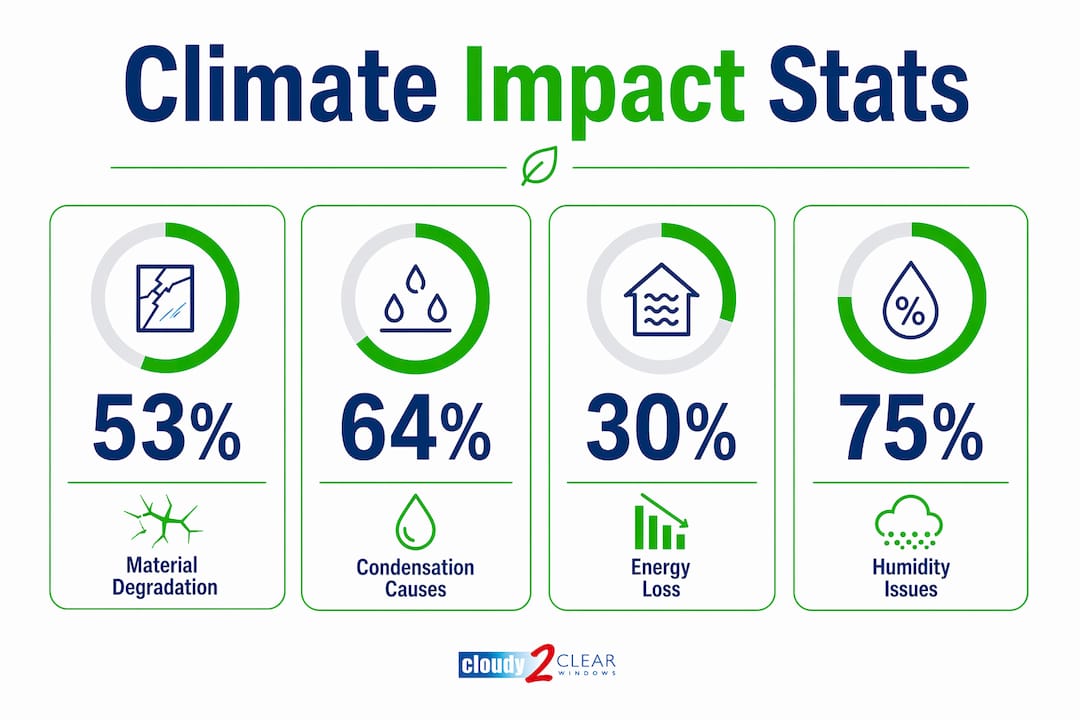
Failed seals cause roughly a 30% increase in heat loss, effectively reducing your double glazing to single glazing performance. Over a full heating season, that adds up fast.

Seal condition Heat loss level Estimated annual cost impact
Fully intact seal Low Baseline heating costs
Partially degraded seal Moderate Up to 15% increase in bills
Fully failed seal High Up to 30% increase in bills


Beyond the headline figure, draught-proofing and seal replacement saves £60 to £85 per year on average, with air leakage reduced by 15 to 20%. For a business premises with multiple windows, those savings multiply quickly.

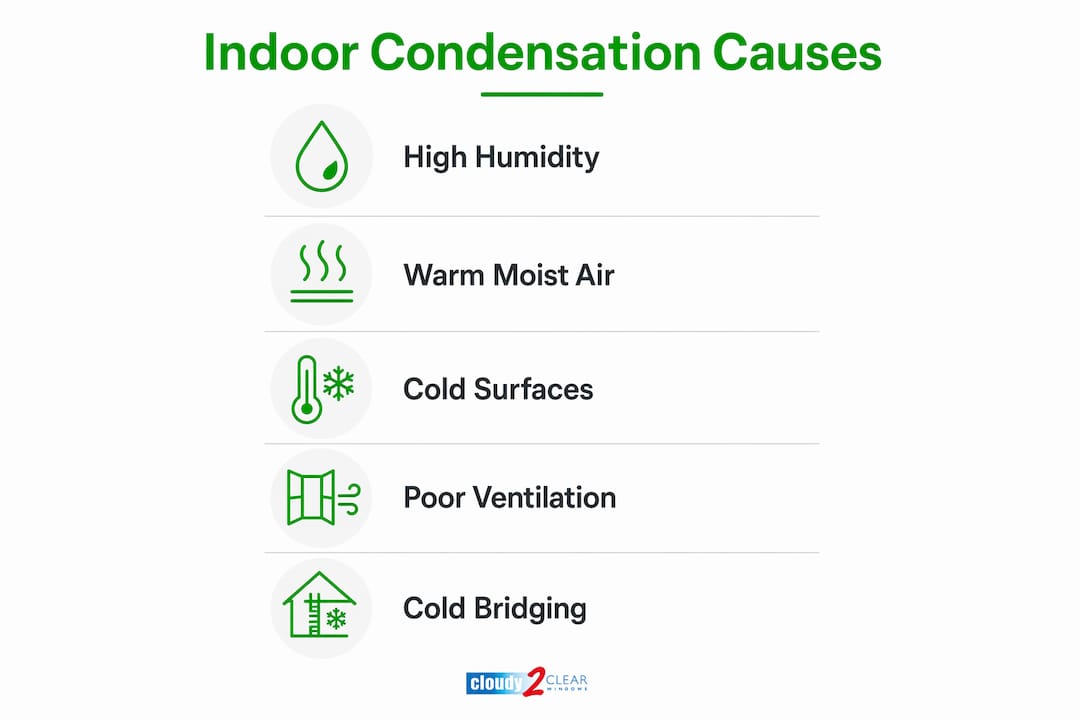
It is also worth considering comfort, not just cost. Cold spots near windows, condensation on interior glass surfaces, and the persistent feeling of a draught all point to seal problems. These are not minor inconveniences. They affect how your space feels and how much energy you consume trying to compensate.

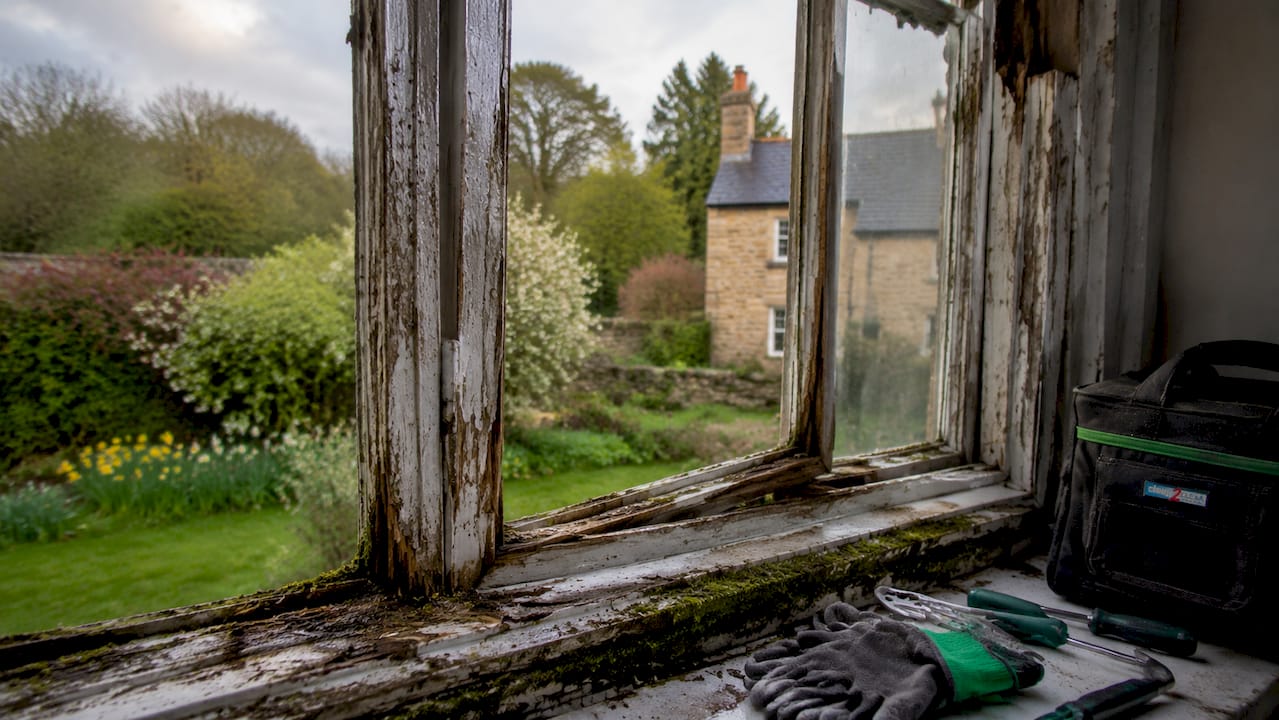
Window with condensation and repair tools


Pro Tip: Build a simple annual energy review into your property maintenance calendar. Walk around each window on a cold day with a lit candle or incense stick held near the frame. Any flickering near the edge indicates air movement, which is a reliable sign your seals need attention. Catching this early can save you considerably more than the cost of a repair.

The energy savings from new seals are well documented, and the investment in repair or replacement is typically recovered within a single heating season for most UK properties.

When and why do window seals fail?

Understanding what can go wrong is key to preventing major surprises. Window seals do not last forever, and several factors can shorten their working life considerably. Knowing the causes helps you stay one step ahead.

Seals typically last 10 to 20 years but degrade faster in the UK climate, where temperature fluctuations and persistent moisture put seals under constant stress. Annual inspection is strongly recommended.

The most common causes of seal failure include:

  1. Age and natural wear — All sealant materials become brittle and lose flexibility over time.
  2. UV exposure — Prolonged sunlight breaks down rubber and foam compounds, causing cracking.
  3. Poor original installation — If the seal was not applied correctly from the start, it will fail prematurely.
  4. Harsh weather cycles — Repeated freezing and thawing causes expansion and contraction that weakens the seal bond.
  5. Cleaning with harsh chemicals — Abrasive or solvent-based cleaners strip protective coatings and accelerate deterioration.
  6. Physical damage — Knocks, scrapes, or pressure on the frame can compromise the seal at specific points.

The warning signs to watch for are straightforward. Condensation trapped between the panes is the most obvious indicator. Visible gaps, cracks, or discolouration around the seal perimeter are also red flags. Rising heating bills without an obvious cause, or persistent cold draughts near windows, both suggest the seal is no longer doing its job.

Pro Tip: Once a year, run your hand slowly around the inside edge of each window frame on a cold morning. Any sensation of cool air moving across your skin indicates a gap that needs addressing. This takes less than five minutes per room and could save you hundreds over the winter.

For a detailed breakdown of the different ways seals can deteriorate, the guide to seal failure types is worth reading alongside this article on causes and prevention.

Sealing solutions: Materials, maintenance, and upgrades

Once you can spot a failing seal, the next step is knowing your options for repair or improvement. The good news is that there is a range of practical solutions available, from quick DIY fixes to professional replacements.

Draught-proofing seals reduce air leakage by 15 to 20%, saving between £60 and £85 per year on heating costs. The three main materials used are brush seals, foam seals, and EPDM rubber seals.

Material Best use Durability Cost
Foam seal Casement windows, irregular gaps Low to medium Low
Brush seal Sash windows, sliding frames Medium to high Medium
EPDM rubber All window types, exposed locations High Medium to high


EPDM (ethylene propylene diene monomer) rubber is particularly well suited to the UK climate because it resists UV degradation and handles temperature extremes without cracking. For most residential and commercial properties, it offers the best balance of performance and longevity.

For ongoing maintenance, these steps will help extend the life of your seals:

  • Clean window frames and seals with mild soapy water, never solvent-based products
  • Inspect seals visually each spring and autumn for cracks, shrinkage, or gaps
  • Apply a silicone-based conditioner to rubber seals annually to keep them supple
  • Check that drainage channels in the frame are clear to prevent water pooling near the seal

Repair is a reasonable option when damage is localised and the frame itself is sound. However, if the glazed unit is fogged, the seal has failed internally and the entire unit needs replacing rather than patching. Our guides on draught-proofing tips, window leak fixes, and double glazing lifespan cover each scenario in more detail.

Professional help is the right call when you notice multiple failed units, structural movement in the frame, or when DIY repairs have not resolved the problem after one heating season.

A new mindset: Window seals as your first line of defence

After nearly two decades working with homeowners and commercial clients across England and Scotland, we have noticed a consistent pattern. Window seals are almost always treated as an afterthought. People invest in new boilers, insulate their lofts, and switch energy tariffs, yet they walk past draughty windows every day without connecting the two.

The uncomfortable truth is that no amount of boiler efficiency compensates for heat escaping through a failed seal. You are essentially heating the outdoors. The mindset shift we encourage is simple: treat your window seals the same way you treat your boiler service. Annual attention, not reactive repair.

Small issues caught early cost a fraction of what a full unit replacement demands. We have seen properties where ignored seals led to frame rot, damp ingress, and mould, problems that cost thousands to put right. None of that starts dramatically. It starts with a seal that nobody checked.

Our double glazing care tips outline a straightforward annual routine that takes very little time but makes a real difference to the long-term performance of your windows.

Expert help for lasting comfort and savings

If your windows are showing signs of seal failure, professional advice makes a real difference. At Cloudy2Clear Windows, we have been helping homeowners and businesses across England and Scotland since 2005, and we understand that every property has different needs.

https://www.cloudy2clearwindows.co.uk


Whether you need a single unit replaced or a full double glazing replacement programme across your property, our accredited team can assess your situation and recommend the most cost-effective solution. We also work extensively in the commercial fenestration sector, helping businesses reduce energy overheads and maintain comfortable working environments. Get in touch today for tailored advice or a no-obligation quote from a team that genuinely knows windows.

Frequently asked questions

How do I know if my window seals have failed?

Look for condensation between panes, visible cracks or gaps around the frame edge, and persistent draughts near the window. These are the clearest indicators that the seal is no longer working.

How long should window seals last in the UK?

Most seals last 10 to 20 years under normal conditions, but the UK climate can shorten that lifespan. Annual inspection helps you catch deterioration before it becomes a costly problem.

Will replacing seals really cut my heating bills?

Yes. Replacing a failed seal can reduce heat loss by 30%, which translates directly into lower heating costs over the course of a year.

What materials work best for draught-proofing window seals?

Brush, foam, and EPDM rubber seals are the most effective options for reducing air leakage. EPDM rubber offers the best durability for UK weather conditions.

7 best practices for double-glazed window care in 2026

Neglecting your double-glazed windows costs far more than most homeowners realise. Beyond the visual decline, poorly maintained windows quietly drain your energy budget and chip away at your property’s value. Proper care can extend window lifespan by up to seven years and cut energy bills by 15 to 30%. For homeowners and property managers across England and Scotland, that is a meaningful saving. This guide walks you through seven researched, practical steps to protect your investment, improve comfort, and avoid expensive surprises.

Inspect seals biannually to prevent costly problems

Seal inspections are the foundation of any solid window maintenance routine. Most people only notice a problem when condensation has already formed between the panes, and by that point, the seal has already failed. Catching issues early is the difference between a modest repair bill and a full window replacement.

During each inspection, look out for these warning signs:

  • Fogging or condensation trapped between the two panes of glass
  • Visible cracks, splits, or gaps along the rubber seal
  • Draught felt around the frame edges when windows are closed
  • Discolouration or soft spots on the frame near the seal

According to double glazing care guidance for 2026, early detection of seal issues can reduce replacement costs by up to 80% and prevents a 20 to 30% drop in energy efficiency. That is a compelling reason to take 10 minutes twice a year.

Understanding the window seal failure signs before they worsen helps you act quickly. If you do find damage, replacing window seals promptly restores thermal performance without the cost of a full unit.

Pro Tip: Set calendar reminders every spring and autumn to carry out your seal inspections. Consistent timing means you catch seasonal damage before it escalates.

Clean windows regularly to maintain clarity and longevity

After inspecting seals, keeping the glass and frames clean is the next vital step for performance and aesthetic appeal. Dirt, grime, and mould spores accumulate over time, particularly in areas with high rainfall or pollution. Left unchecked, they can degrade uPVC frames and obscure the clarity of the glass.

Follow this simple cleaning routine to protect your windows:

  1. Mix a small amount of washing-up liquid with warm water.
  2. Use a soft microfibre cloth to wipe down the glass in circular motions.
  3. Rinse with clean water to remove any soapy residue.
  4. Dry thoroughly with a separate dry microfibre cloth to prevent streaking.
  5. Wipe frames with a damp cloth, avoiding abrasive pads that scratch uPVC.

Not all cleaning products are equal. Here is a quick comparison:

Cleaning method Suitable for double glazing Risk level
Warm soapy water Yes Low
Specialist uPVC spray Yes Low
Ammonia-based cleaners No High (degrades seals)
Abrasive cloths or pads No High (scratches glass)


Well-maintained uPVC windows last 20 to 35 years, and proper cleaning alone can add up to seven years to that lifespan. For a thorough walkthrough, the double glazing cleaning steps guide covers every detail. You can also find broader advice in this window maintenance guide.

Pro Tip: Always use a microfibre cloth rather than paper towels or standard cloths. Microfibre lifts dirt without scratching and leaves a streak-free finish.

Ventilate while draught-proofing for health and efficiency

With glass clarity assured, the next concern is internal air quality and thermal performance. Many homeowners seal their windows tightly in winter to keep warmth in, but blocking all airflow creates its own problems. Trapped moisture leads to condensation, and condensation leads to mould.

Here is how to strike the right balance:

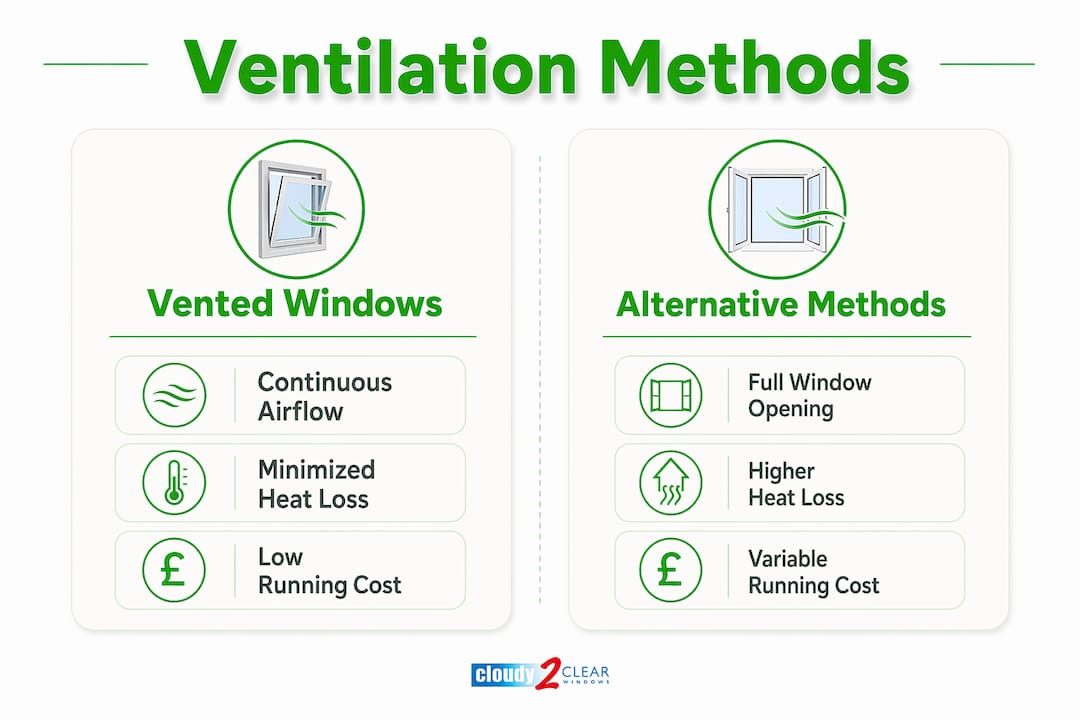
  • Use trickle vents (small openings built into the window frame) to allow a controlled flow of fresh air without losing significant heat.
  • Run extractor fans in kitchens and bathrooms to remove moisture at the source.
  • Open windows briefly in the morning and evening to refresh indoor air without a major temperature drop.
  • Fit draught-proofing strips to close gaps around frames, but ensure they do not compress so tightly that the window cannot open and close freely.

The table below shows common ventilation and draught-proofing combinations:

Strategy Benefit Watch out for
Trickle vents Continuous fresh air Blocking with paint or dust
Extractor fans Removes moisture quickly Running costs if overused
Draught-proofing strips Reduces heat loss Over-tightening hindering operation
Brief window opening Low-cost air refresh Forgetting to close in cold weather


Ensuring ventilation via trickle vents or brief window opening prevents internal condensation and mould while complementing draught-proofing. You will find practical ventilation tips and detailed draught-proofing advice to guide your choices.

Pro Tip: Open windows briefly each morning, even in winter. Just five minutes refreshes the air and reduces moisture build-up without noticeably cooling your home.

Lubricate moving parts to prevent misalignment and corrosion

Maintaining clear air and efficient seals is important, but attention must also shift to window hardware, the cornerstone of smooth operation. Hinges, handles, and locking mechanisms take daily wear. Without regular lubrication, they stiffen, corrode, and eventually misalign, causing windows to close improperly and compromising security.

Follow these steps to lubricate your window hardware correctly:

  1. Open the window fully to access all hinge points and moving parts.
  2. Wipe away any old grease, dirt, or rust with a dry cloth.
  3. Apply a silicone-based lubricant sparingly to hinges, handles, and lock mechanisms.
  4. Open and close the window several times to distribute the lubricant evenly.
  5. Wipe away any excess to prevent residue build-up.

Why silicone-based lubricant? WD40 is a water displacer, not a long-term lubricant. It can actually attract dirt over time and degrade rubber seals. Silicone-based products are safe for uPVC, rubber, and metal components alike.

Lubricating hinges and locks annually with silicone-based lubricant prevents stiffness, misalignment, and corrosion, especially in coastal areas where salt air accelerates wear. If you live near the sea, consider lubricating every six months rather than once a year. For broader guidance, this double-glazed window maintenance resource covers hardware care in full.

Person lubricating double-glazed window hinges

Prioritise repairs over replacement for failed seals and panes

Proper care minimises risk but, when faults occur, knowing your options for repair or replacement is essential. The most common fault you will encounter is condensation forming between the panes. This means the inert gas (usually argon) that provides insulation has escaped through a failed seal. Once this happens, the insulating layer is gone and cannot be restored by cleaning.

Repairing a failed seal costs £150 to £300, which is significantly less than replacing an entire window unit. Here is a straightforward comparison:

Option Approximate cost Best suited for
Seal repair £150 to £300 Early-stage seal failure
Sealed unit replacement £200 to £500 Persistent condensation
Full window replacement £500 to £1,500+ Structural damage or outdated frames


Repair pros and cons at a glance:

  • Repair pros: Lower cost, quicker turnaround, preserves existing frame
  • Repair cons: Not always possible for severe damage, may need repeating
  • Replacement pros: Fresh warranty, improved energy ratings
  • Replacement cons: Higher cost, longer installation time

‘Attempting repairs yourself may void window warranties or worsen problems.’

For a clear breakdown of what goes wrong and when, the seal failure guide is an excellent reference. If you suspect water ingress, the fixing window leaks guide will help you identify the source.

What most window care advice misses: the DIY vs. professional divide

Most window care guides present every task as something you can handle yourself with a cloth and a tube of lubricant. That is not entirely wrong, but it glosses over a genuinely important divide. Some tasks are perfectly suited to DIY. Others, if done incorrectly, can void your warranty, worsen the damage, or create safety risks.

DIY is reliable for cleaning, lubricating hardware, and carrying out visual checks. These are low-risk, repeatable tasks that any homeowner can manage safely. But the moment you notice condensation between panes, visible seal damage, or a window that no longer closes flush, you are in professional territory.

Professionals are needed for repairs and seal replacements to avoid misalignment or voiding warranties. Draught-proofing strips must also fit gaps precisely to avoid hindering window operation, and getting that wrong is easier than it sounds.

One practical step that most guides overlook entirely: keep a maintenance log. Record every inspection, cleaning session, and repair with dates and observations. This log is not just for your own reference.

‘A good maintenance log can help prove eligibility for repairs and uphold your rights if something goes wrong.’

For anything beyond routine upkeep, explore draught-free solutions and consider calling a specialist before the problem grows.

Pro Tip: Store photos alongside your written log. Visual evidence of a window’s condition over time is invaluable when discussing warranty claims or repair options with a professional.

Trust expert repairs for lasting value

For those tasks beyond routine cleaning and checks, professional support can save time and ensure lasting results. When seals fail or condensation takes hold, the right repair restores your window’s insulating performance and protects your warranty.

https://www.cloudy2clearwindows.co.uk


At Cloudy2Clear Windows, we have been repairing and replacing double-glazed windows across England and Scotland since 2005. Whether you need a sealed unit replacement or support for a larger property, our specialists are ready to help. We also offer commercial window support for property managers overseeing multiple sites. If you are based in the Midlands, our team in Milton Keynes is on hand for fast, expert assistance. Get in touch today to protect your investment.

Frequently asked questions

How often should I inspect double-glazed window seals?

Check seals and frames every six months, ideally in spring and autumn, for signs of fogging, cracks, or gaps to prevent costly repairs before they escalate.

What should I use to lubricate window hinges?

A silicone-based lubricant is safest for uPVC windows; avoid using WD40, as it attracts dirt over time and can degrade rubber seals.

How can I balance draught-proofing with ventilation?

Use trickle vents and extractor fans alongside brief window openings to prevent condensation and mould without sacrificing warmth or comfort.

Is it better to repair or replace a failed window seal?

Repairing a failed seal is usually cheaper and restores efficiency; full replacement is only necessary when structural damage or irreparable failure makes repair impractical.

Best types of window frames for UK homes: 2026 guide

Choosing the right window frame for your home or business in England or Scotland is rarely as simple as picking a colour you like. The wrong choice can leave you with draughty rooms, rising energy bills, and a property that loses kerb appeal. With so many materials on the market, including timber, uPVC, aluminium, and composite, it can feel overwhelming to weigh up thermal performance, style, lifespan, and cost all at once. This guide cuts through the noise, walking you through the key selection criteria and the most important frame types, so you can make a confident, informed decision.

Key criteria for choosing window frames

Before you settle on a material, it helps to understand what you are actually comparing. Window frames are not just decorative borders. They play a direct role in how warm your home stays, how secure it is, and how much time and money you spend keeping it in good shape.

Here are the core criteria every homeowner and business owner in the UK should weigh up:

  • Thermal performance: How well the frame resists heat loss. This is measured by the U-value (lower is better). Energy efficient windows can reduce heating bills and carbon emissions, so this should sit near the top of your list.
  • Style and aesthetics: Does the frame suit your property’s character? A sleek aluminium frame might look out of place on a Victorian terrace, while timber could feel dated in a modern commercial space.
  • Durability: How long will the frame last before it needs significant attention? British weather, with its damp winters and variable temperatures, puts frames under real pressure.
  • Maintenance requirements: Some materials need annual painting or sealing. Others need little more than an occasional wipe-down. Be honest about how much upkeep you are willing to do.
  • Cost: Both upfront and long-term. A cheaper frame that needs replacing in 15 years may cost more than a pricier option that lasts 35.

The Energy Saving Trust notes that windows and doors account for a significant portion of heat lost in UK homes. That makes your frame choice a genuine financial decision, not just an aesthetic one. Poor thermal performance means your boiler works harder, your bills climb, and your comfort suffers.

Pro Tip: Before visiting a showroom, write down your top three priorities. If energy savings matter most, focus on U-values. If you are renovating a listed building, style and planning regulations may take precedence.

Timber, aluminium, and uPVC: The main types explained

Having set the main criteria, let us explore the key window frame materials you can choose from.

Timber frames have been used in British buildings for centuries. They offer a warm, classic look that suits period properties particularly well. Timber is a natural insulator, and when properly maintained, it performs well thermally. The downside is that wood requires regular painting or staining, typically every five to seven years, to prevent rot and warping. Sustainably sourced timber is also an environmentally responsible choice.

Cleaning timber window frame in living room


Aluminium frames are slim, strong, and modern in appearance. They suit contemporary homes and commercial properties where large glazed areas are desirable. Aluminium is extremely durable and resistant to corrosion, requiring very little maintenance. However, metal conducts heat, which means aluminium frames can be less thermally efficient unless they feature a thermal break (an insulating barrier inside the frame).

uPVC frames (unplasticised polyvinyl chloride) are by far the most common choice in the UK. As noted in our guide to wood, uPVC, and aluminium, uPVC is highly popular across the UK for its cost-effectiveness and low maintenance. It insulates well, does not rot or rust, and requires minimal upkeep. The main limitation is colour choice. Traditional uPVC comes in white, and while woodgrain finishes are available, the range is narrower than timber or aluminium.

For a broader look at different window materials and how they compare in real-world settings, it is worth exploring the full range before committing.

You can also find useful window frame advice from Propertymark when buying or selling a property.

Frame type Best for Maintenance Thermal performance
Timber Period and heritage properties High Good (when sealed)
Aluminium Modern homes and commercial Low Moderate (with thermal break)
uPVC Most residential properties Very low Excellent

Composite and alternative frame options

While traditional choices dominate, some homes and businesses can benefit from less conventional frame solutions.

Composite windows combine multiple materials to offer both durability and improved thermal performance. A common configuration pairs a timber interior (for warmth and aesthetics) with an aluminium exterior (for weather resistance). This gives you the best of both worlds: the look of wood inside without the external maintenance burden.

Other alternative materials worth knowing about include:

  • Fibreglass: Extremely strong and dimensionally stable. It does not expand or contract significantly with temperature changes, which matters in Scotland’s colder climate. Fibreglass frames are more expensive but offer an impressive lifespan.
  • Steel: Used mainly in commercial and heritage settings. Steel frames are very slim and strong, allowing maximum glazing area. They are durable but can conduct cold and may require specialist maintenance.
  • Hybrid frames: These combine uPVC and aluminium, offering the insulation benefits of uPVC with the slim profile and strength of aluminium. A growing option for homeowners who want modern aesthetics without sacrificing energy efficiency.

For a detailed composite window comparison, Homebuilding & Renovating offers a thorough breakdown of how these materials stack up in real projects.

Alternative frames tend to suit specific scenarios. If you own a listed building, composite or steel may satisfy planning requirements while still improving performance. For commercial properties where large glazed facades are needed, steel or aluminium hybrids often make more sense than uPVC.

Pro Tip: Do not dismiss composite frames on price alone. When you factor in reduced maintenance costs and a longer lifespan, the total cost of ownership often compares favourably to cheaper alternatives over a 20 to 30 year period.

Comparing window frame performance and cost

With each frame material’s basics covered, it is crucial to weigh them directly. Here is how the main types stack up across the factors that matter most.

Frame type Insulation Security Lifespan Upfront cost Maintenance cost
Timber Good Good 20-30 yrs Medium High
Aluminium Moderate Excellent 30-45 yrs High Low
uPVC Excellent Good 20-35 yrs Low Very low
Composite Excellent Excellent 30-40 yrs High Low
Fibreglass Excellent Excellent 40+ yrs Very high Very low


As our frame material comparison makes clear, window material impacts not just the appearance but also the lifespan and upkeep needed. The energy savings from window materials can be significant over time, particularly in older properties with single glazing or degraded frames.

Here are the scenarios where each frame type tends to perform best:

  1. Heritage look on a budget: Timber frames suit period properties and conservation areas, though you must budget for ongoing maintenance.
  2. Modern, low-upkeep home: uPVC offers the best balance of cost, insulation, and ease of care for most residential properties.
  3. Contemporary commercial space: Aluminium or steel frames allow slim sightlines and large glazed areas suited to offices and retail.
  4. Eco-conscious renovation: Composite or fibreglass frames offer long lifespans and strong thermal performance, reducing your environmental footprint.
  5. Listed building or conservation area: Timber or composite frames are more likely to meet planning requirements while still delivering improved performance.

Weather also plays a role. Properties in northern Scotland face harsher winters and more wind-driven rain than those in the south of England. In those conditions, frames with the best thermal performance and weather sealing, such as composite or uPVC, often make the most practical sense.

How to maintain and upgrade your window frames

To make the most of your window frame choices, proper care and timely upgrades are crucial.

Each material has its own maintenance rhythm. Timber frames need the most attention. Check them annually for signs of rot, peeling paint, or gaps in the sealant. Sand and repaint or re-stain every five to seven years to keep moisture out. uPVC frames are far simpler. Wipe them down with a mild detergent solution twice a year and check the rubber seals for cracking. Aluminium frames benefit from an occasional clean and a check of the drainage holes, which can block and cause water ingress.

Well-maintained windows last much longer and perform better over time. Small issues, if caught early, rarely require full replacement.

Watch out for these warning signs that suggest your frames may need professional attention or replacement:

  • Draughts around the frame edges, even when the window is closed
  • Condensation between the glass panes (a sign of failed double glazing seals)
  • Frames that are visibly warped, cracked, or rotting
  • Difficulty opening or closing the window smoothly
  • Rising energy bills without another obvious cause

If you notice any of these, it is worth consulting a professional window repair specialist before the problem worsens. Sometimes a repair is all that is needed. In other cases, a full upgrade becomes the more cost-effective route. The Federation of Master Builders offers practical guidance on when to repair versus replace.

For ongoing window frame maintenance tips, our detailed guide covers everything from cleaning routines to spotting early damage.

Pro Tip: Preserving your frames is not just about function. Well-kept windows contribute directly to kerb appeal and property value. A tired, peeling frame can knock thousands off a buyer’s first impression.

A practical perspective on choosing window frames

After nearly two decades of helping homeowners and businesses across England and Scotland, we have noticed a pattern. Most people start their search focused on one of two things: how the frame looks, or how much it costs upfront. Both matter, but neither should be the deciding factor on its own.

The homeowners who end up most satisfied are those who think ahead. They ask: what will this cost me in maintenance over the next 20 years? How will it perform in winter? Will it still look right if I extend the property? These are the questions that reveal real value.

We have seen properties where cheap uPVC was fitted without proper specification, leading to condensation problems within a decade. We have also seen timber frames that, with the right care, have outlasted the people who installed them. The material is only part of the story. Specification, installation quality, and ongoing care complete the picture.

If you are unsure where to start, reading about the reasons to upgrade your double glazing can help you see the bigger picture before you commit to a frame type.

Reliable window frame solutions and expert advice

Understanding your options is the first step. Taking action is what protects your home, your energy bills, and your comfort.

https://www.cloudy2clearwindows.co.uk


At Cloudy2Clear Windows, we have been helping homeowners and businesses make smart window decisions since 2005. Whether you need a broken window repair service or a full frame replacement, our network of local specialists is ready to help. If you are based in the Milton Keynes area, our team offering window repairs in Milton Keynes can provide a no-obligation inspection and tailored advice. We cover both residential and commercial properties, so whatever your situation, we can point you in the right direction. Get in touch today for a quote or to arrange a professional assessment of your frames.

Frequently asked questions

What is the best window frame material for energy efficiency?

uPVC and composite frames are known for excellent thermal performance, making them the top choices for energy efficiency in most UK homes and businesses.

How often should window frames be replaced?

Most quality window frames last 20 to 35 years, though durability and expected lifespan vary by material and care level, so some may need attention sooner if poorly maintained.

Which window frame is best for traditional or listed buildings?

Timber frames are usually recommended for heritage and listed properties, as timber remains the preferred choice for heritage buildings due to their authentic appearance and regulatory acceptance.

Can you upgrade frames without replacing the whole window?

In many cases, yes. Upgrades and repairs can extend window lifespan and boost efficiency, though a professional assessment is needed to confirm what is suitable for your specific frames.

Eco-friendly window options: Save energy and cut costs

Most people assume that more glass panes automatically means a greener window. It is an easy assumption to make, but it misses the bigger picture entirely. True eco-friendly performance comes from the combination of glazing, frame material, installation quality, and long-term durability. A-rated double glazing saves £140 per year and reduces CO2 by 380kg compared to single glazing in a typical semi-detached home. That is a significant saving, and it does not always require the most expensive option on the market. This guide will walk you through everything you need to know to make a genuinely sustainable choice for your home or business in England or Scotland.

What makes a window eco-friendly?

An eco-friendly window is one that minimises heat loss, reduces energy demand, and ideally has a low environmental impact across its entire lifespan. Understanding a few key terms will help you compare products with confidence.

The most important measure is the U-value, which tells you how much heat passes through a window. The lower the U-value, the better the insulation. Alongside this, the British Fenestration Rating Council (BFRC) provides an energy rating from A++ down to E, similar to the labels you see on household appliances. A-rated windows and above represent a strong baseline for most UK properties.

Several technologies work together to improve the energy efficiency of windows:

  • Low-E coatings: A near-invisible metallic layer on the glass that reflects heat back into the room
  • Gas fills: Argon or krypton gas between panes slows heat transfer far better than air alone
  • Warm-edge spacers: Insulating strips around the glass edge that reduce cold bridging
  • Double and triple glazing: Low-E coatings and gas fills reduce heat loss by improving U-values significantly

There is also the concept of embodied carbon, which refers to the CO2 produced during manufacturing, transport, and installation of the window itself. A window with a low U-value but made from energy-intensive materials may not be as green as it first appears.

Feature Benefit Impact on U-value
Low-E coating Reflects internal heat Reduces by up to 0.5 W/m²K
Argon gas fill Slows heat transfer Reduces by 0.1–0.2 W/m²K
Warm-edge spacer Cuts cold bridging Marginal but consistent gain
Triple glazing Extra insulation layer Can reach below 0.8 W/m²K


Pro Tip: Always ask for the whole-system BFRC rating rather than just the glazing specification. A high-spec pane in a poorly insulated frame will underperform every time.

Double vs triple glazing: Which is right for you?

Now that you know what makes a window eco-friendly, let us explore how double and triple glazing compare in practice.

Double glazing remains the most widely fitted option across UK homes and businesses, and for good reason. When specified correctly with low-E coatings and argon fills, it delivers excellent thermal performance at a reasonable cost. Triple glazing adds a third pane and a second gas-filled cavity, pushing U-values lower still. However, the gains are not always proportional to the extra investment.

Heat loss reduction sits at 60–70% for double glazing and 70–80% for triple glazing compared to single glazing. That 10% difference matters more in some situations than others.

Glazing type Typical U-value Annual bill saving CO2 reduction
Single glazing 4.8–5.8 W/m²K Baseline Baseline
A-rated double 1.2–1.6 W/m²K Up to £140/year Up to 380kg/year
Triple glazing 0.6–1.0 W/m²K Marginal extra gain Marginal extra gain


Infographic comparing window glazing types and savings


A-rated double glazing typically reduces energy bills by 15–20% compared to older single-glazed units. Triple glazing can go further, but the returns diminish quickly unless your home already has excellent wall and roof insulation.

Here is how to decide which option suits you:

  1. Check your existing insulation first. Triple glazing in a poorly insulated home will not deliver its full potential.
  2. Consider your location. Colder, more exposed areas of Scotland may benefit more from triple glazing than milder southern regions.
  3. Set a realistic budget. Triple glazing typically costs 20–30% more than equivalent double glazing.
  4. Prioritise carbon if that is your goal. If reducing your carbon footprint is the priority, high-quality double glazing options often deliver the best value per kilogram of CO2 saved.
  5. Read our triple glazing guide if you are seriously considering the upgrade and want a full breakdown.

Sustainable window frame materials

Glazing is only one part of the story. The frame material you choose has a significant effect on the overall sustainability of your windows.

Timber and aluminium-clad frames are generally preferred for eco-focused projects because they balance low embodied carbon, longevity, and aesthetics. uPVC remains a popular choice for budget-conscious buyers who want low maintenance. Each material has genuine strengths and real trade-offs.

Worker inspecting sustainable window frame in workshop


Frame material Embodied carbon Lifespan Recyclability
Timber (FSC-certified) Low 30–60 years Biodegradable
Aluminium-clad timber Low to medium 40–60 years Highly recyclable
uPVC Medium 20–35 years Partially recyclable
Aluminium Medium to high 40+ years Highly recyclable


Here is a quick summary of each:

  • Timber: Excellent environmental credentials when sourced from FSC-certified forests. Requires regular maintenance but offers warmth and character. Ideal for period properties.
  • Aluminium-clad timber: Combines a timber interior with an aluminium exterior for weather resistance. A strong performer for eco-conscious builds.
  • uPVC: Affordable, low-maintenance, and widely available. Less sustainable to produce but long-lasting and increasingly recyclable.
  • Aluminium: Slim profiles and very long lifespan. High embodied carbon at manufacture, but the material is almost infinitely recyclable.

Pro Tip: If sustainability is your priority, look for FSC certification on timber frames and ask your installer about end-of-life recycling options. Sourcing from UK or European suppliers also reduces transport emissions meaningfully.

Practical tips for choosing and maintaining eco-friendly windows

Having covered design and materials, it is crucial to understand how installation and upkeep affect lasting results.

Even the best window will underperform if it is poorly fitted. Draughts around the frame, inadequate sealing, and missing ventilation features can all undo the benefits of premium glazing. Here is a straightforward checklist to guide your decision:

  1. Check the BFRC rating. Aim for A or above for the whole window unit, not just the glass.
  2. Choose the right frame material for your budget, maintenance appetite, and environmental priorities.
  3. Verify your installer’s credentials. FENSA or CERTASS registration means the installation meets building regulations automatically.
  4. Specify trickle vents. Airtight windows need trickle vents to prevent condensation and maintain healthy indoor air quality.
  5. Ask about guarantees. A reputable installer will back both the product and the window installation with a meaningful warranty.

Once installed, maintaining your windows properly extends their lifespan and keeps them performing at their best. Clean frames and drainage channels regularly, check seals annually, and address any fogging between panes promptly as it signals a broken seal and reduced thermal performance.

Common mistakes that undermine eco-friendly windows include:

  • Ignoring installation quality and focusing only on the product spec
  • Omitting trickle vents, which leads to condensation and mould
  • Skimping on frame quality while investing heavily in premium glazing
  • Failing to maintain seals, which allows heat to escape over time

Upgrading to A-rated windows can reduce your energy bills by 15–20% and cut CO2 emissions by 380–680kg per year, depending on your home’s size and existing glazing. That is a meaningful contribution to both your finances and the environment.

Why whole-system thinking is the real eco win

After years of working with homeowners and businesses across England and Scotland, we have noticed a pattern. People focus intensely on glazing specifications while overlooking the factors that often matter more: how the window is fitted, what the frame is made from, and how long the whole unit will last before needing replacement.

A triple-glazed unit with a poorly sealed frame and a short lifespan can have a worse lifetime carbon footprint than a well-fitted, whole-system window using quality A-rated double glazing. The whole-system approach that accounts for frame, glazing, installation, and end-of-life recyclability consistently outperforms a fixation on pane count alone.

For most UK properties, the sweet spot is high-quality A-rated double glazing in a durable, responsibly sourced frame, installed by a qualified professional. Triple glazing is genuinely worthwhile in specific circumstances, particularly in exposed locations or highly insulated new builds. But do not let the pursuit of the highest specification distract you from getting the fundamentals right. A well-fitted, well-maintained window will always outperform a poorly installed premium one.

Upgrade to modern, eco-friendly windows with trusted experts

If you are ready to improve your home or business with windows that genuinely deliver on energy efficiency and sustainability, we are here to help. At Cloudy2Clear Windows, we have been installing, repairing, and replacing double glazed windows since 2005, working with both homeowners and commercial clients across England and Scotland.

https://www.cloudy2clearwindows.co.uk


Whether you need a full replacement, a repair to a failed unit, or advice on the most sustainable option for your property, our local teams are ready to assist. Our Milton Keynes glazing experts are just one example of the regional support we provide. We also offer dedicated commercial window solutions for businesses looking to reduce running costs and meet sustainability commitments. Get in touch today for a no-obligation assessment.

Frequently asked questions

Do eco-friendly windows really lower energy bills?

Yes. Replacing old single glazing with A-rated windows saves £140/year and can reduce energy bills by 15–20%, making the investment worthwhile for most UK properties.

Is triple glazing always better than double glazing?

Not always. Triple glazing offers lower U-values, but diminishing returns are common beyond A-rated double glazing for most UK homes, especially where wall and roof insulation is not already excellent.

Which window frame materials are considered most sustainable?

Timber and aluminium-clad frames have the lowest embodied carbon when responsibly sourced, though uPVC offers practical advantages for those prioritising budget and low maintenance.

What certifications should I look for when choosing eco-friendly windows?

Look for BFRC ratings of A or above, FSC certification on any timber frames, and FENSA or CERTASS registration from your installer to ensure the work meets building regulations.