• USP Logo Icon
    25 Year Guarantee
  • USP Leaf Icon
    Latest ECO Friendly Technology
  • USP Pointer Icon
    National Coverage
Get a FREE quote

Common window myths UK homeowners should stop believing

There are quite a few common window myths circulating among UK homeowners and business owners, and believing them can cost you real money. From leaving windows ajar during storms to assuming more glass panes always means better insulation, these misconceptions shape poor decisions about maintenance, repairs, and replacements. Getting the facts straight protects your property, lowers your energy bills, and helps you spend wisely on window care. This article sets the record straight on the myths about windows that cause the most harm.

1. Cracking windows during storms equalises pressure

This is one of the most persistent window replacement myths in circulation. The idea is that opening a window slightly during a storm relieves air pressure inside your home, preventing structural damage. Meteorologists confirm that opening windows during storms actually lets in high winds and debris, making internal damage significantly worse.

Keeping your windows firmly closed during severe weather is the correct approach. Closed windows maintain the structural integrity of your home by preventing wind from getting underneath roof structures and lifting them. The real protection comes from:

  • Checking that window locks and handles are fully functional before storm season
  • Inspecting frames for gaps or weakness that could let in wind-driven rain
  • Fitting external shutters if your property is in a particularly exposed location

Fact: Tape across glass panes offers no meaningful protection either. Over 50% of people mistakenly believe taping windows helps during storms. Experts recommend shutters or plywood boards as the only reliable physical barriers.

The bottom line is that keeping windows shut and well maintained before bad weather arrives is far safer than any pressure equalisation strategy.

2. Cleaning windows in direct sunlight gives better results

Many homeowners assume that bright sunshine is ideal for window cleaning. In reality, cleaning windows in direct sun causes cleaning fluid to dry too quickly on the glass, leaving spots and streaks rather than a clear finish. Window cleaning experts consistently recommend overcast days or early mornings for the best results.

Follow these steps for cleaning that actually works:

  1. Choose a cloudy day or work in the shade when the glass is cool to the touch.
  2. Use a soft squeegee or microfibre cloth rather than newspaper, which can scratch modern coatings.
  3. Mix a small amount of washing-up liquid with warm water rather than using harsh chemical sprays.
  4. Work from the top of the window downward to avoid dripping onto already-cleaned areas.
  5. Dry the edges of the frame with a separate cloth to stop moisture sitting against the seal.

This matters beyond appearance. Harsh cleaning products or abrasive materials can degrade the coatings on modern double glazed units, reducing their UV protection and thermal performance over time.

Pro Tip: If you notice a milky or hazy appearance between your glass panes that cleaning does not shift, this is condensation inside a failed sealed unit. No amount of cleaning will fix it. You need a glass replacement, not a different cleaning product.

3. Repair is always cheaper than replacement

This is one of the most common misconceptions about windows that costs property owners money in the long run. The truth is more nuanced. Sometimes repair is the right call. Other times, repeated repairs on the same window add up to more than a straightforward replacement would have cost.

Handyman inspecting cracked bedroom window pane


Situation Recommended action
Single cracked pane, frame intact Repair or replace pane only
Foggy glass between panes Replace sealed unit
Rotting or warped frame Full window replacement
Multiple failed windows in one area Replacement likely more cost-effective
Failed hardware (handles, hinges) Repair


Specialists identify subtle failure points such as rot and persistent leaks that, if left unaddressed through repair-only approaches, lead to costly wall damage. The key is an honest cost assessment rather than a default assumption either way.

Key warning signs that point toward replacement rather than repair:

  • Daylight visible around the edges of a closed window frame
  • Condensation consistently forming between the panes of a double glazed unit
  • Multiple windows on the same side of the building failing at once, which can signal a manufacturing batch fault
  • Frames that have been repaired more than twice in a short period

Pro Tip: If you have had the same window repaired two or more times within a few years, replacement is almost certainly the more cost-effective path. Repeated patchwork rarely addresses the underlying structural issue.

4. More glass panes always means better insulation

Triple glazing sounds like it must outperform double glazing in every situation. This is one of the most widely believed window insulation myths, and the reality is more layered. The number of panes is just one factor in a window’s thermal performance. Frame condition, the quality of seals, and any low-emissivity (low-e) coating on the glass all contribute significantly.

Windows account for 25 to 30% of a home’s heat loss and gain. That makes window efficiency a serious concern for UK property owners dealing with cold winters and rising energy costs.

Factor Impact on insulation
Number of panes Moderate improvement with each additional pane
Low-e coating Reflects heat back into the room in winter
Gas fill between panes (argon) Reduces heat transfer between panes
Frame material and condition Poor frames undermine even the best glass units
Seal integrity Broken seals allow moisture and heat loss


Replacing damaged seals and addressing frame deterioration can restore a significant portion of a window’s insulating performance without needing to replace the entire unit. Modern glazing technologies also offer soundproofing and UV protection that many homeowners are unaware of, making upgrades worthwhile beyond purely thermal benefits.

5. Minor leaks and cosmetic damage are not urgent problems

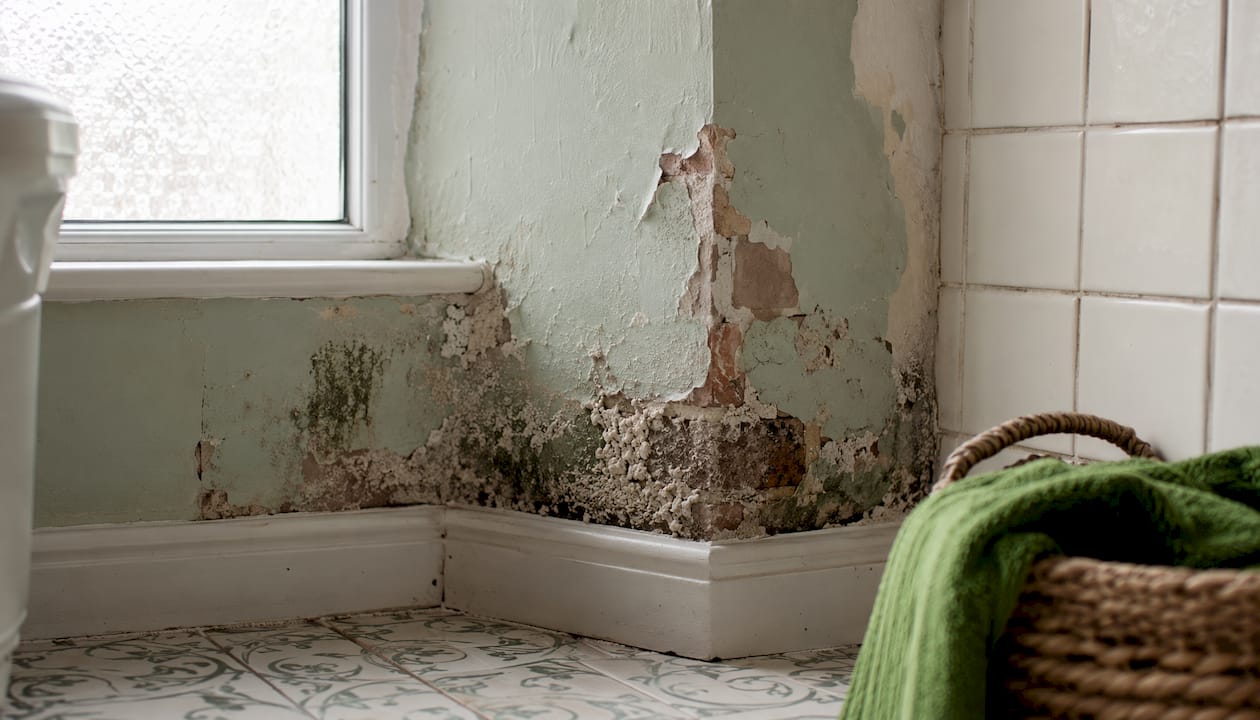
This is one of the overlooked window care misconceptions that tends to cause the most expensive damage. A small drip around a frame or a hairline crack in external paintwork can look trivial. Left unattended, both can allow water to penetrate behind window sidings and into wall cavities, causing structural deterioration that is far costlier to address than the original window fault.

Water leaking behind sidings causes serious structural damage that is often invisible until it has progressed considerably. By the time dampness appears on interior walls, the problem has usually been building for months.

Watch for these early warning signs around your windows:

  • Paint peeling or bubbling on the external frame or surrounding wall
  • A musty smell near windows, particularly after rain
  • Soft or discoloured spots on the internal wall directly below or beside a window
  • Stiffness or draught around the frame when the window is closed

Pro Tip: Run your hand around the inside edge of a closed window on a cold or windy day. Any draught you feel means the seal or frame is compromised. Catching this early can prevent costly water damage to your walls and insulation.

The UK climate, with its frequent rain and freeze-thaw cycles through autumn and winter, accelerates seal and caulk deterioration. Windows that might last longer in a drier climate need more regular inspection here. Cyclic freeze-thaw conditions degrade seals and caulk faster, making region-specific maintenance checks a practical necessity rather than optional advice.

Staying ahead of common window and door faults with regular checks costs very little. Fixing structural water damage costs a great deal more.

6. Old windows are always better than modern replacements

There is a nostalgic attachment to original timber-framed windows in older UK properties. Some homeowners believe that original windows are inherently superior or that listed building constraints make replacement impossible. Neither is entirely accurate.

Original timber frames can be beautiful and historically significant, but age alone does not make a window perform well. Single glazed units in Victorian or Edwardian frames offer virtually no thermal or acoustic insulation by modern standards. Spotting signs of window damage early in older frames is particularly important, as deterioration in timber can hide behind paint for years before becoming visible.

Where listed building consent does apply, there are now sympathetic double glazed replacement options that match original profiles closely. The assumption that nothing can be done is itself a popular window myth worth dispelling.

My perspective on window myths and what they really cost

I have seen firsthand what happens when misconceptions delay proper window care. A homeowner who holds off on replacement because they believe repair will always be cheaper ends up spending more across multiple call-outs. A business owner who assumes a fogged-up window unit just needs cleaning loses months of energy efficiency while the problem worsens.

What I have learned after years in this industry is that most window myths are rooted in outdated information or a natural reluctance to face a larger upfront cost. The reality is that timely repairs and replacements almost always cost less than reactive fixes once damage has spread.

My honest advice is this: trust what you can see and feel around your windows. Draughts, condensation between panes, stiff handles, and peeling paint are not cosmetic issues. They are signals. Responding to those signals early, with the right professional assessment, is what separates a manageable repair bill from a significant structural problem.

Debunking window myths is not just about knowledge. It is about protecting the value of your property and avoiding preventable costs.

— Cloudy2Clear Windows

How Cloudy2Clear Windows can help you

If reading through these myths has made you think about the windows in your own property, that is exactly the right response.

https://www.cloudy2clearwindows.co.uk


Cloudy2Clear Windows has been repairing and replacing double glazed windows across the UK since 2005, working with both homeowners and commercial clients. Whether you have noticed condensation between your panes, a draught around a frame, or windows that are simply well past their best, the team can assess what you actually need rather than pushing a one-size-fits-all solution. For businesses, the commercial window repair service covers everything from single unit replacements to full-site assessments. For homeowners, local branches such as Milton Keynes double glazing repairs and Leicester and Loughborough repairs offer fast, reliable service close to home. Get in touch to find your nearest branch.

FAQ

Should you open windows during a storm?

No. Opening windows during a storm increases the risk of structural damage by letting in high winds and debris. Keep all windows firmly closed and ensure locks and seals are in good condition before severe weather arrives.

How often should you clean your windows?

Most window cleaning experts recommend cleaning exterior windows every two to three months, and always on a cloudy day or in the shade to avoid streaking from rapid drying.

Is double glazing more energy efficient than triple glazing?

Not necessarily. Energy efficiency depends on the quality of seals, frame condition, and any low-e coatings. A well-maintained double glazed unit can outperform a triple glazed window with deteriorated seals or a poor-quality frame.

When should you replace rather than repair a window?

Replacement is usually the better option when frames are rotting, condensation appears consistently between panes, daylight is visible around the closed frame, or the same window has needed multiple repairs in a short period.

Can a foggy window be fixed by cleaning?

No. Fogging between the panes of a double glazed unit means the sealed unit has failed and moisture has entered. Cleaning the glass surface will not resolve it. The sealed unit or entire window needs replacing.

Commercial property window tips for UK managers

Your windows are doing more work than you probably realise. They shape how tenants, clients, and passers-by perceive your building, directly influencing lease rates and occupancy. Yet for many commercial property owners, windows sit at the bottom of the maintenance list until something goes visibly wrong. These practical commercial property window tips will help you stay ahead of compliance requirements, reduce long-term repair costs, and make your building genuinely more attractive to the tenants who matter.

1. Understand your compliance obligations first

Before you clean, upgrade, or replace a single pane, you need to know where you stand legally. UK Building Regulations require safety glazing in critical locations, including low-level glazing below 800mm from floor level and panels within 300mm of a door. These zones mandate BS EN 12600 Class 1 or Class 2 glass as a minimum.

Many property managers confuse toughened and laminated glass, assuming they are interchangeable. They are not. Toughened glass shatters into small granules on impact, while laminated glass holds together thanks to an interlayer. Each has its correct application depending on location and risk. Misunderstanding these differences leads to non-compliance and potential liability.

Two other compliance points that often get overlooked:

  • Critical location mapping. Before ordering replacement glass during any refurbishment, audit every window and door surround against Part K and Part N thresholds. Ordering standard glass for a critical location is a costly mistake.
  • Manifestation requirements. Large glazed areas in commercial buildings must have manifestation marks at 850–1000mm and 1400–1600mm above floor level to prevent people walking into them. The marks must meet minimum size and contrast standards.

Pro Tip: Commission a glazing compliance audit before any refurbishment project, not during it. Identifying critical locations in advance saves both money and programme time.

2. Set up a planned commercial window cleaning schedule

Reactive cleaning, waiting until windows look dirty before doing anything, costs you more in the long run. Scheduled cleaning reduces chemical and sealant damage by preventing long-term dirt bonding, and predictive maintenance programmes can deliver up to 40% cost savings compared to reactive approaches.

For upper-floor windows, the method matters enormously. Here is what a sound cleaning programme looks like:

  1. Assess access requirements. Determine which floors require water-fed pole equipment and which can be safely cleaned at ground level.
  2. Schedule by season. Ground-floor retail and office windows typically need cleaning every four to six weeks. Upper floors may be quarterly, depending on location and pollution levels.
  3. Use purified water systems. Water-fed pole cleaning from ground level eliminates ladder risks and delivers a streak-free finish by removing minerals that cause residue.
  4. Avoid harsh chemicals. Abrasive cleaners and strong solvents degrade frame finishes and can void manufacturers’ warranties. Use non-abrasive, pH-neutral solutions.
  5. Document each visit. A cleaning log creates accountability and provides a paper trail that supports insurance claims if water ingress or damage is later disputed.

Pro Tip: Ask your cleaning contractor to report any visible defects, cracked seals, or drainage issues during each visit. The real saving comes from spotting defects early before they turn into water ingress or mould problems.

3. Build routine inspections into your maintenance budget

Cleaning keeps windows looking good. Inspection keeps them functioning correctly. The two are not the same, and confusing them is one of the most common mistakes commercial property managers make.

Annual inspections should cover:

  • Seals and gaskets. Sealant failure is a leading cause of water ingress in commercial buildings. Check for shrinkage, cracking, or adhesion loss around every frame perimeter.
  • Drainage channels. Blocked drainage allows water to pool at the sill and forces its way into the structure. Clear channels take minutes to inspect but prevent expensive envelope repairs.
  • Frame condition. Look for micro-fractures, paint or powder-coat failure, and any signs of corrosion on metal frames.
  • Glass integrity. Edge chips and hairline cracks in the glass unit can develop over time and compromise thermal and structural performance.

Preventative re-caulking should be treated as a budgeted line item, not an emergency expense. Early detection of seal failures and drainage blockages reduces mould risk and avoids the kind of structural water damage that runs into thousands of pounds to fix. Pair your inspection schedule with your cleaning visits where possible, since a contractor already on site can triage visible issues at no extra mobilisation cost.

For selecting inspection contractors, look for those with experience in commercial glazing specifically. Domestic window companies and commercial glazing specialists operate in quite different territory. Cloudy2Clear Windows, for example, has been working across the commercial sector since 2005 and understands the compliance and performance requirements that come with it.

Technician checking window seals in office

4. Upgrade glazing to improve energy efficiency and tenant appeal

Modern glazing technology offers genuine returns for commercial landlords, and it does not always require a full window replacement to benefit. The options worth knowing about fall into two categories: upgrades to the glass unit itself, and upgrades to the frame.

Upgrade type What it does Best suited for
Low-emissivity (low-e) coating Reflects heat back into the building in winter, reducing heating bills Offices and retail units with high glazing ratios
Inert gas fill (argon or krypton) Improves thermal insulation between panes Any double or triple glazed unit due for replacement
Thermally broken frames Breaks the conductive path through metal frames, preventing heat loss Aluminium-framed commercial buildings
Window film Reduces glare, adds privacy or branding, improves shatter resistance Offices, retail fronts, reception areas
Anti-shatter security film Holds glass together on impact without full replacement Ground-floor or high-risk glazed areas


Thermally broken frames are particularly important in aluminium-framed buildings. Without a thermal break, the aluminium itself conducts cold directly through the frame, undermining even the best glass specification. This is a detail that catches many property owners off guard.

Pristine, energy-efficient facades with advanced glazing command higher lease rates and attract quality tenants. Window film, in particular, offers a cost-effective way to refresh a building’s appearance and add functionality without the disruption of a full glazing replacement. You can explore the benefits of commercial glazing in more detail to understand which upgrades give the best return for your building type.

5. Compare your maintenance and upgrade options

Not every commercial property has the same needs or budget. The table below gives you a practical overview of the main approaches, so you can prioritise where your spend goes.

Approach Typical cost Compliance impact Lifespan benefit Best for
Planned cleaning programme Low (ongoing) Maintains existing compliance Extends seal and frame life All property types
Annual inspection and re-caulking Low to medium Identifies non-compliance early Prevents costly repairs All property types
Window film application Medium (one-off) Can improve manifestation compliance 10+ years with care Retail, offices
Double glazed unit replacement Medium to high Full compliance opportunity 20+ years Units with failed seals or old glass
Full window replacement with upgrades High Full compliance achieved 25+ years Ageing or non-compliant buildings


A few points worth highlighting from this comparison:

  • Window film is often the most overlooked low-cost win. It improves aesthetics, adds privacy or branding, and can help meet manifestation requirements simultaneously.
  • Phased upgrades, replacing windows floor by floor or zone by zone, spread capital expenditure while delivering compliance and performance improvements progressively.
  • Regular professional cleaning protects manufacturers’ warranties and preserves curb appeal year-round, making it one of the highest-return ongoing investments you can make.

For a more detailed look at commercial window maintenance strategies, including how to structure a full maintenance plan, the Cloudy2Clear Windows resource covers the practical steps in depth.

Our perspective on commercial window maintenance

In my experience working with commercial properties across the UK, the most common mistake is treating window maintenance as a reactive task. A frame looks tired, a seal fails, a tenant complains about condensation, and then work gets commissioned. By that point, the cost is always higher than it needed to be.

What I have seen work consistently well is integrating cleaning and inspection into a single scheduled programme. When the same contractor cleans and inspects, small issues get flagged before they become expensive. It sounds straightforward, but the majority of commercial landlords I encounter still separate the two entirely.

I would also challenge the assumption that full window replacement is the only way to meaningfully improve a building’s performance or appearance. Window films, re-caulking, and unit-level replacements, where just the sealed glass unit is swapped rather than the entire frame, can deliver significant gains at a fraction of the cost. The key is understanding why window seals matter and addressing them before they fail completely.

My advice on contractors: ask specifically about their commercial glazing experience and their familiarity with Part K and Part N. A contractor who cannot speak fluently about critical locations and BS EN classifications is not the right choice for a commercial property, regardless of how competitive their price is.

— Cloudy2Clear Windows

How Cloudy2Clear Windows can help with your commercial glazing

Whether you manage a single commercial unit or a portfolio of properties, getting the right support makes the difference between proactive, cost-controlled maintenance and expensive reactive repairs.

https://www.cloudy2clearwindows.co.uk


Cloudy2Clear Windows has been working with commercial property owners across the UK since 2005, offering expert commercial window repair and replacement services that cover everything from compliance assessments to full glazing upgrades. If you have failed sealed units, ageing frames, or glazing that no longer meets current regulations, the team can advise on the most cost-effective route forward. For properties requiring full unit renewal, the double glazing replacement service covers both compliance and performance in a single installation. Get in touch to discuss a maintenance plan tailored to your property.

FAQ

UK Building Regulations require safety glass in critical locations, including low-level glazing below 800mm and panels near doors, using BS EN 12600 Class 1 or 2 glass. Large glazed areas also require manifestation marks at specified heights to prevent accidents.

How often should commercial windows be professionally cleaned?

Ground-floor commercial windows typically need cleaning every four to six weeks, while upper floors may require quarterly visits. Planned cleaning schedules extend window lifespan and protect sealant integrity more effectively than reactive cleaning.

What is the most cost-effective upgrade for commercial windows?

Window film is one of the most cost-effective upgrades, improving aesthetics, adding glare control or privacy, and contributing to manifestation compliance, all without requiring full glazing replacement.

How do I know if my commercial window seals need replacing?

Visible condensation between panes, water staining on frames, or draughts near closed windows are clear signs of seal failure. Annual inspections with preventative re-caulking are the most reliable way to catch seal deterioration before it causes water ingress.

What is a thermally broken frame and why does it matter?

A thermally broken frame includes a non-conductive barrier within the frame profile to prevent heat transfer. In aluminium-framed commercial buildings, frames without this break act as thermal bridges, significantly undermining the energy performance of even high-specification glazing.

How to maintain window seals effectively

Knowing how to maintain window seals is one of the most cost-effective things you can do for your home. A neglected seal does more damage than most homeowners realise. Research shows that a tiny 1/16-inch gap around a window frame allows as much cold air in as a 3-inch open window. That translates directly into higher energy bills, persistent draughts, and the kind of condensation that quietly encourages mould. The good news is that most seal maintenance is straightforward, predictable, and well within the reach of any motivated homeowner or property manager.

How to maintain window seals: know what you are working with

Before you pick up a caulk gun, you need to understand which type of seal you are dealing with. Each one fails differently and needs a different approach.

Seal type Location Function Maintenance method
Caulk seal Frame meets wall Fills stationary gaps Remove and reapply sealant
Weatherstripping Moving sashes and tracks Seals operable window parts Clean and replace strips
Insulated glass unit (IGU) seal Between double or triple glazed panes Prevents moisture ingress between panes Professional replacement required


The golden rule here is straightforward: use caulk for stationary gaps and weatherstripping for any part of the window that moves. Getting this wrong causes real problems. Caulk applied to a moving sash will bind the window shut or crack almost immediately. Weatherstripping on a fixed frame will leave gaps because it is not designed to fill static joints.

The third type, the IGU seal, is the one most homeowners overlook entirely. This is the factory-sealed bond between the panes of glass in a double glazed unit. You cannot repair it yourself. When it fails, professional replacement is the only lasting fix, and understanding that distinction saves you from wasting time and money on DIY attempts that will not work.

Finger points to failed window glass seal


Knowing the five types of seal failures and their typical lifespans helps you prioritise where to focus your efforts first.

Hierarchy infographic of window seal failure types

Tools and preparation: getting it right before you start

Good preparation separates a seal that lasts five years from one that peels off within a season. The right timing matters as much as the right materials.

What you will need

  • Caulk gun and silicone or siliconised latex caulk (exterior grade)
  • Utility knife and putty knife for removing old sealant
  • Weatherstripping material suited to your window type (foam, V-strip, or rubber)
  • Isopropyl alcohol or a dedicated surface cleaner
  • Painter’s tape for neat lines
  • Foam backer rod for gaps larger than 6mm
  • Gloves and safety glasses
Item Purpose Approx. cost
Silicone caulk (exterior) Sealing fixed frame gaps £4 to £10 per tube
Weatherstripping (self-adhesive foam) Sealing moving window parts £5 to £15 per roll
Caulk gun Even application of sealant £6 to £20
Foam backer rod Filling large gaps before caulking £3 to £8 per pack
Putty/utility knife Removing old sealant cleanly £3 to £10


Timing is genuinely important. Schedule your inspection and any re-caulking every 18 to 24 months, ideally in early autumn before the heating season begins. Spring works well too, once temperatures are reliably mild.

Temperature is not a trivial detail. Most exterior caulks need temperatures above 4°C to bond correctly. Applying sealant in freezing or damp conditions leads to poor adhesion and early failure. Check the weather forecast and pick a dry day with stable mild temperatures.

Pro Tip: Run your hand along each window frame on a cold, windy day. You will feel any draught far more clearly than you would in still conditions, making it much easier to pinpoint exactly where the seal has broken down.

Step-by-step maintenance guide

This is where the practical work happens. Follow these steps in order and you will get a clean, durable result.

  1. Inspect every seal carefully. Look for cracked, shrinking, or missing caulk along the frame where it meets the wall. Check weatherstripping for compression, tears, or sections that have pulled away from the frame. Understanding common signs of failure early prevents small problems from becoming large ones.
  2. Remove all old caulk. Use your utility knife to score along the edges of the old sealant, then work the putty knife underneath to lift it free. Do not rush this stage. Applying new caulk over old residue without full removal leads to quick failure. The new sealant simply cannot bond through the degraded layer beneath it.
  3. Clean the surface thoroughly. Wipe the area with isopropyl alcohol or a surface cleaner and allow it to dry completely. Any moisture, grease, or dust will prevent the new caulk from adhering properly. This step is where many DIY repairs go wrong because it feels like preparation rather than the actual job. It is just as important as the caulk itself. For guidance on keeping frames clean as part of your ongoing routine, professional window cleaning advice is worth reviewing.
  4. Apply painter’s tape on both sides. This keeps your bead neat and protects the frame and wall finish. A tidy line is not just cosmetic. It tells you the caulk has been applied consistently, which matters for performance.
  5. Load and apply caulk in a single continuous bead. Hold the gun at a 45-degree angle and maintain steady pressure as you move along the joint. Aim for a bead roughly 6mm wide. Do not stop and restart mid-run if you can avoid it, as joins in the bead are weak points.
  6. Tool the bead smooth. Use a damp fingertip or a caulk smoothing tool to press the sealant into the joint and create a slightly concave profile. This improves both adhesion and water runoff. Remove the painter’s tape before the caulk skins over.
  7. Replace weatherstripping on moving parts. Remove the old strip, clean the channel or surface, and cut your new weatherstripping to length. Press it firmly into place, working from one end to the other without stretching it. Choosing the right material depends on your window style, the size of the gap, and how frequently the window is used.

Pro Tip: Never block weep holes when caulking. These small slots at the bottom of the frame are designed to drain any water that enters the frame channel. Sealing them traps moisture inside and leads to rot and structural damage over time.

Troubleshooting: condensation, large gaps, and seasonal fixes

Not every problem you encounter will be a simple caulk replacement. Some issues need a slightly different approach.

Condensation: surface or between the panes?

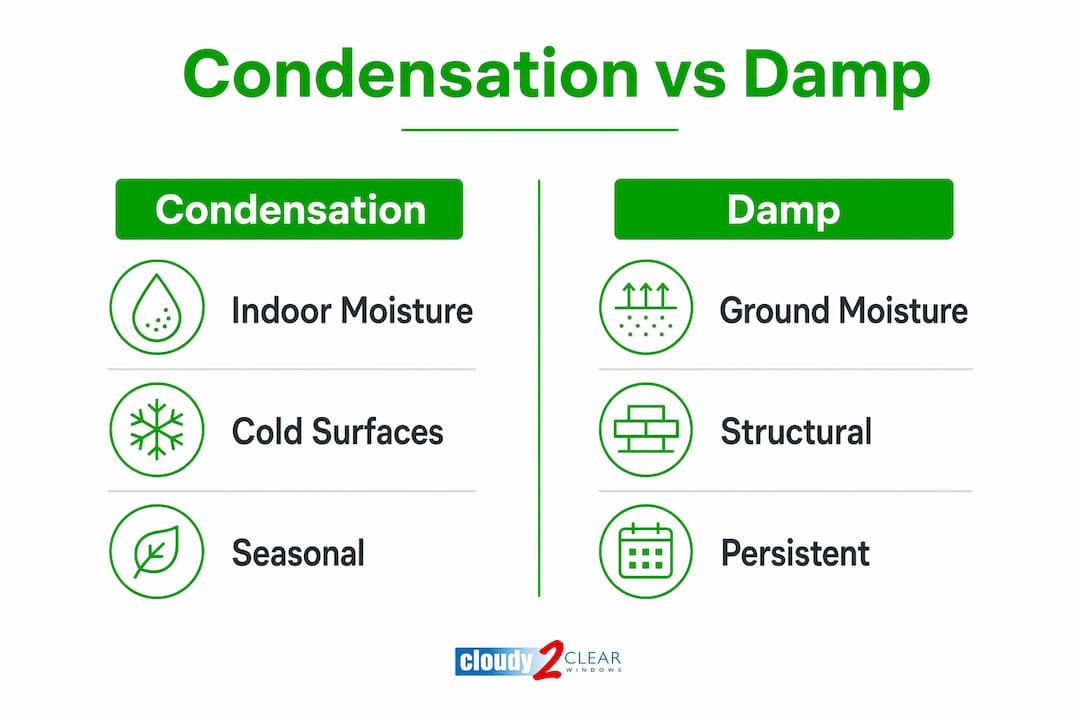
This distinction matters enormously. Condensation on the inside or outside surface of your glass is a ventilation and humidity issue, not a seal failure. Maintaining indoor humidity between 30 and 50% during the heating season prevents most surface condensation. A basic hygrometer costs under £20 and gives you a clear reading.

Condensation appearing between the panes is a completely different matter. That foggy appearance between panes means the IGU seal has failed and the inert gas fill has been replaced by moist air. You cannot fix this with caulk or weatherstripping. The glass unit needs professional replacement.

“Surface condensation is a home environment problem. Inter-pane condensation is a glazing problem. Treating them the same way wastes time and money.”

Large gaps and supplementary fixes

  • For gaps larger than 6mm, fit a foam backer rod into the gap before caulking. Backer rod creates a flexible backing that supports the caulk and prevents it from cracking under movement.
  • Low-expansion spray foam applied carefully behind internal trim can fill rough structural gaps without affecting window operation. This works well around older frames where the original installation left large voids.
  • Seasonal window insulation film kits add a secondary barrier in winter. They are not a substitute for proper seal maintenance but they make a noticeable difference to comfort in older properties.
  • Thermal curtains with a close fit to the wall reduce heat loss significantly during cold months.

For a complete guide to sealing against draughts, the fix window leaks guide covers both DIY and professional approaches in detail.

My honest take on window seal maintenance

Having worked with homeowners across the country for nearly two decades, I have seen the same pattern repeat itself. People wait until there is visible damage, a mould patch, or an energy bill that genuinely shocks them. By that point, what could have been a £15 tube of caulk and an afternoon becomes a much more involved repair.

The most common mistake I see is treating all seals as identical. Someone applies exterior caulk to the moving sash of a casement window, the window binds within weeks, and they conclude that caulk “does not work.” It works perfectly. It was just used in the wrong place.

What I have found genuinely effective is a layered approach. Sort the caulk and weatherstripping first. Then address humidity with ventilation or a dehumidifier. Then consider supplementary measures like insulation film for north-facing windows in winter. Each layer compounds the benefit of the one before it.

The benefits of timely seal replacement are not abstract. Homeowners who maintain seals proactively report more consistent room temperatures, less condensation, and noticeably lower heating costs. That is a straightforward return on a small, regular investment of time.

— Cloudy2Clear

When to call Cloudy2Clear Windows

https://www.cloudy2clearwindows.co.uk


Some seal problems genuinely exceed DIY scope. Failed IGU seals, frames with significant rot or movement, and double glazing units with persistent inter-pane fogging all need professional attention to resolve properly.

Cloudy2Clear Windows has been repairing and replacing double glazed units since 2005, with local branches across England serving both homeowners and property managers. Whether you need a double glazing repair in Oxford, a glazing repair in Leicester or Loughborough, or expert help in Milton Keynes, the team can assess the condition of your seals, replace failed glass units, and advise on the most cost-effective route forward. Homeowners in Watford and surrounding areas can also access the same professional service. Contact your nearest branch for a no-obligation assessment.

FAQ

How often should window seals be inspected?

Inspect and re-caulk window seals every 18 to 24 months, ideally in early autumn before the heating season starts or in spring once temperatures are consistently above 4°C.

What is the difference between caulk and weatherstripping?

Caulk is used to seal fixed, stationary gaps where the window frame meets the wall. Weatherstripping seals the moving parts of a window, such as the sash or casement edge, and must allow the window to open and close freely.

Can I fix inter-pane condensation myself?

No. Condensation between the panes of a double glazed unit means the IGU seal has failed. This requires professional replacement of the glass unit and cannot be resolved with DIY caulking or resealing.

What temperature do I need to apply exterior caulk?

Most exterior caulks require temperatures above 4°C to bond correctly. Applying sealant in cold or wet conditions prevents proper adhesion and leads to early failure.

How do I stop condensation on the inside of my windows?

Surface condensation on the inside of glass is usually caused by high indoor humidity rather than a seal failure. Maintaining indoor humidity between 30 and 50% through ventilation or a dehumidifier resolves most cases.

How to clean double glazing: a UK guide

Double glazed windows are one of the best investments you can make in your home, but knowing how to clean double glazing properly is a skill most people never fully develop. The result? Streaky glass, grimy frames, and the creeping suspicion that the view through your windows should look better than it does. Whether you are dealing with stubborn external dirt, condensation sitting between the panes, or frames that have seen better days, this guide walks you through the right techniques, the right materials, and how to spot when a problem goes beyond what a cloth and a bucket can fix.

What you need before you start cleaning

Getting the right materials together before you begin makes the difference between a clean window and a smeared one. Many people reach for whatever is under the sink, and that is where things go wrong.

Here is what you actually need:

  • Microfibre cloths (at least two: one for applying solution, one for buffing dry). Microfibre cloths trap dirt and moisture without leaving lint or scratches, which paper towels simply cannot match.
  • A squeegee with a clean, unscratched rubber blade.
  • A spray bottle for applying solution in a controlled, even mist.
  • A soft-bristled brush or vacuum with a narrow attachment for frames and tracks.
  • Distilled water or cooled boiled water, which avoids the mineral deposits that tap water leaves behind.
  • White vinegar (diluted: one part vinegar to four parts water) or a small amount of mild washing-up liquid in water.

What you should avoid is just as important. Ammonia-based products can damage tinted glass or window films over time, causing discolouration. Abrasive pads and scourers will scratch glass permanently. And whilst vinegar is useful, using too much or failing to rinse it off properly can leave a residue that actually attracts more dust.

Pro Tip: If you want to remove dirt from double glazing without any risk of residue, distilled water alone is often enough for light soiling and is the safest option for rubber seals around the glass.

Professional window cleaners take this even further. Pure water fed-pole systems use water filtered to remove all dissolved solids, leaving no mineral residue whatsoever. It is an option worth knowing about if your windows are particularly large or difficult to reach.

How to clean double glazing step by step

Cleaning a standard double-glazed window takes around 20 to 30 minutes when done properly. Rushing it is the main reason people end up with streaks.

Timing matters more than most people realise. Cleaning in direct sunlight causes your solution to evaporate before you can wipe it away, leaving streaks baked onto the glass. Early morning or overcast conditions give you the working time you need. This single change will improve your results immediately.

Follow these steps for both interior and exterior glass surfaces:

  1. Vacuum the frames and tracks first. Before you touch the glass, remove loose dust and debris from the surrounding frame and track with a soft brush or vacuum attachment. If you skip this, dirt will transfer back onto the glass the moment you open or close the window.
  2. Lightly mist the glass with your cleaning solution. Do not saturate the glass. A light, even spray is enough. Too much liquid runs into the frame seals and can cause long-term problems.
  3. Wipe with a microfibre cloth in straight horizontal strokes from top to bottom to lift the initial layer of dirt.
  4. Apply a second light mist and use your squeegee in an overlapping S-pattern, working from top to bottom. Wipe the squeegee blade with a clean cloth after each stroke.
  5. Buff the glass dry with a clean, dry microfibre cloth, paying attention to the edges where solution tends to pool.
  6. Check from an angle in natural light to catch any remaining streaks before they dry.

Pro Tip: For interior glass, a dry microfibre buff at the very end, using circular motions on any stubborn spots, will clear the last traces of streakiness without adding more liquid.

For upper-floor windows, many double-hung windows allow the sashes to tilt inward so you can clean the exterior glass safely from inside the room. Check whether your windows have this feature before considering ladders. If they do, press the tilt latch and bring the sash gently inward to access the outer surface.

These double glazing cleaning steps are worth bookmarking for your regular cleaning routine.

Infographic shows double glazing cleaning steps

How to clean window frames and tracks

Glass cleaning alone is not the best way to clean double glazing. Your frames and tracks do as much work visually and functionally, and neglecting them means dirt migrates back onto the glass almost immediately. If tracks and frames are not cleaned first, dirt gets redeposited onto glass during opening and closing, undoing your efforts quickly.

Different frame materials need slightly different approaches:

  • uPVC frames respond well to a solution of warm water and a small amount of washing-up liquid. Wipe with a soft cloth and rinse with clean water. Do not use cream cleaners or solvent-based products, as these cause surface dulling over time.
  • Timber frames need more care. Use a damp cloth rather than a wet one, and dry the frame promptly to prevent moisture from working into the wood grain. Inspect the paintwork or stain at the same time, as bare patches on timber frames are entry points for damp.
  • Aluminium frames are the most straightforward. Warm soapy water works well, and a dry buff at the end prevents water spotting.

For all frame types, the rubber seals around the glass deserve attention. Wipe them gently with a damp cloth to remove grime, and inspect them closely for cracking or hardening. A compromised seal is the first stage of a failing unit, and catching it early matters. For more on keeping your windows performing well over time, Cloudy2Clear Windows has guidance on maintaining double-glazed windows that goes further than cleaning alone.

When cleaning is not the answer

Cleaning double glazing window seals and frame


This is where homeowners most commonly get caught out. You clean the glass thoroughly, but the cloudiness or misting remains. That is because it is not on the surface at all.

Seal failure causes condensation and trapped dirt between the two panes of glass inside the sealed unit. No cloth, no spray, and no amount of scrubbing will reach it. The sealed unit is precisely that: sealed. The space between the panes contains an inert gas (typically argon) that provides the insulating effect, and once the seal fails, that gas escapes and moisture enters.

Here is a quick reference to help you identify what you are dealing with:


What you see Likely cause What to do
Streaks on surface Cleaning residue or technique Re-clean with correct method
Dirt on glass surface External soiling Clean with steps above
Misting between panes Seal failure Professional assessment needed
Permanent cloudiness inside panes Mineral or moisture deposit between glass Unit repair or replacement
Condensation on inside surface Poor ventilation in room Improve room ventilation


Some homeowners attempt to drill small holes into the sealed unit to dry it out or clean inside. This does not work and causes irreversible damage to the unit. The only genuine solutions to internal condensation are professional resealing, glass unit replacement, or full window replacement depending on the extent of the damage.

If you suspect seal failure, the right move is to get a professional assessment. Cloudy2Clear Windows has been diagnosing and repairing double glazing since 2005, and in many cases a unit replacement is far more affordable than a full window replacement. You can read more about realistic double glazing care tips to help extend the life of your units between professional checks.

Our take: technique beats products every time

Over the years, I have seen homeowners spend good money on specialist window cleaning sprays, only to get worse results than a bucket of diluted washing-up liquid and a proper squeegee technique. The routine maintenance with simple solutions consistently outperforms expensive chemical cleaners when the technique is sound.

The most common mistake I see is cleaning in the wrong conditions. People tackle windows on a sunny Saturday afternoon, and the solution dries faster than they can work. The resulting streaks look worse than the original dirt, and the instinct is to blame the product. Change the timing and the same cheap solution produces brilliant results.

The other misconception worth addressing is the idea that you can clean “inside” double glazing at home. I understand why people search for it. When you see misting or grime between the panes, the urge to fix it yourself is strong. But the physics of a sealed unit make DIY intervention impossible without causing further damage. Recognising that distinction early saves a lot of wasted effort and frustration.

My honest advice: build a simple cleaning routine every four to six weeks, use the right cloths and a squeegee, and do it on an overcast morning. You will be surprised how much better your windows look year-round. And when the problem is between the panes rather than on them, call someone who can actually fix it.

— Cloudy2Clear

Need professional help with your double glazing?

Even the best cleaning routine has limits. If you are dealing with persistent misting, failed seals, or damage that goes beyond surface dirt, Cloudy2Clear Windows can help.

https://www.cloudy2clearwindows.co.uk


Since 2005, Cloudy2Clear Windows has been repairing and replacing double glazed units for homeowners and property managers across the UK. Rather than replacing entire windows unnecessarily, the team identifies whether a unit repair is possible, which is typically faster and more cost-effective. Cloudy2Clear Windows serves a wide range of areas, including Oxford double glazing repairs, Milton Keynes, Watford, and Leicester. Commercial property managers are also welcome. If your windows need attention beyond a clean, get in touch with the team for an assessment.

Frequently asked questions

What is the best way to clean double glazing without streaks?

Clean on an overcast day or in the early morning to prevent solution from drying too fast. Use a squeegee in an overlapping S-pattern, then buff dry with a clean microfibre cloth.

Can I clean inside double glazed units at home?

No. The space between double glazed panes is sealed. Misting or dirt inside the unit is caused by seal failure and requires professional repair or unit replacement.

How often should I clean double glazed windows?

Every four to six weeks is a good general routine for most UK homes. Frames and tracks benefit from a light clean at the same time to prevent dirt transferring back onto the glass.

What should I avoid when cleaning uPVC window frames?

Avoid cream cleaners, solvent-based products, and abrasive pads. These dull and scratch the uPVC surface. Warm soapy water and a soft cloth are sufficient for routine cleaning.

How do I know if my double glazing needs repairing rather than cleaning?

If you see misting, cloudiness, or dirt sitting between the two panes of glass rather than on the surface, that is a sign of seal failure. Cleaning will not resolve it; a professional assessment is needed.

What is toughened safety glass? UK guide

Most people assume all glass is broadly the same. It is not. What is toughened safety glass, and why does it matter for your home or business? It is a specially treated product that performs dramatically differently from ordinary glass. Get the specification wrong, and you may be breaching UK Building Regulations without realising it. Get it right, and you have a product that is safer, stronger, and more versatile than anything standard glazing can offer. This guide covers exactly what you need to know.

What is toughened safety glass?

Toughened safety glass, also widely known as tempered safety glass, is ordinary glass that has been put through a controlled thermal treatment process to dramatically change its physical properties. Here is how it works.

The glass is heated in a furnace to around 620°C and then rapidly cooled using a process called quenching, where jets of cool air are blasted across both surfaces simultaneously. This rapid cooling causes the outer surfaces to contract and harden before the inner core has finished cooling. The result is a permanent state of compressive stress on the surface, with tensile stress held in the centre. That internal tension is exactly what gives toughened glass its remarkable mechanical performance.

The practical outcome is significant. Toughened glass is approximately five times stronger than ordinary annealed glass of the same thickness. It also withstands temperatures up to around 250°C, making it far more resistant to thermal stress than standard glazing.

Crucially, when toughened glass does break, it behaves very differently from ordinary glass. Rather than fracturing into long, razor-sharp shards, toughened glass shatters into small blunt cubes. These pieces are far less likely to cause serious lacerations, which is the whole point of calling it safety glass.

Closeup of broken toughened glass fragments


One thing worth knowing before you purchase: all cutting, drilling, and shaping must be done before the toughening process. Once treated, the glass cannot be cut or modified. Any attempt to do so will cause it to shatter completely.

Pro Tip: Always confirm your glass measurements and any required cut-outs for handles or fittings before ordering toughened glass. Changes cannot be made once it has been through the toughening process.

Benefits of toughened glass for UK properties

The advantages of toughened glass go well beyond simply meeting a legal standard. Here is what makes it a genuinely smart choice for homes and businesses across the UK.

  • Significantly stronger. At roughly five times the strength of standard glass, toughened glazing resists impact from accidental knocks, flying debris, and everyday use far more effectively.
  • Safer when broken. The small, blunt fragments produced on breakage greatly reduce the risk of serious injury, making it the right choice anywhere people are close to glazed surfaces.
  • Thermally resistant. With a tolerance of up to 250°C, it handles temperature fluctuations in kitchens, conservatories, and south-facing rooms without warping or cracking under heat stress.
  • Versatile for installation. Because of its strength, toughened glass supports frameless designs such as glass balustrades, structural partitions, and shower enclosures, giving architects and homeowners far more flexibility.
  • Cost-effective. Compared to laminated safety glass, toughened glass typically costs £15 to £30 more per pane than standard glass, making it the more affordable safety upgrade.

Pro Tip: If you are refurbishing a bathroom or fitting a new shower enclosure, toughened glass is specifically recommended over other glass types. Its safe breakage behaviour is particularly valuable in wet environments where a slip or fall could result in contact with glazing.

The durability of toughened glass also reduces long-term maintenance costs. It is less likely to scratch or chip during installation and handles the kind of incidental contact that would crack or scratch standard glass with relative ease.

UK regulations and where toughened glass is required

UK Building Regulations Approved Document K sets out clear requirements for safety glazing in critical locations. If you are renovating, building, or replacing glass in your property, these rules apply to you directly.

Safety glass is legally required in the following critical zones:

Location Critical dimension
Glazed doors (full and partial) Glazing within 1,500mm from floor level
Side panels adjacent to doors Glazing within 300mm of the door frame
Low-level windows and panels Glazing below 800mm from floor level


In these areas, the glass must either break safely (as toughened glass does) or be robust enough to resist breakage. The regulations do not specify toughened glass by name. UK law requires safe breakage or robustness, not a specific product, meaning laminated glass or a physical barrier can also fulfil the requirement in some circumstances.

That said, toughened glass is by far the most common and cost-effective way to meet the standard, which is why it is the default choice across residential and commercial projects in the UK.

For businesses and commercial premises, the rules are particularly firm. Workplace glazing under UK Regulation 14 requires that doors and partitions use either toughened or laminated glass, and safety glass must be appropriately marked. On larger glazed surfaces, manifestation markings are also required to prevent collisions, such as frosted bands or patterns at eye level.

See our guide on safety glass requirements for a broader breakdown of how these regulations apply to different property types.

Toughened vs laminated glass: which should you choose?

Both toughened and laminated glass qualify as safety glazing under UK regulations, but they are made differently and behave differently in use. Understanding those differences helps you choose the right product for each application.

Infographic comparing toughened and laminated glass features


Laminated glass is made from two or more panes bonded together with a polyvinyl butyral (PVB) interlayer. When it breaks, the fragments stay attached to the interlayer rather than scattering. Toughened glass shatters into small blunt cubes, while laminated glass holds the broken pieces together. Neither outcome causes the jagged laceration risk associated with ordinary annealed glass, but the practical results are quite different.

Here is a direct comparison to help you decide:

Feature Toughened glass Laminated glass
Strength vs standard glass Up to 5x stronger Moderate increase
Breakage behaviour Shatters into small blunt pieces Cracks but stays bonded
Post-breakage opening Yes (glass falls away) No (interlayer holds fragments)
Typical cost premium per pane £15 to £30 £30 to £60
Best suited for Doors, windows, showers, balustrades Overhead glazing, security, noise reduction
Can be cut after manufacture No Yes (with care)


The key consideration is what happens after breakage. In areas where you need the glass to remain in place after an impact, such as overhead rooflights, skylights, or security-sensitive areas, laminated glass is the preferred option. For everything from residential doors and side panels to shopfronts and shower screens, toughened glass delivers the right balance of strength, safety, and value.

For a full breakdown of when laminated glass is the better choice, the laminated glass guide from Cloudy2Clear Windows is worth reading alongside this article.

Choosing and installing toughened glass in your property

Making the right choice about safety glazing starts with an honest assessment of your property and what the regulations require of you.

  1. Identify your critical zones. Walk through your property and check any glazing near doors, at low level, or in areas with heavy foot traffic. If any of those panes are standard annealed glass, they may not be compliant.
  2. Check what you are replacing. Replacing annealed glass with more annealed glass in a safety-critical location is a breach of UK Building Regulations. Any like-for-like replacement in a critical zone must use safety glass.
  3. Budget realistically. Toughened glass costs roughly £15 to £30 more per pane than standard glass. On a whole-house renovation, that is a modest additional spend for a significant safety improvement.
  4. Always use a qualified installer. Toughened glass must be specified and fitted correctly to perform as intended. An experienced glazier will also select the right glass type and confirm compliance with Approved Document K.
  5. Look for the kite mark. Compliant toughened safety glass is marked with the British Standards kite mark (BS EN 12150). Always check for this marking when purchasing or verifying installed glass.
  6. Plan modifications before ordering. Toughened glass cannot be cut or drilled after manufacture. Confirm your exact dimensions, frame specifications, and any hardware requirements before placing an order.

Pro Tip: If you are unsure whether the glazing in your property meets current safety standards, a professional glazing survey is a worthwhile investment. A qualified installer can check each pane against Approved Document K requirements and identify any glazing that poses a risk or breach.

My take on toughened glass after 20 years in the trade

I have visited hundreds of properties across the UK where the glazing around doors and low-level windows was still the original annealed glass from decades ago. The owners had no idea it was non-compliant, and in many cases, no idea how much of a hazard it represented.

What I have learned is that most people do not avoid toughened glass because of cost. They avoid it because nobody has explained what it actually does, or told them clearly that the law requires it in certain locations. Once they understand that replacing annealed glass in critical zones with more of the same breaches Building Regulations, the conversation changes immediately.

My honest opinion: toughened glass is the right call for the vast majority of residential and commercial applications in the UK. It is not just about ticking a compliance box. It genuinely performs better, breaks more safely, and costs less than people assume. The gap between toughened and standard glass in price terms is small. The gap in safety is not.

Where I have seen laminated glass genuinely earn its higher cost is in overhead glazing and situations where security is the priority. For everything else, toughened glass does the job better and for less money. Do not let the slightly higher upfront cost put you off. The cost of not having it in the right place is far greater.

— Cloudy2Clear Windows

How Cloudy2Clear Windows can help

If this article has prompted you to look more closely at the glazing in your home or business, Cloudy2Clear Windows is ready to help.

https://www.cloudy2clearwindows.co.uk


Established in 2005, Cloudy2Clear Windows has been installing, replacing, and repairing double glazed units across the UK for over two decades. The team works across both residential and commercial properties, covering areas including Milton Keynes, Watford, Oxford, Leicester, and Bury St Edmunds, among many others. Whether you need a single pane replaced in Milton Keynes, safety glass fitted at your Watford commercial premises, or a full assessment of your glazing compliance, the team brings the expertise to get it right.

For businesses, Cloudy2Clear Windows also offers a dedicated commercial window repair service covering toughened glass installation, replacement, and compliance work across a wide range of sectors. All work is carried out to UK Building Regulations standards, giving you peace of mind that your glazing is not just safe but fully compliant.

Get in touch with Cloudy2Clear Windows for a quote or a glazing consultation. It is a straightforward conversation that could save you from a costly compliance issue down the line.

FAQ

What is the difference between toughened and tempered glass?

There is no practical difference. Toughened glass and tempered glass are the same product, just referred to by different names. Both terms describe glass that has been heat-treated and rapidly cooled to increase strength and produce a safer breakage pattern.

Yes, in specific locations. UK Building Regulations Approved Document K requires safety glazing in glazed doors within 1,500mm of the floor, side panels within 300mm of a door, and low-level glazing below 800mm. Toughened glass is the most common way to comply, though laminated glass is also acceptable.

How strong is toughened glass compared to ordinary glass?

Toughened glass is approximately five times stronger than standard annealed glass of the same thickness. This makes it significantly more resistant to impact, thermal stress, and everyday wear.

Can toughened glass be cut or drilled after manufacture?

No. All cutting, drilling, and shaping must be completed before the glass undergoes the toughening process. Attempting to modify toughened glass after treatment will cause it to shatter entirely.

What does toughened glass cost compared to standard glass?

Toughened glass typically costs £15 to £30 more per pane than standard glass. Laminated safety glass carries a higher premium of £30 to £60 per pane, making toughened glass the more cost-effective safety glazing option for most applications.