• USP Logo Icon
    25 Year Guarantee
  • USP Leaf Icon
    Latest ECO Friendly Technology
  • USP Pointer Icon
    National Coverage
Get a FREE quote

Can You Replace The Glass In Double Glazed Windows?


If you think your double glazing needs replacing, you’re probably wondering whether you can replace only the glass, rather than the entire frame. The short answer is yes, you can replace the glass, but there are a number of things to consider before you reach the point of replacing windows.

Are you experiencing any faults with your windows? Can you replace the windows yourself? How often should you replace your windows? We’ll look at all this, and more, in the following article.

What Are the Most Common Faults with Double Glazing?

Even if you’ve followed all the window maintenance advice, you can still encounter issues with your new windows. A study by Which asked homeowners what common double gazing faults they experienced….

  • 34% said their windows became difficult to open or close
  • 15% experienced issues with window locks not working
  • 18% noticed windows or doors dropped over time and didn’t fit as well
  • 12% said the seals around doors and windows failed
  • 9% reported the glass was steaming up and they had issues with condensation
  • 5% noted that their double glazing had cracked or shattered

We’ll dive into why some of these issues occur below.

Windows or doors becoming difficult to open or close

If your double glazed windows or doors become difficult to open and close, they may need repairing. Your doors and windows can become difficult to open for a number of reasons, including:

  • Faulty locks and handles or hinges shifting over time
  • Hot and cold weather causing frames to expand and shrink

Windows or doors dropping over time, so they don’t fit as well

One of the key reasons windows or doors become hard to open or close is that they have dropped over time. A double glazed window or door that doesn’t fit the frame correctly loses its energy efficiency. Other signs your double glazing needs fixing due to sagging include:

  • Loose hinges that don’t improve when you tighten the screws
  • Doors and windows that get ‘stuck’ when you open and close them
  • No improvement when you’ve oiled hinges and handles
  • Feeling a draught entering the home where the window or door doesn’t fit correctly

Locks not working

The locks on your windows and doors can also fail and compromise the security of your home. To keep your family and possessions safe, repair broken locks as soon as you notice them.

Glass steaming up or problems with condensation

Steamed glass is a bad sign for double glazed windows as the constant presence of water can weaken the seal and result in mould. If you notice condensation or cloudiness between the two panes, your windows probably need replacing. The good news is that there are preventative measures you can take to help avoid condensation in the first place:

  • Ventilate rooms with fresh air by opening windows
  • Open windows when showering or bathing to let steam escape
  • Use extractor fans where possible
  • Install ventilation systems – trickle vents and air bricks can help
  • Use a dehumidifier to reduce the humidity levels within your home
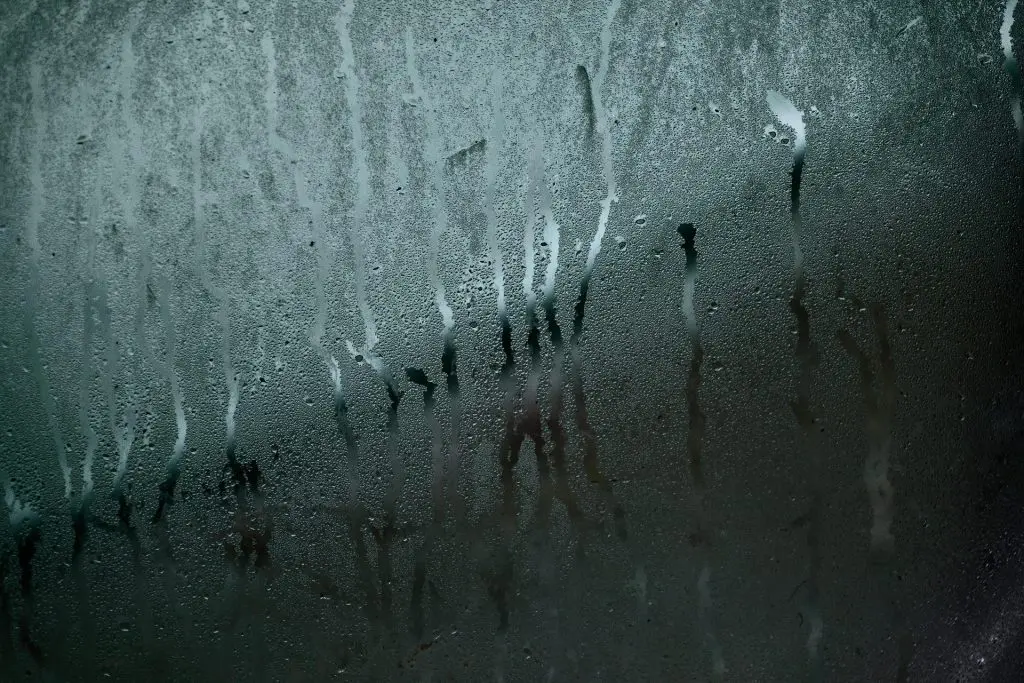
Image of steamed glass with condensation on the window.

Seals around doors or windows failing

The seals in your double glazed windows or doors can fail for a number of reasons. It’s important that you get these faults fixed to maintain the energy efficiency of your windows.

  • Natural wear and tear over time: As our windows age, so does the quality of the seals around them.
  • Weather damage: In summer months, fluctuating temperatures can cause the glass to expand and shrink which places additional pressure on the seal. This process can damage the seal due to extra stress.
  • Faulty manufacturing: Damaged window seals can occur from faulty manufacturing or poor quality materials so choose a double glazing specialist with excellent reviews. If broken seals occur due to product faults, your manufacturer may have a window warranty in place.
  • Improper maintenance: The more care we treat our windows with, the longer they will last. Pressure washers or strong cleaning products can wear the plastic down and damage the seal.

Double glazing cracking or shattering

Windows can break or crack, depending on the weather conditions and the way you treat them. Prevent damage to your windows by:

  • Opt for tempered glass when you have your double glazing fitted.
  • Choose pale-coloured window coverings avoiding extreme temperature differences.
  • Reduce humidity in your home by using a dehumidifier.
  • Be careful around your double glazed windows and check for any scratches in the glass regularly. Any damage to the glass creates weak points, which can cause more damage to your windows later on.

Can I Replace My Double Glazing Myself?

You can tackle many home improvement tasks yourself, but even skilled DIYers should avoid attempting to replace double glazing as it’s difficult to get it right. While it can be tempting to cut down on costs, we’d always recommend finding a qualified specialist to avoid further costs later on.

86.7% of UK homes had double glazing installed by 2020 as it’s a great energy saving option. An unsuccessful DIY repair can end up costing more than the professional job would have.

When you’re choosing someone to replace your double glazing, a few checks help you avoid a poor job:

  • Read recent reviews: look for feedback that mentions glass replacement specifically, not just full window installs.
  • Check their service focus: a specialist who repairs glass units, not just whole frames, can often fix the problem without replacing the frame at all.
  • Ask about experience with your window type: conservatories, Velux units, and doors each need different handling.
  • Confirm what’s covered after the work: ask about guarantees or warranties offered for the repair.

You won’t save time and the specialist equipment you’ll need is expensive.

Repairing and replacing double glazed windows yourself requires a great deal of effort. The reinstallation of double glazed windows involves specialist skills and insights, particularly when you consider that the replacement of each variety of window will require a different approach.

It would take a long time figuring out how to do it correctly and you’d need specialist tools such as glazing knives, glass lifters, power tools, soft-faced glazing hammers and glazing PPE so you’ll likely be even more out of pocket than you would if you decided to go with a professional. If you cause damage or shoddy work needs to be redone, you’ll have to bear the cost of that as well.

5 stacks of coins.

You’ll void the manufacturer’s warranty

Window manufacturers offer a warranty with their products, sometimes providing lifetime warranty policies that can last for decades. The majority of window warranties cover all elements of the window, including hardware (handles, locks), the glass, frame, and finish of your window.

When considering whether you should repair or replace your windows yourself, it’s important to remember that the manufacturer’s warranty will be invalidated if the installation isn’t done by a professional. This is because most DIY replacements by non-professionals are not done to a suitable standard. Even if you think your work seems satisfactory to begin with, mistakes can quickly reveal themselves and render your efforts pointless.

You may lose out on the energy savings.

When it’s done properly, double glazed windows are highly energy efficient as they reduce the amount of heat that is able to escape through your windows. This means you could save hundreds on energy bills every year.

Energy savings are often the biggest appeal when it comes to having double glazing installed. If your DIY double glazing replacement project goes wrong, however, you’ll lose the insulating benefit of double glazing.

What to Expect During a Double Glazing Glass Replacement Visit

Your window frame stays in place. Only the glass unit itself is removed and replaced, which keeps disruption to a minimum.

Replacing multiple glass units typically takes around an hour for four units, so most jobs finish within a day. You’ll just need to clear access to the affected windows beforehand.

How often do windows need to be replaced?

Windows have a typical lifespan of 15-20 years but they can last longer if they’re high quality and extremely well maintained.

Why should I replace my windows?

Just like everything, windows have a life span. There are several reasons why you should think about replacing them: Energy efficiency Modernising your old style with an update Security House value Noise reduction

Can I make my windows more energy efficient?

Low emissivity energy-efficient glass can reduce your heating bills and improve your carbon footprint. At Cloudy2Clear, we can arrange an energy efficient glass survey on all your windows, and check glass, locks and seals, all attributing to reducing your energy bills. We will tell you what glass you currently have and recommend how to upgrade to the latest energy efficient glass.

Replace the pane, not the frame

If your window frames are in good condition, Cloudy2Clear can repair your window at the fraction of the cost of a full replacement. Whether you have cloudy, misted up glass, or are looking to update your windows, save money by replacing only the parts of your window that are faulty with Cloudy2Clear.

Contact one of our specialists for advice now.
Double Glazing with Low-E Glass Reduces Heat Loss

Did you know that up to 30% of your home’s heat escapes through windows (Gov.UK)?

So, if you’ve cranked up the heating and you’re feeling the chill indoors, your windows could be the culprit. Poorly insulated windows means heat is transferred outside, resulting in higher energy bills for you, and more carbon emissions.

One of the most effective solutions? Double glazing.

This advanced window technology traps heat inside your home, minimising heat loss and reducing energy consumption, so you can enjoy a warmer, more energy-efficient home all year round

The science behind double glazing: How does it reduce heat loss?

To understand how double glazing improves insulation, let’s compare it to single glazing.

Double glazing reduces heat loss by creating a thermal barrier. Unlike single glazing, which has only one pane, double-glazed windows feature two glass panes with an insulating gap, preventing heat from escaping and improving energy efficiency.

But there’s more to double glazing than meets the eye. Here’s how it works:

The air or gas layer

The gap between the panes is filled with air or an insulating gas (such as argon or krypton), reducing the rate of heat loss.

Use of low-E (low emissivity) glass

Some double-glazed units are built with a special Low-E coating, which reflects heat back into the room while still allowing natural light in.

Sealed units to stop draughts

A properly sealed double-glazed unit stops cold spots and draughts, helping to keep your home at a comfortable and consistent temperature.

The benefits of double glazing for energy efficiency

Double glazing is a smart investment when it comes to reducing heat loss and improving home insulation.

Benefits of double glazing How it helps
Reduced heat loss Less warmth escapes, keeping your home nice and warm for longer.
Lower energy bills Reduced need for constant central heating use, lowering the cost of bills.
Minimised condensation Warmer internal window glass stops moisture buildup, reducing the risk of mould and dampness.
Better sound insulation The extra pane absorbs external noise, creating a quieter home.
Reduced carbon footprint Lower energy consumption means fewer CO2 emissions.


Fact: According to the Energy Saving Trust, upgrading from single to double glazing could save up to £140 per year on heating costs.

How does double glazing compare to other insulation methods?

While double glazing provides the best insulation, you might be considering alternative options like secondary glazing or thermal curtains.

Here’s how they stack up in terms of heat retention, cost, and longevity.

Feature Double Glazing Secondary Glazing Thermal Curtains Draught Excluders
Heat retention ⭐⭐⭐⭐⭐ ⭐⭐⭐ ⭐⭐ ⭐
Energy Savings ⭐⭐⭐⭐⭐ ⭐⭐⭐ ⭐⭐ ⭐
Noise Reduction ⭐⭐⭐⭐⭐ ⭐⭐⭐ ⭐ ❌
Cost £££££ £££ ££ £
Lifespan 20+ years 5-10 years 5-10 years 2-5 years


Key takeaway: Secondary glazing and thermal curtains do provide some additional insulation, but double glazing is the most effective long-term solution if you really want to reduce heat loss and improve the energy efficiency of your home.

Its long lifespan, superior heat retention, and noise reduction make it a valuable investment for homeowners looking to cut energy costs and enhance home comfort.

Signs you need to upgrade or repair your double glazing

Over time, even high-quality double glazing can lose its effectiveness. Here are some common signs that indicate it may be time for an upgrade or repair:

  • Condensation between panes: If you notice fogging or moisture inside your double glazing, it’s a sign that the seal has failed, reducing energy efficiency and allowing heat to escape.
  • Draughts & cold spots: Feeling cold air near your windows? This suggests broken seals or frame damage, preventing your home from retaining warmth effectively.
  • Unexpectedly high energy bills: While seasonal changes and tariff increases can affect energy costs, persistently rising bills could indicate poor window insulation. Damaged or ageing double glazing allows more heat to escape, making your heating system work harder over time.

Not sure if your double glazing needs repairing? Check out our guide on common window problems.

Frequently asked questions

Does double glazing really reduce heat loss?

Yes, double glazing significantly reduces heat loss by creating a thermal barrier between two panes of glass. The air or gas trapped between the panes slows down heat transfer, keeping warmth inside your home.

How much heat does double glazing stop from escaping?

Double glazing can reduce heat loss by up to 50% compared to single glazing. The exact savings depend on the type of glass, the insulating gas used, and the quality of the installation.

Is double glazing better than secondary glazing?

While secondary glazing adds insulation, double glazing is more effective because it provides a sealed air gap, better heat retention, and improved noise reduction. Secondary glazing is a good alternative for listed buildings or budget-conscious homeowners but doesn’t offer the same performance. If you’re looking for the most affordable options, you can learn more about different types of secondary glazing in our guide.

What is the lifespan of double glazing?

Well-maintained double glazing can last 20 to 35 years. However, over time, seals may fail, leading to condensation and reduced insulation efficiency.

Can double glazing be repaired instead of replaced?

Yes! If your double glazing is misted or has failed seals, Cloudy2Clear can replace just the glass unit, restoring energy efficiency without the need for a full window replacement.

Is double glazing the best way to reduce heat loss?

Double glazing is one of the most effective ways to improve home insulation.

✅ Prevents heat loss by up to 50% compared to single glazing.
✅ Lowers energy bills (up to £140 saved per year, Energy Saving Trust).
✅ Minimises condensation and prevents draughts.
✅ Lasts 20+ years with proper maintenance.
✅ Cloudy2Clear repairs misted or failed double glazing, saving you money on replacements.

Stop losing heat and money through inefficient windows! Cloudy2Clear’s experts can repair misted or failed double glazing, restoring insulation without the cost of full replacement.

Call us today for your free, no-obligation consultation!

How to Prevent Condensation in Double-Glazed Windows

Condensation in your home can be a worry as it’s a common cause of damp and mould, and it’s often noticeable on or in your windows. You’re probably wondering what’s causing condensation, how you can get rid of it and how to stop it coming back. We’ve covered all of this and more to help you understand what might be the cause and whether you may need to replace your double or triple glazed windows to resolve the problem.

What causes condensation on windows?

Condensation happens when warm or moist air comes into contact with cold glass or a cool surface. It isn’t uncommon, so many homeowners overlook it when it appears on their windows. Condensation can form on any colder surface, and we see it every day with droplets forming on mirrors, tiles and shower panels in your bathroom after a hot shower.

As winter approaches after a hot summer, our PVC windows and doors are more prone to becoming misshapen. This is because repeated exposure to quickly fluctuating temperatures can distort certain materials. Our windows and doors are exposed to more heat in the daytime and cooler autumn nights. This can expand and shrink the seals of double-glazed units, causing some damage to the quality of the seals which leads to condensation.

Why do my windows have condensation on the outside?

Condensation found on the outside of your windows is perfectly normal. It’s a sign that your double-glazed windows are highly thermally efficient as they are keeping the heat in and cold air out. This allows your home to maintain its temperature so you can stay comfortably warm and use less energy to heat your home. You’ll often find outer window condensation during the winter as the air is moist and the temperature drops.

Why do my windows have condensation on the inside?

Condensated windows inside the panes can be a cause for concern. It’s common to find condensation in your kitchen or bathroom, especially when cooking or taking a hot shower or bath. These activities release extra moisture into the air, increasing the overall humidity levels of these spaces. While some condensation is expected on cold surfaces, it’s still important to minimise potential moisture buildup in your home as repeated or constant condensation can lead to dampness and mould.

Indoor condensation isn’t limited to your kitchen or bathroom. Hanging up your washing indoors without using radiators, or hosting a large gathering of people, can cause steam to form on your windows too. You may even have excess condensation due to poor insulation in the roof or walls of your home.

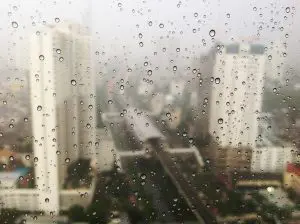
Image of a city from a multistorey building blurred by water droplets and condensation on the window.

What causes misted double glazing?

Condensation looks like a misted or cloudy window and can obscure your view outside whilst making your home look less appealing. If you notice you do have misted windows, this may mean your double glazing has ‘failed’, or ‘blown’, and the seal between the panes is no longer doing its job.

Use this checklist to work out whether what you’re seeing is ordinary condensation or a sign your glazing unit needs attention:

  • Fog or mist between the panes that won’t wipe away from either side, this is the clearest sign the seal has failed and moisture has got inside the sealed unit.
  • Water droplets or a ‘tidemark’ staining visible between the panes of glass.
  • A permanently cloudy or streaky appearance that comes back even after you’ve cleaned the glass thoroughly.
  • Rooms near the window feeling colder than the rest of the house, or the glass feeling noticeably cold to the touch.
  • Draughts around the window frame that weren’t there before.
  • A jump in your heating bills without any other explanation, as a failed unit loses much of its insulating effect.

If you tick more than one of these, it’s worth having the window looked at rather than waiting for it to worsen.

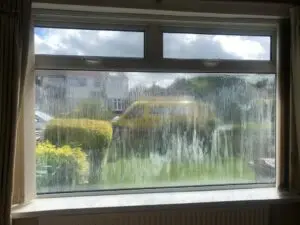
Image of cloudy window looking with a blurred view of the garden.

When a specialist inspects a suspected blown window, they’ll check the seals around the glass unit for signs of degradation and look at the condition of the spacer bar that holds the panes apart, alongside checking for gaps and any water trapped inside the panes. That inspection tells you whether the unit can be repaired or needs replacing.

1. Poorly fitted windows

If your windows were improperly installed, they’ll deteriorate quickly. In extreme cases, they could become cloudy in less than a year. When double glazing is fitted incorrectly, your window panes and frames won’t be aligned properly. This means your seals won’t last and gaps will form, allowing air and moisture into your panes.

2. Using the wrong products

You’d be surprised at how often double glazing can be damaged by human error alone. Many people use unnecessary harsh chemical products to clean their windows, which can reduce their effectiveness. A simple mixture of warm water and white vinegar is perfect to care for your windows and leave them sparkling for longer.

3. Damaged seals

Whether it’s poor installation or wear and tear, broken or faulty seals are one of the most common causes of cloudy and blown double glazing. Windows expand and contract when temperatures rise and fall. Although not visible to homeowners, this movement takes its toll on window seals, made worse by poor materials or shoddy craftsmanship.

Damaged seals allow moisture between the window panes, which is difficult to remove. Once inside, moisture causes condensation which means windows will become misted.

4. Window age

Time is another factor in the health of your double glazing. The date your double glazing was first installed impacts how well it will perform. Not only because the seals will become less effective over time, but also because modern fitting methods are more reliable.

How to prevent condensation in your windows

Condensation occurs in all homes and although it can lead to problems, there are initiatives you can take to help combat the effects. To stop or reduce condensation on double-glazed windows, there are a few things you can do to ventilate your home and reduce the risk of dampness and condensation.

Improve ventilation

By ensuring your home is properly ventilated, you’ll improve airflow and fight off issues caused by condensation. Opening windows and using vents or fans are all great ways to improve air circulation:

  • Promote better airflow by opening windows or doors on opposite sides of your house
  • Use exhaust fans in the bathroom and kitchen to extract humid air.
  • Allow air to flow into your home slowly, without inviting in a draught, with trickle vents
Image of pan on a hob with steam coming from it.

Heating & insulation

Condensation issues are intensified by sudden rises and drops in temperature as fluctuations cause water to evaporate and condense when you turn the heating on and off. Make sure your heating and insulation efforts are working hard to help you avoid condensation by:

  • Keep your heating at a constant low temperature
  • Ensuring your home has cavity wall and loft insulation
  • Checking your windows for draft, damp or steam

Clear moisture

An immediate solution to condensation is to remove any water droplets you come across in your home. In the short term, cleaning windows of condensation regularly can prevent moisture from developing into dampness or mould issues. Other things you can try to clear moisture in your home include:

  • Use dehumidifiers
  • Use condensation catchers
  • Avoid drying clothes indoors
  • Vent your tumble dryer properly

Common issues with condensation inside double-glazed windows

The place you should always be concerned about finding condensation is between the inner panes of double-glazed windows because it is a sealed unit. If condensation is appearing inside your double glazing, it’s often an indication that the seal around your windows has failed.

  • With air entering the gap between the panes, the windows will no longer be as effective for thermal insulation, which can mean a steady loss of thermal performance over time.
  • Draughts can enter your home, cooling down your house. In colder months, you may see an increase in your energy bills as you try to combat the additional cold air.
  • Moisture getting in between the panes of glass ruins the aesthetic of your windows and leads to bigger problems like mould, dampness, heat loss and poor energy efficiency.
  • Persistently damp air inside your home can encourage mould growth, fungal attack, rotten wood and even insect or mite infestations, whereas drier air is easier to heat and causes far fewer of these problems.

How to get rid of condensation between window panes

If you’ve noticed condensation between your double glazing panes and you’ve tried everything to combat it, it’s probably time to get your double glazing replaced so you don’t experience any further problems.

We’ve dedicated years of expertise to fixing issues that can cause condensation on your windows. If you’d like help with your condensation problem, call our team now on 0800 182 2047. You can also contact us online to arrange a free consultation with our specialist engineers.

Velux Window: Repair or Replace Guide for Roof Windows

Different styles of windows can completely transform the look and feel of any room, with some allowing more natural lighting to enter than others. With certain spaces in the home, various types of windows are also specially designed to offer the most effective solution.

Velux windows are also known as roof windows. They are popular options for making spaces feel more airy and welcoming, and can even add a spacious feel to your home. Over time, these types of windows experience even more exposure to the natural elements than standard windows. While they are built with lasting quality in mind, time can take its toll and lead to issues with any Velux window. Here’s our guide on how to know whether your Velux window needs replacing or repairing, and what you can do about it.

What is a Velux window?

Now synonymous with the style of window they provide, Velux is actually the name of the leading brand that manufactures roof windows, skylight systems, and sun tunnels.

Velux windows come in a range of styles, each designed to suit different spaces in the home. The addition of a Velux window can brighten up any room, letting in sunlight from the top down.

  • Roof Windows
  • Flat Roof Windows
  • Skylight Systems
  • Roof Terraces
  • Balconies

Due to the positioning of roof windows, Velux windows use laminated safety glass as standard. This avoids any glass from entering the home if your Velux window ends up smashed or broken, enhancing the safety of your roof window. Velux windows can also be configured to include additional features and finishings that can further boost the value of your property.

  • Smoke ventilation windows
  • Burglary resistant features
  • Sound insulation roof windows
  • Weather protective glazing
  • Easy-to-clean coatings
  • 3-layer UV defense

Which Faults can Occur with a Velux Window?

All Velux windows are double glazed at a minimum. This means any of the issues that can happen with double glazed windows can happen to your Velux windows.

Draughts

If your double glazing has failed, you might notice your home feels colder. Draughts coming through your Velux window can signify that the seal around your roof window has failed somewhere. This allows air from outside to enter the home, increasing your energy bills. It will also potentially expose your windows to further damage from too much condensation build up.

Mist & Condensation

A small amount of condensation on your Velux windows is normal, though excess condensation can build up over time. Velux windows are fitted with air filters that should regularly be cleaned to avoid this. Cleaning your Velux air filter helps air to circulate around your windows, reducing the ‘foggy’ appearance that can happen when it’s cold outside.

Damp & Mould

All Velux frames are specially treated to prevent the growth of mould in the first place, but any prolonged damp conditions can lead to a problem. Keeping the air filter on your roof windows clean should avoid the growth of damp and mould that can be caused by too much condensation. You can also clean your Velux frames with mould spray.

Other problems with your roof window could include:

Leaks

Finding any water entering the home from outside is a concern, especially with a roof window! Problems with the installation process can lead to leaking Velux windows. When installed, your roof window should have had roofing felt placed in between the window frame and the roof opening, as well as insulation. If your installer has skipped these steps, any excess water is likely to leak down into your window.

Broken Lock Mechanisms & Hinges

The handles and locks of any window can wear down over time, especially with daily use. Separate Velux parts including hinges and handles can be ordered direct from the Velux website.

Cracked or Broken Glass

As with any window, the glass within a Velux window can chip or break entirely. Due to the position of roof windows, it’s perhaps even easier for them to sustain damage. Anything from the branch falling off a tree, to weather, to a bird dropping something on your window can be enough to have an impact on those made from low quality glass.

Luckily, Velux windows are designed to withstand these events. They’re each tested vigorously to avoid broken glass – the company’s strict testing regime even involves hitting the glass with a 50kg pendulum to ensure strength.

Can a Velux Window be Repaired?

If you have issues with your Velux window, it’s worth arranging a free consultation to first identify the cause of the problem. A damaged Velux window isn’t necessarily in need of a full replacement. As windows age, they withstand plenty of weather conditions and natural wear-and-tear.

When to Repair a Failed Double Glazing on a Roof Window

Over time, natural wear-and-tear often leads to failed double glazing, which is not uncommon in Velux windows. Since many failed double glazing cases are caused by issues with the seal, these can be repaired by a specialist. It’s certainly worth having your failed double glazing repaired. This will restore the original energy efficiency of your windows, limiting the cost you’ll spend on heating in the long run. Repairs will also stop any of that excess mould or condensation spreading to the space around your window, which could cause even more costly damage to your walls and furniture.

When to Replace a Faulty or Broken Roof Window

If the initial installation of your Velux window wasn’t done properly, you might need a bit of extra work done. This might involve the replacement of certain components of your window, from the frames, to the insulation and panes. Similarly, if one of your window panes is broken, that pane will have to be replaced.

It’s worth finding a roof window repair service that will provide you with a quality repair or replacement.

Velux Window Repairs & Replacements by Cloudy2Clear

At Cloudy2Clear, our experts in repairing and replacing windows can fix your roof windows should any of the above issues happen. Our Velux window repair specialists work to recover the full quality of your roof windows with minimal cost. We know that not all Velux windows need replacing entirely if something goes wrong!

Many companies will have you replace the entire unit surrounding your Velux window, even if there’s nothing damaged with the window frame itself. This leads to a much more expensive service where you’re paying unnecessary fees. Plenty of issues with Velux windows develop due to problems with just one window pane or the sealing. We work to repair and replace only the faulty part of your Velux window, keeping costs down.

If your Velux window needs repairing, call us on 0800 61 21 119 for a free, no-obligation quote.