• USP Logo Icon
    25 Year Guarantee
  • USP Leaf Icon
    Latest ECO Friendly Technology
  • USP Pointer Icon
    National Coverage
Get a FREE quote

Spot signs of window damage: save £100s on energy bills

Noticing a draught near your windows or condensation forming between panes can feel frustrating, especially when you’re unsure whether it signals a minor issue or a costly replacement. Window damage often develops gradually, making it easy to overlook until energy bills climb or comfort drops. Identifying early warning signs empowers you to act before small problems escalate into expensive repairs. This guide walks you through practical detection methods, common damage types, and clear repair versus replacement criteria, helping you make informed decisions that protect your home and budget.

How to identify key signs of window damage

Detecting window damage early requires a combination of visual inspection and simple physical tests. Start with a thorough visual scan of each window, looking for fogging between panes, cracked or peeling seals, and discolouration or soft spots in timber frames. Fogging and seal cracks indicate seal failure, which allows moisture ingress and reduces insulation. Soft spots or dark patches on wood suggest rot, which can spread if left untreated.

Probing timber frames with a screwdriver or similar tool helps detect rot before it becomes visible. Press gently into suspect areas; if the wood feels spongy or the tool sinks easily, rot has likely taken hold. A moisture meter provides objective readings: levels above 20% indicate high rot risk, signalling the need for immediate attention. These tools are inexpensive and widely available at hardware stores.

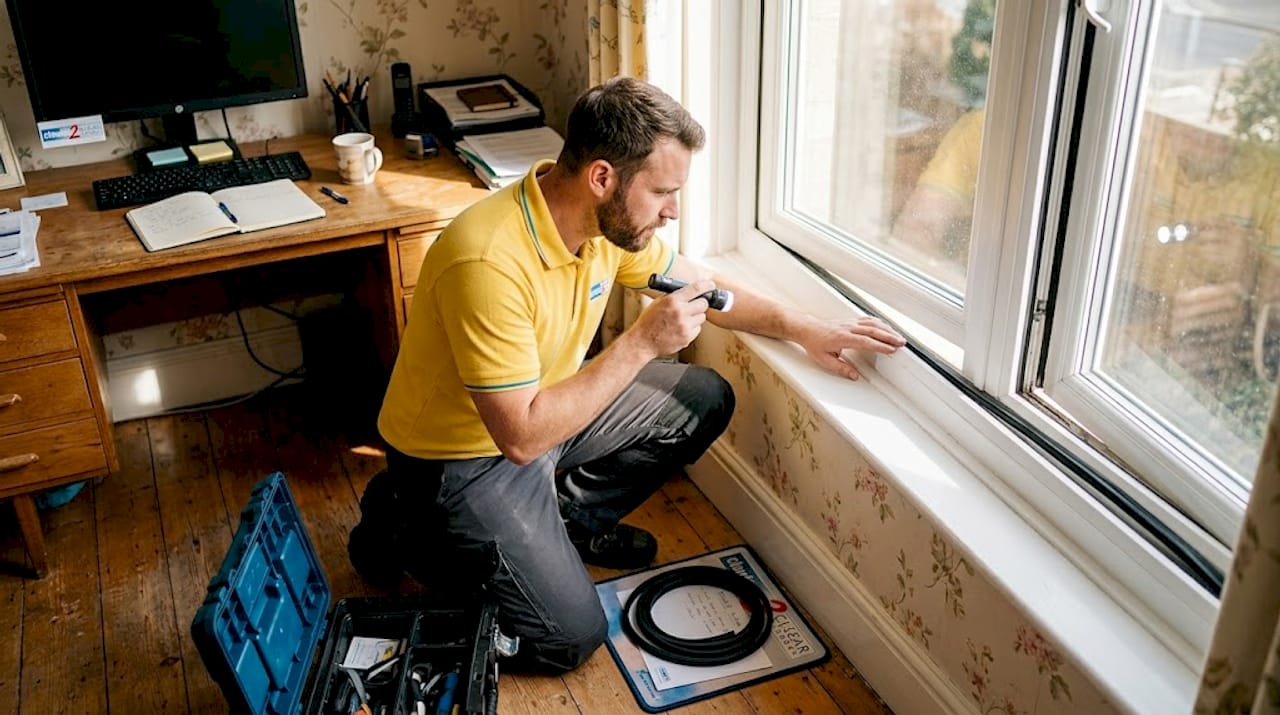
A candle or smoke test reveals draughts and air leaks around window frames. Light a candle or incense stick and hold it near the edges of closed windows. If the flame flickers or smoke drifts horizontally, air is escaping, which compromises energy efficiency. Check drainage channels at the bottom of window frames for blockages or standing water. Blocked drains trap moisture against seals and frames, accelerating damage. Clear debris regularly to prevent pooling.

Pro Tip: Perform inspections on windy days to make draughts more obvious. The increased air pressure makes leaks easier to detect with a candle test, helping you pinpoint problem areas quickly.

For comprehensive guidance on spotting issues early, review our common window faults guide. If you discover leaks during your inspection, learn how to fix window leaks with practical steps.

Common types of window damage and what they mean

Understanding the specific type of damage affecting your windows helps you decide whether repair or replacement makes sense. Wet rot affects timber locally, caused by prolonged moisture exposure from leaks or poor drainage. It appears as soft, dark patches on wood and typically remains confined to the affected area. Wet rot stays localised and can often be treated by removing damaged timber and applying fungicidal treatments.

Dry rot presents a more serious threat. Unlike wet rot, dry rot spreads extensively through timber and even masonry, sending thread like strands across surfaces. It thrives in damp, poorly ventilated conditions and can seriously damage window frames, walls, and structural elements if untreated. Dry rot requires professional assessment and remediation to prevent further spread.

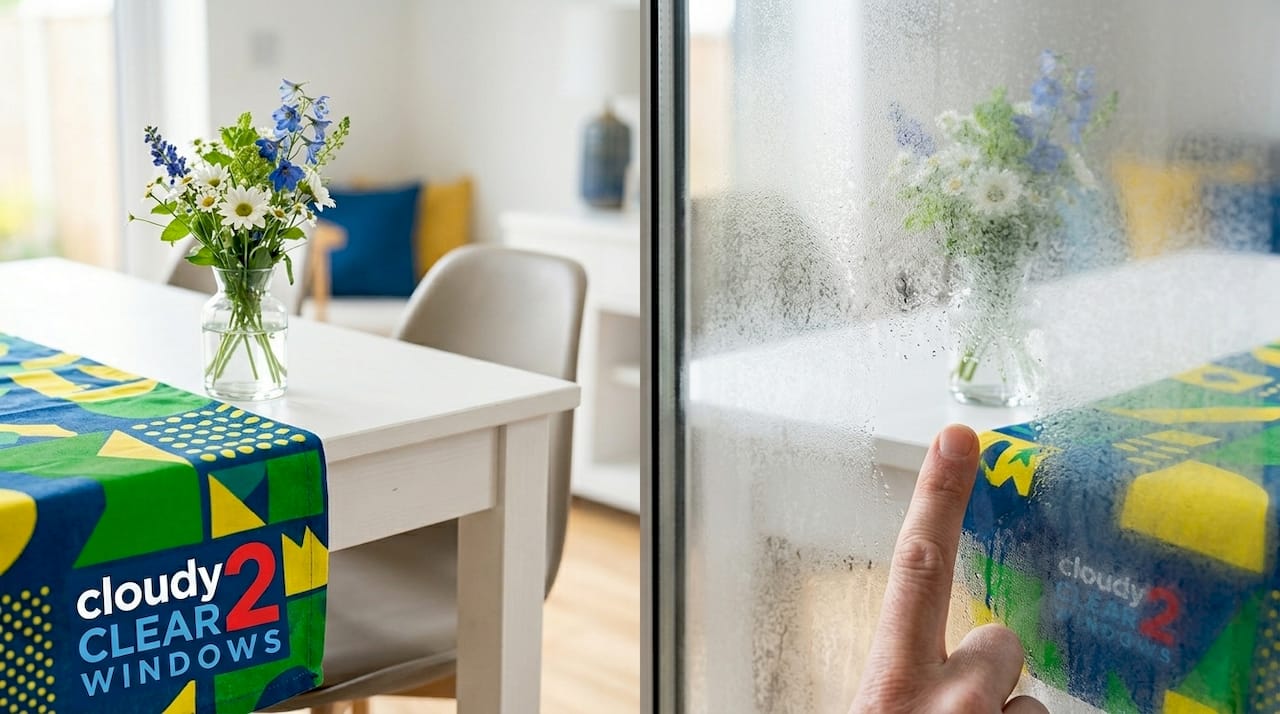
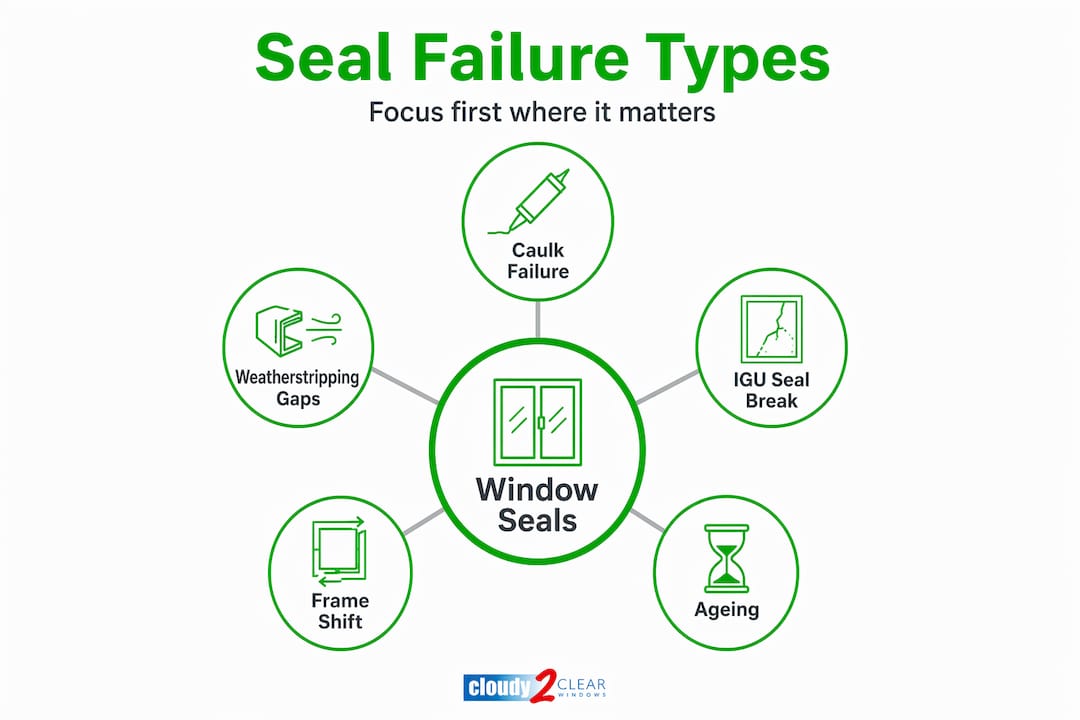
Seal failure leads to condensation between panes and significant heat loss. When the hermetic seal around double glazed units breaks down, moisture enters the gap, causing persistent fogging that cannot be wiped away. This reduces visibility, damages insulation, and increases heating costs. Understanding window seal failure types helps you recognise when replacement becomes necessary.

Condensation trapped inside double glazed window


uPVC windows can discolour, turning yellow over time, and become brittle, reducing their lifespan. uPVC yellowing and brittleness result from UV exposure and weathering, particularly on south and west facing installations. While cosmetic at first, brittleness compromises structural integrity, making frames prone to cracking.

Identifying the specific damage type influences your repair or replacement decision. Localised wet rot may only require timber repair, whilst extensive dry rot or multiple seal failures across several windows often justify full replacement for long term cost effectiveness and improved energy performance.

Comparing repair versus replacement: when and why

Deciding between repair and replacement hinges on the extent of damage, cost implications, and long term benefits. Small seal or isolated timber rot repairs cost only 15-25% of full replacement, making them attractive when damage remains confined to one or two windows. Repairing a single failed seal or treating localised rot restores function without the expense of new installations.

Extensive damage across multiple windows reduces efficiency and comfort severely. If several windows show seal failure, rot, or structural issues, the cumulative repair costs can approach or exceed replacement expenses. Replacement guarantees improved insulation meeting current building regulations, delivering better energy performance and reduced heating bills. Modern double glazed units offer superior thermal efficiency compared to older installations, often paying for themselves through energy savings over time.

Repair can extend window life but requires regular maintenance and inspections. Patched seals and treated timber need monitoring to ensure problems do not recur. Replacement eliminates this ongoing concern, providing new warranties and peace of mind. Consider location factors when evaluating options. South and west facing windows deteriorate faster due to increased weather exposure, making them more likely to need replacement sooner than sheltered installations.


Factor Repair Replacement
Cost 15-25% of replacement Full upfront investment
Lifespan extension 3-7 years with maintenance 15-25 years or more
Energy efficiency Restores original performance Meets current standards
Maintenance needs Regular inspections required Minimal for new units
Best for Isolated damage, single windows Multiple failures, extensive damage


Pro Tip: If more than 30% of your windows show damage, replacement often proves more cost effective than multiple repairs. Calculate total repair costs against replacement quotes to make an informed choice.

For detailed benefits of addressing seal issues, explore window seal replacement benefits. If you need immediate repairs, our broken window repairs service provides fast, professional solutions.

Preventing window damage through routine maintenance

Proactive maintenance prevents most window damage, extends lifespan, and reduces repair costs. Perform detailed inspections twice yearly, in spring and autumn, to catch issues early. Spring inspections identify winter weather damage, whilst autumn checks prepare windows for harsher conditions. Look for seal deterioration, timber softness, drainage blockages, and paint wear during each inspection.

Reseal any gaps to avoid draughts and moisture ingress. Over time, sealant around window frames degrades, creating openings for air and water. Apply fresh sealant to cracks and gaps, ensuring a watertight barrier. This simple step dramatically improves insulation and prevents moisture related damage. Keep drainage channels clear to prevent water pooling. Remove leaves, dirt, and debris from drainage slots at the bottom of frames. Blocked drains trap water against seals and timber, accelerating rot and seal failure.

Repaint exposed timber regularly to protect against rot. Repainting every 3-10 years maintains a protective barrier against moisture and UV damage. Sand down flaking paint, apply primer to bare wood, and finish with exterior grade paint suitable for your climate. South and west facing windows require more frequent checks due to weather exposure. These orientations receive more rain, wind, and sun, accelerating wear. Inspect them quarterly if possible, and prioritise maintenance tasks on these windows first.

Follow these maintenance steps to protect your investment:

  1. Inspect all windows twice yearly, focusing on seals, timber, and drainage
  2. Clean drainage channels and remove debris to prevent water accumulation
  3. Reseal gaps and cracks with high quality exterior sealant
  4. Repaint timber frames every 3-10 years, prioritising south and west facing windows
  5. Check for draughts using a candle test and address leaks immediately
  6. Monitor moisture levels with a meter, treating readings above 20% as urgent

Key maintenance tasks and their frequency:


Task Frequency Purpose
Full inspection Twice yearly (spring, autumn) Detect damage early
Drainage cleaning Quarterly Prevent water pooling
Resealing gaps As needed (every 2-5 years) Maintain airtight barrier
Repainting timber Every 3-10 years Protect against moisture and UV
Draught testing Annually Ensure energy efficiency


Learn more about window maintenance benefits and preventing window damage through our detailed guides.

Expert window repair and replacement services

If your inspections reveal persistent damage or you need professional assessment, Cloudy2Clear offers expert window repair and replacement services across key UK regions. Our experienced team evaluates window condition, provides honest recommendations, and delivers high quality solutions tailored to your needs. Whether you face isolated seal failure or extensive timber rot, we help you choose the most cost effective path forward.

https://www.cloudy2clearwindows.co.uk


Professional replacements ensure compliance with current energy standards, improving insulation and reducing heating costs. Our installations meet building regulations, delivering performance and peace of mind. Services cover broken glass and seal repairs, timber and frame restoration, and full double glazing replacement. With decades of experience since 2005, we understand how to extend window lifespan and enhance your property’s comfort and value. For local expertise, explore our window repairs in Oxford and other regional branches.

Frequently asked questions

What are the most common signs of window damage?

The most common signs include fogging between panes, cracked or peeling seals, soft or discoloured timber, and noticeable draughts. Condensation that cannot be wiped away indicates seal failure, whilst soft spots in wood suggest rot. A candle test revealing flickering flames near closed windows confirms air leaks. Regular inspections help you spot these warning signs before they escalate into costly repairs.

How often should I inspect my windows for damage?

Inspect windows twice yearly, ideally in spring and autumn, to catch damage early. Spring inspections identify winter weather impacts, whilst autumn checks prepare windows for harsher conditions. South and west facing windows benefit from quarterly inspections due to increased weather exposure. Regular checks extend window lifespan and reduce the likelihood of expensive emergency repairs. Learn more about preventing window damage through routine maintenance.

Can minor seal damage be repaired or is replacement necessary?

Minor seal issues can be repaired cost effectively when caught early, typically costing 15-25% of full replacement. Single window seal failures often respond well to targeted repairs, restoring insulation and eliminating condensation. However, if multiple windows show seal damage or repairs fail to resolve fogging, replacement becomes more economical. Frequent inspections and maintenance reduce the need for full replacement by addressing problems before they spread. For detailed guidance, review our window seal repair insights.

What maintenance steps help prevent window damage?

Key maintenance steps include resealing gaps, clearing drainage channels, and repainting timber every 3-10 years. Perform biannual inspections to identify issues early, focusing on seals, timber condition, and drainage function. South and west facing windows require more frequent checks due to weather exposure. Clean drainage slots quarterly to prevent water pooling, which accelerates rot and seal failure. Apply fresh sealant to cracks and repaint timber frames to maintain protective barriers against moisture and UV damage. Consistent upkeep dramatically extends window lifespan and reduces repair costs. Explore our window maintenance tips for comprehensive advice.

Primary vs secondary glazing: which saves you more money?

Many homeowners assume that improving window efficiency means replacing the entire window with double glazing. However, understanding the difference between primary and secondary glazing opens up more options, particularly for heritage properties in England and Scotland. Primary glazing refers to your original window panes, whilst secondary glazing involves adding an internal layer to boost insulation. Knowing which solution fits your property type, budget, and energy goals helps you make smarter decisions about reducing heating costs and improving comfort without unnecessary disruption or expense.

Understanding primary and secondary glazing

Primary glazing forms the main barrier between your interior space and the outside world. It includes your original window panes, whether single glazed or factory-fitted double glazed units sealed within the window frame. When people discuss upgrading primary glazing, they typically mean replacing the entire window unit with modern, energy-efficient double or triple glazing. This approach delivers maximum thermal performance but involves significant structural work, higher costs, and potential planning hurdles for heritage properties.

Secondary glazing takes a different approach entirely. Rather than replacing your existing windows, you add a supplementary internal layer that creates an insulating air gap between the original glass and your living space. This retrofit solution proves particularly valuable for listed buildings in England and Scotland because it’s completely reversible and preserves the external appearance of historic windows. The Energy Saving Trust confirms that secondary glazing rarely requires planning permission, making it an accessible option for property owners facing conservation restrictions.

The installation process for secondary glazing is remarkably straightforward:

  • Measurements taken from inside the property with no external scaffolding required
  • Slim aluminium or uPVC frames fitted to the window reveal using unobtrusive fixings
  • Glazing panels slide, hinge, or lift out for ventilation and cleaning access
  • Complete installation typically finished within a day per room
  • Original windows remain untouched and fully functional

Pro tip: If you live in a conservation area or own a listed building, always check with your local planning authority before any window work. Secondary glazing’s reversible nature means it’s usually exempt from planning requirements, but confirming this beforehand prevents costly complications.

Historic England and Historic Scotland both recognise secondary glazing as an appropriate method for improving energy efficiency in period properties. The technique respects original architectural features whilst delivering measurable thermal benefits. For business owners operating from heritage premises, this solution maintains street scene aesthetics whilst cutting heating bills and improving staff comfort. The air gap created between primary and secondary layers also provides excellent acoustic insulation, particularly valuable in busy urban locations where traffic noise affects productivity or residential peace.

Comparing costs and energy efficiency

Budget considerations often drive glazing decisions, and the financial differences between primary and secondary options are substantial. Secondary glazing costs £300-£800 per window, making it 40-60% cheaper than replacing primary glazing with new double glazed units at £500-£1,500 per window. For a typical three-bedroom home with 12 windows, this translates to potential savings of £2,400-£8,400 on the initial investment. The lower cost doesn’t just benefit your immediate budget; it also shortens the payback period significantly.

Installers measuring sash window in old home


Energy savings vary based on your starting point and chosen solution. The Energy Saving Trust reports that upgrading from single glazing to A-rated double glazing saves approximately £140 annually on heating bills for an average semi-detached home. Secondary glazing achieves heat loss reduction of 30-60%, with actual savings depending on the air gap width, seal quality, and your property’s specific characteristics. A 15-20mm air gap delivers optimal thermal performance, approaching the efficiency of factory-sealed double glazing in many installations.

Infographic comparing cost and energy savings for glazing


Cost factor Primary glazing replacement Secondary glazing
Material costs £400-£1,200 per window £250-£600 per window
Installation labour £100-£300 per window £50-£200 per window
Disruption period 2-5 days for full house 1-2 days for full house
Annual energy savings £140+ for A-rated units £80-£120 typically
Payback period 8-12 years 4-7 years
Lifespan 20-25 years 10-15 years with maintenance


The return on investment calculation becomes particularly favourable for secondary glazing in heritage properties where double glazing replacement costs escalate due to specialist requirements. Listed building consent, bespoke manufacturing to match original profiles, and conservation area premiums can push primary glazing replacement costs 30-50% higher than standard installations. Secondary glazing avoids these premium charges entirely whilst still delivering meaningful thermal improvements.

Pro tip: Calculate your total lifecycle costs, not just the initial price tag. Whilst secondary glazing costs less upfront, primary double glazing replacement may prove more economical over 20 years if you plan to stay in the property long term. Factor in your expected occupancy period, property restrictions, and whether you need the acoustic benefits secondary glazing provides alongside thermal efficiency improvements.

Consider also the hidden costs of disruption. Replacing primary glazing means removing entire window units, potential redecorating of reveals and sills, and temporary loss of security during installation. Secondary glazing fits internally with minimal mess, no external access required, and rooms remain usable throughout the process. For businesses, this difference in disruption can mean the distinction between maintaining operations or closing temporarily, adding another dimension to the cost comparison.

Lifespan, maintenance and suitability considerations

Durability differs markedly between these two approaches. Factory-sealed double glazing units typically last 20-25 years before the seals degrade and condensation appears between panes. The hermetically sealed construction requires minimal maintenance beyond routine cleaning and occasional hinge or lock adjustments. Once installed, quality primary glazing performs reliably for decades with little intervention needed.

Secondary glazing demands more attention to maintain optimal performance. The separate panels require regular cleaning on both sides, seals need periodic inspection and replacement, and the opening mechanisms benefit from annual lubrication. Historic Scotland’s research acknowledges that whilst secondary glazing suits heritage properties perfectly, owners should expect a 10-15 year lifespan with proper care. The reversible nature that makes it ideal for listed buildings also means more components that can wear or require adjustment over time.

Property type fundamentally determines which solution makes most sense:

  • Listed buildings and conservation areas: Secondary glazing preserves original windows whilst improving comfort and efficiency
  • Heritage homes with original features: Maintains architectural integrity without permanent alterations
  • Properties with planning restrictions: Avoids lengthy consent processes and potential refusal
  • Modern homes without restrictions: Primary glazing replacement delivers maximum efficiency and lowest maintenance
  • Commercial premises in historic buildings: Secondary glazing balances performance with preservation requirements
  • Rental properties: Secondary glazing offers affordable improvements without major capital expenditure

Maintenance requirements for secondary glazing include:

  • Clean both surfaces of primary and secondary panes every 2-3 months
  • Inspect seals annually and replace if gaps or damage appear
  • Lubricate sliding tracks and hinges with silicone spray twice yearly
  • Check fixing points remain secure, particularly after severe weather
  • Remove and store panels during summer if ventilation is priority

Historic England explicitly approves secondary glazing for heritage properties because it respects original fabric whilst addressing modern comfort needs. This endorsement carries significant weight when you’re weighing options for a listed building. The ability to remove secondary glazing completely without leaving permanent marks or alterations means future owners can make different choices, satisfying conservation officers’ concerns about reversibility. For properties with glazing bars, secondary glazing can be fitted to the overall window opening rather than matching each individual pane, simplifying installation whilst maintaining the external appearance.

Choosing the right glazing solution for your property

Making the right choice requires balancing multiple factors specific to your situation. Property heritage status sits at the top of the decision tree. If you own a listed building or property in a conservation area, secondary glazing typically provides the only practical route to improved thermal performance without triggering planning complications. The reversible nature and external appearance preservation make it the default choice for restricted properties, regardless of other considerations.

For unrestricted properties, follow this decision framework:

  1. Assess your budget constraints: Calculate what you can afford initially and whether financing options make primary replacement viable
  2. Evaluate your energy efficiency goals: Determine whether you need maximum performance or acceptable improvement at lower cost
  3. Consider your occupancy timeline: Longer stays favour primary replacement’s superior longevity and lower maintenance
  4. Measure disruption tolerance: Decide whether you can accommodate the mess and time required for full window replacement
  5. Factor in acoustic requirements: If noise reduction matters as much as thermal efficiency, secondary glazing often outperforms
  6. Choose your solution: Select based on the weighted importance of each factor for your specific circumstances

Secondary glazing excels in situations where acoustic insulation matters significantly. The air gap between primary and secondary layers, particularly when filled with acoustic foam reveals, can reduce noise transmission by 70-80%. This makes it invaluable for properties on busy roads, near airports, or in commercial districts where traffic noise affects quality of life. Primary double glazing also reduces noise, but the acoustic performance rarely matches well-installed secondary glazing with its larger air gap and separate pane vibration.

Pro tip: Consult specialists experienced with listed buildings before finalising your decision. Companies familiar with heritage property requirements understand the nuances of conservation area rules, can advise on appropriate solutions that satisfy planning officers, and know which products deliver best results without compromising original features. Their expertise prevents costly mistakes and ensures your chosen solution actually gets approved and installed correctly.

Energy efficiency goals also shape the right choice. If you’re targeting specific Energy Performance Certificate ratings for sale or rental purposes, primary glazing replacement with A-rated units provides the most reliable route to achieving higher bands. Secondary glazing improves thermal performance measurably but may not shift your EPC rating as dramatically. However, for heritage properties where EPC requirements have some flexibility, secondary glazing’s combination of cost, reversibility, and thermal improvement often represents the optimal balance.

Business owners face additional considerations around staff comfort, customer perception, and operational continuity. Secondary glazing allows phased installation by room or floor, minimising disruption to trading. The acoustic benefits improve working environments in noisy locations, potentially boosting productivity. For customer-facing premises in heritage buildings, maintaining original window aesthetics whilst improving internal comfort demonstrates respect for architectural heritage alongside modern business efficiency. The payback period for commercial secondary glazing often runs shorter than residential due to longer daily heating periods and higher energy costs.

Glazing solutions and services from Cloudy2Clear Windows

At Cloudy2Clear Windows, we’ve spent nearly two decades helping homeowners and businesses across England and Scotland make informed glazing decisions. Our expertise covers both primary glazing replacement and guidance on secondary glazing solutions tailored to your property’s specific requirements. Whether you’re managing a listed building in Leicester & Loughborough or upgrading a modern home in Milton Keynes, we understand that your space matters.

https://www.cloudy2clearwindows.co.uk


Our qualified surveyors assess your windows’ current condition, discuss your efficiency goals and budget parameters, then recommend solutions that balance performance with practicality. We handle everything from failed sealed unit replacement to complete window upgrades, ensuring installations meet building regulations and deliver the thermal improvements you expect. For heritage properties, we work within conservation constraints to achieve meaningful efficiency gains without compromising architectural integrity.

Frequently asked questions

What is the difference between primary and secondary glazing?

Primary glazing refers to your original window panes fixed within the main frame, whether single or double glazed. Secondary glazing is an additional internal window layer installed separately to create an insulating air gap. Primary glazing forms the weather barrier, whilst secondary glazing supplements it for improved thermal and acoustic performance.

Can secondary glazing be installed on listed buildings in England and Scotland?

Yes, secondary glazing proves ideal for listed buildings because it’s completely reversible and preserves the original window’s external appearance. The Energy Saving Trust confirms it usually doesn’t require planning permission, though checking with your local conservation officer remains advisable. Historic England and Historic Scotland both recognise it as an appropriate heritage property solution.

How do the costs of primary and secondary glazing compare?

Secondary glazing costs £300-£800 per window, typically 40-60% cheaper than replacing primary glazing with double glazed units at £500-£1,500 per window. The lower initial investment and reduced installation disruption make secondary glazing particularly cost-effective for heritage properties or budget-conscious homeowners. However, primary replacement may prove more economical over 20+ years due to longer lifespan and lower maintenance requirements.

Which glazing option offers better energy savings?

Replacing single glazing with A-rated double glazing saves around £140 annually on heating bills for typical homes, delivering maximum thermal efficiency. Secondary glazing reduces heat loss by 30-60% depending on air gap width and seal quality, offering substantial savings when full replacement isn’t feasible. For listed buildings where primary replacement faces restrictions, secondary glazing provides the best available thermal improvement without compromising heritage features.

Does secondary glazing require regular maintenance?

Secondary glazing needs more attention than sealed double glazing units. You’ll need to clean both the primary window and secondary pane surfaces regularly, inspect and replace seals periodically, and lubricate opening mechanisms annually. With proper maintenance, secondary glazing lasts 10-15 years, compared to 20-25 years for factory-sealed primary double glazing. The additional maintenance represents a trade-off for the lower initial cost and installation flexibility secondary glazing provides.

Master double glazing cleaning steps for spotless windows

Double glazed windows deliver impressive energy savings and insulation, yet many homeowners and businesses overlook the cleaning and maintenance needed to keep them performing at their best. Dirty glass, grimy frames, and neglected seals not only diminish your property’s kerb appeal but can also compromise thermal efficiency and invite costly repairs. This guide walks you through proven methods to clean and maintain your double glazing effectively, ensuring crystal clear views and optimal performance for years to come. Whether you manage a commercial property or simply want sparkling windows at home, these practical steps will help you achieve professional results without expensive contractors.

What you need: tools and preparation for cleaning double glazed windows

Gathering the right materials before you start makes all the difference between a frustrating chore and a satisfying result. You need a bucket, warm water, mild washing-up liquid, soft cloths or non-abrasive sponges, a quality squeegee, and microfiber cloths for drying. Steer clear of abrasive cleaners, scouring pads, or ammonia-based products that can damage protective coatings and rubber seals. These harsh substances may seem effective initially but often leave permanent marks or compromise the seal integrity that keeps moisture out of your double glazed units.

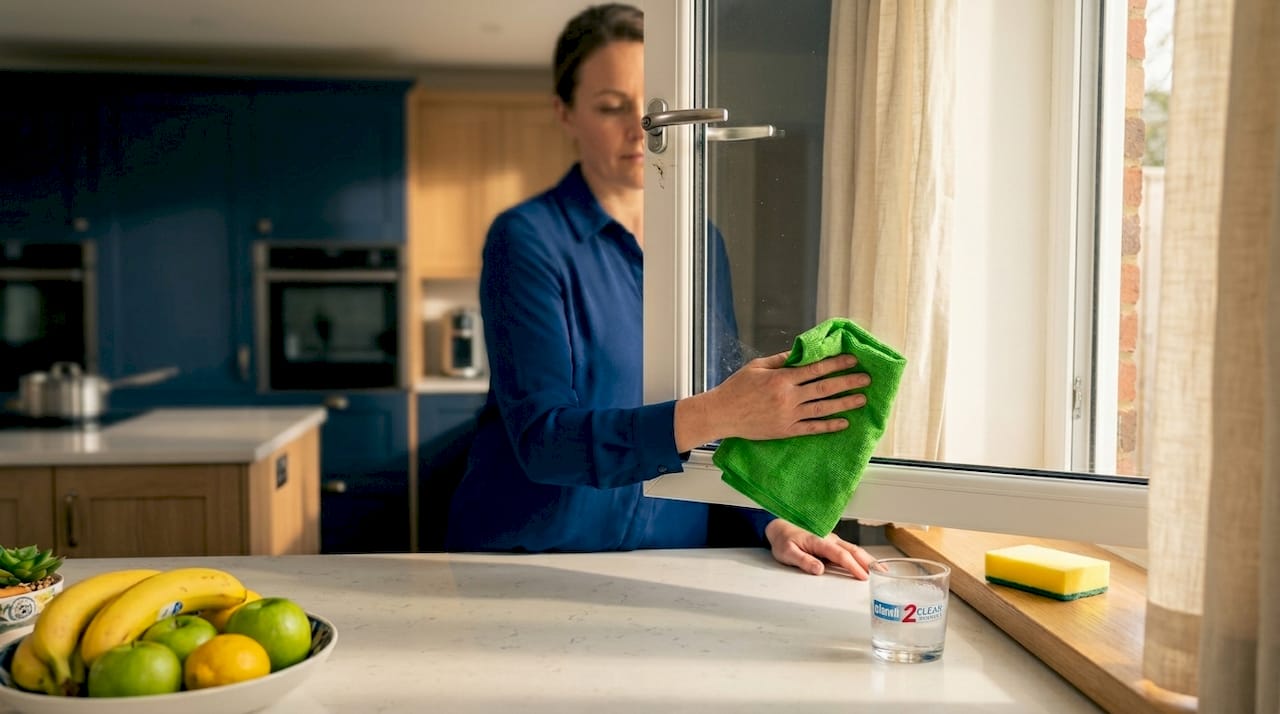
Woman preparing window cleaning supplies


Before applying any cleaning solution, remove loose dirt and debris from window frames, sills, and tracks using a soft brush or vacuum attachment. This prevents scratching the glass when you begin washing. Check the weather forecast and avoid cleaning in direct sunlight, which causes cleaning solutions to dry too quickly and leave streaks. Similarly, freezing temperatures can make water-based solutions ineffective and potentially damage seals. Early morning or late afternoon on an overcast day provides ideal conditions for streak-free results.

Proper tools and preparation ensure cleaning effectiveness and prevent damage. Taking time to prepare your workspace and select appropriate materials protects your investment and delivers superior outcomes.


Tool Purpose Caution
Mild detergent Breaks down grime without harsh chemicals Avoid ammonia-based or abrasive cleaners
Soft cloth or sponge Gentle cleaning without scratching Replace worn materials that may scratch
Squeegee Removes water for streak-free finish Wipe blade after each pass
Microfiber cloth Dries edges and polishes glass Use clean, lint-free cloths only
Bucket with warm water Dilutes cleaning solution Change water when dirty


Pro Tip: Microfiber cloths trap dirt particles more effectively than cotton towels and leave virtually no lint behind, giving you a polished, professional finish every time you maintain your double glazed windows.

Step-by-step guide to cleaning your double glazing effectively

Following a methodical approach ensures thorough cleaning without missing critical areas or causing accidental damage. This sequence has been refined through years of professional window care and delivers consistent results for both residential and commercial properties.

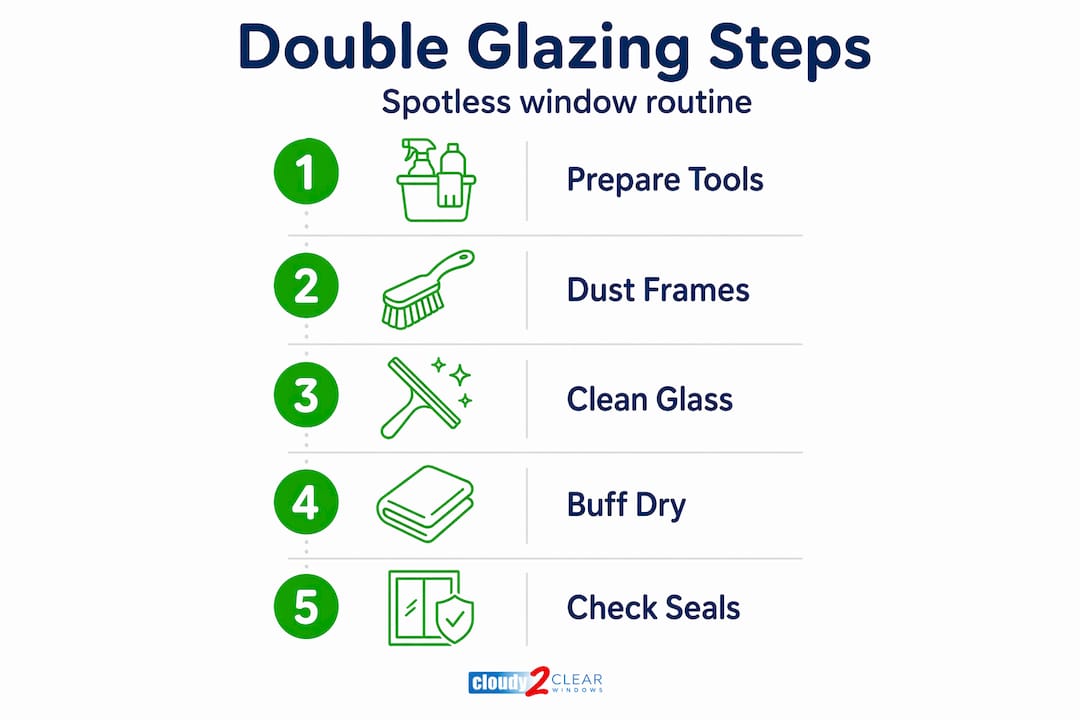
  1. Begin by rinsing each window with clean water using a gentle spray or damp cloth to remove loose dirt, pollen, and surface debris that could scratch the glass during cleaning.
  2. Mix a small amount of mild washing-up liquid into your bucket of warm water, creating a gentle cleaning solution that cuts through grime without harming seals or coatings.
  3. Dip your soft cloth or sponge into the solution, wring out excess water, and apply it to the glass using circular motions with light pressure, working from top to bottom to prevent drips on already cleaned areas.
  4. Pay special attention to window frames, hinges, and rubber seals, wiping away accumulated dirt and checking for signs of wear or damage as you clean, but avoid saturating these areas with excessive moisture.
  5. Position your squeegee at the top corner of the glass and pull it down in a smooth, continuous stroke, slightly overlapping each pass and wiping the blade with a clean cloth after every stroke to prevent streaking.
  6. Use a dry microfiber cloth to wipe edges, corners, and frames thoroughly, removing any remaining moisture that could lead to water spots or damage to surrounding materials.
  7. Inspect your work from different angles and lighting conditions, addressing any missed spots or streaks immediately while the surface is still accessible.

A systematic cleaning process improves clarity and window performance. This methodical approach ensures every surface receives proper attention without wasting time or materials.

Infographic shows double glazing cleaning process


Pro Tip: Tackle window cleaning on overcast days when diffused light makes it easier to spot streaks and the slower drying time gives you more working time before the cleaning solution evaporates, following proven double glazing care tips 2026 guidelines.

Common mistakes and troubleshooting when cleaning double glazing

Even experienced cleaners sometimes fall into traps that compromise results or damage their windows. Understanding these pitfalls helps you avoid costly mistakes and maintain your double glazing properly.

Many people reach for powerful household cleaners thinking stronger chemicals mean better results, but abrasive or ammonia-based products can degrade window seals and protective coatings. These harsh substances may initially appear to work brilliantly but often leave invisible damage that manifests months later as seal failure or condensation problems. Similarly, excessive water applied to timber frames can cause warping, swelling, or rot over time, particularly if moisture seeps into joints or unsealed wood.

The most frequent errors include:

  • Neglecting to clean frames and seals whilst focusing solely on glass, allowing dirt buildup that eventually damages these critical components
  • Skipping the drying step and leaving water to evaporate naturally, which creates unsightly water spots and potential moisture damage
  • Using paper towels or rough cloths that leave lint and may scratch protective coatings
  • Applying excessive pressure whilst scrubbing, which can damage seals or even crack glass in extreme cases
  • Cleaning in direct sunlight when solutions dry too quickly, leaving stubborn streaks

If you notice persistent condensation appearing between the glass panes rather than on the surface, cleaning alone cannot resolve this issue. This symptom typically indicates failed seals or trapped moisture within the sealed unit itself, requiring professional assessment and likely replacement of the affected glazing unit. Attempting to drill holes or separate the panes yourself will only worsen the problem and void any remaining warranty.

Handle all cleaning materials gently and avoid applying pressure to seals or glass edges. Patience and proper technique deliver better results than aggressive scrubbing, protecting your investment whilst achieving superior clarity.

When troubleshooting persistent problems, consider whether environmental factors like high humidity, poor ventilation, or temperature extremes might be contributing to recurring issues. Sometimes the solution involves improving airflow or adjusting heating patterns rather than changing your cleaning approach. If problems persist despite proper cleaning and maintenance, consult specialists who can diagnose underlying issues before they escalate into expensive repairs.

Verifying results and maintaining your double glazing post-cleaning

Completing the cleaning process is only half the battle; confirming quality results and establishing ongoing maintenance routines ensures your windows stay pristine and efficient between deep cleaning sessions.

Immediately after finishing, inspect each window carefully:

  1. View the glass from multiple angles in different lighting conditions to identify any remaining streaks, water spots, or missed areas that need attention.
  2. Check all edges and corners where water might have pooled, wiping away any moisture before it dries and leaves marks.
  3. Examine seals and frames for signs of damage, wear, or deterioration that might require repair or monitoring.
  4. Test window operation by opening and closing each unit to ensure cleaning hasn’t affected hinges or locking mechanisms.
  5. Look for any condensation forming between panes, which would indicate seal failure requiring professional attention.

Establishing a regular maintenance schedule prevents costly repairs and maintains energy efficiency. Most experts recommend comprehensive cleaning at least twice yearly, typically in spring and autumn when weather conditions are most favourable. However, properties in coastal areas, near busy roads, or in industrial zones may benefit from quarterly cleaning due to increased exposure to salt, pollution, and airborne contaminants.

Between scheduled deep cleans, implement these routine maintenance practices:

  • Wipe down frames and sills monthly to prevent dirt accumulation that becomes harder to remove over time
  • Keep drainage holes clear by gently probing with a thin wire or pipe cleaner to prevent water buildup that can damage frames
  • Inspect seals quarterly for cracks, gaps, or deterioration that could allow moisture infiltration
  • Address minor issues immediately before they develop into major problems requiring expensive repairs
  • Maintain consistent indoor humidity levels between 40-60% to minimise condensation and reduce cleaning frequency
  • Ensure adequate ventilation in rooms with double glazing to prevent moisture buildup on glass surfaces

Documenting your maintenance activities in a simple log helps you track patterns, identify recurring issues, and demonstrate proper care if warranty claims become necessary. Note the date, cleaning products used, any problems discovered, and actions taken. This record proves invaluable when troubleshooting persistent issues or consulting with professionals about potential repairs. Understanding your double glazing options explained helps you make informed decisions about maintenance priorities and replacement timing.

Discover expert double glazing repair and replacement services

Whilst proper cleaning and maintenance significantly extend the life of your double glazing, some issues require professional intervention to resolve properly. Condensation between panes, failed seals, damaged glass, or compromised frames cannot be fixed with cleaning alone. Cloudy2Clear Windows has specialised in double glazing repairs & glass replacement throughout the UK since 2005, helping homeowners and businesses restore window performance without the expense of complete replacements.

https://www.cloudy2clearwindows.co.uk


Our experienced technicians can assess your windows, identify the root cause of problems, and recommend cost-effective solutions tailored to your specific situation. Early intervention often prevents minor issues from escalating into major failures requiring complete unit replacement. Whether you need seal repairs, glass replacement, or advice on maintaining your existing windows, our team brings decades of expertise to every project.

Professional care extends window lifespan and maintains energy efficiency, protecting your investment whilst ensuring your property looks its best year-round.

Contact Cloudy2Clear Windows today for a comprehensive evaluation and discover how our specialist services can restore clarity, efficiency, and value to your double glazing.

FAQ

How do I clean double glazed windows without leaving streaks?

Use a quality squeegee with smooth, continuous strokes from top to bottom, wiping the blade with a clean cloth after each pass to prevent transferring dirt back onto the glass. Follow up immediately with a dry microfiber cloth to wipe edges and corners where water tends to pool. Clean on overcast days or in shade to prevent cleaning solutions from drying too quickly, which is the primary cause of stubborn streaks.

What causes condensation inside double glazed windows?

Condensation appearing between the glass panes rather than on the surface indicates failed seals or trapped moisture within the sealed unit itself. This problem cannot be resolved through cleaning and typically requires professional repair or complete unit replacement. External condensation on glass surfaces is normal and can be managed through proper ventilation and humidity control, but internal condensation signals structural failure that compromises both appearance and insulation performance. Learn more about causes of condensation in double glazing to identify whether your issue requires professional attention.

How often should I clean and maintain my double glazed windows?

Experts recommend thorough cleaning at least twice per year, typically in spring and autumn, to maintain optimal clarity and performance. Properties exposed to coastal salt air, heavy traffic pollution, or industrial contaminants may benefit from quarterly cleaning to prevent buildup that becomes progressively harder to remove. Regular inspections during cleaning sessions help identify developing issues early, allowing you to address minor problems before they require expensive repairs. Following recommended double glazing maintenance frequency guidelines ensures your windows deliver maximum energy efficiency and lifespan.

Can I use vinegar or other home remedies to clean double glazing?

Whilst diluted white vinegar can be effective for removing water spots and light grime, avoid using it regularly as the acidity may gradually degrade rubber seals and protective coatings over time. Stick with mild washing-up liquid and warm water for routine cleaning, reserving vinegar solutions only for stubborn mineral deposits that resist gentler methods. Never use undiluted vinegar, bleach, or other harsh household chemicals that can permanently damage seals and void manufacturer warranties.

What should I do if my double glazed windows have scratches on the glass?

Minor surface scratches may be polished out using specialist glass polishing compounds available from hardware stores, but deep scratches that catch your fingernail typically require professional glass replacement. Attempting to repair significant scratches yourself often makes them more visible or damages surrounding areas. Consult a professional glazier to assess whether polishing is viable or if replacement represents the more cost-effective solution for maintaining both appearance and performance.

How to select glazing options for energy efficiency

Choosing the right glazing for your home or business can feel overwhelming with so many options available. The decision affects your energy bills, comfort levels, and property value for years to come. Whether you’re upgrading old single glazing or selecting windows for a new build, understanding the key factors helps you make a confident, informed choice. This guide walks you through glazing types, frame materials, building regulations, and how to find reliable installers so you can balance energy efficiency with aesthetic appeal.

Understanding glazing types and energy efficiency

The type of glazing you choose directly impacts how much heat escapes through your windows. Single glazing, common in older properties, offers minimal insulation and allows substantial heat loss. Double glazing uses two panes of glass with a sealed gap between them, typically filled with inert gas. Upgrading from single to high-performance triple glazing can reduce heat loss through windows by a significant margin, making it ideal for colder climates or properties facing busy roads.

Contractor explains single double triple glazing


U-values measure how well a window prevents heat from escaping. Lower U-values mean better insulation. Current building regulations in England and Scotland typically require replacement windows to achieve a maximum U-value of 1.6 W/m²K, though new builds may have stricter requirements. Double glazing significantly reduces heat loss compared to single glazing, leading to lower energy bills and reduced carbon emissions. Argon or Krypton gas fills further improve insulation by reducing heat transfer between the panes.

The G-value indicates how much solar heat gain passes through the glass. While a low U-value prevents heat loss, a balanced G-value allows beneficial solar warmth in winter whilst avoiding overheating in summer. Understanding both measurements helps you select glazing suited to your property’s orientation and local climate. For comprehensive information on advanced options, explore our triple glazing guide.


Glazing type Typical U-value Heat loss reduction vs single glazing
Single glazing 5.0-5.8 W/m²K Baseline (0%)
Double glazing (air gap) 2.8-3.0 W/m²K Approximately 50%
Double glazing (Argon fill) 1.4-1.6 W/m²K Approximately 70-75%
Triple glazing (Argon fill) 0.8-1.2 W/m²K Approximately 80-85%


Key factors affecting glazing efficiency include:

  • Gap width between panes (typically 16-20mm for optimal performance)
  • Type of inert gas fill (Argon is standard, Krypton offers superior insulation)
  • Low-emissivity (Low-E) coatings on glass surfaces to reflect heat back into the room
  • Spacer bar material (warm edge spacers reduce thermal bridging)
  • Overall window frame quality and seal integrity

Pro Tip: Consider triple glazing for very cold or noisy locations for maximum efficiency and comfort. The additional pane provides superior sound insulation alongside thermal benefits, making it worthwhile in exposed or urban settings.

Infographic comparing glazing types and values

Choosing the right frame materials and styles

Frame material plays a crucial role in your window’s overall thermal performance and longevity. uPVC is cost-effective and low-maintenance, whilst timber offers better insulation but requires more upkeep. Aluminium frames are durable but can have higher thermal conductivity unless fitted with thermal breaks. Each material brings distinct advantages depending on your priorities for aesthetics, maintenance, and energy efficiency.

uPVC frames dominate the UK market due to their affordability and minimal maintenance requirements. They resist rot, don’t need painting, and provide good thermal insulation when properly manufactured. Timber frames suit period properties and conservation areas where maintaining architectural character matters. Modern timber windows receive factory treatments that improve durability, though they still need periodic painting or staining. Aluminium frames offer slim sightlines and contemporary styling, increasingly popular for large glazed areas and commercial applications.

Frame style affects both appearance and performance. Casement windows open outward on hinges, providing excellent ventilation and easy cleaning. Sash windows slide vertically, preserving traditional aesthetics whilst modern versions incorporate double glazing and draught-proofing. Tilt and turn windows offer versatile opening options, particularly useful for upper floors. Your choice should balance your property’s architectural style with practical considerations like ease of use and ventilation needs.

Benefits and drawbacks of common frame materials:

  • uPVC: Excellent value, virtually maintenance-free, good insulation, wide colour range, but less authentic for period properties
  • Timber: Superior insulation, natural appearance, renewable material, repairable, but requires regular maintenance and higher initial cost
  • Aluminium: Very durable, slim profiles, modern aesthetic, recyclable, but can be more expensive and needs thermal breaks for efficiency
  • Composite: Combines materials (often timber interior with aluminium exterior) for balanced performance, durability, and appearance

Pro Tip: Choose frame materials suited to your property’s character and climate for balanced performance and appearance. A Victorian terrace benefits from timber or heritage uPVC, whilst a modern extension might suit sleek aluminium frames with minimal sightlines.

For detailed comparisons of frame options, visit our window frame materials guide and window materials types explained to understand which solution fits your specific requirements.

Building regulations govern window energy performance to ensure new installations contribute to reducing carbon emissions. U-values are critical for energy efficiency, with lower values indicating better insulation. Building regulations in England and Scotland mandate specific U-value thresholds for new and replacement windows. Understanding these requirements helps you select compliant products and avoid costly retrofitting.

For replacement windows in existing properties, minimum U-value requirements stand at 1.6 W/m²K for windows and 1.8 W/m²K for doors in residential properties across the UK. New build properties face stricter whole-building energy performance standards under Part L of the Building Regulations. Your installer should demonstrate compliance through certification schemes like FENSA, CERTASS, or local authority building control approval.


Element Minimum U-value (W/m²K) Application
Replacement windows 1.6 Existing residential properties
Replacement doors 1.8 Existing residential properties
New build windows Varies Part of whole-building calculation
Roof windows 1.6 Replacement installations


Compliance requirements and certification essentials:

  • All replacement windows must achieve minimum U-value thresholds or better
  • Installations require certification from approved schemes (FENSA, CERTASS) or building control approval
  • Energy Performance Certificate (EPC) ratings should reach ‘C’ or above for replacement windows where practical
  • Installers must provide a certificate of compliance within 30 days of completion
  • Conservation areas and listed buildings may have additional planning requirements

Properly installed windows and doors that comply with regulations can significantly reduce energy consumption whilst enhancing property value and occupant comfort. Exceeding minimum standards often proves worthwhile, as the marginal cost difference between standard and high-performance glazing delivers long-term savings through reduced heating bills.

Our window building regulations guide and window installation compliance guide provide comprehensive information on meeting current standards whilst maximising energy savings.

Getting reliable quotes and choosing a certified installer

Selecting the right installer matters as much as choosing quality glazing. Homeowners should obtain multiple quotes, ideally three, from different double-glazing companies to establish a reasonable price and identify potentially dishonest practices. A transparent, detailed quote protects you from unexpected costs and helps compare like-for-like offerings.

Steps for obtaining and comparing quotes effectively:

  1. Request written quotes from at least three certified installers with detailed breakdowns
  2. Ensure the quoted price includes all costs, such as installation and labour, to prevent unexpected charges
  3. Verify each company’s certification status through FENSA or equivalent scheme websites
  4. Ask for references from recent customers and check online reviews independently
  5. Compare warranty terms, including glass unit guarantees and installation workmanship coverage
  6. Clarify payment terms, deposit requirements, and any cooling-off period provisions

Red flags that suggest unreliable installers:

  • High-pressure sales tactics or “today only” discount offers that expire immediately
  • Reluctance to provide written quotes or detailed specifications
  • Requests for large upfront deposits (typically no more than 25% is reasonable)
  • Inability to provide proof of insurance, certification, or recent references
  • Vague answers about U-values, guarantees, or compliance with building regulations
  • Prices significantly below market rate, which may indicate substandard materials or workmanship

Check if the company is approved by FENSA to ensure the installer meets government standards. Certification provides recourse through independent dispute resolution if problems arise and guarantees compliance documentation.

Pro Tip: Ask about insurance-backed guarantees and deposit protection for peace of mind. These safeguards protect your investment if the company ceases trading before completing the work or during the guarantee period.

For practical advice on managing costs without compromising quality, explore our guides on double glazing cost reduction tips, double glazing pricing, and cutting installation costs.

Explore double glazing repairs and window glass replacement with Cloudy2Clear

Choosing the right glazing partner makes all the difference in achieving energy efficiency and lasting quality. Cloudy2Clear Windows brings over two decades of expertise in double glazing repairs and window replacement across England and Scotland. We understand that your property deserves solutions that balance performance, aesthetics, and value.

https://www.cloudy2clearwindows.co.uk


Our certified installers ensure every project complies with current UK building regulations whilst delivering competitive pricing and comprehensive guarantees. Whether you need replacement windows for your home or commercial glazing solutions for your business, we provide transparent quotes and expert guidance throughout the process. Visit Cloudy2Clear Windows to explore how our experience since 2005 can help you make confident decisions about your glazing needs.

Frequently asked questions

What is the difference between double and triple glazing?

Triple glazing features three panes of glass with two sealed gaps, typically filled with inert gas, offering superior insulation compared to double glazing’s two panes and single gap. The additional layer reduces heat loss further and provides enhanced sound insulation, making it ideal for very cold climates or noisy locations. However, triple glazing costs more and adds weight to frames, requiring robust hinges and supports. For most UK properties, high-quality double glazing with Argon fill and Low-E coatings delivers excellent performance at better value. Learn more about advanced options in our triple glazing benefits guide.

How do building regulations affect my choice of glazing?

Building regulations set minimum energy performance standards that your windows must meet, typically requiring replacement windows to achieve U-values of 1.6 W/m²K or better. Certified installers handle compliance documentation, but you should verify that quoted products meet or exceed these thresholds. Conservation areas and listed buildings may have additional planning requirements that restrict glazing choices to preserve architectural character. Working with FENSA-approved installers ensures your installation complies with regulations and receives proper certification. Our window energy regulations guide explains current requirements in detail.

What should I look for when comparing quotes for glazing?

Ensure each quote includes complete cost breakdowns covering materials, labour, installation, disposal of old windows, and any necessary structural work. Verify that specifications match across quotes, including U-values, glass types, frame materials, and hardware quality. Check warranty terms carefully, as longer guarantees on glass units and installation workmanship indicate installer confidence. Request three or more quotes to establish fair market pricing and identify outliers. Avoid companies using high-pressure tactics or offering steep discounts that expire immediately. Visit our double glazing cost advice page for practical tips on managing expenses.

Why is frame material important for my window glazing choice?

Frame material affects thermal performance, maintenance requirements, durability, and aesthetic compatibility with your property. Timber frames offer excellent natural insulation and suit period properties but need regular painting or staining. uPVC provides low-maintenance convenience and good thermal performance at competitive prices. Aluminium delivers slim profiles and modern styling but requires thermal breaks to prevent heat loss. The frame accounts for a significant portion of the window area, so its insulation properties directly impact overall energy efficiency. Selecting the right material complements your glazing choice to optimise energy savings and longevity. Explore detailed comparisons in our window frame materials guide.

Benefits of commercial glazing for energy efficiency 2026

Many commercial property managers assume that thicker glass automatically means better insulation, or that glazing is purely about aesthetics. These misconceptions cost businesses thousands in unnecessary energy expenses and missed opportunities for occupant wellbeing. Modern commercial glazing delivers measurable improvements in energy efficiency, natural light quality, acoustic comfort, and productivity. This guide clarifies the real benefits of advanced glazing solutions for commercial properties in England and Scotland, backed by expert research and practical implementation advice. You will learn how to select, install, and maximise the performance of glazing systems that transform your building’s operating costs and workplace environment.

Understanding energy efficiency benefits of commercial glazing

Thermal transmittance, measured as U-values, determines how effectively glazing prevents heat loss. Lower U-values indicate better insulation. You must distinguish between centre-pane U-values, which measure only the glass itself, and whole-unit U-values that include the frame and edge effects. Whole-unit values provide the accurate performance metric for real-world installations.

Technician measuring thermal performance of glazing


The coatings and gas fills are critical for insulation, not glass thickness alone. Low-emissivity coatings reflect infrared radiation back into the building whilst allowing visible light through. Hard-coat low-e applications suit high-traffic commercial environments, whilst soft-coat versions deliver superior thermal performance for climate-controlled offices. Argon or krypton gas fills between panes reduce convective heat transfer far more effectively than air.

Several factors determine your glazing’s thermal efficiency. Glass type establishes the baseline, but coatings multiply performance gains. The gas fill between panes affects conductivity, whilst spacer bars at the edges create thermal bridges if poorly designed. Installation quality determines whether the specified U-value translates into actual building performance. Gaps, poor sealing, or incorrect fitting compromise even the best glazing systems.

Pro Tip: Always request whole-unit U-values when evaluating glazing options, as centre-pane figures can be misleading and overstate real-world thermal performance by 20% or more.

Here is how different commercial glazing types compare for thermal performance:


Glazing type Typical whole-unit U-value (W/m²K) Best applications
Single glazing 5.0-5.8 Heritage buildings only
Standard double glazing 2.8-3.2 Basic commercial retrofits
Low-e double glazing 1.6-2.0 Most commercial buildings
Triple glazing 0.8-1.2 High-performance offices
Low-e triple with argon 0.6-0.9 Premium commercial spaces


Energy-efficient glazing directly reduces your heating and cooling expenses. Buildings lose significant heat through windows, and upgrading from single to energy efficient double glazing can cut this loss by 60%. The investment pays back through lower energy bills, improved thermal comfort, and reduced carbon emissions. Understanding how double glazing reduces heat loss helps you make informed decisions about which specifications match your building’s needs and budget constraints.

Infographic on glazing types and energy benefits

Enhancing occupant wellbeing and productivity with glazing

Natural daylight through commercial glazing transforms workplace environments beyond simple illumination. Exposure to daylight regulates circadian rhythms, improving sleep quality and alertness during working hours. Employees near windows report higher job satisfaction and experience less eye strain than those in artificially lit spaces. Views of the outdoors reduce mental fatigue and provide psychological restoration during demanding tasks.

Commercial glazing designs optimise these benefits through several approaches:

  • Maximising glazed area whilst controlling glare with tints or blinds
  • Positioning windows to distribute daylight deep into floor plates
  • Using high visible light transmittance glass to brighten interiors
  • Incorporating clerestory windows or skylights for top lighting
  • Specifying low-reflectance coatings to maintain clear exterior views

Research demonstrates measurable productivity gains from improved glazing. The World Green Building Council found that workplaces with abundant natural light and quality views boost employee performance significantly:

Increased natural light and views boost employee productivity by 15% and reduce absenteeism.

These improvements translate directly into business value. A 15% productivity increase in a 50-person office generates substantial annual returns that dwarf the glazing investment cost. Reduced sick days lower operational disruption and recruitment expenses. Better staff retention saves on training and maintains institutional knowledge.

Balancing daylight benefits with glare control requires thoughtful design. Position workstations perpendicular to windows rather than facing them directly. Install adjustable blinds or films that preserve views whilst cutting harsh sunlight. Consider automated shading systems that respond to sun position throughout the day. Specify glazing with appropriate visible light transmittance for your building’s orientation and latitude.

Compliance with window building regulations ensures your glazing meets minimum daylight and thermal performance standards. However, exceeding these baselines delivers the wellbeing and productivity advantages that create competitive workplaces. Investing in superior glazing specifications pays returns through human performance, not just energy savings.

Reducing noise pollution: acoustic advantages of commercial glazing

External noise pollution degrades commercial environments in predictable ways. Traffic rumble, construction activity, and urban bustle penetrate standard glazing, raising stress levels and reducing concentration. Employees in noisy offices make more errors, take longer to complete tasks, and report lower job satisfaction. Customer-facing businesses suffer when external noise interferes with conversations or creates an unprofessional atmosphere.

Acoustic glazing technology addresses these challenges through specialised construction. Laminated glass incorporates a plastic interlayer that dampens sound vibration between glass sheets. Asymmetric configurations use different glass thicknesses on each side to disrupt sound wave resonance. Insulated glass units with wider cavity spacing and dense gas fills further attenuate noise transmission. The combination creates a barrier that acoustic glazing can reduce noise by up to 40 decibels, transforming harsh urban soundscapes into comfortable work environments.

Typical noise reduction performance varies by glazing specification:

  • Standard double glazing: 28-32 dB reduction
  • Laminated double glazing: 35-38 dB reduction
  • Acoustic laminated double glazing: 40-45 dB reduction
  • Triple glazing with acoustic laminate: 45-50 dB reduction

These reductions make substantial differences to perceived noise levels. A 10 dB reduction cuts perceived loudness by half. Upgrading from standard to acoustic glazing can transform a noisy street-facing office into a space as quiet as a suburban residential area. The improvement enhances focus, reduces fatigue, and creates professional environments for client meetings.

Pro Tip: Always verify acoustic glazing carries independent certification for its stated performance rating, and ensure installers use acoustic seals and proper fitting techniques to achieve the full noise reduction potential.

Commercial properties near airports, railways, motorways, or industrial areas benefit most from acoustic glazing investment. However, even moderate urban noise levels justify the upgrade when employee productivity and wellbeing matter. Combining acoustic performance with thermal efficiency creates glazing systems that address multiple building challenges simultaneously. Explore acoustic noise reduction solutions to understand complementary approaches that work alongside glazing improvements.

Choosing and installing the right commercial glazing solutions

Selecting appropriate commercial glazing requires matching performance characteristics to your building’s specific needs and constraints. This comparison helps you evaluate options:

| Feature | Standard double | Low-e double | Triple glazing | Acoustic laminated |
| — | — | — | — |
| Thermal performance | Moderate | Excellent | Outstanding | Good |
| Acoustic performance | Basic | Basic | Good | Excellent |
| Cost (relative) | Low | Medium | High | Medium-high |
| Weight | Light | Light | Heavy | Medium |
| Best for | Budget retrofits | Energy efficiency | Premium builds | Noise control |

Low-emissivity coating types affect both performance and durability. Hard-coat low-e applications bond to the glass surface during manufacturing, creating durable finishes that withstand handling and cleaning in high-traffic commercial settings. Soft-coat low-e coatings apply after glass production, delivering superior thermal performance but requiring protection within sealed units. Gas fills between panes enhance insulation, with argon offering good performance at reasonable cost whilst krypton provides maximum efficiency in narrow cavities.

Follow this process to ensure successful glazing selection and installation:

  1. Assess your building’s primary needs: thermal efficiency, noise control, solar management, or combination priorities.
  2. Select glazing specifications that address these needs whilst fitting budget and structural constraints.
  3. Verify manufacturer specifications include whole-unit U-values, acoustic ratings, and solar heat gain coefficients.
  4. Hire certified installers with commercial glazing experience and request references from similar projects.
  5. Ensure comprehensive warranties cover both product performance and installation workmanship for minimum five years.

Pro Tip: Buildings with extensive south or west-facing glazing should prioritise solar control coatings that reduce heat gain by 40-60%, dramatically lowering cooling costs and preventing uncomfortable overheating during summer months.

Installation quality determines whether your glazing achieves its specified performance. Proper installation and sealing are critical, as poor workmanship negates even the best glazing benefits. Common mistakes include inadequate weathersealing, incorrect glazing bead installation, thermal bridge creation at fixing points, and poor alignment causing air leakage. These errors reduce thermal performance, create condensation problems, and shorten glazing lifespan.

Understanding glazing installation cost factors helps you budget appropriately without compromising quality. Familiarise yourself with types of safety glass requirements for commercial applications, particularly ground-floor and high-traffic areas where building regulations mandate toughened or laminated specifications. Consult NFRC installation standards and solar control glazing advice to ensure your project meets industry best practices.

Explore expert commercial glazing services at Cloudy2Clear

Transforming your commercial property with advanced glazing requires expertise that extends beyond product knowledge to installation excellence. At Cloudy2Clear Windows, we have delivered commercial glazing repair and replacement solutions throughout England and Scotland since 2005, helping property managers achieve measurable improvements in energy efficiency, occupant comfort, and building performance.

https://www.cloudy2clearwindows.co.uk


Our experience with energy-efficient and acoustic glazing systems ensures you receive specifications matched precisely to your building’s requirements and budget. Whether you need thermal performance upgrades, noise control solutions, or comprehensive glazing replacement, we provide professional guidance through every decision. Explore our energy efficient double glazing guide to understand how modern glazing technology can reduce your operating costs whilst creating healthier, more productive workplaces. Contact us today for expert advice and professional installation that delivers lasting value.

Frequently asked questions

What types of commercial glazing improve energy efficiency the most?

Low-e triple glazing with argon or krypton fills delivers the best thermal performance, achieving U-values as low as 0.6 W/m²K. However, low-e double glazing offers excellent efficiency at lower cost for most commercial applications. The optimal choice depends on your building’s heating and cooling demands, budget, and structural capacity to support heavier units.

How does commercial glazing impact noise levels inside office buildings?

Acoustic laminated glazing reduces external noise by 40-45 decibels, cutting perceived loudness by more than half compared to standard windows. This transformation creates comfortable work environments even in noisy urban locations. The improvement enhances concentration, reduces stress, and creates professional spaces for client interactions.

Why is professional installation so important for glazing performance?

Poor installation creates air leakage, thermal bridges, and moisture problems that negate your glazing’s specified performance. Gaps around frames, incorrect sealing, and inadequate weatherproofing reduce thermal efficiency by 20-30%. Professional installers ensure proper fitting, comprehensive sealing, and correct alignment that delivers the full benefits of your glazing investment.

What role do solar control coatings play for commercial windows?

Solar control coatings reflect infrared radiation whilst allowing visible light through, reducing heat gain by 40-60% in buildings with high solar exposure. This prevents uncomfortable overheating, lowers air conditioning costs, and protects furnishings from UV damage. Buildings with extensive south or west-facing glazing benefit most from these specifications.

Can upgrading glazing really improve employee productivity?

Research demonstrates that improved natural light and views through quality glazing boost productivity by 15% and reduce absenteeism. These gains result from better circadian rhythm regulation, reduced eye strain, and psychological benefits of outdoor views. The productivity increase typically generates returns that exceed glazing costs within 2-3 years. Understanding double glazing energy efficiency helps you quantify both energy and human performance benefits.