• USP Logo Icon
    25 Year Guarantee
  • USP Leaf Icon
    Latest ECO Friendly Technology
  • USP Pointer Icon
    National Coverage
Get a FREE quote

Why choose low-maintenance glazing for your property

Traditional windows demand more from you than most people realise. The recurring cleaning and maintenance costs of standard glazing add up steadily over the years, eating into your time and budget without much fanfare. Rotting timber frames, condensation between panes, and glass that seems to attract grime the moment you’ve cleaned it are all familiar frustrations. Low-maintenance glazing addresses each of these pain points directly, using modern materials and coatings to reduce the work your windows demand. This article explains what low-maintenance glazing actually is, why it matters for homes and businesses across England and Scotland, and how to choose the right solution for your property.

Understanding low-maintenance glazing: what makes it different?

Now that you know why traditional glazing means constant work, let’s clarify what ‘low-maintenance glazing’ actually is and how it’s designed to simplify your life.

Low-maintenance glazing is not a single product. It is a category of window solutions that combines self-cleaning technologies with durable, weather-resistant materials to reduce how much attention your windows need over time. Think of it as the difference between a car that needs waxing every month and one with a factory-applied protective coating that repels water and dirt for years.

The core technologies that define this category include:

  • Self-cleaning glass coatings: A microscopic titanium dioxide layer bonds to the glass surface. Ultraviolet light breaks down organic dirt, and rainwater then washes it away cleanly rather than leaving streaks.
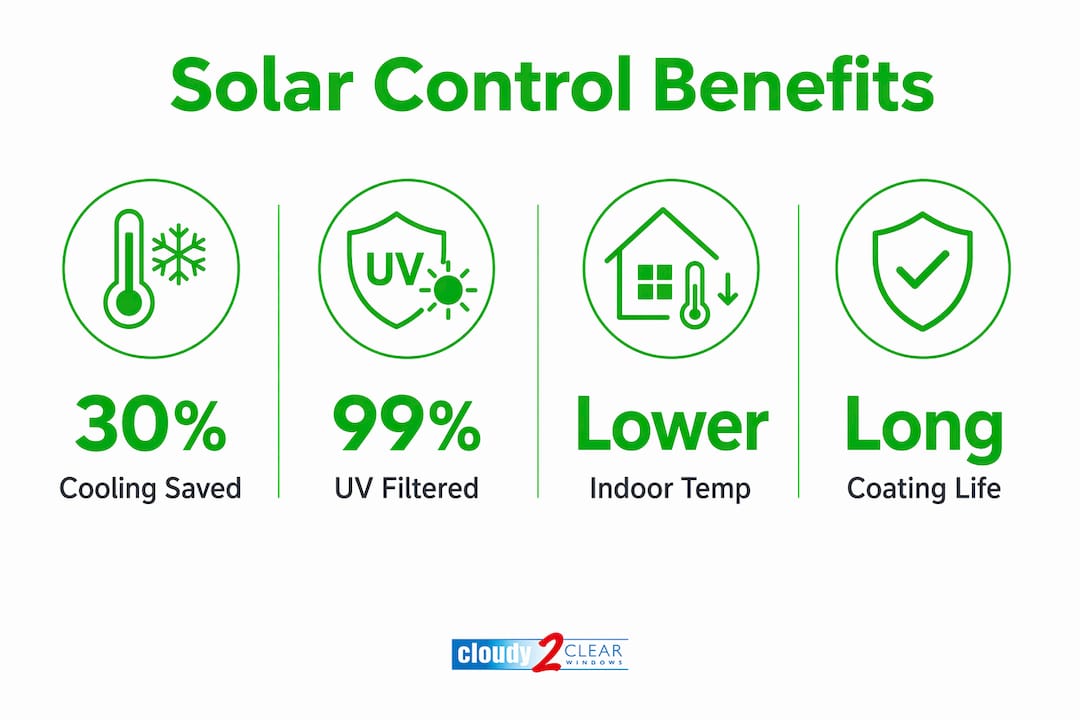
  • Low-E glass: Low-emissivity (Low-E) glass has a thin metallic coating that reflects heat back into the room during winter and blocks solar heat gain in summer. It reduces energy loss without compromising light.
  • uPVC and aluminium frames: Unlike timber, uPVC (unplasticised polyvinyl chloride) and aluminium frames do not rot, warp, or require regular painting. They hold their shape and colour across decades of use.
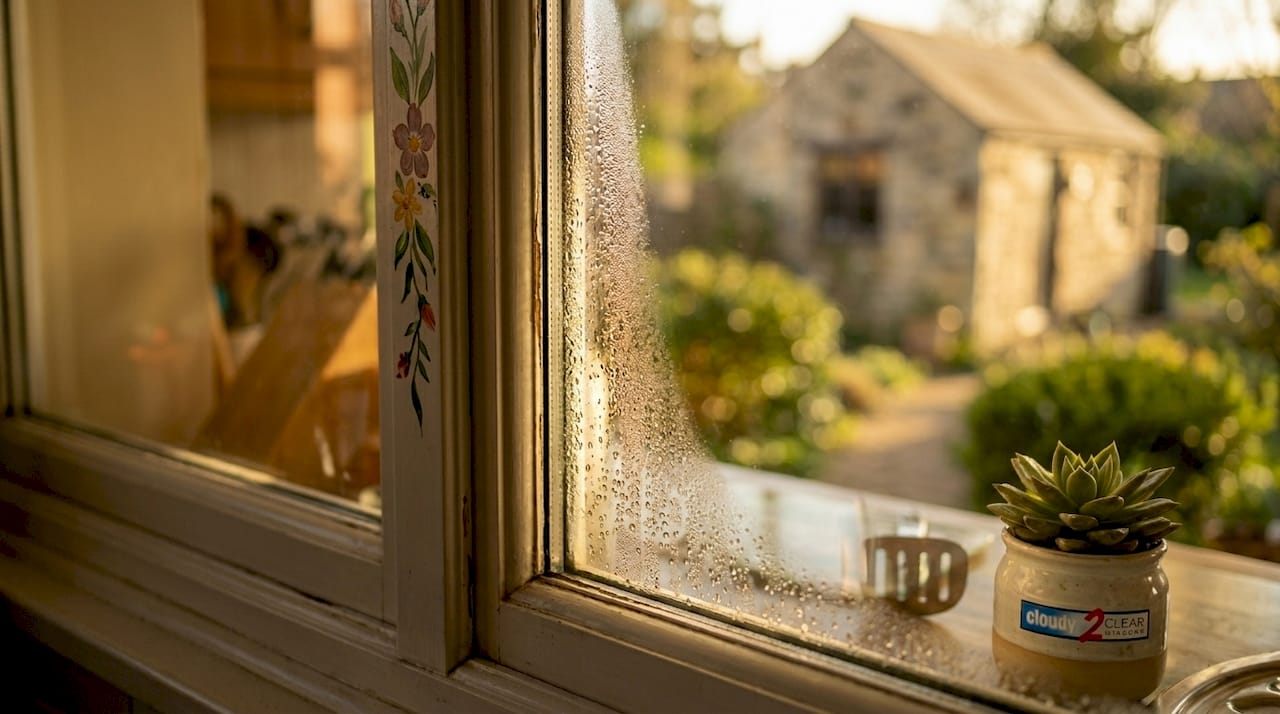
  • Sealed double-glazed units: Modern units are factory-sealed to prevent moisture ingress, eliminating the condensation that clouds older windows from the inside.

A common misconception is that low-maintenance glazing is significantly more expensive or complicated to install than standard options. In practice, updating your double glazing to a low-maintenance specification adds modest cost upfront but removes years of repair and cleaning bills. It is also no more disruptive to fit than a standard replacement.

Installers fitting glazing in UK kitchen extension


Pro Tip: Choose windows that combine both Low-E coatings and self-cleaning glass surfaces. Each technology works independently, but together they deliver noticeably better performance and genuinely reduce the effort your windows require year-round. You can find practical glazing care tips to keep even upgraded units performing at their best.

For broader context on energy-efficient upgrades across your property, glazing is consistently one of the highest-impact starting points.

Infographic of low-maintenance glazing benefits

Key benefits of low-maintenance glazing for UK properties

With a clear picture of what defines low-maintenance glazing, it’s essential to understand the tangible benefits these solutions deliver for UK homes and businesses.

The advantages go well beyond saving time on cleaning. Here is what you can realistically expect:

  • Reduced cleaning frequency: Self-cleaning coatings mean you may only need to rinse your windows occasionally rather than scrubbing them every few weeks.
  • Lower energy bills: A-rated double glazing saves £140 a year compared to single glazing, a meaningful figure for any household or business operating across multiple years.
  • Greater durability: uPVC and aluminium frames withstand the damp, variable conditions common across England and Scotland far better than timber alternatives.
  • Fewer unexpected repair costs: Sealed, high-quality units are less prone to failure, meaning fewer call-outs and replacement jobs.
  • Better property value: Energy-efficient glazing contributes positively to your EPC (Energy Performance Certificate) rating, which matters increasingly for both sales and lettings.

“Upgrading to energy-efficient glazing is one of the most reliable ways to improve both comfort and long-term property value, particularly in regions with colder, wetter climates like Scotland and northern England.”

You can explore our dedicated energy efficiency guide to understand exactly how your current windows perform and where the biggest gains lie. If you want to see what the numbers look like for your specific situation, our window replacement savings calculator gives you a personalised estimate.

For properties looking to improve their standing, improving EPC ratings through glazing upgrades is a well-established route that surveyors and estate agents recognise.

Comparing low-maintenance glazing with other options

Knowing why low-maintenance glazing stands out, it’s logical to see how it compares to other popular choices on the market.

Glazing type Maintenance level Typical lifespan Energy performance Relative cost
Single glazing High 20-30 years Poor Low upfront, high running
Standard double glazing Moderate 20-25 years Good Moderate
Low-maintenance double glazing Low 25-35 years Very good Moderate to slightly higher
Triple glazing Low to moderate 25-35 years Excellent High


One issue that rarely gets discussed is argon gas degradation. Argon gas is used between panes to improve insulation, but gas retention can fall from 90% to as little as 1% after 10 to 25 years, noticeably reducing thermal performance. This affects standard double and triple glazing alike, making the quality of the sealed unit just as important as the number of panes.

Triple glazing is often presented as the premium choice, but for most UK properties it is over-specified. You can read more about triple glazing explained to weigh it up properly. In most cases, well-specified low-maintenance double glazing delivers comparable comfort at lower cost.

Here is a practical framework for evaluating the right option for your property:

  1. Assess your current glazing: Is it single-glazed, or older double glazing showing signs of seal failure or condensation?
  2. Consider your climate: Properties in Scotland or exposed northern locations benefit most from Low-E coatings and quality seals.
  3. Set a realistic budget: Factor in running costs and cleaning time, not just the purchase price.
  4. Check frame condition: Frames in poor condition undermine even the best glass. Replacing both together gives the best result.
  5. Avoid over-specifying: Read our guide on choosing energy-efficient glazing before committing to premium options you may not need.

Pro Tip: Prioritise the features most relevant to your region. A coastal property in Scotland needs excellent weather resistance. A city-centre office in England may benefit more from solar control coatings. Matching the specification to your actual conditions saves money and avoids unnecessary upgrades. See our advice on minimising glazing costs for more practical guidance.

Special considerations: period homes, heritage sites, and unique buildings

Beyond modern homes and offices, what about historic buildings and unique architectural gems? Special solutions exist for these scenarios too.

Older and listed buildings present genuine challenges. Planning regulations often restrict the types of changes you can make, and preserving the original character of a building is frequently a condition of any approval. Yet these properties are also among the least energy-efficient, making upgrades both desirable and complicated.

The good news is that Low-E glazing can be used in heritage sash windows to meet building regulations without altering the original appearance. Specialist manufacturers produce slim-profile double-glazed units that fit within existing frames, maintaining the visual character of the window while dramatically improving thermal performance.

“Sensitive glazing upgrades in period properties preserve both their market value and their architectural beauty, without compromising the features that make them special.”

Self-cleaning coatings can also be applied to sash and casement window styles, meaning even older properties can benefit from reduced maintenance without looking out of place.

Upgrade type Suitable for listed buildings Preserves appearance Meets building regs Maintenance benefit
Slim-profile Low-E double glazing Yes Yes Yes High
Secondary glazing Yes Mostly Yes Moderate
Self-cleaning coatings on existing glass Often yes Yes Yes High
Full uPVC replacement Rarely No Yes Very high


Understanding how glazing choices affect property value and glazing is particularly important for period properties, where the wrong upgrade can reduce rather than increase value. For those navigating heritage EPC upgrades, specialist advice is always worthwhile before committing to any changes.

The overlooked costs and real-world gains of low-maintenance glazing

Most guides focus on upfront price comparisons and energy ratings. What they rarely discuss is the quieter, ongoing cost of owning windows that demand constant attention.

We have spoken with many homeowners and business managers over the years who underestimated how much time and money they were spending on their windows before upgrading. It is not just the occasional clean. It is the call-out when a seal fails, the repainting of timber frames every few years, the replacement of a unit that has clouded over. These costs are unpredictable and inconvenient, and they accumulate in ways that are easy to overlook until you stop experiencing them.

Low-maintenance glazing removes most of that uncertainty. Once fitted, you largely forget your windows are there, which is exactly how it should be. The science behind heat loss reduction also means your home or business stays more comfortable without extra effort on your part.

The real-world gain is not just financial. It is the peace of mind that comes from knowing your windows are working quietly in the background, protecting your property and keeping your energy bills predictable.

Pro Tip: When comparing glazing options, calculate the total cost of ownership over ten years, including cleaning, repairs, and energy use. The upfront price difference between standard and low-maintenance glazing often disappears entirely within three to five years.

Explore low-maintenance glazing solutions for your property

You now have a solid understanding of what low-maintenance glazing offers and how to choose the right option for your situation. The next step is finding the right team to make it happen.

https://www.cloudy2clearwindows.co.uk


At Cloudy2Clear Windows, we have been helping homeowners and businesses across England and Scotland since 2005. Whether you need replacement glass solutions for failed units, a full upgrade to low-maintenance double glazing, or specialist commercial glazing services for your business premises, our regional teams are ready to help. If you are based in the south, our repair services in Oxford are a great starting point to see what local support looks like. Get in touch today and let us take the maintenance worry off your hands.

Frequently asked questions

How does low-maintenance glazing reduce cleaning time?

Special self-cleaning coatings and non-porous materials break down organic dirt using ultraviolet light and allow rainwater to rinse it away, significantly reducing the need for manual cleaning.

Is low-maintenance glazing more expensive than standard options?

The initial cost may be slightly higher, but energy savings of £140 per year compared to single glazing, combined with reduced repair bills, typically offset the difference within a few years.

Can I install low-maintenance glazing in a listed or period property?

Yes. Specialist slim-profile Low-E units can preserve the traditional appearance of sash or casement windows while meeting modern energy regulations, making them suitable for many heritage properties.

How long do low-maintenance glazed units last?

Most units last several decades, though it is worth noting that argon gas retention can fall from 90% to as little as 1% after 10 to 25 years, so unit quality and seal integrity matter greatly.

Is triple glazing always better for UK homes?

Not necessarily. Triple glazing provides extra insulation but is often unnecessary for most UK properties. High-quality low-maintenance double glazing delivers excellent performance at a more practical cost for the majority of homes and businesses.

5x stronger: toughened glass benefits for UK properties

Not all glass is created equal, and if you are still assuming it is, you could be missing out on a meaningful upgrade to your property. Toughened glass has quietly become one of the most practical and popular choices for UK homeowners and business owners who want both safety and style. Whether you are renovating a bathroom, upgrading a shopfront, or replacing a damaged window, understanding what toughened glass offers can genuinely change how you approach the project. This guide covers what toughened glass is, how it compares to alternatives, where it works best, and why more UK properties are making the switch.

What is toughened glass?

Toughened glass, sometimes called tempered glass, is ordinary glass that has been put through a controlled thermal process to dramatically increase its strength and safety performance. The manufacturing process involves heating the glass to around 620 degrees Celsius, then cooling it rapidly using jets of cold air. This rapid cooling creates a state of compression on the outer surfaces and tension in the core, which is what gives toughened glass its remarkable resilience.

The result is a product that is up to five times stronger than standard glass of the same thickness. That is not a marginal improvement. It means toughened glass can withstand significantly greater impact before it gives way.

Here is a quick overview of its key physical properties:

Property Toughened glass Standard glass
Relative strength Up to 5x stronger Baseline
Break pattern Small, blunt fragments Sharp, jagged shards
Thermal resistance High Low
Scratch resistance Good Moderate
Repairability Must be replaced Sometimes repairable


When toughened glass does break, it does not shatter into long, sharp shards the way ordinary glass does. Instead, it breaks into small, relatively blunt pieces that are far less likely to cause serious injury. This is the defining safety feature that sets it apart from standard glazing.

Key characteristics of toughened glass include:

  • Strength: Significantly higher resistance to physical impact
  • Safety: Breaks into small, blunt fragments rather than dangerous shards
  • Thermal performance: Handles temperature fluctuations far better than ordinary glass
  • Versatility: Available in a range of thicknesses and finishes
  • Compliance: Meets UK building regulations for safety-critical glazing areas

Pro Tip: Toughened glass must be cut and shaped before the toughening process, not after. Once it has been tempered, it cannot be altered. Always confirm your measurements and specifications with a professional before ordering.

For a broader look at how toughened glass fits within the wider category of protective glazing products, our safety glass guide covers the full picture in plain language.

Comparing toughened glass with other types

Once you understand what toughened glass is, the natural next question is: how does it compare to the alternatives? The two main contenders are laminated glass and standard annealed glass. Each has its place, but they are not interchangeable.

Feature Toughened glass Laminated glass Standard glass
Strength Very high High Low
Break behaviour Shatters into small pieces Holds together in pane Sharp, dangerous shards
Noise reduction Moderate Good Poor
Security Good Excellent Poor
Cost Moderate Higher Lowest
Typical use Doors, showers, partitions Skylights, security glazing Interior non-safety areas

Here is how to decide which type suits your project:

  1. Choose toughened glass when impact resistance and occupant safety are the priority, particularly in doors, low-level windows, and high-traffic areas.
  2. Choose laminated glass when you need the pane to stay intact after breakage, such as in overhead glazing, skylights, or high-security installations.
  3. Choose standard glass only in low-risk interior applications where safety glazing is not required by regulation.

UK building regulations, specifically Approved Document N, require safety glazing in critical locations such as doors, side panels, and low-level glazing. Toughened glass is one of the approved solutions for meeting these requirements.

Toughened glass is preferred for impact resistance and safety in the majority of domestic and commercial scenarios. It offers a strong balance of performance, aesthetics, and cost, making it the go-to choice for most standard upgrades.

If you are considering a broader property refresh, our double glazing replacement service can help you assess which glass type fits each area of your property.

From a practical standpoint, toughened glass also tends to look cleaner and more contemporary than laminated alternatives, which can have a slightly visible interlayer. For homeowners focused on aesthetics as much as safety, that distinction matters.

Benefits of toughened glass for UK properties

Now that you have a clear picture of how toughened glass compares, it is worth looking at the specific advantages it brings to UK homes and businesses.

Infographic of toughened glass safety and value benefits


Safety for occupants and visitors

Toughened glass enhances safety in doors and high-traffic areas, which is why it is often a regulatory requirement rather than just a recommendation. For families with young children, or businesses with heavy footfall, this is not a minor consideration. It is a genuine risk reduction.

Aesthetic appeal

Toughened glass has a clean, modern appearance that suits both traditional and contemporary property styles. It is available in clear, tinted, frosted, and patterned finishes, giving you real design flexibility without compromising on performance.

Benefits at a glance:

  • Reduces injury risk significantly if breakage occurs
  • Meets UK building regulation requirements for safety-critical glazing
  • Resistant to thermal stress, reducing the risk of spontaneous cracking
  • Available in a wide range of finishes to complement any interior or exterior
  • Longer lifespan compared to standard glass when properly maintained
  • Adds perceived value to a property

Durability and resistance

Toughened glass handles everyday wear far better than ordinary glass. It resists scratches, handles temperature changes without cracking, and holds up well against the kind of accidental knocks that are common in busy households or commercial environments.

Gloved hand inspects toughened glass in office


Regulatory compliance

For business owners especially, using the correct glass type is not optional. Installing toughened glass in required locations protects you from liability and keeps your premises compliant with health and safety legislation.

Pro Tip: Even toughened glass benefits from periodic inspection. Check for chips or cracks around the edges, as edge damage can compromise the integrity of the pane over time. If you spot anything concerning, contact a glazing specialist promptly rather than waiting. Our broken window repair team can assess whether a replacement is needed.

Practical applications: Where toughened glass excels

Knowing the theory is one thing. Seeing where toughened glass actually performs best in real properties is where it becomes genuinely useful.

Common domestic and commercial uses:

  • Shower screens and bathroom enclosures
  • Patio doors and bi-fold doors
  • Low-level window glazing
  • Internal glass partitions
  • Shopfronts and retail displays
  • Office partitions and meeting room walls
  • Balustrades and stair balconies
  • Roof lights and conservatory panels

As noted in our safety glass guide, toughened glass is commonly used in shower screens, doors, shopfronts, and office partitions, covering the full range of both residential and commercial settings.

How a typical property upgrade project works:

  1. Assessment: A glazing specialist visits to evaluate existing glass, identify safety-critical areas, and recommend appropriate solutions.
  2. Specification: The correct glass type, thickness, and finish are confirmed based on location and use.
  3. Ordering: Toughened glass is manufactured to your exact measurements, as it cannot be cut after tempering.
  4. Installation: Panes are fitted by a qualified installer, ensuring correct sealing, framing, and compliance.
  5. Sign-off: The installation is checked against relevant building regulations before completion.

Recognising when replacement is needed:

Look out for visible chips or cracks, condensation between double glazed panes, draughts around frames, or any glass that has already shattered. These are clear signals that action is needed sooner rather than later.

Pro Tip: Always consult a qualified glazing professional before installing toughened glass in high-risk areas such as overhead glazing or structural partitions. Getting it right the first time is far less costly than correcting a poor installation.

For commercial properties, our commercial window repair service handles everything from single pane replacements to full shopfront upgrades. For door-specific work, our double glazed door repairs team can advise on the best toughened glass options for your situation.

A fresh perspective: Why toughened glass is the smart investment

Here is something we have noticed over our two decades in the glazing industry: toughened glass is still widely seen as a commercial product. Many homeowners assume it is only relevant for shopfronts or office buildings. That assumption is costing them.

The reality is that increasing numbers of UK homeowners are choosing toughened glass for its practicality and contemporary look, and the ones who make that choice rarely regret it. The upfront cost is slightly higher than standard glass, but the long-term returns are clear: fewer replacements, lower injury risk, better aesthetics, and stronger compliance with regulations.

We would also argue that the emotional value is underestimated. Knowing that your shower screen, patio door, or ground-floor window is genuinely safer changes how you feel in your own home. That peace of mind is worth something real.

Treat toughened glass as a property investment rather than a box-ticking exercise. The glass safety insights are clear: it performs better, lasts longer, and looks sharper. For both homeowners and business owners, that is a combination worth prioritising.

Ready to upgrade? Connect with UK glass experts

If this guide has helped you see toughened glass in a new light, the next step is straightforward. Whether you need a single pane replaced or a full property assessment, getting the right advice early saves time, money, and stress.

https://www.cloudy2clearwindows.co.uk


At Cloudy2Clear Windows, we have been helping UK homeowners and businesses make smart glazing decisions since 2005. Our team can advise on everything from broken window repairs to complete glass replacement services. For businesses, our commercial fenestration expertise covers shopfronts, partitions, and everything in between. Get in touch today and let us help you make the right choice for your property.

Frequently asked questions

What makes toughened glass safer than regular glass?

Toughened glass is engineered to be significantly stronger than standard glass and, when it does break, it shatters into small blunt fragments rather than sharp shards, greatly reducing the risk of serious injury.

Where should toughened glass be used in UK properties?

It is best suited for doors, low-level windows, shower screens, shopfronts, and any area where UK regulations require safety glazing, particularly under Approved Document N of the building regulations.

How long does toughened glass last?

With proper care and regular inspection, toughened glass is renowned for its longevity and can last for several decades, outlasting standard glass in most practical applications.

Can toughened glass be repaired if it breaks?

Broken toughened glass cannot be repaired and must be fully replaced, as the tempering process means the entire pane fractures into multiple pieces when compromised.

Top sustainable window options for UK homes and businesses

Choosing sustainable windows has never felt more urgent. Energy bills remain stubbornly high, the climate conversation is louder than ever, and UK building regulations are tightening fast. UK Building Regs currently require replacement windows to achieve a U-value at or below 1.6 W/m²K or a Window Energy Rating (WER) of Band C, with 2025 updates already pushing targets to 1.2 W/m²K for replacements and triple glazing as standard for new builds. That is a significant shift. In this guide, we compare the leading sustainable window options available to UK homeowners and businesses, so you can make a confident, well-informed decision.

How to evaluate windows for sustainability

Before you compare products, it helps to understand what sustainability actually means for windows. Two terms come up constantly: U-value and WER Band. A U-value measures how much heat escapes through a window; the lower the number, the better the insulation. WER Bands run from G (worst) to A+ (best), giving you a quick energy performance rating at a glance.

Beyond in-use energy savings, there is also embodied energy to consider. This is the total energy consumed during manufacturing, transporting, and installing a window before it ever goes into your wall. A window with low embodied energy but poor thermal performance can cost you more over its lifetime than one that costs more to make but saves significantly on heating bills.

Our window regulation guide covers compliance in detail, but here is a quick checklist of sustainability criteria every UK buyer should prioritise:

  • U-value: 1.6 W/m²K or below now; 1.2 W/m²K target from 2025 onwards
  • WER Band: C or better as a minimum
  • Recycled or responsibly sourced materials in the frame
  • Long lifespan to spread embodied energy over more years
  • Recyclability at end of life
  • PAS24 security certification for replacement windows
  • Low-maintenance design to reduce ongoing resource use

When you select glazing options, always ask your installer for documented U-values and WER ratings. Anything less than Band C is no longer acceptable under current UK Building Regs, and the bar is rising.

Timber windows: Classic, low-impact, and regenerable

Timber has been used in British windows for centuries, and with good reason. It is a renewable material, it sequesters carbon as it grows, and when responsibly sourced it carries one of the lowest embodied energy profiles of any frame material. Research into the life cycle of timber windows shows embodied energy for a double-glazed aluminium-clad timber unit ranging from 899 to 5,400 MJ per 1.2 x 1.2 metre unit, depending on the gas fill used between the panes.

Close-up FSC timber window in UK terrace


That wide range matters. The type of gas used in the sealed unit, whether argon, krypton, or xenon, affects both performance and embodied energy. Argon is the most common and most affordable. Krypton and xenon deliver better thermal performance but carry higher embodied energy costs.

Timber windows suit a wide range of UK properties, from Victorian terraces to contemporary self-builds. Here are the key advantages and caveats:

Advantages:

  • Renewable and carbon-sequestering material
  • Low embodied energy when locally sourced
  • Excellent thermal performance when properly specified
  • Repairable rather than replaceable, extending lifespan
  • Sympathetic to period properties and conservation areas

Caveats:

  • Requires regular painting or staining (every 5 to 8 years)
  • Higher upfront cost than uPVC in many cases
  • Quality varies significantly between suppliers

Our guide to wood window materials goes deeper on specification, and if you have original sash windows, our sash window replacement advice is worth reading before you commit.

Pro Tip: Choose FSC-certified timber from a UK or European supplier wherever possible. Locally sourced wood dramatically reduces transport-related embodied energy and supports responsible forestry.

uPVC windows: Mainstream with modern eco benefits

uPVC (unplasticised polyvinyl chloride) has a complicated reputation in sustainability circles. Older perceptions painted it as cheap, plasticky, and hard to recycle. Modern uPVC is a different story. New-generation profiles regularly achieve U-values well below 1.6 W/m²K, and some triple-glazed uPVC units now reach 0.8 W/m²K, comfortably meeting the updated 2025 targets.

The bigger shift is in recycled content. Leading manufacturers now incorporate recycled uPVC cores, and the material itself is fully recyclable at end of life through specialist processors. Some profiles contain up to 70% recycled content in the core, significantly reducing the environmental footprint compared to virgin material.

Here is a balanced look at modern uPVC:

Pros:

  • Excellent thermal performance at competitive cost
  • Low maintenance (no painting required)
  • Increasingly high recycled content available
  • Fully recyclable at end of life
  • Wide range of colours and finishes, including woodgrain effects

Cons:

  • Historically associated with lower aesthetic appeal in period settings
  • Embodied energy higher than timber in most life-cycle analyses
  • Quality varies; cheaper profiles may warp or discolour over time

For more detail on how uPVC compares to other materials, our materials guide is a useful next step. Paying attention to window seal quality is equally important, as even the best frame underperforms with a failing seal.

Pro Tip: When sourcing uPVC, ask specifically for profiles with at least 70% recycled core content. This single specification can meaningfully reduce your window’s environmental footprint without adding significant cost.

Aluminium-clad and composite windows: Combining durability and efficiency

Composite windows combine two or more materials to get the best from each. The most common UK configuration is aluminium-clad timber: a timber inner frame for warmth and aesthetics, with an aluminium outer shell for weather resistance and minimal maintenance. This combination is increasingly popular in high-performance residential and commercial buildings.

The embodied energy data for alu-clad timber units ranges from 899 to 5,400 MJ per unit, comparable to standard timber but with a significantly longer lifespan and far lower maintenance requirements. That extended lifespan is important: a window that lasts 50 years spreads its embodied energy over a much longer period than one replaced after 20.

Window type Embodied energy (MJ/unit) Typical U-value (W/m²K) Maintenance level
Standard timber 899 to 2,800 1.2 to 1.6 High
Alu-clad timber 1,200 to 5,400 0.8 to 1.4 Low
Standard uPVC 1,500 to 3,000 0.8 to 1.6 Very low


Composite windows also offer design flexibility. Larger apertures, slim sightlines, and modern architectural profiles are all achievable, making them well suited to extensions, commercial fit-outs, and contemporary new builds. Our aluminium window guide covers the full range of options.

Triple and high-performance double glazing: Maximising energy savings

The frame is only half the story. The glazing unit itself, the sealed assembly of glass panes and gas fill, has a huge influence on energy performance and sustainability. Triple glazing is now the standard for new UK builds, and for good reason. Three panes with two gas-filled cavities can achieve U-values as low as 0.5 to 0.8 W/m²K, far below the current regulatory minimum.

High-performance double glazing, using warm-edge spacer bars, low-emissivity (low-e) coatings, and argon or krypton fill, can still achieve U-values of 1.0 to 1.2 W/m²K. For most retrofit projects, this is entirely sufficient and more cost-effective than triple glazing.

“Balancing solar heat gain against heat loss is critical. Optimising window-to-wall ratio alongside glazing type can cut building energy use by 15% in UK simulations.”


Glazing type U-value (W/m²K) Relative cost Embodied energy Best suited for
High-spec double 1.0 to 1.2 Moderate Lower Most retrofits
Triple glazing 0.5 to 0.8 Higher Higher New builds, exposed sites


Our guide to triple glazing explains when it is worth the investment, and our double glazing efficiency guide helps you assess your current setup.

Quick comparison: Finding the right sustainable window for your building

With all the options laid out, here is a summary table to help you narrow down your choice quickly.

Window type U-value range Cost level Maintenance Best for
Timber 1.2 to 1.6 Medium to high High Period homes, conservation areas
uPVC 0.8 to 1.6 Low to medium Very low Budget retrofits, modern homes
Alu-clad timber 0.8 to 1.4 High Low Commercial, contemporary builds
Triple glazing 0.5 to 0.8 High Low New builds, exposed locations
High-spec double 1.0 to 1.2 Moderate Low Most retrofit upgrades


Research shows that optimised glazing choices can reduce building energy consumption by 15% in UK conditions. Here are our recommendations for common scenarios:

  1. Period homes: Timber or alu-clad timber with high-spec double glazing. Preserves character while meeting compliance.
  2. New builds: Triple-glazed uPVC or alu-clad timber to meet 2025 standards from the outset.
  3. Commercial properties: Alu-clad composite for durability, slim sightlines, and low maintenance.
  4. Budget retrofits: Modern uPVC with high-spec double glazing offers the best value for compliance and energy savings.
  5. Exposed or north-facing sites: Triple glazing in any frame material to offset higher heat loss.

Always factor in your property’s style, local planning constraints, and the expertise of your installer. Our window installation standards guide explains what to look for when vetting a contractor.

Our verdict: Rethinking what makes windows sustainable

After nearly two decades of installing and advising on windows across the UK, we have seen one pattern repeat itself: buyers focus on materials and overlook installation. A perfectly specified triple-glazed timber unit, fitted poorly, will underperform a mid-range uPVC window installed correctly every single time. Draughts, condensation, and heat loss caused by poor fitting can negate years of energy savings.

Sustainability is not a single specification. It is the sum of material choice, glazing performance, correct sizing, quality installation, and ongoing maintenance. Many UK homeowners would achieve better results by upgrading seals, replacing failed glazing units, and improving installation quality rather than swapping entire window systems.

We also see a lot of greenwashed marketing. Claims about eco credentials are only meaningful when backed by documented U-values, WER ratings, and life-cycle data. Always ask for evidence. Our window installation advice covers what a quality installation should look like from start to finish.

Pro Tip: Insist on a post-installation inspection and ask your installer to document the achieved U-values. A good installer will welcome this; a poor one will not.

Get expert help with sustainable window solutions

Navigating the world of sustainable windows, from U-values and WER ratings to material choices and installation standards, is a lot to take on alone. Getting it right matters, both for your energy bills and for your compliance obligations.

At Cloudy2Clear Windows, we have been helping homeowners and businesses across the UK make smarter window decisions since 2005. Whether you need a repair, a replacement, or a full sustainability assessment of your current glazing, our local teams are ready to help. Speak to our experts in Milton Keynes, Oxford, or Leicester and Loughborough to get tailored advice for your property. We will help you meet the latest standards without unnecessary expense.

Frequently asked questions

What is the most environmentally friendly window material in the UK?

FSC-certified timber is generally the lowest-impact choice due to its renewable nature and carbon sequestration, but modern uPVC with high recycled content and alu-clad timber can also be strong sustainable options depending on specification.

How do I check if a window meets UK sustainability standards?

Look for a U-value at or below 1.6 W/m²K (moving to 1.2 W/m²K under 2025 updates), a WER Band C rating or better, and PAS24 security certification for replacement windows.

Does triple glazing always outperform double glazing for UK energy savings?

Not always. Triple glazing delivers the greatest benefit in exposed, north-facing, or cold locations, and is the new standard for new builds from 2025, but high-specification double glazing is often the most cost-effective choice for retrofit projects.

What is embodied energy, and does it matter?

Embodied energy is the total energy used to manufacture and install a window; for alu-clad timber units it ranges from 899 to 5,400 MJ per unit, and it matters most when comparing short-lived versus long-lived products.

Sash windows explained: Styles, energy savings and heritage value

Sash windows have a reputation that does them a disservice. Many people assume they are draughty relics, suited only to crumbling Georgian townhouses or listed buildings with strict rules. The reality is quite different. Modern upgrades mean sash windows can be energy-efficient, low-maintenance, and genuinely valuable to your property. Whether you own a Victorian terrace in Edinburgh, a period cottage in the Cotswolds, or a commercial building in a conservation area, understanding sash windows properly will help you make smarter choices about repairs, replacements, and retrofits.

What are sash windows and how do they work?

A sash window is a window made up of one or more movable panels, called sashes, that slide vertically within a frame. Unlike casement windows that swing outward on hinges, sash windows glide up and down. This sliding action is controlled by a counterbalance system, traditionally using weights hidden inside the frame, connected by cords or chains. Modern versions often use spring balances instead, which are easier to maintain.

The sash window originated in England in the 1670s and became the defining feature of Georgian, Victorian, and Edwardian architecture. The classic Georgian style features six panes over six, giving that elegant grid pattern you see across historic British streets. These windows are not just decorative. They are central to the character and authenticity of period properties across England and Scotland.

The three main types you will encounter are:

  • Double-hung sash windows: Both the upper and lower sashes move independently, allowing flexible ventilation from top or bottom.
  • Single-hung sash windows: Only the bottom sash moves, while the upper sash is fixed in place.
  • Sash and case windows: Common in Scotland, this design uses a box frame that conceals the counterweights, giving a clean, traditional appearance.

Sash windows are not simply old-fashioned alternatives to modern windows. They are an architectural language. Changing them without care can alter the entire character of a building.

If your property is listed or sits within a conservation area, you may be legally required to retain or faithfully replicate original sash windows. Many homeowners worry that this limits their options, but as we will explore, it does not have to mean sacrificing comfort. You can replace original sash windows with sympathetic modern versions that meet both heritage and energy standards.

Types of sash windows: Comparing designs for modern and period properties

With a working definition established, let us examine the most popular types of sash windows and how to choose between them. Each type has distinct advantages depending on your property’s age, style, and your practical priorities.

Common types include double-hung, where both sashes move, single-hung, where only the bottom moves, and in Scotland the sash and case design, which refers to the characteristic box frame construction.

Glazier compares double-hung and single-hung sash windows


Type Best suited to Key benefit Drawback
Double-hung Georgian, Victorian, Edwardian Flexible ventilation More moving parts to maintain
Single-hung Modern period-style builds Simpler mechanism Limited airflow control
Sash and case Scottish traditional properties Authentic heritage look Specialist repair needed


How to identify your existing sash window type:

  1. Look at the upper sash. If it slides down as well as the lower sash sliding up, you have a double-hung window.
  2. Try pushing the upper sash downward. If it is fixed, you have a single-hung window.
  3. Check the frame sides for a box-like casing. If the frame is noticeably deep and hollow-sounding, it is likely a sash and case design.
  4. Look for visible sash cords or pulleys at the top of the frame, which confirm a traditional counterweight system.
  5. Check the glazing bars. A six-over-six pane pattern strongly suggests Georgian origin.

Choosing the right type matters for more than aesthetics. Double-hung windows offer the best ventilation because you can open both top and bottom simultaneously, creating a natural airflow effect. Single-hung windows are simpler and slightly cheaper to maintain. Sash and case windows are the standard choice for Scottish period properties and are often required by local planning rules.

When upgrading, it is worth exploring your double glazing options early in the process, as the glazing type you choose will affect both performance and whether your changes comply with heritage guidelines.

Energy efficiency and cost savings: What sash windows can deliver

Understanding the differences in design leads naturally to questions about how these windows perform, especially regarding comfort and running costs. The good news is that sash windows, when properly upgraded, can deliver real and measurable savings.

Double-glazed sash windows can save you up to £120 per year on heating bills. Draught-proofing alone can improve airtightness by 30 to 40 per cent, and upgrading to double glazing can improve your property’s EPC rating, potentially boosting resale value by 3 to 7 per cent, or up to 15 per cent in period homes where authentic sash windows are a genuine selling point.

Infographic on sash window energy savings and upgrades


Upgrade type Estimated annual saving EPC impact Cost range
Draught-proofing £25 to £50 Minor improvement £100 to £300
Secondary glazing £50 to £80 Moderate improvement £300 to £800 per window
Double glazing retrofit Up to £120 Significant improvement £500 to £1,200 per window


Effective draught proofing techniques are often the most affordable first step. Brush strips fitted along the sash meeting rails and the sides of the frame can dramatically reduce heat loss without altering the window’s appearance. This is particularly important for listed properties where structural changes are restricted.

Secondary glazing is another option worth considering. It involves fitting a slim inner pane behind the existing sash window, which improves insulation without altering the external appearance. This is often the preferred solution in conservation areas.

Pro Tip: Start with draught-proofing before committing to full double glazing. In many period homes, draught-proofing alone can recover 60 per cent of the thermal benefit at a fraction of the cost. Once done, you can assess whether further investment is worthwhile. For a fuller picture of energy savings with sash windows, it helps to look at your current EPC rating as a baseline.

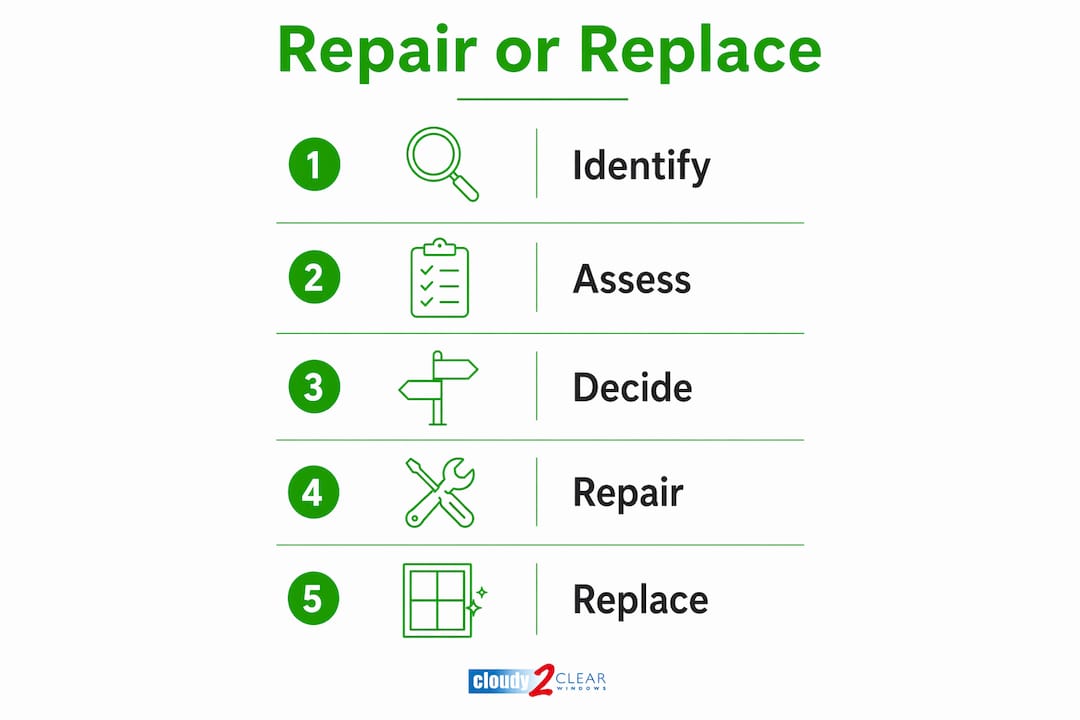
Repair, replace or retrofit: Making practical choices for sash windows

Once you understand the efficiency potential, it is vital to know how to maintain or upgrade sash windows in a cost-effective and heritage-sensitive way. The decision between repairing, replacing, or retrofitting is not always obvious, but asking the right questions makes it much clearer.

Ask yourself:

  • Are the sashes sticking or rattling but the frames still solid? Repair is likely the right call.
  • Is there visible rot in the frame itself, or are the frames warped beyond adjustment? Replacement may be necessary.
  • Are the frames structurally sound but the glazing single-pane and draughty? Retrofitting new sashes into the existing frames is worth exploring.
  • Does your property have listed status or sit in a conservation area? This will shape what changes are permitted.
  • What is your budget? Retrofitting is typically the most cost-effective middle ground.

Retrofitting new sashes into original frames can cost 40 to 60 per cent less than a full replacement, while preserving the original character of the property.

Pro Tip: Before assuming you need a full replacement, get a specialist to assess the frames. Timber sash frames are often repairable with epoxy filler and careful joinery work, even when rot appears significant at first glance.

For guidance on when to replace sash windows versus repair, consider the overall condition of the frame, the glazing, and the hardware together rather than each in isolation. And if you are unsure about draught proofing advice for your specific window type, a professional assessment can save you money in the long run.

Heritage value and planning rules: Protecting period character

Choices around keeping, altering, or upgrading sash windows are shaped by heritage and planning requirements, especially in England and Scotland. Getting this wrong can result in enforcement action and costly reinstatement work, so it pays to understand the rules before you start.

Sash windows are not just aesthetically important. They are legally significant in many areas. As noted earlier, sash windows originated in England in the 1670s and are now considered essential to the historical authenticity of Georgian, Victorian, and Edwardian properties in conservation areas and listed buildings across England and Scotland.

Replacing original sash windows with inappropriate modern alternatives in a conservation area can reduce a property’s value and trigger enforcement action from the local planning authority.

Steps to check your planning position before making changes:

  1. Visit your local council’s planning portal and search for your property address.
  2. Check whether your property is listed (Grade I, II*, or II in England; Category A, B, or C in Scotland).
  3. Look up whether your street or neighbourhood falls within a designated conservation area.
  4. Contact the local planning office directly if you are unsure. Most councils offer pre-application advice.
  5. Speak to a specialist window company experienced in heritage properties before ordering any materials.

Authenticity genuinely adds value. Properties with well-maintained original sash windows consistently attract buyers who value period character. In sought-after conservation areas, that authenticity can be a meaningful differentiator. For those in protected areas, sash window repairs in protected areas require a specialist approach that respects both the planning rules and the building’s character.

Why sash window upgrades are a win-win for tradition and comfort

There is a persistent assumption in the property world that you must choose between heritage and performance. Either you keep your draughty original windows to satisfy the planners, or you rip them out and install something modern and efficient. We think that framing is outdated and, frankly, unhelpful.

The truth is that expert retrofitting and sympathetic upgrading have moved on enormously. Slim-profile double glazing, high-performance draught seals, and precision-engineered timber sash replacements now make it entirely possible to have windows that look indistinguishable from the originals but perform far better. A well-maintained sash window with draught-proofing and secondary glazing can genuinely outperform a poorly installed modern casement window in real-world conditions.

We also think there is an underappreciated sustainability argument here. Retaining and upgrading existing timber frames uses far less embodied energy than manufacturing and installing new uPVC windows. Choosing modern window glazing for period homes that works with your existing frames is often the greener as well as the more cost-effective choice. Sash windows, done right, are not a compromise. They are an opportunity.

Upgrade or repair your sash windows with peace of mind

If you are ready to act on sash window upgrades or repairs, expert help is at hand. At Cloudy2Clear Windows, we have been helping homeowners and businesses across England and Scotland with window repairs, replacements, and upgrades since 2005. We understand the specific demands of period properties and conservation areas.

https://www.cloudy2clearwindows.co.uk


Whether you need double glazing glass replacement, draught-proofing advice, or a full sash window retrofit, we offer straightforward guidance tailored to your property. Our team can advise on heritage-compliant solutions without the jargon. If you are based in or around Oxford, our sash window repair Oxford team is ready to help. Get in touch today for a no-obligation consultation and find out what is possible for your home or business.

Frequently asked questions

What are sash windows made of?

Traditional sash windows are usually made of timber, but modern materials such as uPVC and aluminium are now also used, offering better durability and lower maintenance requirements.

Can you double glaze original sash windows?

Yes. You can retrofit double glazing into most original sash window frames, or add secondary glazing as an alternative that does not alter the external appearance.

How do I know if my home is in a conservation area?

You can check with your local council’s planning office or search your address on their online planning portal to find out whether special rules apply to your property.

Is it cheaper to repair or replace sash windows?

Repairing minor rot or stuck sashes is usually cheaper and helps preserve original features. Full replacement is best reserved for cases where frames are severely damaged or beyond economical repair.

Repair window locks: practical steps for UK homes

A stiff key that won’t turn, a handle that wobbles, or a lock that simply refuses to engage. These small frustrations are easy to ignore, but a faulty window lock is a genuine security risk. Burglars look for the path of least resistance, and a compromised lock can be exactly that. The good news is that many window lock problems are well within the reach of a confident DIYer. This guide walks you through everything you need: the warning signs to watch for, the right tools, a clear step-by-step repair process, and honest advice on when it is smarter to call in a professional.

How faulty locks threaten home security

To understand why window lock repair matters, it helps to look at the security and safety implications first. A window with a broken or poorly functioning lock is not just an inconvenience. It is an open invitation. Intruders assess properties quickly, and a window that does not latch properly or has a loose handle can be forced open in seconds.

In the UK, home insurance policies often require that your locks meet certain standards. The two most relevant are BS3621 and PAS24. BS3621 covers key-operated locks, while PAS24 is a broader enhanced security standard for windows and doors. If your locks do not meet these standards and you suffer a break-in, your insurer may refuse to pay out. That is a costly lesson nobody wants to learn the hard way.

Knowing the early warning signs is just as important as knowing what to do when things go wrong. Common lock failure signs include:

  • A key that feels stiff or catches when turning
  • A handle that feels loose or has visible play
  • The lock engaging only partially, or not at all
  • Visible misalignment between the locking point and the keep (the metal plate it slots into)
  • Grinding or scraping noises when operating the handle

These signs rarely appear overnight. They develop gradually, which is actually useful because it gives you time to act before a complete failure. Waiting until the lock stops working entirely means you could be left with a window that will not close securely.

Addressing a stiff or misaligned lock early is almost always cheaper and simpler than replacing the entire mechanism after it seizes completely.

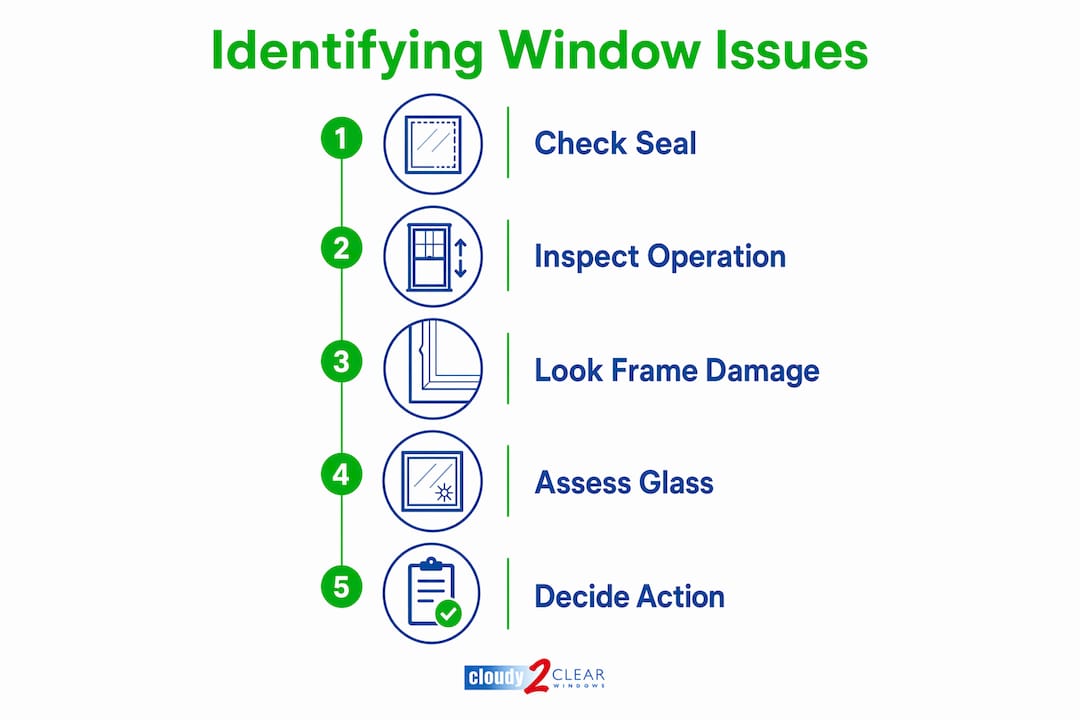
For most homeowners, the decision comes down to repair versus replace. A repair is usually the right call when the mechanism is fundamentally sound but has worn, shifted, or needs cleaning. Replacement makes more sense when the lock is old, visibly damaged, or no longer meets current security standards. Our lock and handle repair advice can help you work out which route is right for your situation.

Infographic repair vs replace window lock

Essential tools and materials for window lock repair

Once the importance is clear, ensure you have the right kit ready before starting repairs. Going in without the right tools is one of the most common reasons a simple job turns into a bigger problem.

For most window lock repairs, you will need:

  • Flat-head and cross-head screwdrivers (various sizes)
  • Allen keys, with a 4mm size being particularly common for uPVC hardware
  • A silicone-based lubricant spray
  • A soft cloth and mild cleaning solution
  • Replacement screws (stainless steel where possible to resist corrosion)
  • A small torch for inspecting tight spaces
  • Safety glasses, particularly when working at height or with older frames

The right repair tools vary depending on your window frame material, and so do the cleaning and lubrication products you should use. Getting this wrong can cause more damage than the original fault.

Here is a quick reference table to help you match materials to frame type:

Frame type Cleaning product Lubricant Additional materials
uPVC Mild detergent, warm water Silicone spray Replacement gaskets if needed
Aluminium Metal cleaner, rust treatment Silicone or light machine oil Anti-corrosion primer
Timber Damp cloth, wood cleaner Wood treatment oil Sandpaper (fine grade)


For material-specific repair tips, the approach differs meaningfully. uPVC frames respond well to silicone spray and rarely need anything more aggressive. Aluminium frames can develop surface corrosion around the lock housing, so a metal cleaner applied before lubricating makes a real difference. Timber frames are the most variable. If the wood has swollen due to moisture, you may need to sand the edges lightly before the lock will seat properly again.

Our window materials guide covers the characteristics of each frame type in more detail, and our window maintenance tips offer broader advice on keeping your frames in good condition year-round.

Pro Tip: Avoid using WD-40 as a long-term lubricant on uPVC locks. It is a water displacer, not a true lubricant, and it can attract dirt and degrade plastic components over time. Silicone spray is the correct choice for uPVC and lasts far longer.

Step-by-step: how to repair window locks yourself

With your tools ready, move into the step-by-step repair process for window locks. The sequence below works for most frame types, with material-specific notes where relevant.

  1. Clean the lock and surrounding area. Remove dirt, dust, and old lubricant from the lock body, handle spindle, and keep. Use a soft cloth and appropriate cleaner for your frame type.
  2. Inspect for visible damage. Look for cracked plastic, bent metal, or stripped screws. If the lock body itself is cracked, replacement is the better option.
  3. Tighten all visible screws. Handle screws, backplate screws, and hinge bolts all loosen over time. A 4mm Allen key handles most uPVC handle fixings. Do not overtighten, as this can strip the thread.
  4. Lubricate the mechanism. Apply silicone spray to the lock body, the handle spindle, and the locking points. Work the handle several times to distribute the lubricant evenly.
  5. Check alignment. Close the window and observe whether the locking points meet the keeps cleanly. Misalignment is a common cause of stiff or incomplete locking.
  6. Adjust the keep if needed. Most keeps are held by two screws and can be shifted slightly up or down to improve alignment. Loosen, reposition, and retighten.
  7. Test thoroughly. Lock and unlock the window multiple times. The action should feel smooth and the lock should engage fully without forcing.

Here is a summary of when a quick fix is enough versus when a full repair is needed:

Symptom Quick fix Full repair needed
Stiff handle Lubricate spindle and lock body No, unless persists after lubrication
Loose handle Tighten Allen key screws Only if thread is stripped
Lock not engaging fully Adjust keep position Replace gearbox if mechanism is worn
Key difficult to turn Clean and lubricate barrel Replace barrel if key still stiff
Window will not close flush Sand timber or adjust hinges Replace hinges if seized


For different window materials, the DIY repair steps follow the same general sequence, but timber frames may need sanding at swollen edges before closing properly, and aluminium frames benefit from a rust treatment step if corrosion is present. For stuck window fixes, try releasing the cam or latch manually before assuming the mechanism has failed.

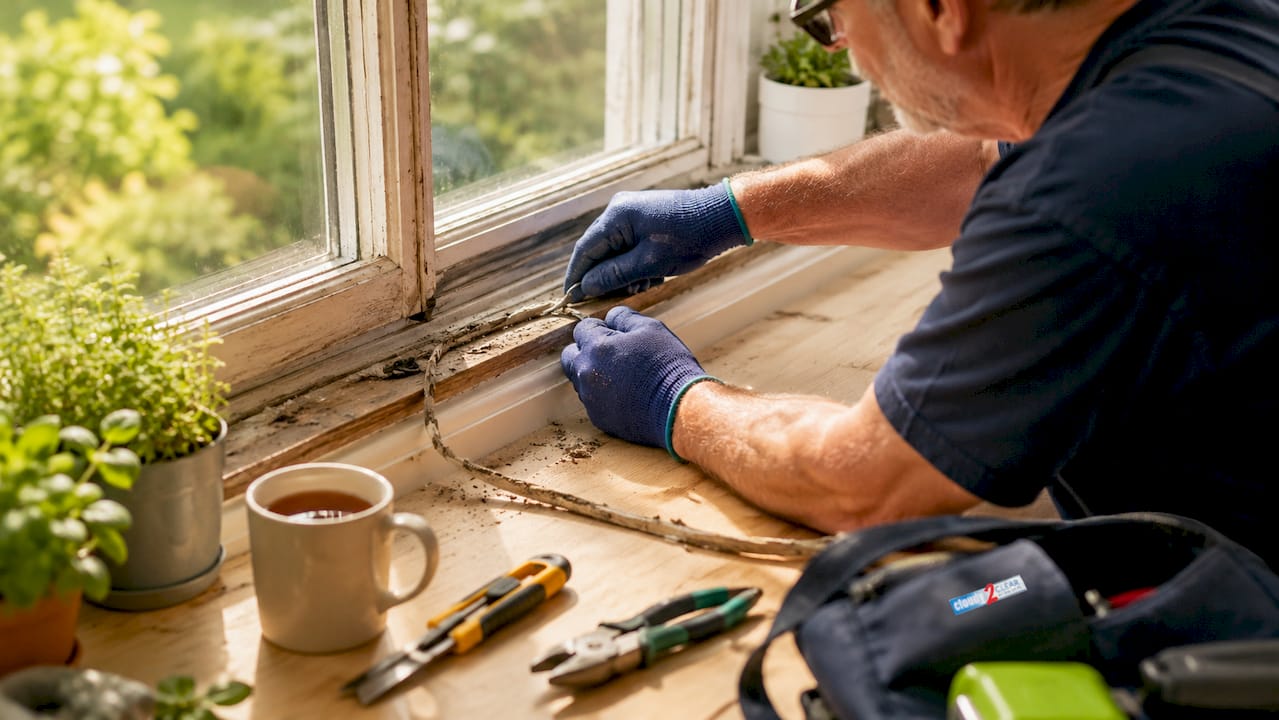
Hands repairing timber window frame close-up


Pro Tip: If a handle feels completely seized, do not force it. Apply lubricant, leave it to penetrate for ten minutes, then try again with gentle, steady pressure. Forcing a seized handle can snap the spindle, turning a simple repair into a full mechanism replacement.

Troubleshooting, common mistakes and when to call in a professional

Even with good preparation, challenges can arise. Here is how to troubleshoot problems and recognise when DIY has reached its limit.

The most common mistakes people make during window lock repair are:

  • Using the wrong lubricant (WD-40 on uPVC, or oil-based products on plastic components)
  • Overtightening screws, which strips threads and makes future repairs harder
  • Forcing a stuck lock or handle, which risks breaking the spindle or gearbox
  • Ignoring alignment issues and just lubricating, which only delays the problem
  • Replacing the handle without checking whether the underlying gearbox is also worn

If you have followed the steps above and the lock still does not work correctly, it is worth pausing before going further. Some faults genuinely require specialist tools or knowledge. Professional repair services are the sensible choice for complex multipoint locking systems, upper-floor windows where working safely is difficult, or any situation where the window cannot be secured overnight.

Signs you should stop and call a professional:

  • The gearbox (the internal mechanism inside the frame) is visibly damaged or will not engage at all
  • You have lost the key to a key-operated lock and cannot open the window
  • The hinges are seized and the window cannot be opened safely
  • The frame itself is warped or damaged, preventing proper closure
  • You are working above ground floor level without safe access equipment

Understanding the window lock repair costs for 2026 helps you budget realistically. Handle replacement typically costs £60 to £150, a full mechanism replacement runs from £80 to £300, and fixing a jammed window generally falls between £80 and £180. These figures include labour, so a professional repair is often better value than it first appears, particularly when you factor in the cost of getting it wrong.

For broken window repairs or persistent lock faults, our professional lock repair team covers homes and businesses across the country. If you are based in the north west, our repair team in East Lancashire is well placed to help.

Pro Tip: If you are unsure whether the gearbox needs replacing, do not attempt to dismantle it yourself. Modern multipoint locking systems have many small components under spring tension. An incorrect reassembly can leave your window unsecurable.

What most guides miss about window lock repairs

Most DIY guides present window lock repair as a straightforward task with a clear outcome. In reality, the line between a job you can handle yourself and one that needs a professional is often blurry, and that ambiguity is worth addressing honestly.

The value of acting early is consistently underestimated. A stiff handle or a slightly misaligned keep costs almost nothing to fix if you catch it at the right moment. Leave it six months and the same fault can develop into a seized gearbox or a cracked spindle, both of which push you into the professional repair bracket.

There is also genuine debate about lubrication and DIY limits for different lock types. Some sources suggest that any homeowner can tackle any lock repair with the right video guide. We think that is too optimistic. Modern multipoint locking systems, which are standard on most double-glazed windows installed in the last two decades, are genuinely complex. Attempting to replace a gearbox without experience risks damaging the frame or leaving the window in a worse state.

Our view, shaped by nearly two decades of repairs across the UK, is simple. Try the basics confidently. Clean, lubricate, adjust, tighten. But know when to stop. Calling in an expert window lock repair specialist is not an admission of defeat. It is the right call when safety and security are on the line.

Let the experts help with complex repairs

Sometimes a window lock repair goes beyond what a screwdriver and silicone spray can fix. Whether it is a seized multipoint mechanism, a damaged gearbox, or a window that simply will not close securely, professional support is the fastest and most reliable route back to a secure home.

https://www.cloudy2clearwindows.co.uk


At Cloudy2Clear Windows, we have been repairing locks, handles, and hinges for homeowners and businesses across the UK since 2005. Our lock and handle specialists carry a wide range of replacement parts and can usually complete repairs in a single visit. If you also need broken window support, we handle that too. Our Milton Keynes repair team is just one example of our nationwide coverage. Get in touch today for transparent pricing and a fast, guaranteed repair.

Frequently asked questions

What are the first signs a window lock is starting to fail?

A stiff key or loose handle are usually the earliest indicators, often appearing well before the lock stops working completely. Catching these signs early makes repair far simpler and less costly.

Can I repair a jammed window lock myself?

Yes, in many cases cleaning, lubricating, and adjusting the alignment or screws resolves the fault. However, persistent or serious issues such as a damaged gearbox or seized mechanism are better handled by a professional.

How much does window lock repair cost in the UK in 2026?

According to current estimates, handle replacement costs typically run from £60 to £150, a mechanism replacement from £80 to £300, and fixing a jammed window from £80 to £180, all including labour.

Which lubricant is best for uPVC window locks?

Silicone spray is recommended for uPVC locks because it does not attract dirt, does not degrade plastic, and provides long-lasting lubrication. Avoid WD-40 as a substitute.