• USP Logo Icon
    25 Year Guarantee
  • USP Leaf Icon
    Latest ECO Friendly Technology
  • USP Pointer Icon
    National Coverage
Get a FREE quote

Window installation standards: compliance and efficiency guide

Many property owners assume installing double glazing automatically satisfies UK building regulations. This misconception leads to costly compliance failures, enforcement actions, and reduced property values. Window installation standards encompass far more than glass quality alone. They cover energy efficiency thresholds, safety glazing zones, ventilation requirements, and certification processes that protect occupants and preserve property investments. Understanding these standards ensures your windows meet legal requirements, reduce heat loss, and maintain resale value across England and Scotland.

Introduction to window installation standards

Window installation standards form the regulatory backbone ensuring safe, energy-efficient, and legally compliant installations across residential and commercial properties. In England and Scotland, building regulations covering energy efficiency, ventilation, safety, and security govern every window replacement or new installation. Parts L (energy conservation), F (ventilation), B (fire safety), and Q (security) create comprehensive requirements that installers and property owners must satisfy.

These standards exist to protect occupants from physical harm, reduce energy waste, prevent condensation and mould growth, and maintain property values. Compliance affects mortgage approvals, insurance validity, and resale potential. Ignoring standards invites enforcement actions, costly remedial work, and legal liabilities.

Key components include:

  • Thermal performance measured through U-values that limit heat loss
  • Adequate ventilation preventing damp and maintaining indoor air quality
  • Safety glazing in critical zones near floors, doors, and potential impact areas
  • Security measures for accessible windows meeting PAS 24 standards
  • Proper documentation through FENSA or Building Control certification

Safety glazing is mandatory for windows within 800mm of floor level, doors up to 1500mm from floor level, and side panels near doors to prevent injuries from glass breakage. This requirement alone prevents thousands of accidents annually. Understanding these interconnected standards helps you navigate installation decisions confidently whilst avoiding compliance pitfalls that compromise safety and efficiency.

Energy efficiency standards in window installation

Energy efficiency forms the cornerstone of modern window installation standards, directly impacting heating costs and environmental sustainability. Building regulations Part L sets strict thermal performance requirements that vary between new builds and replacement installations. New constructions must achieve U-values of 1.2 W/m²K or lower, whilst replacement windows in existing properties require 1.4 W/m²K or better. These U-value thresholds measure how much heat escapes through window assemblies, with lower numbers indicating superior insulation.

Infographic on window compliance and efficiency rules

Double glazing typically achieves U-values between 1.2 and 1.6 W/m²K depending on glass spacing, gas fills, and frame materials. Triple glazing offers enhanced performance, reaching U-values as low as 0.8 W/m²K, though at higher installation costs. Installing energy-efficient windows with compliant U-values can reduce heating bills by upwards of 15%, making the initial investment financially attractive over the window’s 20 to 25 year lifespan.


Glazing type Typical U-value (W/m²K) Compliance status
Single glazing 4.5 to 5.0 Non-compliant
Standard double glazing 1.4 to 1.6 Compliant for replacements
High-performance double glazing 1.0 to 1.2 Compliant for new builds
Triple glazing 0.6 to 0.9 Exceeds requirements


Ventilation requirements under Part F mandate adequate fresh air circulation to prevent condensation, mould growth, and indoor air quality deterioration. Trickle vents installed in window frames or mechanical ventilation systems satisfy this requirement. Many property owners overlook ventilation requirements under Part F, creating damp problems that undermine the benefits of energy-efficient glazing.

Pro Tip: When selecting between double and triple glazing, consider your property’s orientation and exposure. South-facing windows benefit less from triple glazing than north-facing installations in exposed locations where heat loss is greatest.

Frame materials significantly influence overall thermal performance. Timber frames offer natural insulation properties, uPVC provides cost-effective thermal breaks, and aluminium requires thermal breaks to prevent cold bridging. The impact of glazing bars on efficiency also merits consideration, as decorative features can create thermal bridges that reduce overall U-values if not properly designed.

Comparison of timber, uPVC, and aluminium window frames

Safety and security regulations

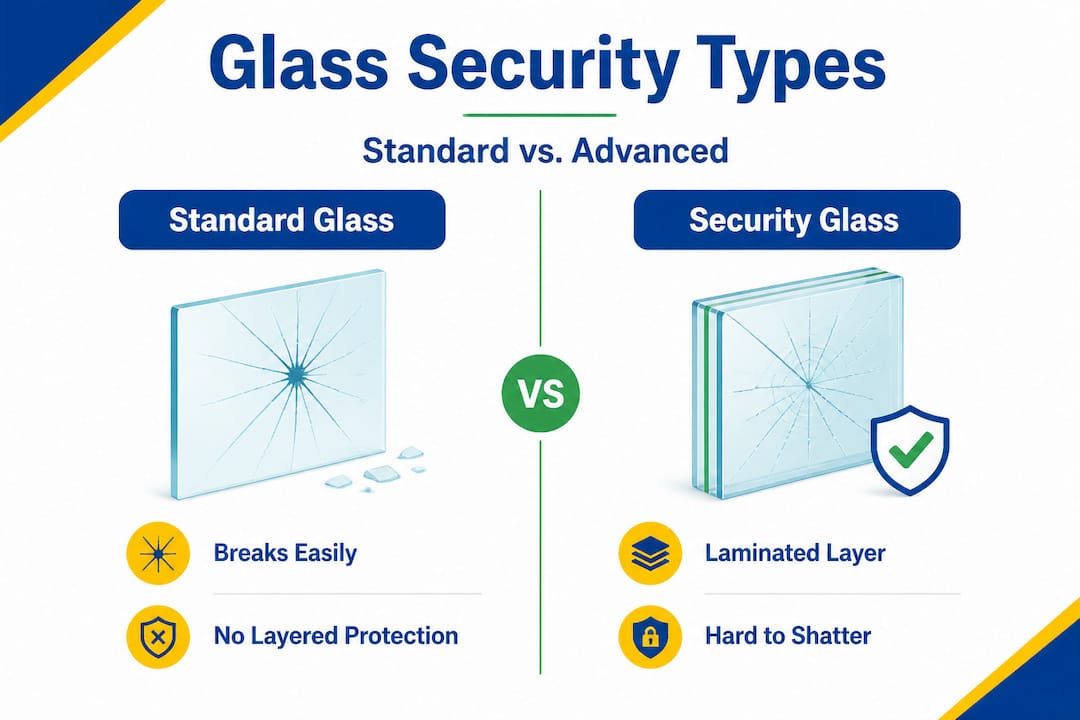
Safety glazing regulations protect occupants from severe injuries caused by broken glass in high-risk locations. Building regulations Part B mandates toughened or laminated safety glass in specific zones where accidental impact is likely. Safety glazing is mandatory for glass within 800mm of floor level (windows) and 1500mm (doors) to prevent injuries from glass breakage. Side panels adjacent to doors also require safety glazing regardless of height.

These critical safety zones account for:

  1. Windows positioned low enough for children or adults to fall against during normal activities
  2. Door glazing within reach during entry and exit movements
  3. Bathroom and shower enclosure glazing exposed to wet, slippery conditions
  4. Conservatory roof glazing overhead where falling glass poses severe danger
  5. Patio door panels in high-traffic areas connecting indoor and outdoor spaces

Security standards under Part Q apply to new builds and certain extensions, requiring accessible windows on ground and first floors to meet PAS 24 enhanced security specifications. These standards mandate multi-point locking mechanisms, reinforced frames, and tested resistance to forced entry attempts. Properties in high-crime areas particularly benefit from exceeding minimum security requirements.

Fire safety and emergency escape considerations intersect with window standards in habitable rooms. Upper floor bedrooms require egress windows sized adequately for emergency evacuation, typically 450mm minimum width and 450mm minimum height with a minimum openable area of 0.33 square metres. The bottom of the openable area must not exceed 1100mm from floor level to allow accessible escape.

“Installing windows that fail safety glazing requirements in critical zones creates liability exposure and endangers occupants, particularly children and elderly residents vulnerable to fall-related injuries.”


Ignoring these building regulations covering safety and security exposes property owners to enforcement actions, insurance claim rejections, and potential personal injury liability. Installers must verify compliance through proper glazing specifications and positioning during the installation process.

Certification and compliance processes

Proper certification validates that window installations meet building regulations and provides legal protection essential for property transactions and insurance claims. FENSA (Fenestration Self-Assessment Scheme) registration allows approved installers to self-certify compliance without separate Building Control applications. FENSA-registered installers allow self-certification of compliance, providing homeowners certificates within 30 days critical for legal and resale purposes.

The certification process involves:

  • Pre-installation assessment verifying planned work meets current building regulations
  • Installation completion to approved standards covering energy, safety, and ventilation requirements
  • Post-installation documentation including compliance certificates and warranty information
  • Registration with local authority building control departments maintaining compliance records

Building Control inspection provides an alternative route when using non-FENSA registered installers. You must submit a building notice or full plans application before work commences, pay inspection fees, and arrange site visits at critical installation stages. Building Control officers verify compliance and issue completion certificates once satisfied that work meets regulatory standards.

Retaining compliance documentation proves vital for several reasons. Mortgage lenders require evidence of compliant installations when financing property purchases or remortgages. Insurance companies may refuse claims related to non-compliant windows causing water damage, security breaches, or injuries. Solicitors request certification during conveyancing to confirm the property meets current regulations.

Pro Tip: Always verify your installer holds current FENSA registration before signing contracts. Request written confirmation that compliance certificates will be issued within 30 days of installation completion, and follow up promptly if certificates do not arrive on schedule.

The importance of certification and compliance extends beyond initial installation. Certificates must be passed to subsequent property owners, creating an unbroken compliance chain that protects value and legal standing throughout the building’s life. Missing certificates can delay property sales, reduce asking prices, or require expensive retrospective applications to Building Control.

Common misconceptions and compliance challenges

Several persistent misconceptions about window installation standards lead property owners into compliance failures that prove costly to rectify. Understanding these myths helps you avoid common pitfalls and make informed decisions during window replacement projects.

The most prevalent myth suggests that simply installing double glazing guarantees compliance with building regulations. In reality, double glazing quality varies enormously. Older double-glazed units may have U-values exceeding 2.0 W/m²K, far above the 1.4 W/m²K threshold required for replacement installations. Understanding misconceptions about window compliance prevents expensive mistakes that compromise energy efficiency and legal standing.

Key misconceptions include:

  • Believing all double glazing meets current thermal performance standards regardless of age or specification
  • Assuming new build and replacement window requirements are identical when U-value thresholds actually differ
  • Thinking ventilation is optional when Part F mandates adequate air circulation in habitable rooms
  • Expecting safety glazing is unnecessary in older properties despite retrospective requirements applying to replacements
  • Presuming any installer provides automatic compliance certification when only FENSA-registered or Building Control approved work qualifies

The difference between new build requirements (U-values ≤1.2 W/m²K) and replacement standards (U-values ≤1.4 W/m²K) creates confusion. This distinction recognises practical constraints in existing properties whilst maintaining robust energy efficiency standards. Failing to specify appropriate glazing for your project type leads to non-compliance even with quality products.

Ventilation requirements frequently get overlooked during window replacement projects. Removing old windows with natural air gaps and installing airtight modern units without compensating ventilation creates condensation problems, mould growth, and indoor air quality issues. Building regulations require trickle vents or equivalent mechanical ventilation to maintain healthy living environments.

Choosing uncertified installers represents another major compliance risk. Non-registered installers cannot self-certify work, requiring separate Building Control applications and inspections that many property owners fail to arrange. This oversight leaves installations legally non-compliant regardless of actual quality, creating problems during property sales or insurance claims.

Material and sustainability standards

Window frame materials significantly impact thermal performance, durability, and environmental sustainability whilst affecting compliance with building regulations. Understanding material characteristics helps you select frames that meet regulatory requirements and align with sustainability goals.

Timber frames offer excellent natural insulation properties with lower embodied carbon compared to uPVC or aluminium alternatives. Modern timber windows treated with preservatives and factory-finished coatings achieve U-values comparable to uPVC whilst providing renewable, biodegradable materials. Government incentives occasionally support sustainable timber frame installations, particularly in conservation areas where traditional aesthetics matter.

uPVC frames dominate the replacement window market due to cost-effectiveness, minimal maintenance requirements, and reliable thermal performance. Multi-chambered uPVC profiles create effective thermal breaks that limit heat loss. However, uPVC production involves fossil fuel extraction and manufacturing processes with higher environmental impacts than timber alternatives.

Aluminium frames suit commercial applications and contemporary residential designs requiring slim sightlines and large glazing areas. Thermal breaks within aluminium profiles prevent cold bridging that would otherwise compromise U-values. Aluminium’s high recyclability and durability offset initial embodied energy concerns over the frame’s long service life.


Material Typical U-value contribution Sustainability advantages Maintenance requirements
Timber 1.0 to 1.4 W/m²K Renewable, low embodied carbon, biodegradable Regular painting or staining every 5 to 7 years
uPVC 1.2 to 1.6 W/m²K Durable, recyclable, minimal maintenance Occasional cleaning, 20+ year lifespan
Aluminium 1.4 to 1.8 W/m²K (with thermal breaks) Highly recyclable, extremely durable Minimal, 30+ year lifespan


Material selection influences building regulation compliance through thermal performance contributions and weatherproofing capabilities. Choosing sustainable window materials balances regulatory compliance with environmental responsibility and long-term maintenance considerations.

Emerging trends favour composite frames combining timber interiors with aluminium or uPVC exteriors. These hybrid designs offer timber’s thermal properties and aesthetic appeal with minimal external maintenance. Vacuum glazing technology also advances, achieving exceptional U-values below 0.5 W/m²K in conventional frame thicknesses, though current costs limit widespread adoption.

Consequences of non-compliance

Failing to meet window installation standards creates serious legal, financial, and practical consequences that extend far beyond initial cost savings from cutting corners. Understanding these risks motivates proper compliance and informed installer selection.

Enforcement actions represent the most immediate legal consequence. Local authority building control departments possess powers to:

  1. Issue enforcement notices requiring remedial work to bring installations up to compliant standards
  2. Impose financial penalties for deliberate or persistent non-compliance with building regulations
  3. Prosecute serious violations resulting in court fines reaching several thousand pounds
  4. Order removal of non-compliant installations in extreme cases where remediation proves impossible

Property transactions suffer when compliance documentation is missing or installations fail to meet current standards. Solicitors conducting due diligence request building regulation certificates, and absent documentation triggers searches, indemnity insurance requirements, or price reductions. Mortgage lenders may refuse financing on properties with known building regulation breaches until compliance is demonstrated or remedial work completed.

Insurance implications prove equally serious. Many household insurance policies contain clauses voiding coverage for losses arising from non-compliant building work. Water damage from poorly installed windows, injuries from non-safety glazing, or security breaches through substandard installations may result in rejected claims. Commercial property insurance particularly scrutinises building regulation compliance given larger claim values.

“Property owners face average enforcement fines of £2,500 to £5,000 for serious building regulation breaches, plus remedial work costs often exceeding the original installation price when windows must be replaced entirely to achieve compliance.”


Increased energy costs from thermally inefficient windows compound financial impacts over time. Windows with U-values exceeding compliant thresholds by just 0.5 W/m²K can increase annual heating bills by 10% to 15% in typical properties. Over a 20 year window lifespan, this inefficiency costs thousands in unnecessary energy expenditure whilst contributing excess carbon emissions.

Property value reduction represents the final consequence. Estate agents report that non-compliant installations reduce property values by 2% to 5% due to buyer concerns about remedial costs and legal complications. This depreciation often exceeds any savings achieved through non-compliant installations, making compliance failures economically irrational even from purely financial perspectives.

Implementation considerations for compliance

Ensuring compliant window installations requires attention to structural integrity, installer qualifications, proper documentation, and common pitfall avoidance throughout the project lifecycle. These practical considerations transform regulatory knowledge into successful outcomes.

Structural integrity and weatherproofing form the foundation of compliant installations. Installing windows without ensuring proper structural integrity can lead to weatherproofing failures and long-term property damage, violating building regulations. Window openings require adequate lintels supporting structural loads above, proper damp-proof courses preventing moisture ingress, and sealed joints preventing air and water infiltration.

Selecting qualified professional installers provides the most reliable compliance route. FENSA-registered installers undergo regular auditing, maintain insurance coverage, and provide automatic compliance certification. Alternative competent person schemes including CERTASS and BFRC offer similar self-certification benefits. When using non-registered installers, arrange Building Control approval before work commences to avoid retrospective complications.

Key implementation steps include:

  • Obtaining detailed quotations specifying glazing U-values, frame materials, ventilation provisions, and compliance certification arrangements
  • Verifying installer registration status through official scheme websites before signing contracts
  • Confirming installation schedules allow adequate time for proper fitting without rushed workmanship
  • Inspecting completed installations for visible defects including gaps, damaged seals, or improper glazing before final payment
  • Retaining all compliance certificates, warranties, and installation documentation in property files

Pro Tip: Photograph each stage of window installation including structural openings, weatherproofing details, and finished installations. These images provide valuable evidence if disputes arise and help future contractors understand existing installations during subsequent work.

Common pitfalls to avoid include accepting verbal assurances about compliance without written confirmation, proceeding with installations before planning permission is secured where required, and failing to verify that ordered glazing specifications match quoted U-values. Avoiding common installation faults requires vigilance throughout procurement and installation processes.

Weather conditions during installation significantly affect outcomes. Installing windows during heavy rain or freezing temperatures compromises sealant effectiveness and weatherproofing integrity. Schedule installations during suitable weather windows and allow adequate curing time for sealants and expanding foams before exposing installations to extreme conditions.

Discover compliant window solutions at Cloudy2Clear Windows

Navigating window installation standards, building regulations, and compliance requirements can feel overwhelming when undertaking property improvements. Cloudy2Clear Windows simplifies this journey with certified installations meeting all UK building regulations, backed by decades of experience serving residential and commercial clients across England and Scotland since 2005.

https://www.cloudy2clearwindows.co.uk


Our comprehensive double glazing options include high-performance units achieving U-values well within current requirements for both new builds and replacement installations. We guide you through material selections spanning timber, uPVC, and aluminium frames, ensuring thermal efficiency, aesthetic preferences, and budget constraints align perfectly. Every installation includes proper ventilation provisions, safety glazing where required, and complete compliance documentation providing peace of mind and legal protection.

Our energy-saving window installations reduce heating costs whilst enhancing comfort and property value. We help you understand sustainable window materials and make informed choices balancing environmental responsibility with practical performance. Whether upgrading a single window or replacing entire property installations, Cloudy2Clear Windows delivers compliant solutions that protect your investment for decades to come.

What are window installation standards and why are they important?

Window installation standards comprise regulatory requirements covering thermal performance, ventilation, safety glazing, security measures, and proper certification. They protect occupants from injuries, reduce energy waste, prevent damp and mould growth, and maintain property values. Compliance proves essential for mortgage approvals, insurance validity, and successful property sales.

How do U-values affect window compliance?

U-values measure heat loss through window assemblies, with lower numbers indicating better insulation. Building regulations require U-values of 1.2 W/m²K or lower for new builds and 1.4 W/m²K or better for replacement windows. Exceeding these thresholds results in non-compliance, enforcement actions, and increased heating costs over the window’s lifespan.

What certification do I need after window installation?

FENSA-registered installers provide compliance certificates within 30 days proving installations meet building regulations. These certificates are essential for legal protection, property sales, and insurance claims. Alternatively, Building Control inspection and approval provides certification when using non-registered installers if arranged before installation commences.

Can I install windows myself and still meet regulations?

DIY window installations rarely achieve compliance due to complex technical requirements covering thermal performance, weatherproofing, structural integrity, and safety glazing. Without FENSA registration or Building Control approval, self-installed windows lack compliance certification essential for legal protection and property transactions. Using registered installers is strongly advised for safety and regulatory reasons.

What happens if my windows don’t comply with installation standards?

Non-compliant windows trigger enforcement actions including fines ranging from £2,500 to £5,000, mandatory remedial work, and potential prosecution. Insurance policies may void coverage for losses arising from non-compliant installations. Property sales face delays, price reductions, or mortgage approval rejections until compliance is demonstrated or costly remediation completed.

Replace original sash windows: 30% energy savings, 15% value

Replacing original sash windows can boost property value by up to 15%, yet many homeowners hesitate. If you’re struggling to balance heritage aesthetics with rising energy bills and constant maintenance, you’re not alone. Modern double-glazed sash windows reduce heat loss by up to 70% whilst preserving period character. This guide explains why replacing original sash windows improves energy savings, cuts maintenance costs, and raises your home’s market appeal.

Introduction to original sash windows

Original sash windows are single-glazed timber framed sliding windows common throughout UK period properties. These vertical sliding units typically feature two moveable panels operating within a box frame, with weighted cords allowing smooth movement. They became the standard design in Georgian, Victorian, and Edwardian architecture across England and Scotland.

Their characteristics define period property appeal:

  • Timber construction, usually painted or stained softwood
  • Single glazing with thin glass panes separated by glazing bars
  • Counterweight pulley systems concealed within side frames
  • Proportional design matching architectural styles of each era
  • Authentic period detailing including astragal bars and horns

These windows hold significant architectural value. Conservation officers and heritage bodies recognise them as defining features of period streetscapes. Original sash windows establish authenticity in listed buildings and conservation areas, where their presence contributes to neighbourhood character.

However, originality doesn’t guarantee quality. Many homeowners conflate historic charm with practical performance, assuming all original features add value regardless of condition. The reality is more nuanced, and understanding the distinction between original sash windows and modern replacements helps inform better decisions.

Energy efficiency challenges of original sash windows

Original sash windows struggle dramatically with thermal performance. Single glazing allows heat to escape directly through the glass, whilst aged timber frames create gaps that permit cold air infiltration. The multiple moving parts in sash mechanisms develop tolerances over decades, creating additional draught pathways.

Infographic comparing original vs modern sash window efficiency


Modern double-glazed sash windows reduce heat loss by 50-70% compared to single glazing. This isn’t a marginal improvement. In practical terms, a typical three-bedroom Victorian terrace with original sash windows loses 25-35% of heating energy through those windows alone.

Key energy efficiency problems include:

  • Single glazing provides minimal insulation, with U-values around 5.0 W/m²K versus 1.4-1.8 for modern double glazing
  • Perimeter gaps around opening sashes increase as timber shrinks and swells
  • Worn weatherstripping or complete absence of seals permits air leakage
  • Rattling sashes indicate loose fits causing continual heat loss
  • Poor fitting meeting rails create draughts at the centre junction

Homeowners replacing original single-glazed sash windows can reduce energy bills up to 30%. In 2026 UK climate conditions, this translates to £300-£600 annual savings for average properties. Over a decade, that’s £3,000-£6,000 recovered, substantially offsetting replacement investment.

Improved double glazing and energy efficiency also elevates EPC ratings. Properties moving from F or E ratings to C or B become more attractive to buyers and meet evolving rental standards. The combination of lower running costs and better comfort makes modern replacements compelling for many homeowners.

Maintenance and durability issues with original sash windows

Timber sash windows demand relentless upkeep. Paint protects the wood from moisture penetration, requiring repainting every 5-7 years. Skipping this schedule invites rot, particularly in bottom rails exposed to standing water. Once rot establishes, repairs escalate quickly from minor fills to full frame replacement.

Common maintenance challenges:

  • External painting requires scaffolding or access equipment, adding significant labour costs
  • Timber swells in damp conditions, causing sashes to stick and jam
  • Sash cords fray and break, requiring dismantling to replace weighted mechanisms
  • Glazing putty deteriorates, allowing water ingress and glass loosening
  • Historic paint layers may contain lead, complicating removal and disposal

Each maintenance cycle costs £150-£300 per window for professional work. Multiply this across eight to twelve windows in a typical property, and the expense accumulates rapidly. Over twenty years, maintenance spending often exceeds the cost of quality replacements.

Pro Tip: If you choose to maintain original sash windows, schedule timber treatment every three years and address paint blistering immediately to prevent moisture penetration and extend frame lifespan.

Long-term durability remains questionable without constant intervention. Softwood frames rarely last beyond 60-80 years before requiring complete reconstruction. Reducing maintenance costs for windows through modern alternatives frees your time and budget whilst improving performance.

Heritage and conservation considerations

Replacing sash windows in conservation areas or listed buildings requires careful navigation of planning regulations. Local authorities in England and Scotland enforce strict controls to preserve architectural heritage. These rules exist to protect streetscape character and prevent inappropriate alterations that diminish historical value.

Planning permission requirements vary by location and designation. Listed building consent is mandatory for any alterations to listed structures. Conservation area regulations often require planning approval even for unlisted properties if changes affect external appearance. Unauthorised replacements risk enforcement action and costly reversals.

Key regulatory factors:

  • Replacements must typically replicate original design, including glazing bar patterns and proportions
  • Material specifications often mandate timber over uPVC in sensitive locations
  • Like-for-like replacements matching original details generally gain approval more readily
  • Some authorities permit modern materials if they convincingly replicate traditional appearance
  • Early consultation with conservation officers prevents expensive specification errors

Balancing energy efficiency with heritage compliance requires specialist knowledge. Bespoke timber double-glazed sash windows offer the optimal solution, combining authentic aesthetics with modern thermal performance. Slimline double glazing units fit within traditional frame dimensions whilst delivering substantial efficiency gains.

Understanding your local authority guidelines protects your investment. Request pre-application advice before committing to specifications. This small upfront effort prevents the frustration and expense of rejected applications or enforcement notices requiring remedial work.

Energy efficiency benefits of modern sash window replacements

Modern sash window technology transforms thermal performance without compromising traditional aesthetics. Double or triple glazing creates insulating air gaps that dramatically reduce heat transfer. Low-emissivity coatings reflect interior heat back into rooms, whilst argon or krypton gas fills enhance insulation further.

Double or triple glazing reduces heat loss by 50-70% compared to single glazing. This improvement stems from multiple performance enhancements working together. Modern sealed units eliminate convection currents between panes, reducing conductive heat loss through the glass assembly.

Key performance improvements:

  • U-values drop from 5.0 W/m²K to 1.4-1.8 W/m²K with quality double glazing
  • Warm edge spacer bars minimise cold bridging around glass perimeters
  • Compression seals and weatherstripping eliminate draught infiltration
  • Precision manufacturing ensures consistent gaps and smooth operation
  • Trickle ventilators provide controlled ventilation without compromising thermal performance

Homeowners report energy bill reductions up to 30% after replacement with modern double-glazed sash windows. These savings compound annually, making replacements financially attractive beyond comfort improvements. Reduced heating demand also lowers your carbon footprint, contributing to environmental goals.

Improved comfort extends throughout your home. Eliminating cold draughts and reducing window surface condensation creates healthier living conditions. Enhanced EPC ratings make properties more attractive to buyers and tenants, particularly as energy efficiency becomes increasingly prioritised in property decisions. Understanding modern sash window energy efficiency helps you maximise these benefits.

Aesthetic and property value impact of replacement

Well-executed sash window replacements enhance kerb appeal whilst delivering measurable property value increases. Estate agents consistently report that buyers in heritage-rich areas prioritise well-maintained period features. Windows establish first impressions, and quality replacements signal overall property care.

Estate agent showing new sash windows to buyers


Replacing sash windows can raise property values by 5-15%, especially in conservation areas where period authenticity commands premiums. This increase reflects both aesthetic appeal and practical performance improvements. Buyers recognise reduced future maintenance commitments and lower running costs as tangible benefits worth paying for.

Modern bespoke sash windows faithfully replicate period designs. Manufacturers offer extensive customisation including:

  • Accurate glazing bar patterns matching original configurations
  • Period-appropriate hardware including traditional sash lifts and fasteners
  • Authentic colour finishes replicating historic paint schemes
  • Proportional detailing maintaining architectural harmony
  • Slim sightlines preserving elegant appearance
Feature Original (Poor Condition) Restored Original Modern Replacement
Visual appeal Peeling paint, damaged frames Authentic period look Authentic appearance, pristine condition
Value impact Reduces value 5-10% Maintains value Increases value 5-15%
Maintenance Immediate work needed Ongoing high maintenance Minimal maintenance
Energy efficiency Very poor Improved but limited Excellent performance


Visual harmony matters enormously. Mismatched window styles or inappropriate proportions damage property character more than age-appropriate replacements. Quality modern sash windows maintain architectural integrity whilst resolving practical shortcomings. The property value impact of sash window replacement extends beyond immediate resale considerations, improving your daily living experience.

Common misconceptions about original and replacement sash windows

Several persistent myths confuse homeowners evaluating sash window options. Separating fact from fiction helps you make informed decisions based on actual performance rather than assumptions. These misconceptions often delay necessary improvements, costing money and comfort.

Myth: All sash windows are inherently draughty and inefficient. Modern double-glazed sash windows rival casement window efficiency. Advanced sealing systems and insulated glazing eliminate the draughts associated with deteriorated original windows.

Myth: Original timber sash windows always add property value regardless of condition. Poor condition reduces value significantly and causes ongoing issues. Buyers deduct estimated repair costs from offers, often exceeding replacement investment. Rotten frames and broken mechanisms signal neglect, deterring serious purchasers.

Myth: uPVC replacements always reduce heritage value. High-quality uPVC sash windows can convincingly mimic timber appearance and gain heritage compliance in many locations. Modern manufacturing produces realistic woodgrain finishes and authentic profiles that satisfy conservation requirements in appropriate contexts.

Myth: Maintaining original windows is always cheaper long-term. Frequent upkeep costs often exceed replacement investment over 15-20 years. Factor in painting, repairs, draught-proofing, and eventual reconstruction when comparing lifetime costs. Energy waste adds further hidden expenses.

Pro Tip: Evaluate your current window condition realistically by checking for rot in bottom rails, testing sash movement, and measuring draught levels with a smoke pencil before deciding between repair and replacement.

Understanding these realities helps you assess options objectively. Neither preserving originals nor replacing them is automatically correct. Your specific circumstances, including window condition, property designation, budget, and priorities, determine the optimal approach.

Making the decision: repair vs replace and next steps

Choosing between repairing and replacing original sash windows requires systematic evaluation. This framework helps you weigh heritage preservation, energy efficiency, cost, and compliance factors objectively. Your decision impacts comfort, finances, and property value for decades.

Follow these assessment steps:

  1. Inspect window condition thoroughly, checking for rot, broken mechanisms, and glazing damage
  2. Verify planning requirements with your local authority’s conservation officer
  3. Obtain energy assessments quantifying potential savings from replacement
  4. Request detailed quotes for both repair and replacement options
  5. Calculate lifetime costs including maintenance, energy waste, and eventual reconstruction
  6. Evaluate heritage compliance requirements and approved specifications
  7. Make your decision based on balanced analysis rather than assumptions
Factor Repair Original Replace with Modern
Initial cost £800-£1,500 per window £1,200-£2,500 per window
Lifespan expectation 10-15 years before next intervention 25-30 years with minimal maintenance
Energy efficiency Limited improvement possible 50-70% heat loss reduction
Ongoing maintenance High, requiring regular painting Low, occasional cleaning
Heritage compliance Usually acceptable if executed properly Requires approval, must match design
Property value impact Maintains value if well executed Increases value 5-15%

Pro Tip: Use experienced heritage-compliant installers who understand conservation requirements and can guide you through approval processes, ensuring quality installation and regulatory compliance.

Budget realistically for whichever option you choose. Repair costs often escalate once work begins and hidden damage emerges. Replacement provides cost certainty and eliminates ongoing maintenance expenses. Understanding window repair vs replacement economics helps you plan confidently.

Explore modern sash window solutions with Cloudy2Clear

Cloudy2Clear Windows specialises in bespoke sash window replacements that meet heritage standards whilst delivering modern energy efficiency. Our expertise spans both traditional timber and high-quality uPVC options, ensuring you achieve the perfect balance between authenticity and performance.

https://www.cloudy2clearwindows.co.uk


Since 2005, we’ve helped homeowners throughout England and Scotland navigate conservation requirements and specification choices. Our double glazing options provide substantial efficiency gains without compromising period character. We understand that your home’s appearance and comfort matter equally.

Explore our comprehensive double glazing options to understand available technologies and styles. Learn how quality installation impacts window installation savings and value over your home’s lifetime. Contact us for personalised quotes and expert consultation tailored to your property’s specific requirements.

FAQ

Can I replace original sash windows in a conservation area?

Replacing sash windows in conservation areas requires planning permission in most cases. Your local authority will assess whether proposed replacements preserve the area’s character. Replacements must usually match original design, materials, and proportions to gain approval. Consultation with conservation officers before specifying windows prevents costly rejections.

How much can I save on heating bills by replacing original sash windows?

Replacing original single-glazed sash windows with modern double-glazed versions can cut heating bills by up to 30%. Actual savings depend on your property size, insulation levels, and heating system efficiency. Most homeowners in average three-bedroom properties save £300-£600 annually.

Are modern uPVC sash windows suitable for period properties?

High-quality uPVC sash windows can replicate timber appearance and suit period homes when properly specified. Modern manufacturing produces realistic woodgrain finishes and authentic profiles. However, approval from local authorities is essential for conservation areas. Some locations require timber construction regardless of appearance quality.

Is it cheaper to repair or replace original sash windows?

Repairs typically cost less initially but require frequent maintenance, often making them more expensive long-term. Replacement offers better value over 20-25 years by eliminating ongoing painting, draught-proofing, and reconstruction costs. Factor in repair versus replacement costs including energy waste when comparing options.

Window Installation UK: 15% Energy Savings & Value Boost

Improper window installation can increase your energy costs by up to 25%, yet many UK homeowners believe window efficiency depends solely on glass quality. The truth is installation quality matters just as much as materials when it comes to energy conservation in UK properties. In England and Scotland’s challenging climate, airtight, precise installation prevents heat loss, drafts, and condensation. This guide reveals how correct window installation saves energy, improves comfort, and boosts property value across the UK.

Introduction to Window Installation Importance

Proper installation significantly affects window performance and homeowner comfort in UK climate, going far beyond aesthetic considerations. Windows represent a major factor in your property’s thermal insulation and energy bills, with installation quality directly influencing airtightness and heat retention. England and Scotland’s cold, damp winters demand excellent window sealing to maintain comfort and control heating expenses.

Many installation oversights degrade thermal performance silently. Small gaps around frames, inadequate sealing materials, or misaligned components create pathways for heat escape and moisture ingress. These flaws compromise even the highest quality glazing impact on efficiency, turning premium windows into underperforming liabilities.

Understanding installation fundamentals empowers you to make informed decisions about your property. Three pillars define successful window installation:

  • Energy efficiency through proper sealing and thermal barrier continuity
  • Regulatory compliance meeting Building Regulations Part L standards
  • Long-term durability preventing premature seal failure and structural damage

The importance of window seals cannot be overstated in maintaining these pillars. Without meticulous attention to sealing, air barriers, and frame alignment, even triple-glazed windows fail to deliver promised energy savings. Your investment in quality windows only pays off when matched with quality installation that preserves their thermal integrity throughout their lifespan.

Recognizing installation as critical to energy efficiency overview helps you prioritize certified installers who understand UK climate demands. The difference between adequate and excellent installation often determines whether you achieve meaningful energy cost reductions or face ongoing comfort issues and repair expenses.

Energy Efficiency and Thermal Performance

Poor window installation creates air leaks that directly raise your heating expenses throughout the year. Gaps between window frames and wall openings allow cold air infiltration during winter and heat gain during summer, forcing your HVAC system to work harder. This continuous energy waste compounds monthly, turning installation shortcuts into long-term financial burdens.


Detecting window air leaks with incense smoke


Thermal bridging occurs when gaps compromise insulation continuity, creating pathways for heat transfer through building materials. Proper sealing reduces heat loss and air leakage, key for energy savings, with research showing poorly sealed installations suffer up to 25% worse heat loss compared to professionally installed equivalents. These thermal bridges undermine your entire insulation strategy, rendering even expensive glazing ineffective.

U-value standards measure windows’ thermal performance, with lower values indicating better insulation. Building Regulations Part L requires new windows to meet minimum U-value thresholds, but achieving these ratings depends entirely on installation execution. A window rated at 1.4 W/m²K can perform closer to 2.0 W/m²K when installed with gaps or inadequate sealing materials.

Installation quality’s long-term effect extends beyond immediate comfort. Your utility bills reflect cumulative energy waste from air leakage and thermal bridging over years. Double glazing efficiency guide resources confirm that proper installation maintains rated performance throughout the window’s lifespan, while faulty installation accelerates efficiency degradation.

Key installation factors affecting thermal performance include:

  • Continuous air barrier installation around the entire frame perimeter
  • Proper insulation material selection and placement in frame cavities
  • Airtight sealing between window frame and building structure
  • Thermal break installation to prevent heat conduction through metal components

Pro Tip: After installation, check seals and frame fitting carefully by feeling for drafts around edges on windy days. Early detection of installation flaws lets you address issues before they cause significant heat loss or moisture damage, protecting your investment and comfort.

The relationship between installation and window seal importance demonstrates how interconnected components must work together. Premium seals fail prematurely when installation creates stress points or allows moisture infiltration, wasting the benefits of quality materials through poor workmanship.

Common Installation Defects and Their Consequences

The most prevalent window installation defects stem from three areas: inadequate sealing around frames, component misalignment during fitting, and skipped air barrier installation. These errors appear frequently even among experienced installers who rush work or lack proper training. Each defect creates specific problems that worsen over time, affecting both comfort and structural integrity.

Poor sealing allows moisture ingress behind window frames, leading to condensation buildup, mold growth, and eventual wood rot in surrounding structures. Misaligned windows stress seals unevenly, causing premature failures and air leakage. Omitted air barriers create thermal bridges and allow wind-driven rain penetration into wall cavities. Installation defects cause condensation and seal failures leading to damage within 2-3 years, making early detection crucial.

Research indicates approximately 30% of UK window installations exhibit at least one significant defect affecting performance or durability. This high rate reflects inconsistent installer training, pressure to complete work quickly, and inadequate quality control during fitting. Property owners rarely notice these defects immediately, discovering problems only after moisture damage or high energy bills prompt investigation.

Installation faults significantly reduce window lifespan and increase long-term maintenance costs. Windows installed with defects typically require seal replacement, frame adjustment, or complete reinstallation within five to seven years. These premature failures eliminate any initial cost savings from choosing budget installers, ultimately costing more than professional installation would have initially.

Common defect consequences include:

  • Visible condensation between glass panes indicating seal failure
  • Water staining on walls below windows from improper drainage
  • Increased heating bills from air leakage around frames
  • Difficult operation as misaligned windows bind in frames
  • Accelerated paint deterioration and wood decay from moisture exposure

Statistic Callout: Seal failures typically appear within 2-3 years without proper installation, compared to 10-15 year lifespans for correctly fitted windows.

Understanding common installation defects helps you evaluate installer quality before committing. Ask potential installers about their defect rates, warranty coverage, and quality control processes. Reputable professionals welcome these questions and provide detailed answers backed by certification and customer references.

Standards and Regulatory Requirements in England and Scotland

Building Regulations Part L establishes mandatory requirements for window installation throughout England and Scotland, focusing on thermal performance and energy conservation. Building Regulations Part L require windows to meet minimum U-values with specific installation practices including continuous insulation, proper air sealing, and thermal bridge elimination. These regulations exist to reduce building energy consumption and carbon emissions across the residential and commercial sectors.

Compliance involves more than meeting U-value targets on paper. Installers must demonstrate proper sealing techniques, appropriate insulation material use, and airtightness testing where required. Building control officers may inspect installations to verify regulatory compliance, particularly for new construction or major renovations. Non-compliant installations can trigger enforcement action, retrofit requirements, or complications during property sales.

Certification schemes like FENSA, CERTASS, and Competent Person programs provide installer credentials confirming regulatory knowledge and quality standards. Certified installers understand current requirements, use approved materials, and follow installation protocols that ensure compliance. Their work typically includes Building Control notification, providing legal documentation for your property records and future sale purposes.

Following installation standards delivers multiple benefits beyond legal compliance. You gain access to energy efficiency grants and incentive programs requiring certified installations. Property valuations benefit from documented compliant windows, appealing to environmentally conscious buyers. Most importantly, regulatory standards ensure your windows perform as rated, delivering promised energy savings throughout their lifespan.

Key regulatory installation requirements include:

  1. Window U-values must meet or exceed minimum standards for your property type and location
  2. Continuous air barriers must be installed around frame perimeters without gaps
  3. Proper insulation must fill all cavities between window frames and structural openings
  4. Thermal bridges must be eliminated or minimized through proper detailing and materials
  5. Installation must preserve existing wall insulation continuity without compression or gaps
  6. Adequate ventilation provisions must prevent condensation in habitable spaces

Verifying window installation regulations compliance protects your investment and ensures you receive the energy savings you paid for. Request installer certification documentation before work begins and retain all compliance certificates for your property files. These documents prove valuable during home sales, insurance claims, or future renovation planning.

Comparison of Installation Methods: DIY vs Professional

DIY window installations frequently suffer from air leaks, misalignments, and inadequate sealing due to inexperienced technique and improper tools. Homeowners attempting self-installation typically lack specialized equipment like laser levels, pneumatic fasteners, and spray foam applicators that ensure precise fitting. Without training in Building Regulations requirements, DIY installers often skip critical steps like air barrier installation or thermal break integration.

Professional installers bring certification, precision equipment, and extensive material knowledge ensuring Building Regulations compliance and long-term durability. They understand how different window types interact with various wall constructions, selecting appropriate sealing materials and installation methods for each situation. Their experience prevents common errors that lead to premature failures, moisture damage, and energy waste.

Professional window installations maintain 15% better energy efficiency over 5 years compared to DIY, according to Building Research Establishment studies. This performance gap reflects superior airtightness, proper thermal bridging prevention, and quality material selection that DIY projects typically lack. The efficiency difference compounds annually through reduced heating costs, eventually offsetting higher initial professional installation expenses.


Infographic comparing professional and DIY window installation


Factor DIY Installation Professional Installation
Upfront Cost Lower initial expense Higher initial investment
Energy Efficiency Often 15% worse long-term Maintains rated performance
Compliance Risk High defect rate, potential non-compliance Certified compliance with documentation
Warranty Coverage Limited or no warranty Comprehensive installation warranty
Long-term Savings Higher ongoing energy costs Lower utility bills, fewer repairs
Installation Time Extended learning curve Efficient completion

Hidden costs make DIY installations more expensive over time despite lower initial outlays. Seal failures requiring replacement, energy waste from air leakage, and potential moisture damage repairs quickly exceed professional installation savings. Property value impacts also favor professional work, as documented compliant installations appeal to buyers and support asking prices.

Pro Tip: Always choose certified professional installers to avoid hidden costs from faulty installation repairs. The initial premium pays for itself through guaranteed performance, warranty protection, and avoiding expensive retrofit work to correct DIY mistakes.

Understanding double glazing cost recovery helps contextualize professional installation value. Quality installation accelerates payback periods by delivering full rated efficiency from day one, whereas DIY defects delay or eliminate cost recovery through ongoing energy waste. The professional installation benefits extend beyond immediate energy savings to include peace of mind, warranty protection, and verified regulatory compliance.

Common Misconceptions About Window Installation

Many UK property owners believe glass quality alone defines window energy performance, overlooking airtightness and proper sealing’s critical role. This misconception leads to purchasing premium glazing options while accepting substandard installation, effectively wasting the investment in quality materials. Even triple-glazed windows with low U-values fail to deliver rated performance when installed with gaps or inadequate sealing around frames.

Another widespread myth suggests any installer can fit windows properly since the process appears straightforward. Reality contradicts this belief, with approximately 30% of installations exhibiting significant defects due to insufficient training, rushed work, or poor quality control. Professional installation requires specialized knowledge of thermal bridging prevention, air barrier continuity, proper insulation techniques, and Building Regulations compliance that general contractors often lack.

Property owners frequently dismiss installation defects as merely cosmetic issues without recognizing their impact on heating costs and comfort. Small gaps and imperfect seals seem insignificant but create substantial energy waste over years. Air leakage through installation defects can increase heating expenses by 15-25% compared to properly sealed windows, turning minor oversights into major ongoing costs.

These misconceptions stem from limited consumer awareness about installation’s technical complexity and long-term performance impacts. Marketing emphasizes glazing specifications while downplaying installation importance, creating knowledge gaps that disadvantage property owners during purchasing decisions. Understanding seal importance and misconceptions helps you prioritize installation quality equally with material specifications.

Key misconceptions to avoid:

  • Glass type determines all window performance (ignoring installation quality)
  • Installation is simple enough for any contractor (overlooking specialized skills needed)
  • Defects only affect appearance (missing energy cost and durability impacts)
  • Saving money on installation makes economic sense (ignoring long-term costs)
  • Windows perform as rated regardless of fitting quality (assuming materials alone guarantee efficiency)

Correcting these misconceptions empowers better decision making when selecting windows and installers. Prioritize certified professionals with proven track records, comprehensive warranties, and detailed installation protocols. Question installers about their quality control processes, defect rates, and compliance documentation to verify they understand installation’s critical role in window performance.

Practical Benefits and Case Studies

A Manchester commercial property reduced annual heating bills by 15% after professional window reinstallation corrected defects from original DIY fitting. The building owner initially attempted self-installation to control costs but discovered significant air leakage and moisture problems within 18 months. Professional retrofit with proper sealing and thermal break installation immediately improved comfort while delivering measurable energy savings validated through utility bill comparison.

Noise reduction represents another substantial benefit of quality installation beyond energy efficiency. Airtight sealing that prevents heat loss also blocks external sound transmission, with properly installed windows improving occupant comfort by 40% in noise reduction compared to poorly fitted equivalents. This acoustic benefit particularly matters for properties near busy roads, commercial areas, or flight paths where external noise significantly impacts daily life.

Window lifespan extension through quality installation reduces long-term replacement and repair expenses substantially. Properly fitted windows typically function effectively for 15-20 years before requiring seal replacement or component servicing. Poorly installed windows often need intervention within 5-7 years, effectively doubling lifecycle costs through premature failures and accelerated deterioration.

Installation quality directly correlates with condensation prevention and moisture damage avoidance. Properties with professional installations experience fewer issues with mold growth, paint deterioration, and structural wood decay around window openings. This protection preserves property value and eliminates costly remediation work that results from moisture infiltration through installation defects.

Key practical benefits include:

  • Measurable heating cost reductions validated through utility bill tracking
  • Enhanced indoor comfort from elimination of drafts and cold spots
  • Significant noise reduction improving living and working environments
  • Extended window lifespan reducing replacement frequency and costs
  • Protection against moisture damage preserving structural integrity
  • Increased property value from documented quality installations

Statistic Callout: Energy cost savings and improved thermal comfort from proper installation are repeatedly validated by UK property surveys, with professional installations delivering 12-18% average heating cost reductions compared to pre-retrofit performance.

These real-world examples demonstrate installation quality’s tangible impact on property performance and owner satisfaction. The upfront investment in professional installation pays dividends through ongoing savings, enhanced comfort, and avoided repair expenses over the window’s entire lifespan.

Conclusion and Practical Recommendations

Proper window installation fundamentally determines whether your investment delivers promised energy efficiency, regulatory compliance, comfort improvements, and property value enhancement. The evidence throughout this guide confirms installation quality matters as much as window materials in achieving these benefits. Understanding this relationship empowers informed decisions that protect your investment and maximize long-term returns.

When selecting window installation services, use this practical checklist to ensure quality outcomes:

  1. Verify installer holds current certification from FENSA, CERTASS, or equivalent scheme
  2. Confirm they use quality sealing materials specifically designed for UK climate conditions
  3. Ask about their experience with your property type and local Building Regulations requirements
  4. Request detailed installation protocol documentation showing their quality control processes
  5. Insist on post-installation testing reports for airtightness where applicable
  6. Obtain comprehensive warranty coverage for both materials and installation workmanship
  7. Check customer references and defect rates for previous installations

Installation certification proves essential for meeting Building Regulations Part L standards while ensuring warranty validity. Certified installers provide required documentation for Building Control notification, creating legal records that protect property value and support future sales. Their training in current standards and best practices reduces defect risks substantially compared to uncertified contractors.

Pro Tip: Schedule regular window inspections annually to maintain seal integrity and maximize lifespan. Early detection of developing issues allows minor repairs before major failures occur, protecting your investment and sustaining energy efficiency throughout the window’s service life.

Prioritizing professional installation delivers measurable financial returns through reduced energy costs, avoided repair expenses, and enhanced property values. The modest premium for certified installers proves economical when calculated over your windows’ 15-20 year lifespan. Quality installation transforms windows from simple building components into long-term investments that continuously deliver comfort, efficiency, and value.

Enhance Your Property with Expert Window Installation Services

Applying this guide’s principles starts with partnering with experienced professionals who understand UK climate demands and regulatory requirements. At Cloudy2Clear Windows, our certified installers ensure every window meets Building Regulations Part L standards while maximizing energy efficiency and comfort. We have been delivering quality installations across England and Scotland since 2005, building expertise that guarantees proper fitting, sealing, and long-term performance.


https://www.cloudy2clearwindows.co.uk


Explore our double glazing options guide to find the perfect windows for your property’s specific needs and aesthetic preferences. Our comprehensive range includes solutions tailored for residential and commercial applications, all backed by professional installation that preserves their rated efficiency. Learn how strategic window investment delivers returns through our double glazing cost recovery analysis. Visit Cloudy2Clear Windows for expert consultation and installation services that transform your property’s efficiency, comfort, and value.

Frequently Asked Questions

How does proper window installation affect my energy bills?

Quality installation ensures airtight seals that prevent heat loss through gaps around window frames. This eliminates drafts and thermal bridging that force heating systems to work harder, directly reducing your energy consumption. Professional fitting typically delivers 12-18% heating cost reductions compared to poorly installed equivalents.

What are the risks of DIY window installation?

DIY installations commonly suffer air leaks, misalignments, and seal failures due to lack of specialized tools and training. Without proper certification, DIY work may violate Building Regulations, creating legal complications and insurance issues. These defects typically cause condensation, energy waste, and structural problems within 2-3 years, requiring expensive corrective work.

How can I verify if my window installation meets UK regulations?

Request your installer’s FENSA, CERTASS, or equivalent certification documentation confirming their authority to self-certify Building Regulations compliance. Obtain the Building Control compliance certificate or Competent Person scheme documentation for your records. For added assurance, you can request independent airtightness testing or consult your local Building Control authority to verify proper notification was filed.

What maintenance helps sustain installation quality?

Inspect window seals annually for cracks, gaps, or deterioration, replacing worn components promptly to maintain airtightness. Keep drainage channels and weep holes clear of debris to prevent moisture buildup that damages seals and frames. Schedule professional maintenance every 3-5 years for comprehensive inspection and adjustment. Following these double glazing maintenance tips preserves your installation’s efficiency and extends window lifespan significantly.

Window Seal Failures: 5 Types & 10-Year Lifespan Guide

Rising energy bills and persistent condensation between your window panes signal a common yet costly problem: window seal failure. These failures compromise insulation, allow drafts, and increase heating costs for homes and businesses across England and Scotland. Understanding the five main types of seal failures and their solutions helps you restore energy efficiency, eliminate moisture issues, and decide whether to repair or replace damaged seals before problems escalate.

Selection Criteria for Evaluating Window Seal Failures and Solutions

Before choosing between repair and replacement, you need clear criteria to assess your window seal situation. Seal durability, failure severity, cost, and energy efficiency impact are key decision factors that guide effective solutions. Most window seals last around 10 years under normal conditions, but exposure to harsh weather accelerates degradation.

Evaluating your seals requires examining several factors:

  • Seal material durability and expected lifespan for your window type
  • Failure type severity, whether minor shrinkage or severe cracking with moisture ingress
  • Cost comparison between quick repairs and full seal replacement
  • Energy efficiency losses measured through draft presence and heating bill increases
  • Frame material compatibility, as uPVC, wood, and metal frames require different seal approaches

Pro Tip: Inspect seals annually before winter to catch early signs like brittleness or minor gaps. Addressing small issues prevents costly moisture damage to frames and glass units.

Understanding types of window seals and materials helps match solutions to your specific situation. Premium silicone and neoprene gaskets offer superior weather resistance compared to standard rubber, particularly important for exposed properties in Scotland and northern England. When you fix window leaks promptly, you protect both immediate comfort and long-term frame integrity.

Types of Window Seal Failures and Their Characteristics

Five main window gasket types each have distinct sealing properties and failure modes including shrinkage and brittleness. Each serves specific purposes and fits different frame designs, affecting how they fail over time.

The five primary gasket types and their characteristics:

  • Bubble gaskets create compression seals in sliding windows, prone to flattening and losing springback
  • E-gaskets fit standard uPVC frames, commonly experiencing shrinkage at corners and joints
  • Wedge gaskets provide adjustable compression but develop cracks when overtightened or aged
  • Flipper gaskets suit tilt and turn windows, losing flexibility and adhesion with UV exposure
  • Brush gaskets seal sliding doors and sash windows, with bristles wearing down or detaching

Environmental factors accelerate seal degradation significantly. Direct sunlight causes UV damage and brittleness, while temperature fluctuations create expansion and contraction stress. Coastal properties face additional challenges from salt air corrosion. Window seals generally last around 10 years, with degradation becoming visible after 5 years of service.


Cracked window seal on brick house exterior


Pro Tip: Premium silicone and neoprene gaskets cost more initially but outlast standard rubber seals by 3 to 5 years, making them worthwhile for quality wooden or metal frames.

Material choice matters especially for window frame materials like wood and aluminium that expand differently than uPVC. Selecting compatible window seal materials and types prevents premature failure. When seals fail, you can often repair failed double glazing without replacing entire units if caught early.

Signs and Symptoms of Window Seal Failures

Condensation or fogging between panes is the primary sign of seal failure, accompanied by drafts and energy loss. Recognising these symptoms early lets you address problems before they worsen and cause structural damage.

Key indicators of failing window seals:

  • Fogging or moisture between glass panes that cannot be wiped away externally
  • Noticeable drafts near window edges even when closed and locked
  • Cold spots on interior walls adjacent to window frames
  • Unexplained increases in heating bills during winter months
  • Reduced sound insulation allowing more outdoor noise inside
  • Visible brittleness, cracking, or gaps in seal material around frame perimeter
  • Water stains or mould growth on window sills and surrounding walls

The severity of symptoms indicates failure progression. Minor condensation appearing only during extreme cold suggests early stage degradation. Persistent fogging with visible water droplets signals advanced failure requiring immediate attention. Drafts combined with condensation mean seals no longer provide adequate insulation or moisture barriers.

You might notice secondary effects like difficulty operating windows smoothly or increased dust infiltration. These symptoms accompany primary seal failures and confirm the need for intervention. Understanding when to replace window seals versus attempting repairs depends on symptom severity and pattern.

Monitoring signs of window seal failure helps you catch issues during early stages when repairs remain viable and cost effective. Regular inspection saves money compared to emergency replacements after extensive moisture damage occurs.

Repair vs Replacement: Assessing Your Options

Repairs extend window seal life by 2-5 years, while replacements last 10-20 years and restore full energy efficiency. Understanding the tradeoffs helps you choose the most cost effective solution for your situation.

Repair options work best for minor damage:

  • Reseating loose gaskets using specialist tools costs £50 to £100 per window
  • Applying silicone sealant to small gaps provides temporary weatherproofing
  • Replacing individual gasket sections addresses localised wear without full removal
  • Adjusting window mechanisms reduces stress on deteriorating seals

Repairs offer quick fixes at lower upfront costs but provide temporary solutions. Most repairs last 2 to 5 years before seals degrade again. You save money initially but may spend more over time through repeated interventions.

Replacement delivers long term benefits:

  • Full seal replacement costs £150 to £300 per window but restores original performance
  • New seals eliminate drafts and moisture ingress completely
  • Modern materials offer improved UV resistance and flexibility
  • Energy savings from restored insulation offset replacement costs within 3 to 5 years

Pro Tip: Calculate your annual heating cost increase from failed seals. If you spend an extra £200 yearly on heating, replacement pays for itself faster than repeated cheap repairs.

Immediate seal replacement after failure maximizes energy savings and reduces condensation damage. Delaying replacement allows moisture to damage frames and glass coatings, increasing eventual repair costs significantly. You can reduce double glazing costs by addressing failures promptly rather than waiting for emergency situations.

Solution Cost Range Lifespan Best For
Gasket reseating £50-£100 2-3 years Loose but intact seals
Silicone repair £30-£80 1-2 years Minor gaps and cracks
Partial seal replacement £100-£200 3-5 years Localised damage
Full seal replacement £150-£300 10-15 years Severe degradation
Complete unit replacement £300-£800 15-20 years Frame and glass damage


Weigh immediate costs against long term performance when deciding. Severe failures with visible condensation justify replacement investment. Minor issues on newer windows suit repair approaches. Recognising early signs of window seal failure gives you time to plan rather than react. When you repair failed double glazing strategically, you balance budget constraints with performance needs.

Situational Recommendations: Best Solutions for Common Scenarios

Minor damage on uPVC windows is best repaired cost effectively; severe failures or older frames benefit from replacements with premium materials. Matching solutions to specific situations optimises both costs and outcomes.

  1. Recent uPVC windows with minor seal shrinkage: Reseat gaskets and apply silicone to gaps. This costs £50 to £100 per window and extends life 2 to 3 years, suitable when frames remain in good condition.
  2. Severe condensation with visible drafts on any frame type: Replace seals completely or consider full unit replacement. Persistent moisture damages frames and reduces property value, justifying £200 to £400 investment per window.
  3. Older wooden frames with brittle gaskets: Install premium silicone or neoprene gaskets during replacement. Wood expands more than uPVC, requiring flexible materials that accommodate movement without cracking.
  4. Metal framed commercial properties with multiple failures: Replace all affected seals simultaneously using durable materials. Bulk replacement reduces labour costs and ensures consistent performance across the building.
  5. Budget constrained situations with functional frames: Prioritise rooms with highest heating costs for replacement, repair less critical windows temporarily. This staged approach spreads costs while addressing worst energy losses first.
  6. Properties scheduled for sale within 2 years: Invest in full replacements to improve energy performance certificates and buyer appeal. New seals add value exceeding replacement costs.

Your frame material influences seal compatibility and longevity. Understanding various double glazing options helps match solutions to your property type. Business owners benefit from reviewing energy efficiency checklist items alongside window upgrades for comprehensive improvements.

Prompt action prevents escalation. Small gaps become major leaks, minor condensation leads to frame rot. When you replace window seals at first signs of failure, you avoid compounding damage that multiplies repair costs.

Summary Comparison Table of Window Seal Failures and Solutions

Window seal failure types correlate with distinct symptoms and solution costs impacting efficiency and lifespan. This comparison clarifies options based on observed problems.

Failure Type Primary Symptoms Repair Suitability Typical Cost Post-Fix Lifespan Energy Impact
Gasket shrinkage Minor gaps, occasional drafts High £50-£120 2-4 years Low to moderate
Seal cracking Visible cracks, persistent drafts Moderate £80-£180 1-3 years Moderate
Complete detachment Large gaps, severe drafts Low £150-£300 Requires replacement High
Moisture ingress Condensation between panes Very low £200-£500 Requires full unit replacement Very high
UV degradation Brittleness, loss of flexibility Moderate £100-£250 3-5 years with premium materials Moderate to high


This table helps you evaluate whether your situation suits repair or demands replacement. Moisture between panes indicates seal failure severe enough to require complete unit replacement, not just gasket fixes. Simple shrinkage responds well to reseating and sealing.

Energy impact correlates with failure severity. Minor gaps increase heating costs 5 to 10 percent, while complete seal failure can raise bills 20 to 30 percent. Calculate your potential savings when deciding on solutions. Quick reference to window seal failure comparison data confirms these ranges.

Matching your observed symptoms to this table guides initial decisions. Professional assessment then confirms the best approach. Knowing when to replace window seals versus attempting repairs prevents wasting money on inadequate fixes.

Get Expert Help for Window Seal Failures and Energy Savings

Professional assessment takes the guesswork out of window seal decisions. At Cloudy2Clear Windows, we have spent over 20 years helping property owners across England and Scotland restore energy efficiency through expert double glazing repairs and replacements. Our technicians identify failure types accurately and recommend solutions matched to your frame materials, budget, and performance goals.


https://www.cloudy2clearwindows.co.uk


We tailor repairs and replacements to your specific situation, whether you need quick fixes for minor uPVC seal issues or premium gasket installations for heritage wooden frames. Our services address all double glazing options and frame types detailed in our comprehensive window materials guide. Act now to eliminate drafts, prevent moisture damage, and reduce heating costs before winter increases your energy bills further.

Frequently Asked Questions

How can I tell if my window seals are failing?

Condensation or fogging between glass panes that you cannot wipe away from either side indicates seal failure. You will also notice drafts near closed windows, cold spots on adjacent walls, and increased heating bills as insulation deteriorates.

Is it worth repairing a failed window seal or should I replace it?

Repair works for minor shrinkage or small gaps on newer windows, extending life 2 to 5 years at lower cost. Severe failures with persistent condensation or brittle seals require replacement to restore full efficiency for 10 to 20 years.

What are typical costs associated with seal repairs vs replacements?

Repairs range from £50 to £180 per window depending on severity and method. Full seal replacement costs £150 to £300, while complete unit replacement runs £300 to £800 when frames or glass suffer damage.

How long can a repaired window seal last compared to new seals?

Repaired seals typically last 2 to 5 years before requiring further attention. New seal replacements last 10 to 15 years, and complete window units provide 15 to 20 years of optimal performance when properly maintained.

Can I maintain my seals to prevent premature failure?

Clean seals regularly with mild soap and water to remove dirt that accelerates degradation. Inspect annually for brittleness or gaps, addressing minor issues immediately. Avoid harsh chemicals and excessive force when operating windows to reduce stress on seals.

Do different frame materials affect seal lifespan?

Yes, frame expansion rates impact seal durability significantly. Wood and metal frames expand more than uPVC, requiring flexible gasket materials like silicone or neoprene. Matching seal type to frame material prevents premature cracking and extends lifespan. When you replace window seals, choose materials compatible with your specific frame type for best results.

Double Glazing Care Tips 2026: Extend Lifespan by 7 Years

Proper double glazing care transforms UK homes and businesses by preserving energy efficiency and preventing costly repairs. Your windows face constant pressure from British weather, making maintenance critical. Regular biannual inspections detect seal failures up to 80% earlier, reducing expensive replacements. This guide delivers practical steps to extend window lifespan, improve comfort, and protect your investment through simple yet effective maintenance routines.

Introduction to Double Glazing Care

Double glazing improves energy efficiency and reduces noise in properties across England and Scotland. These windows create thermal barriers that slash heating costs and block external sound. UK weather demands robust window performance year round.

British climate variations stress window seals through temperature swings, rain, and humidity. Winter frost contracts materials while summer heat expands them. Proper care extends window lifespan by years, saving thousands on premature replacements.

Economic benefits multiply over time. Maintained windows preserve insulation properties, reducing energy bills month after month. Businesses benefit from consistent indoor temperatures without excessive HVAC costs.

Neglecting maintenance triggers cascading problems:

  • Condensation forms between panes when seals fail
  • Energy efficiency drops by 20 to 30 percent
  • Frames deteriorate from moisture exposure
  • Replacement costs reach £400 to £800 per window

Regular care prevents these issues before they escalate. Understanding double glazing lifespan factors helps you protect your investment strategically.

Prerequisites: What You Need Before Starting

Gathering proper tools ensures safe, effective maintenance without damaging seals or glass. Quality materials protect your investment better than improvised alternatives.

Essential cleaning materials include:

  • Microfiber cloths that trap dirt without scratching
  • Diluted ammonia-free detergent for gentle cleaning
  • Stable ladder for upper floor access
  • Protective gloves to shield hands
  • Soft bristle brush for frame crevices

Basic knowledge about window construction prevents accidental damage. Seals bond glass panes and require gentle treatment. Using soft microfiber cloths and ammonia-free cleaners prevents damage to seals and glass surfaces.

Safety preparations matter when working at height. Secure ladders on level ground. Work with a partner for upper storey windows. Check weather conditions to avoid slippery surfaces.

Woman preparing safe ladder for window maintenance


Tool Purpose Safety Note
Microfiber Cloths Lint-free glass cleaning Wash regularly to remove grit
Ammonia-Free Detergent Safe seal-friendly cleaning Dilute as directed on label
Stable Ladder Upper floor access Place on firm, level surface
Protective Gloves Hand protection Choose non-slip grip varieties
Silicone Lubricant Hinge and handle maintenance Apply sparingly to moving parts

Having correct tools for window maintenance ready streamlines the process. Purchase quality products once rather than replacing cheap alternatives repeatedly.

Infographic with double glazing care essentials

Proper Cleaning Techniques

Cleaning double glazed windows correctly preserves seals and coatings for years. Wrong products or methods accelerate deterioration and void warranties.

Ammonia-based cleaners degrade glazing sealants within weeks if used repeatedly. These harsh chemicals break down rubber and silicone compounds essential for thermal performance. Choose pH-neutral cleaners designed for glazing instead.

Follow these steps for optimal results:

  1. Mix diluted ammonia-free detergent in lukewarm water.
  2. Dampen microfiber cloth without saturating it.
  3. Wipe glass in circular motions from top to bottom.
  4. Clean frames using same gentle solution and fresh cloth.
  5. Dry immediately with separate clean microfiber cloth.
  6. Inspect for streaks and buff if needed.

Avoid abrasive materials entirely. Steel wool, scouring pads, and rough cloths scratch glass permanently. High-pressure washers force water behind seals, causing internal condensation.

Frame materials need compatible cleaners. uPVC tolerates mild detergents but suffers from solvent-based products. Wood frames require specialised cleaners that nourish timber while removing dirt. Aluminium tolerates most gentle solutions without issue.

Pro Tip: Clean windows on overcast days when temperatures stay moderate. Direct sunlight dries cleaning solution too quickly, leaving streaks and water spots. Early morning or late afternoon works best during sunny weather.

Practising safe cleaning methods for double glazing protects your investment while maintaining clarity. Consistency matters more than intensity when establishing maintenance routines.

Regular Inspection for Seal Integrity

Catching seal problems early prevents expensive emergency repairs and full window replacements. Visual checks take minutes but save substantial money long term.

Regular biannual inspections detect seal failures up to 80% earlier, reducing costly replacements. Spring and autumn inspections align with seasonal weather changes that stress seals most.

Look for fogging or condensation between panes as early signs of seal failure. Internal moisture appears as persistent fog, water droplets, or mineral deposits between glass layers. External condensation disappears when wiped. Internal moisture never clears.

Inspect every six to twelve months for best results. Commercial properties with heavy use benefit from quarterly checks. Residential homes typically manage with biannual reviews.

Use this inspection checklist:

  • Check for condensation or fogging between panes
  • Test window opening and closing for smooth operation
  • Examine seals for cracks, gaps, or deterioration
  • Look for frame warping or discolouration
  • Feel for drafts around closed windows
  • Listen for rattling when windows are closed

Early detection transforms major problems into manageable repairs. Catching seal failure within months costs £150 to £300 for professional resealing. Waiting until complete failure forces full replacement at £400 to £800 per window.

Document findings with photos and dates. Tracking changes over time reveals deterioration patterns. This evidence helps professionals diagnose issues accurately during consultations.

Double glazing seal inspection tips from professionals emphasise systematic approaches. Create calendar reminders to maintain consistent inspection schedules.

Additional Maintenance Steps

Beyond basic cleaning, supplementary tasks keep windows operating smoothly between professional services. Small actions compound into significant lifespan extensions.

Annual lubrication of hinges with silicone-based products keeps window components operating smoothly. Metal parts corrode without protection, especially in coastal areas with salt air exposure.

Perform these maintenance steps seasonally:

  1. Apply silicone lubricant to hinges, handles, and locking mechanisms each spring.
  2. Clear drainage channels in frames to prevent water accumulation.
  3. Use anti-fog spray on interior glass if minor condensation appears.
  4. Tighten loose screws in handles and hinges before they strip.
  5. Check weatherstripping for gaps and replace worn sections.

Drainage channels collect water that enters frame cavities during heavy rain. Blocked channels cause moisture buildup, encouraging mould growth and frame rot. Clear debris with thin wire or compressed air quarterly.

Anti-fog treatments provide temporary relief for minor condensation. These sprays create hydrophobic coatings that prevent moisture from obscuring glass. They work for surface condensation only, not sealed unit failures.

Pro Tip: Schedule maintenance tasks with seasonal changeovers. Lubricate before winter to ease operation in cold weather. Clear drainage before autumn rains. This rhythm prevents forgetting crucial upkeep.

Find anti-fog and lubrication tips tailored to British climate challenges. Regional weather patterns influence maintenance priorities and frequencies.

Common Mistakes and How to Avoid Them

DIY enthusiasm sometimes causes more harm than good. Understanding frequent errors helps you avoid expensive repairs from well-intentioned maintenance.

About 20% of reported double glazing failures in UK properties result from improper cleaning such as high-pressure washing. These preventable problems cost homeowners and businesses millions annually.

Avoid these critical mistakes:

  • Never use ammonia, bleach, or acetone-based cleaners that destroy seals rapidly
  • Avoid abrasive pads, scrapers, or harsh brushes that scratch glass permanently
  • Do not ignore early condensation signs hoping problems resolve themselves
  • Never apply high-pressure water near seals or frame joints
  • Avoid complex repairs without professional assessment to prevent worsening damage
  • Do not paint over drainage holes or ventilation gaps in frames

Correct these errors immediately if discovered. Switch to pH-neutral cleaners. Replace scratched glass before cracks develop. Address condensation within weeks of first appearance.

Many attempt DIY seal repairs with hardware store kits. These temporary fixes last one to two years maximum. Professional resealing uses superior materials and techniques that extend performance five to seven years.

Painting window frames requires care around seals and moving parts. Mask rubber components completely. Avoid thick paint buildup in drainage channels. Use exterior-grade paint formulated for frame materials.

Study avoiding common mistakes in window care to protect your investment. Learning what not to do proves as valuable as proper technique knowledge.

Professional Repairs: When and Why

Recognising when DIY efforts fall short saves money and frustration. Professional intervention delivers superior results for complex issues.

Professional resealing extends double glazing lifespan by 5 to 7 years versus 1 to 2 years for DIY fixes. Technicians use commercial-grade sealants unavailable to consumers. Their experience ensures proper application and curing.

Approach Lifespan Extension Typical Cost Warranty
DIY Seal Repair 1 to 2 years £30 to £60 None
Professional Resealing 5 to 7 years £150 to £300 2 to 5 years
Full Replacement 15 to 25 years £400 to £800 10 to 15 years

Seek professional help when:

  • Condensation appears between glass panes consistently
  • Seals show visible cracks, gaps, or crumbling
  • Windows become difficult to open or close
  • Drafts penetrate despite closed windows
  • Energy bills increase noticeably without usage changes

Early professional assessment helps avoid costly replacements and maximises energy efficiency. Technicians identify root causes, not just visible symptoms.

Professional benefits extend beyond repairs. Experts assess frame condition, hardware functionality, and overall system performance. They catch problems you might miss during routine inspections.

Cost versus benefit analysis favours professional intervention for seal failures. Spending £200 for five years of restored performance beats £600 replacement costs. Calculate payback periods based on energy savings and avoided replacement expenses.

Explore professional double glazing repairs to understand service options. Review cost benefits of professional repairs for financial planning.

Expected Outcomes and Maintenance Frequency

Understanding realistic timeframes and results helps maintain motivation for consistent care. Small investments yield substantial returns over window lifespans.

Routine maintenance takes 30 to 60 minutes twice a year and delays replacements by up to 7 years. This minimal time commitment translates to thousands in savings per property.

Energy efficiency is maintained at peak levels with regular care. Well-maintained double glazing preserves U-values and thermal performance specifications throughout its service life.

Maintenance frequency guidelines:

  • Clean glass and frames twice yearly minimum
  • Inspect seals and hardware every 6 to 12 months
  • Lubricate moving parts annually before winter
  • Clear drainage channels quarterly in wet regions
  • Schedule professional assessment every 3 to 5 years

Typical outcomes from consistent maintenance include:

  • Window replacement delayed 5 to 7 years beyond typical lifespan
  • Energy costs reduced 15 to 20 percent compared to neglected units
  • Indoor comfort improved through consistent thermal performance
  • Property value maintained with well-kept windows
  • Repair costs minimised through early problem detection

Commercial properties see additional benefits. Professional appearance impresses clients and customers. Reliable climate control reduces HVAC strain and maintenance costs. Employee comfort improves productivity.

View maintenance as investment rather than expense. Two hours yearly protecting assets worth thousands makes financial sense. Calculate savings by comparing maintenance costs against replacement expenses and energy waste.

Learn about maintenance benefits and timelines to plan long-term property care strategies.

Explore Our Expert Double Glazing Care Services

Maintaining double glazed windows requires knowledge, proper tools, and consistent effort. When professional help makes sense, Cloudy2Clear Windows delivers expertise honed since 2005.

https://www.cloudy2clearwindows.co.uk


Our team understands British climate challenges intimately. We’ve served homes and businesses across England and Scotland for two decades. Whether you need guidance on expert double glazing maintenance tips or require professional double glazing repairs, we’re here to help.

Schedule an assessment to evaluate your windows’ current condition. Our specialists identify issues early, recommend cost-effective solutions, and extend your windows’ productive lifespan. Contact us today to protect your investment and enhance comfort.

FAQ

How often should I inspect my double glazed windows for signs of seal failure?

Inspect windows every 6 to 12 months for best maintenance results. Spring and autumn inspections align with weather changes that stress seals most. Early detection prevents expensive repairs and maintains energy efficiency. Check window inspection frequency recommendations for your property type.

What cleaning products are safe to use on double glazed windows?

Use diluted ammonia-free detergents with soft microfiber cloths for optimal cleaning. Avoid bleach, ammonia, acetone, and abrasive tools that damage seals and glass. pH-neutral cleaners preserve window components without compromising thermal performance. Review safe cleaning products suitable for different frame materials.

When should I consult a professional for double glazing repairs?

Seek professional help immediately if condensation appears between panes or seals show visible damage. Professional repairs last 5 to 7 years compared to 1 to 2 years for DIY attempts. Early intervention avoids costly full replacements. Learn about professional double glazing repair timing to make informed decisions.

How long can proper maintenance extend the life of double glazed windows?

Maintenance extends window life by up to 7 years beyond typical 15 to 20 year lifespans. Regular care preserves energy efficiency, prevents premature seal failure, and delays expensive replacements. Consistent biannual maintenance delivers maximum value. Explore double glazing lifespan extension factors for your property.