• USP Logo Icon
    25 Year Guarantee
  • USP Leaf Icon
    Latest ECO Friendly Technology
  • USP Pointer Icon
    National Coverage
Get a FREE quote

What You Need to Know About Windows in Static Caravans

Old windows in static caravan

With the UK enduring what’s shaping up to be one of our hottest summers yet, many have been tempted to look closer to home for their summer holidays this year. Turning to their static caravans for more affordable, accessible, and long-term vacation homes. As the good weather continues, there has been a surge caravans caravan sales – with prices increasing from £15,000 to £100,000 for a new caravan, and £5000 to £50,000 for a preowned one.

It may be a big investment, but holiday homes are ideal for an easy getaway all year round. You might even already own one or be looking to improve it. At Cloudy2Clear, we want to help you keep your home away from home in perfect condition for year-round use. They may not be what first comes to mind, but finding and maintaining the perfect windows for your caravan is essential in the long-term use of your mobile home. Here’s our guide on everything you need to know about static caravan windows.

Design

When it comes to the windows in your static home, you aren’t limited to just the standard simple sliding windows and doors. You can keep your mobile home windows efficient and functional while also retaining the freedom to make your home away from home entirely your own. From Bay windows with sill space, to the more homely casement window, there are a wide range of styles and designs to suit your space.

If you’re replacing your windows or selecting your caravan from scratch, consider how the design of your windows might influence the overall wellbeing of your caravan.

Insulation

As with any home, be that mobile or otherwise, it is essential that the structure is well insulated; especially for those in the UK, where it’s usually cold and wet. Unfortunately, many holiday homes aren’t manufactured with optimal insulation for maintenance and comfort. A lack of insulation can have long-term negative impact on the general upkeep of your caravan with the increased condensation from the lack of insulation, causing mould and damp.

This lack of insulation can not only cost you money in repairs down the line, but also in heating and electricity bills as your unit loses heat faster in colder climates. such as further north or in the winter months. Insulating your mobile home guarantees the longevity of your home and can save you money. Here are some tips to ensure your static caravan stays as comfy as your regular home.

  • Insulate your walls. Most static caravans feature aluminium insulation as default, though you can upgrade this cladding further to maximise the insulating benefits.
  • Find thermal curtains and blinds. Thermal curtains and blinds can help by restricting airflow between the warm and cold areas of a space. While double glazing reduces the transfer of heat, thermal curtains can aid this heat retention further by creating a barrier that prevents warm air escaping from the main space through the window.
  • Additional heating upgrades. It might sound a bit much for a static caravan, but installing alternative heating solutions such as underfloor heating can make all the difference in the winter months.
  • Consider upgrading to double glazed doors and windows. Double glazing insulates your home by creating an air gap between the glass panes, insulating against heat transfer in the winter and keeping your home cooler by trapping some of the rays in the summer. This reduces expenditure on heating and air conditioning, and reduces condensation, keeping windows clear and your home mould and damp free.

Ensuring your mobile home is well insulated will save you money. Whether you’re visiting over the summer or renting out to holidaymakers – quality insulation is always a good investment.

Condensation

Condensation can be a big problem in mobile home windows for a number of reasons. One of the main causes is due to poor ventilation. Static caravans are also smaller than our usual homes, so condensation tends to build up faster. It is most noticeable on windows, especially single glazing, as there is no barrier between the glass and the cold air outside which prevents the glass from warming up; however, it can also be found on mirrors, cupboards, and cabinets.  Not dealing with this condensation can cause mould and damp to build up which can be destructive to the contents of your home aswell as to your health!

Maintenance

After reading the above, you’re probably wondering how to maintain your static caravan to avoid these issues like condensation and draughts. Here are a few of our tried and tested tips on how to keep your static caravan’s windows in good shape.

  • Use damp absorption products. If you’re likely to be in the caravan for a while, leave some damp absorption crystals or some dishes of salt in each room. This helps absorb and reduce any excess moisture.
  • Air out the mobile home on a regular basis. When you arrive, before you leave, even while you’re still there (weather permitting), you can dry out your mobile home by opening all the doors and windows for as long as you can. This will allow ventilation in your home and clear the moisture from the windows and surfaces.
  • Maintain a steady temperature. Instead of turning the heating up to max for shorter periods of time in the winter months when it gets particularly cold, try keeping the internal temperature of your caravan at a steady comfortable temperature and put on a jumper or grab a blanket when you’re feeling cooler. This keeps surfaces at a steady temperature, instead of having a drastic difference in temp for the moisture in the air to cool down on – which can cause condensation.
  • Take precautions while cooking. Ensure your extractor fan is on when you’re cooking. Keep the lids on your saucepans to reduce the water vapour that escapes into the rest of the caravan. Mobile homes are typically much smaller than your average home and it won’t take long for that moisture to find its way into every corner of the room.
  • Check all your air vents. Keep your air vents open and clear, making sure to check them regularly for any obstructions. Not only does this ensure no moisture is trapped in your mobile home but it can also be useful in an emergency by letting harmful fumes escape should there be fire or a similar situation.
  • Focus on the bathroom and kitchen. While a hot shower or bath might be just what you need after a long day, no room builds moisture quite like a bathroom. If you don’t have an extractor fan in your kitchen or bathroom, ensure you leave your windows open while using either of these rooms at least until the moisture clears and the room is dry. Wiping down the area with a dry cloth may also be beneficial and speed up the process.
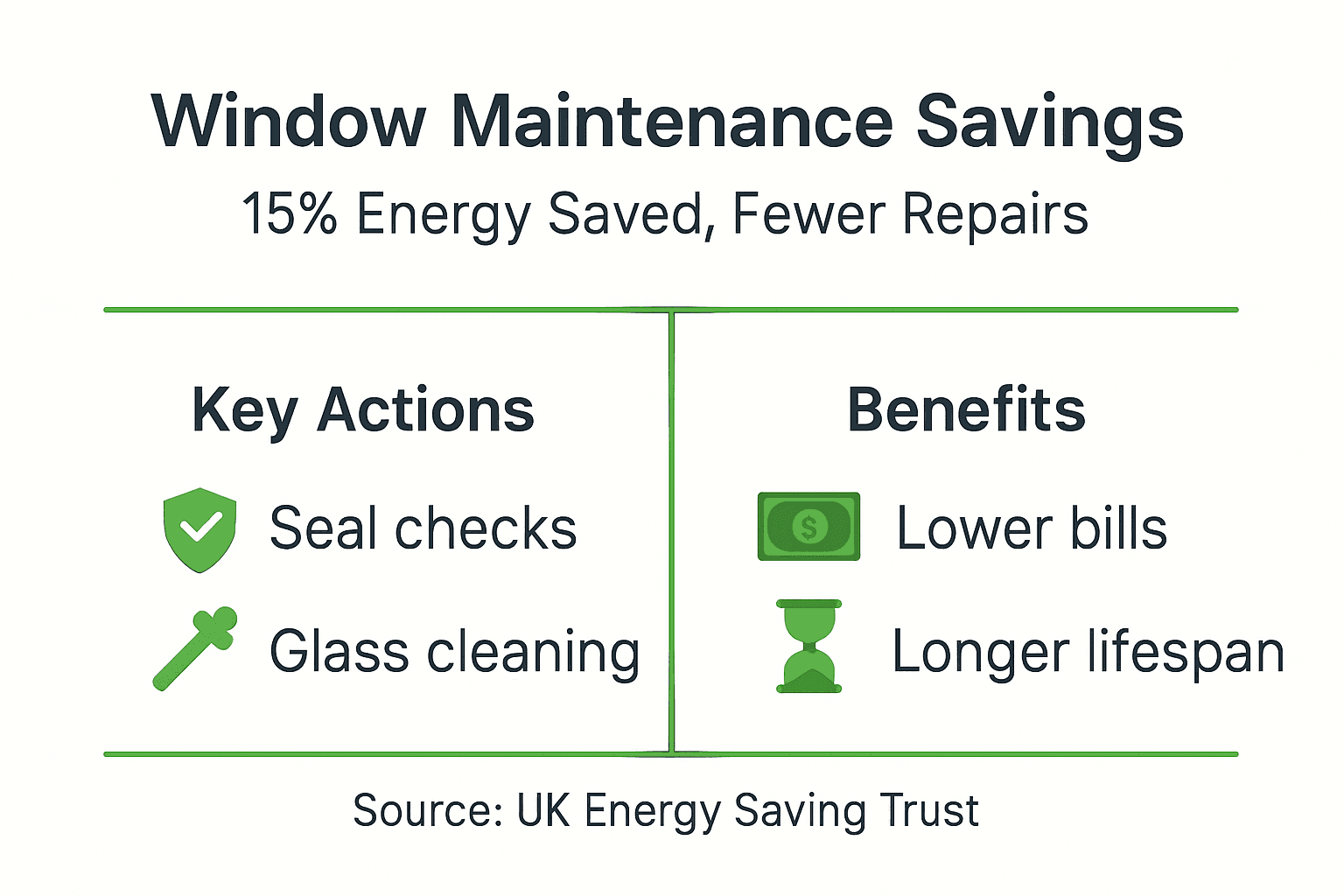
  • Make sure your static home windows are in full working order. Regularly checking your windows for damage can save you a fortune in the long run. Looking over the seals for cracking or damage, ensuring there is no clouding or fogging, looking out for rot in the panes; it’s important to ensure your windows are in the best condition they can be. If there is damage, this could be allowing draughts and unwanted moisture to enter – causing heat loss and potential long term damage.


Maintain Your Static Caravan’s Double Glazing with Cloudy2Clear

Failed double glazing in static homes can cause condensation and draughts, leading to further problems down the line. At Cloudy2Clear, our caravan window repair services offer a range of benefits. With the popularity of owning a holiday home on the rise, these services are more in demand now than ever.

Static caravans are excellent to own, though their smaller size means the risk of condensation building up is increased. Maintaining your static caravan’s double glazing (or having it installed) will improve insulation, reducing the likelihood of damages due to condensation – including damp and mould. The heat retaining properties of double glazing will save you money on energy, while also increasing the eco-friendliness of your holiday home. You’ll find you may save money in the long run by checking your static caravan’s windows are double glazed and in full working order!

Contact us today to find out more about how we can help with your double glazing and static caravan windows. You can also call our team now, on 0800 61 21 119.

Can Double Glazing be Fitted from the Inside?

If you’re looking into having double glazed windows fitted, it’s worth reading up about how the process works. This can help you decide the best route to go down when upgrading your home or apartment.

Here’s our guide to whether double glazing should be fitted from the inside or outside. We’ll explain the ideal scenarios for fitting both from the inside and out, since the best way to do it can depend on a variety of factors. We’ll also describe how to tell which is the best option for you, depending on your windows and living situation.

Internal vs. External Beading

When considering whether you’ll need your double glazing fitted from the inside or the outside, you need to determine whether your frames are internally or externally beaded. What does this mean?

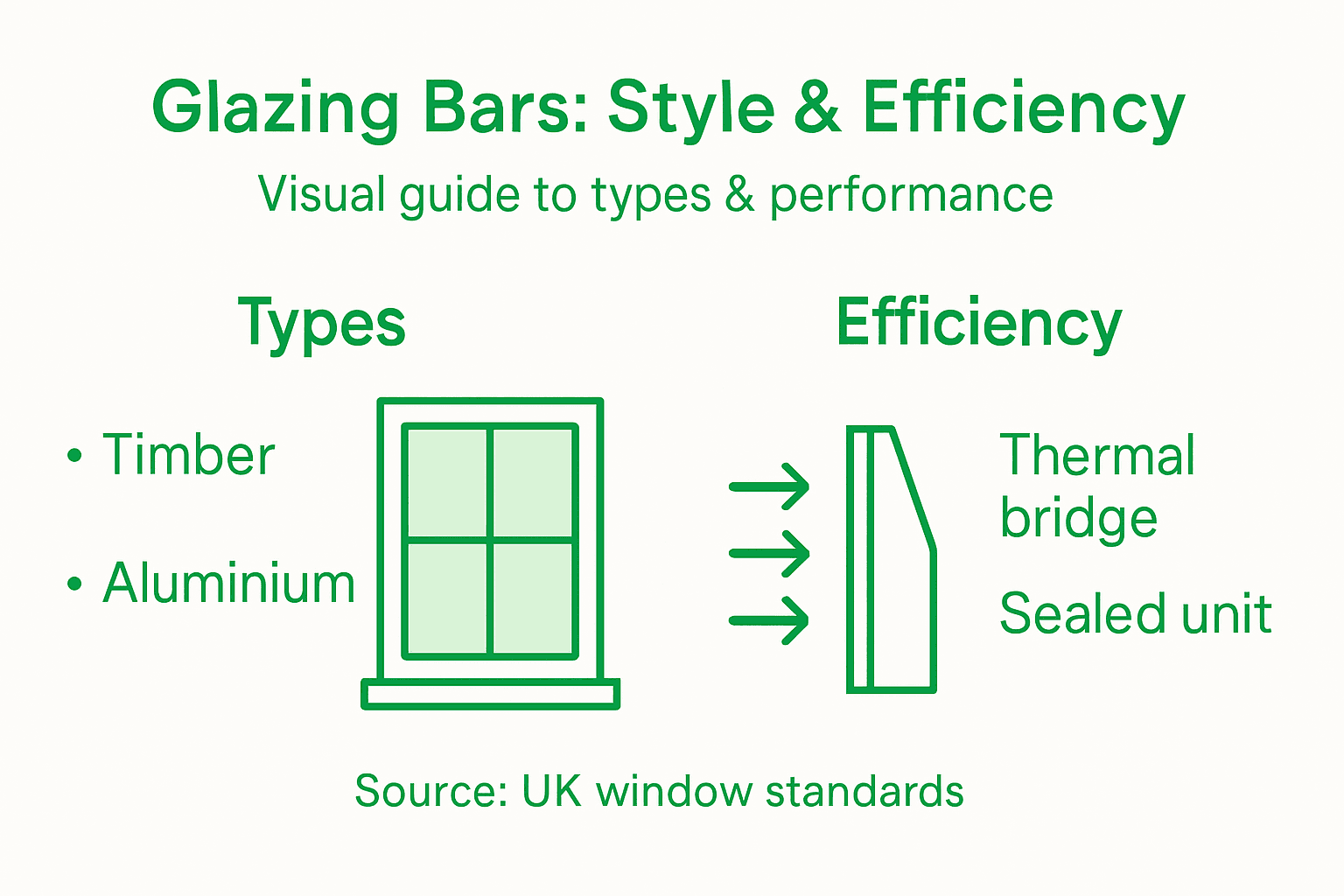
When glazing any window pane into a frame, the glass panel needs to be held in place under compression. This is what we call beading. With PVC windows, this is normally a plastic strip seen around the edges of the glass. This strip is what snaps the glass into place during installation, and runs all the way around the side of the window frame the glass was fitted from. You won’t find beading on the other side of the glass, since it’s already held in place from the direction it was fitted.

If you can see the beading line on the inside of your window frames, it means your glass was fitted from inside the home. If you see beading on the frames from the outside of the house, it means it was fitted externally.

The Pros and Cons

When fitting double glazing, it’s important to know whether your current frames are internally or externally beaded. If you’re going for entirely new frames they are all internally fitted as standard

Appearance

Some people prefer the appearance of externally beaded windows. Old, timber window frames usually feature external beading as it tends to look smarter. The side the glass is fitted on will feature more ridges and bumps in the frame design, so externally beaded windows can look neater. It’s usually down to personal preference – from the perspective of looking out from inside the home, internally beaded windows will look better.

Accessibility

If your frames are already fitted, or you live high up – you won’t have the hassle of deciding whether to have your windows internally or externally beaded. If you live high in a multi-storey building like an apartment block, your windows will naturally need to be fitted internally as they won’t otherwise be accessible.

Considering the Frame Design

Sometimes you won’t have the luxury of choosing between internally or externally beaded windows. If your frames are already fitted and you’re having double glazing installed, the glass panes must be fitted from the original side the beading was on anyway.

This is because frames have a glazing rebate. This is the area within the frame that the glazing panes need match up against. So externally beaded frames need to be fitted from outside the home, while internally beaded frames need to be fitted from inside the home.

Modern Fitting Options

PVC has been the standard material used in window frames for a while now. Many homeowners are in the process of upgrading to more modern options that provide greater security and durability. Aluminium windows are becoming popular within new builds and upgrade projects. They can use either internal or external beads, so you have the option to decide between which version you prefer most.

Whichever type of frame you have, the specialists fitting your double glazing will be able to identify whether it needs to be fitted internally or externally. It’s good for homeowners to understand the difference between internal and external beading, however, so they have more knowledge surrounding how their windows work to protect the home.

Efficient Double Glazing Solutions by Cloudy2Clear

If you’d like to have double glazing fitted or replaced affordably by experts, Cloudy2Clear can help. With us, you can have your double glazing fitted without having to endure long waiting times. Here’s how the process works:

  1. Contact us to book your free consultation with our service engineers. We’ll try to fit your appointment in as soon as possible.
  2. During your consultation, we will survey and measure your property so we can determine a quote for your double glazing needs. We’ll also make recommendations that will work in your best interests, as our experienced engineers can help you decide on the product that’s right for you.
  3. It should only take around 20 minutes for you to receive your quote once everything’s been surveyed.
  4. If you do want to go ahead, we’ll confirm this quote with you and place the order for your materials. We’ll then aim to book your fitting in within 5 – 10 days, though this timeframe can depend on the materials involved.
  5. On fitting day, we’ll work efficiently to fit your double glazing without disrupting you or your neighbours. We keep mess and noise to a minimum, as our years of expertise mean we can complete the job smoothly.

To get started with Cloudy2Clear, contact us today. You can call our team now on 0800 61 21 119 to book in your consultation. You can also get in touch with us to request a callback from your local branch manager by filling out our contact form.

5 Tricks You Hadn’t Thought of to Keep Cool at Home This Summer

As the temperatures are set to soar even higher across the country in the coming weeks, people are preparing for what could be a sweltering heatwave.

One of the best places to find some refuge from the summer heat is your home. However, most UK homes aren’t equipped to deal with excessively warm weather. This has led to many of us wondering how to keep a house cool in summer. To help, here’s our guide on how to cool a house down.

Close the Windows

Should you have windows open or closed when it’s hot? If your house feels too warm, it’s tempting to open the windows to try and cool things down. This works in the colder months, but in summer you’re just letting that warm air into the home. Keeping windows closed in the daytime helps maintain the cooler temperature in the house. At night, the weather often dips in temperature – this is the time to open up the windows and let some cooler air in.

If you do want to get some fresh air in the house, open your windows wisely. By opening windows on opposing sides of the house, you’re creating the ideal pathway for air to flow through. This helps provide a breeze and freshen air circulation throughout the home.

Stop Sunlight Entering the Home

Think about how you can limit the ways the sun can enter your home. In the UK, we generally favour having south-facing gardens and homes. This is where the sun shines most, and many of us want to take advantage of those (often rare) warm, sunny days. Plenty of homeowners actually install the biggest windows, doors, and even conservatories on these south-facing walls, to maximise the amount of sunlight that can enter the home. In colder months, this can be beneficial.

In the summer, however, our tendency to optimise the amount of sunlight in the home is almost a design flaw. The hot sunlight filters into the home through the windows, heating up entire rooms.

To minimise this effect, close the curtains or pull the blinds on your south-facing windows. You might also want to think about whether it’s worth replacing your glass with solar control glass.

Strategically Place Bowls of Cold Water

This one sounds strange, but it works. Placing bowls of ice cold water around the home helps to absorb heat. The warm air will move towards the cold air, cooling as the two balance one another out.

Placing the bowl of cold water in front of a fan is even better for cooling the home. This leads to an air conditioning effect, as the fan circulates the colder air. The ice will melt, so keep replacing it to maintain the effect.

Remember: If it’s really hot outside and you’re feeling the heat, you might be tempted to have a drink of ice cold water yourself. This could be dangerous. If your body is too hot, the freezing water may send you into shock.

Instead, take small sips of cold (not ice cold) water. Room temperature water can actually rehydrate you faster, so if you’re feeling very dehydrated, sipping on some room temperature water is your best option.

Turn Off Appliances

It’s easy to overlook how household appliances can have such an impact on our home environment. They’re everywhere in the home – from toasters and kettles, to smart speakers and computers. The issue is, leaving these on can contribute to how warm your house is. Any electrical equipment emits small amounts of heat, as the electrons move rapidly when devices and appliances are plugged in.

If you’re not using them, turn off any appliances to minimise the amount of heat generated. Think about your TV left on standby, phone chargers, lights, dishwashers, washing machines… Each one of these will be generating some degree of heat if they’re not turned off. Unplugging these appliances is even better. Making this a habit whenever things aren’t in use can also reduce your electricity bills over time.

Invest in Energy-Efficient Windows

Energy efficient windows are ideal for sustaining comfortable temperatures in the home. In the UK, many people install them to keep warmth inside during the cold winter months. But – they do work the other way around, too.

Energy efficient windows such as solar control glass or low-e glass work by reflecting heat to help balance the temperature. In winter, the glass reflects the warmer air back into the home. In summer, it will reflect hot air away from the home.

Double glazing can also keep heat out, so it’s considered an energy efficient form of window.

Dine Al Fresco

Using the oven and managing a stuffy kitchen when it’s too hot doesn’t sound very tempting. Instead of turning on heating appliances and adding to the rising temperature, why not make the most of the weather and eat outside?

Eating fresh, colder foods tends to feel more appealing in the summer anyway. Set up the garden for a summer of al fresco dining. This is the ideal time to get creative with making salads – mix things up with grilled halloumi or fish. Lay out a spread of picnic foods instead of cooking a Sunday dinner. Set up a charcuterie board, or sandwiches, pastries, hummus, and dips – appetisers you can graze on rather than indulging in a heavy meal. Have a barbeque while the weather is cooperating!

Check Your Windows and Doors

At Cloudy2Clear, we’re specialists in repairing failed double glazing throughout the home. If your windows and doors aren’t in top working condition, they might be letting the hot summer air into your house – even if your windows are closed.

Checking your windows regularly to see if there are any signs of damage to the seal, condensation, damp, and air flow, will enable you to keep your house cool this summer. If you do notice any signs suggesting your double glazing has failed, we can help.

We repair failed double glazing, worn out seals, chipped windows and everything in between. In doing this, we do our best to keep costs down. This is why we replace only the faulty or damaged section, so there’s no unnecessary waste – and no unnecessary costs. To discuss how we could help keep your home cool this summer, get in touch via our contact page. You can also call our team on 0800 61 21 119 for a free quote.

4 Ways to Secure Your Home Against Burglars

We all like to think we live in a safe neighbourhood, but burglaries do happen. Often, houses are targeted due to bad luck. Other times, criminals scope out homes beforehand as they look for security weaknesses to exploit.

No matter how a burglary has happened, it’s happened because the perpetrator has somehow been able to enter your home. Ramping up your security measures might not make it 100% impossible to break in, but it can considerably slow down the process. This helps deter burglars – research shows the longer it takes to get into your house, the more likely they are to give up. 4 – 5 minutes is generally the cut-off point, after which they decide it’s not worth it.

Remember that security measures aren’t just the physical things you ‘add on’ to your home, like alarm systems. You might have the most state-of-the-art security system there is – but this means nothing if you forget to activate it. Some of the best security measures don’t cost the earth – they simply involve learning new habits, while avoiding those that make your home an easy target. The doormat is not a good place to hide your house key!

Here’s our guide on how to protect your house and keep your family and belongings safe.

Check Your Locks, Hinges, and Door Handles

Security weaknesses can happen almost anywhere in and around the home. The first step we’d recommend is to check your locks are in full working order. Make a habit of doing this every couple of months. Your locks might work now, but with time they can wear down.

Be sure to check locks around windows too – these often go overlooked, yet they can be just as easy to get through as a door. You might want to add additional safety features to other areas around your house, like the garden. Padlocks and combination locks are a great option for securing sheds, gates, storage tubs, and gardening equipment.

Of course, locks will only work as a deterrent if you actually remember to lock up every time you leave the house. This comes as a natural habit to many of us, but when we’re in a rush it can be all too easy to run out of the house – forgetting you’ve left the back door unlocked.

Remember, don’t focus on just the lock itself when looking for any faults. You should also check the area around your locks. If the windowpane around the handle feels weak, it’s easier for a burglar to break the pane entirely – rendering the lock useless at protecting your home anyway. If you do need your locks, hinges, or handles repairing, Cloudy2Clear can help.

Keep The Lights On

Burglars are looking for the easiest target. Most will want to break in as quickly and discreetly as possible, avoiding any additional or unexpected obstacles. They don’t want to break in, only to find the house is full of people – and therefore risk being caught or hurt.

A classic trick is to make your home appear occupied when you’re out. Keep a couple of lights on or play music to make it seem like there’s somebody home. You could go one step further and control your sound system and lighting via a smart home system. These can be connected to your smartphone apps, meaning you can easily adjust what’s going on in your house with the tap of a finger.

As well as this, try to make sure your gardens and any walkways are lit up at night. Burglaries at night are common, since it’s harder for neighbours to notice any unusual events in the dark. Outdoor motion sensor lights are relatively cheap and make effective deterrents, as burglars will likely choose the house in darkness over one that’s well-lit and exposed. These don’t require any high-tech equipment, and if you opt for solar powered lights you won’t need to worry about energy.

Upgrade Your Windows for Security

Certain types of glass and styles of windows can be almost impossible to open from the outside. If you do feel it’s time for a bit of an upgrade, getting your windows replaced can be a great place to start uplifting your home security.

There are hundreds of possible window combinations, each with their own redeeming qualities. But there are just three key things to consider when optimising your windows for security purposes.

Window Design & Frame

Casement windows are known to be the most secure type of frame, since there’s no way to adjust the handle from outside. There’s also no way to force them open with a crowbar. You just need to make sure the window is closed and locked. Unable to enter by manipulating the frame, the only other option is to try to break the glass.

Double Glazing

To strengthen the glass so this can’t happen, make sure your windows are double glazed. Double glazing is added as standard on new modern homes, as it insulates so well and can save money on energy bills. With double glazed windows the burglar would have to break through two sheets of glass rather than one – taking even more time and effort.

Type of Glass

The type of glass in your double glazed windows does make a difference. Tempered glass is specially heat treated to resist more force than normal glass. This process involves subjecting the glass to intense heat before quickly cooling it down. This heat vs. cooling action compresses the external surfaces of the glass, making the entire structure tougher to break. As a result, it’s around 4 times stronger than usual glass.

Considering the above, double glazed tempered casement windows make the best combination for a secure home. Impossible to enter from the outside, with double glazed tempered glass that’s highly resistant to breaking.

Keep Valuables Out of Sight

Let’s address the reason a burglar might target your home in the first place. Many burglaries happen due to perceived opportunity. That is, the burglar thinks – or knows – there is something in your home that is worth stealing.

Keeping your home a bit more private can reduce your chance of being targeted. Hide valuables so they can’t be seen through windows. This is more difficult with larger items like TVs and computers, though you can draw the curtains to keep them out of sight. You could also cover some windows with privacy-enhancing screens or stickers. These are a popular choice for those with street-facing windows or no front garden, as they still let light in while the semi-opaque screen obscures the contents of your home.

You might want to take extra steps to avoid your car getting burgled too. A car can be the most expensive item many people own, yet we regularly leave them out on display. Avoid parking your car in the street and stick to parking in your garage – or on your driveway – if you have one.

Secure Your Home Against Burglars with Cloudy2Clear

Keeping your home safe and secure involves checking everything is working properly. If you take the above steps we’ve mentioned, watch any habits that might make your house a target, and ensure your windows, doors and locks are in top condition – a burglary is much less likely to happen.

At Cloudy2Clear, we’re experts in repairing and replacing door and window mechanisms, double glazing, and more. All our repairs involve replacing only the faulty or worn down elements. That is, we won’t charge you for an entire window frame if only the glass needs replacing.

If you’re looking to boost the security of your home, start with us. Get in touch via our online contact form for a free, no obligation quote. You can also call our team now on 0800 61 21 119.


Do My Windows Need Resealing?

As Autumn inches closer, there’s no better time to ensure your windows are in peak condition. The last thing you want as the weather cools down is to realise your windows need resealing. Worn-out window seals are common – and can mean your double glazing isn’t working. Leaving the problem to fix later can lead to further damage, to both your windows and the surrounding areas. If you have windows that need resealing, it’s worth tackling the issue now, before issues build up.

How Do I Check if My Windows Need Resealing?

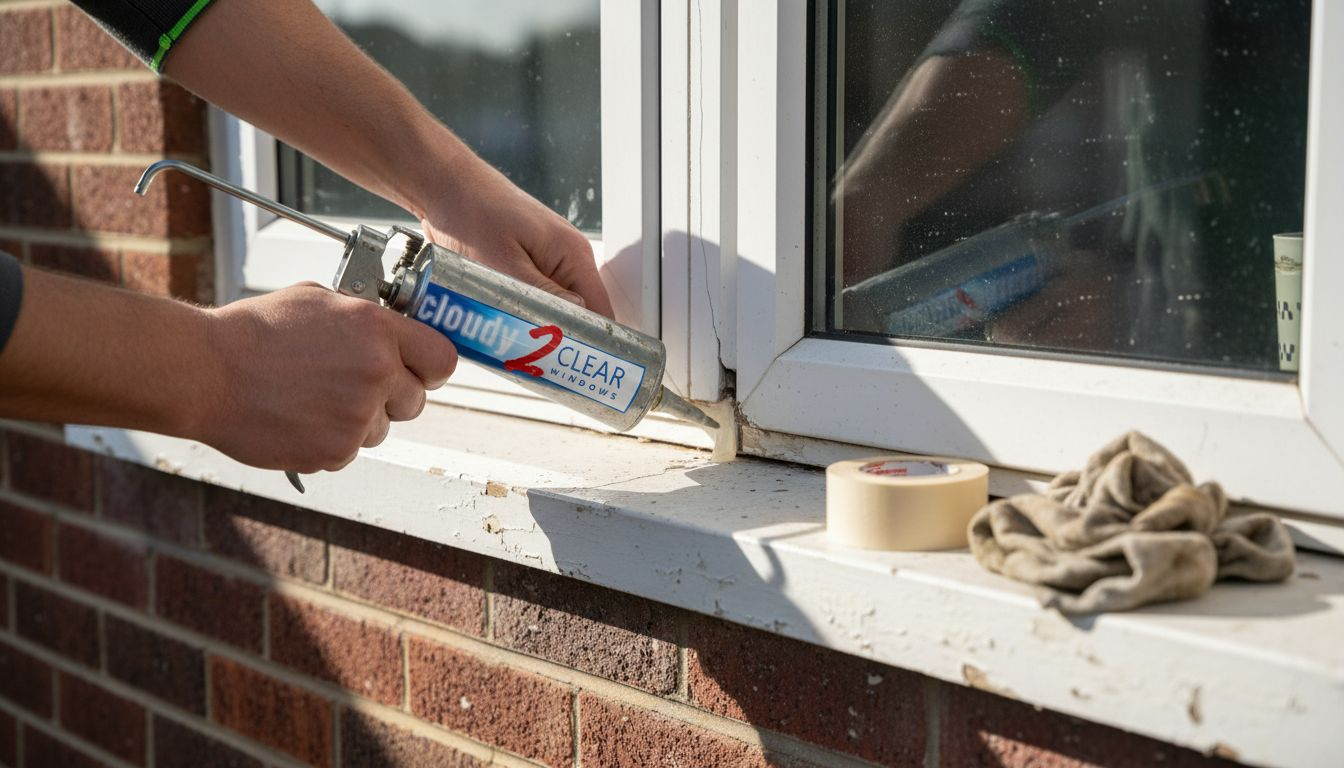
Not resealing your double glazing once it’s failed is essentially a downgrade, as the double glazing fails. When this seal ‘fails’ – cracks, loosens, or becomes damaged; this allows air from outside to enter the home as it can penetrate the gap between your double-glazed windows. Avoiding this can be as simple as just giving your windows the occasional once over to look for any visual signs of wear and tear that could indicate your windows need resealing.

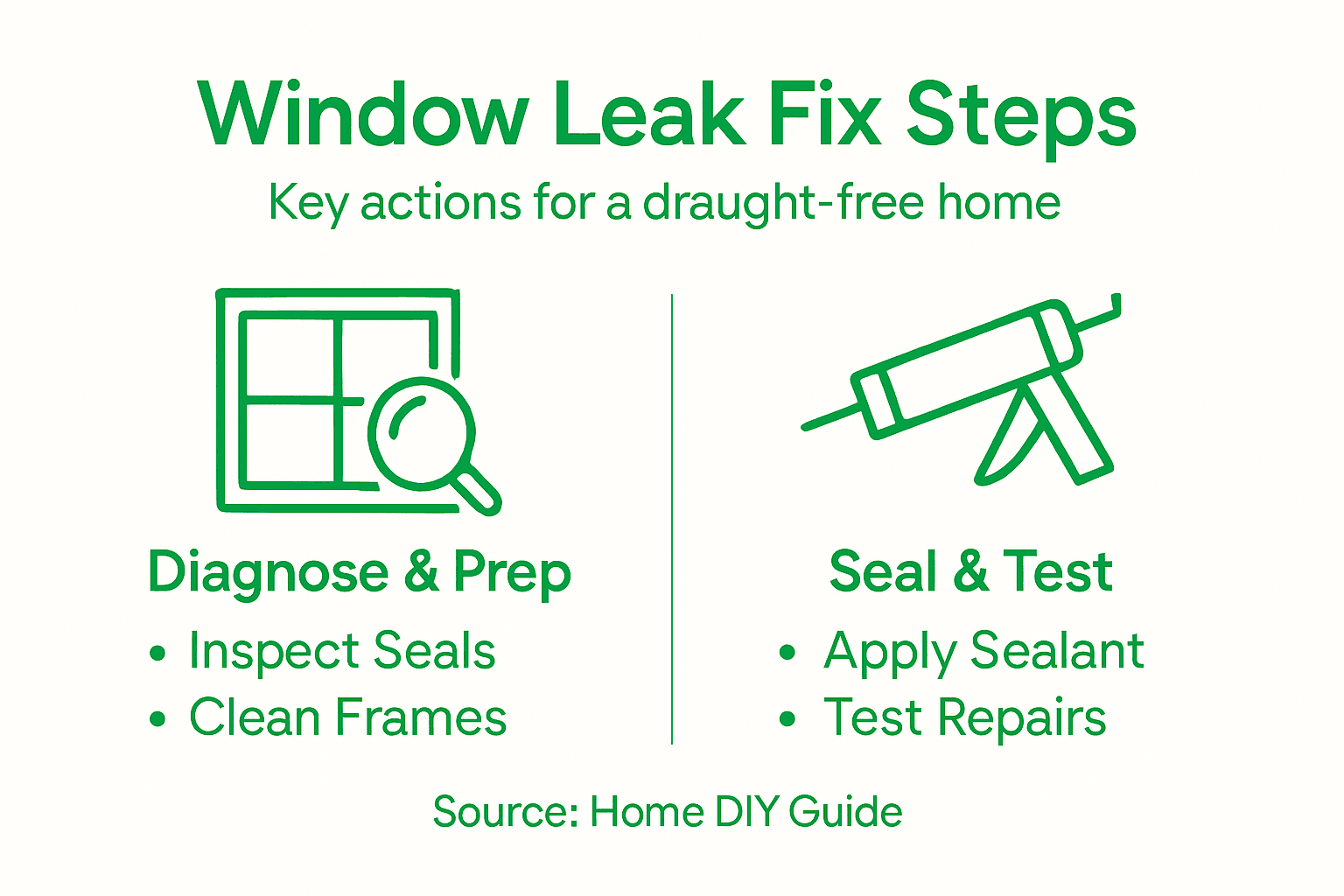
Things to look out for include visible signs of wear and tear, moisture intrusion causing mould, or in the worst-case scenario, rot around your window frame. Other earlier indicators may also be signs of condensation, indicating a possible failure of the seal; or as mentioned earlier, a draught creeping in. Not only can windows that need resealing make your home less comfortable as draughts creep in, but with energy prices continuing to rise it could cost you more in the long run through heating bills and damp and mold repairs. Our guide to figuring out if your windows need resealing should help you.

Why Do Window Seals Fail?

Window seals have an expected lifespan of 10 – 20 years, so they do last quite a while. Once a window seal is broken however, double glazing can become completely ineffective.

There are several reasons window seals can fail, including:

  • Shrinkage from cold weather – ’solar pumping’.

A key reason window seals wear down over time is through a process called ‘solar pumping’. This is where the sun shining on your windows causes the glass to expand, putting pressure on the seals. As this happens repeatedly over the years, and the glass cools down and shrinks again each night, wear occurs from the repeated pressure and can eventually cause the seal to fail. The effects of solar pumping are more prevalent in south and west facing windows, as they receive more sunlight and are therefore more likely to expand.

  • Wear and tear from time and moisture.

Naturally things do wear down over time through use, and your window seals are exposed to some harsh external conditions. The seals must cope through varying weather conditions, high winds, rain, heat, and cold over the years. Considering this, it’s natural this will eventually wear them down. Furthermore, if a small amount of damage does come to them and moisture somehow finds its way into your home, the mold and damp could increase this degradation.

  • Poorly fitted windowpanes.

Whether it’s been caused by unprofessionally done handiwork, or your windows dropping over time; a poorly fitted windowpane isn’t going to sit right and can cause added unnecessary pressure to your sealing.

  • Accidents and unexpected damage.

Accidents can happen, and they can happen to your windows. These accidents and unexpected damages can happen for a range of reasons – from the harsh chemicals used in painting or redecorating wearing your seals down over time, to burglaries and break-ins, or even things hitting your windows. The unexpected can happen, and that’s where we’re here to help. Read on to find out how you can have your window seals repaired or replaced.

If you’d like to find out more about how double glazing can fail, take a look at our article on the most common faults with double glazing.

What If My Windows Need Replacing?

If it’s just the window seal that has failed, it’s unlikely you will need to have the entire window replaced. If you have noticed any of the tell-tale signs your windows need resealing, it’s time to get things fixed. Failed double glazing can end up costing you more in the long run, as it’s no longer effective if your window seal has failed.

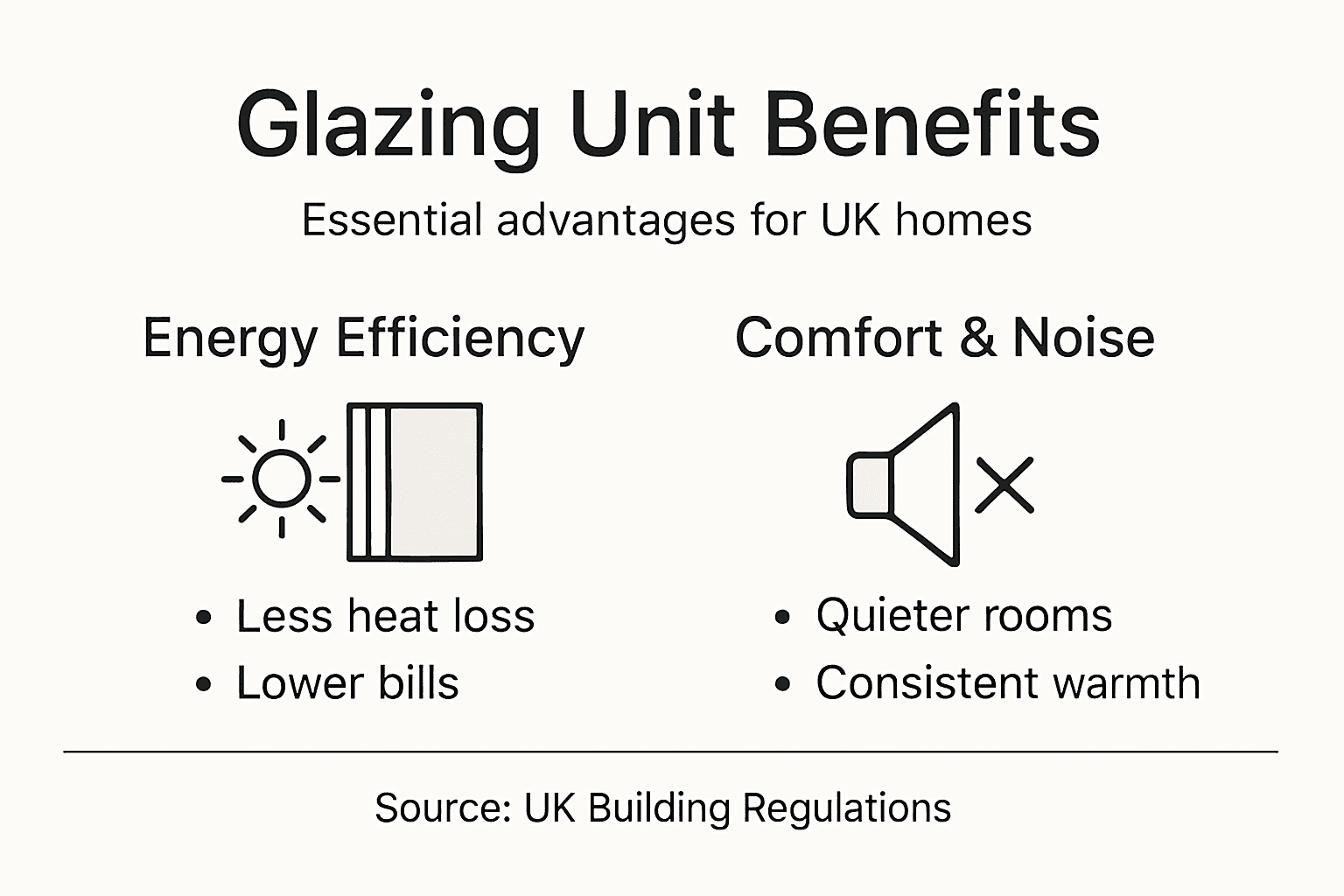
You’ll lose money on energy bills. 20% of heat in the home is lost through windows and doors. Once your window seal has failed, cold air from outside is free to enter the home. This increases the amount you’ll be spending on energy bills – even unknowingly.

Your home will become less environmentally friendly. Many opt for double glazed windows not only for their heat retention qualities, but because they want to do their bit in optimising their homes to be more eco-friendly. With broken seals – as we mentioned above – you’re more likely to overspend on energy bills, using more fuel than you would otherwise.

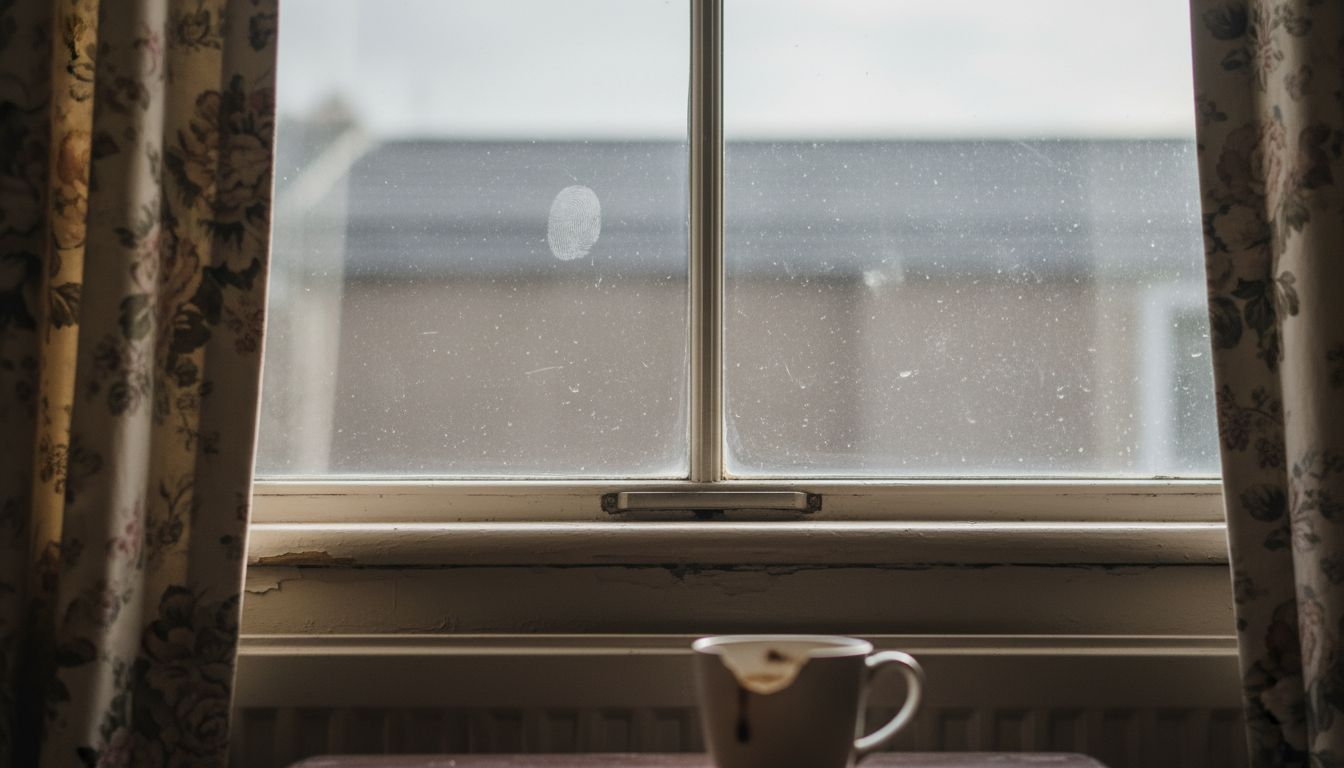
Condensation clouds up your windows. Windows are there so you can enjoy the views around your home. Once window seals fail, condensation is likely to cloud up your windows. This obscures your view and can have a negative impact on the appearance of your house.

Broken seals allow noise in from outside. Just like how air can enter the home through broken window seals, any noises from outside can enter too. Whether you’re located near a busy road, a school, or even just noisy neighbours, double glazing is effective in reducing noise pollution. Once these external sounds can enter the home, this can have a negative impact on any work you might do from home, and how well you can unwind and relax.

Moisture can enter the home, causing damp and mold. Damp and mold don’t only cause damage to your home such as rotting walls, floors, or ceilings, leading to a whole host of problems themselves; but can also affect your health. Molds can produce allergens, irritants and even toxic substances that can affect your respiratory health, especially for those suffering with asthma, as well as cause allergic reactions.

Tip: We recommend checking your window seals regularly to avoid suffering the effects of failed double glazing and seals. Check you’re not wasting money on heating your home – and that your home isn’t susceptible to damage caused by damp.

Get Your Windows Resealed with Cloudy2Clear

If you do need your windows resealing, we can help. At Cloudy2Clear, we offer a simple, quick repair service for windowpanes and seals, taking just 20 minutes to carry out a survey of the damage. We price every element of your repair or replacement individually, so you know exactly what you’re paying for.

Many window specialists will replace entire windows if the seal has failed. We do things a bit differently. We’re committed to reducing costs by replacing only the defective parts of the windowpane – not the entire frame. This means window repairs are much more affordable, and materials aren’t being wasted by replacing things unnecessarily.

For more information about how Cloudy2Clear can repair your window seals, get in touch with our specialists in replacing steamed up double glazing. Call our team now on 0800 61 21 119. You can also ask any questions you may have on our online contact form, and a member of our team will get back to you as soon as possible.