• USP Logo Icon
    25 Year Guarantee
  • USP Leaf Icon
    Latest ECO Friendly Technology
  • USP Pointer Icon
    National Coverage
Get a FREE quote

What Happens if you Don’t Repair Double Glazing?

Double glazing has numerous benefits for both you and your home – not to mention your bank balance. Some of these include insulation, energy savings, noise prevention, and a condensation-free appearance; but what happens when double glazing fails?

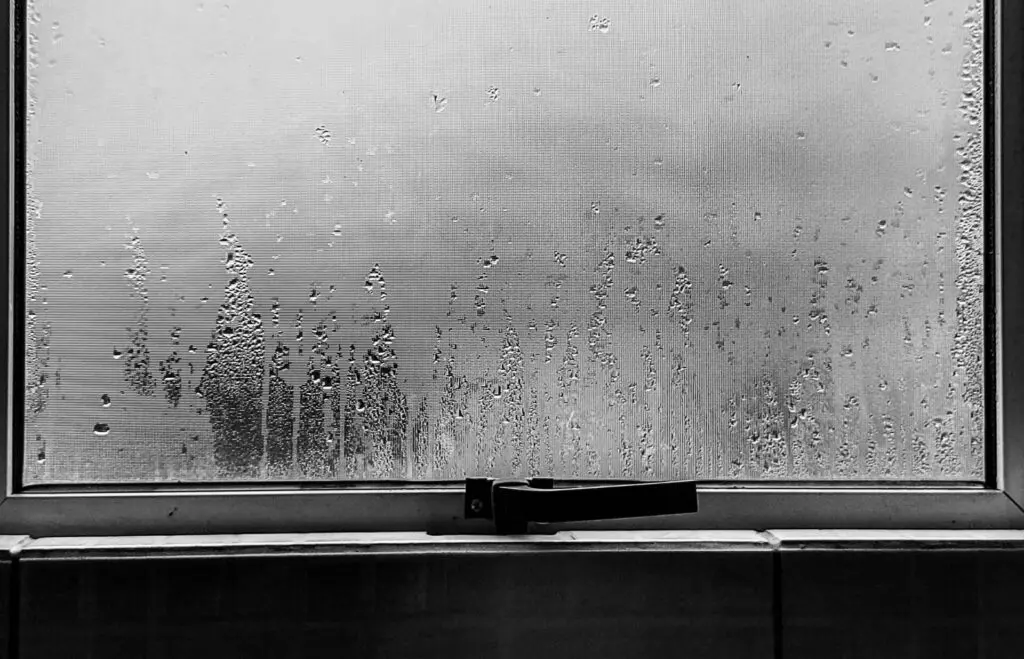
If you’re starting to see condensation or “misting” between two double-glazed glass panes, then it is likely that your double glazing has failed and therefore the unit can no longer keep moisture or cold air out as it’s designed to. The ideal solution would be to have your failed glazing repaired as soon as you can. However, we know this isn’t always possible. With the rising cost of living there can be other priorities that come into play, and the idea of fixing your double glazing can swiftly become pushed down your list of things to get done.

However, it’s important to remember that when you don’t repair failed double glazing, it can quickly become an even more expensive problem. While it may not have as much of a noticeable an effect on your home in the warmer summer months, as we head into winter it is important to check for (and repair if necessary) your double-glazing windows and doors.

Failure to do so can not only worsen the damage to your windows, sealants, and the area surrounding them; but can also have a major financial impact later down the line. This could be due to an increase in your energy bills due to the loss of heat in the home, or on the damage caused by rot, mould and damp when outdoor moisture enters the home.

Mould and Damp

Moisture that enters the home through damage to your double glazing can cause a host of problems, most significantly mould and dampness. The inside of your home tends to be a lot warmer than outside during the colder months, especially if you use your heating frequently. The warmer air in the home can hold more moisture than cool air outside. So, the difference in temperature outside means that on single-glazed windows, or damaged double-glazing, condensation will form on the inside of your windows – the cooler surfaces in the home that any damp can easily settle onto.

This doesn’t happen on double-glazing that isn’t compromised, as the gas-filled gap between the two panes of glass acts as a barrier. This gas barrier balances out the heat difference between your home and the outdoors, so the inner pane of glass remains at a temperature closer to room temperature. This limits the level of condensation that can form; if any at all.

Any of the additional water and moisture that does enter the home when you don’t fix double glazing can cause walls and ceilings to fall victim to dampness. Furniture and fabrics nearby can also grow mould, or even rot. This can add up to a considerable expense if you have to replace furniture or repair damages, especially if the contents damaged have further sentimental value!

As an additional concern, moulds can produce allergens, irritants and even toxic substances that can affect your respiratory health. This can be especially harmful to those suffering from asthma and can also cause allergic reactions alongside more severe consequences. We are sadly seeing an increase of the drastic consequences caused by ill maintained homes that leads to damp, as children and the elderly fall victim to harsher respiratory illnesses as a result. Fixing these concerns as soon as they are noticed may reduce the chances of contracting even life-threatening symptoms that may not seem so much of a threat to begin with. Such is the severity of not dealing with any areas of the home that are prone to damp or mould.

Higher Energy Bills

The home loses a shocking 20% of its heat as it escapes through windows and doors. Failing to keep heat in by following basic maintenance routines and repairing your double glazing as soon as you notice an issue can further increase your energy bills.

With energy prices skyrocketing currently, every penny helps when it comes to keeping those gas and electricity bills down. Quality double glazing that hasn’t failed is impressively energy efficient and environmentally beneficial. Without it, you’re unable to trap heat and prevent draughts – so you’ll end up using much more energy when trying to heat your home this winter.

Rotting Frames

Rotting window frames are a common cause for failed double glazing and are especially common in older homes. As mentioned earlier, much like mould, rot forms from exposure to water and moisture. Wood is an absorbent material and over time can soak up and hold quantities of water. The longer the wood is exposed to the increase in moisture, the bigger the risk of damage – as rot is a type of fungus which loves damp conditions.

This increase in moisture can come from condensation or even long-term exposure to severe weather conditions, which explains why rotting frames can be more common in older homes. It’s important to perform regular checks on your window frames and even the sealant, to ensure rot and other damages are caught early. Discoloured paint or crumbling and softened woods are the earliest signs that your window frames have begun to rot. It’s important to tackle these problems quickly to avoid further damage to your home.

Call Cloudy2Clear for a Free Quote

To avoid the above and to have your failed double glazing fixed, get in touch with our experienced team at Cloudy2Clear. We focus on repairing only the areas of your double glazed units that really need working on. This means our prices are much lower than those companies that will replace entire frames unnecessarily! To save costs while maintaining the health of both your home and your family, we can help.

Call us now on 0800 61 21 119 – or fill out our online contact form to find out more about our double glazing repair services. Operating across the UK, our friendly engineers will provide a free quote before coming out to check the condition of your double glazing. They will then be able to calculate the most cost-effective way of repairing or replacing any compromised units.

How to Stop Condensation on Windows

Condensation isn’t rare. Many homeowners therefore tend to overlook it when it appears on their windows. Condensation can form on any cool surface, and we see it every day. You probably notice water droplets forming on other surfaces in your bathroom after you have a hot shower – like mirrors, tiles, and shower panels.

The truth is, excess condensation on your windows is a bad sign. It can encourage the growth of mould in the home. With the risk of damage that this damp and mould can pose to our homes – and our health – it’s best to try to limit the occurrence of condensation in the first place.

The best way to prevent condensation is to consider what causes condensation in the first place. Condensation happens in humid environments, where the water in the air becomes so dense it settles on cold surfaces. There are many things that can be done to prevent this happening on our windows, such as improving ventilation and maintaining a steady temperature in the house.

For more tips, read on for our full guide on how to stop condensation forming on windows. Following these steps should reduce condensation, making you more comfortable and limiting any further damage to your home.

Ventilate Your Home

Increasing airflow through the home reduces the amount of moisture in the air, which can help prevent condensation from forming.

It’s easy to overlook how some activities can increase humidity in the home. Condensation inevitably gets worse when we’re doing things that release water vapour. Focus more on ventilating the home – or restricting the flow of moist air – when you are:

  • Cooking. Turn on your cooker hood while boiling or frying food. Depending on what you’re cooking, try to keep the lids on pans. This has the added benefit of helping some foods cook faster, retaining more heat energy.
  • Drying clothes inside. Your tumble dryer can be exposing your home to high levels of heat and humidity. Make sure your dryer is properly vented so the air generated can flow outside of the home. You should check the vent is clear on a regular basis. Dry clothes outside in the summer months, and ventilate properly when drying clothes on radiators inside.
  • Having a bath or shower. Bathrooms are often the smallest spaces in the house, and they’re also the rooms we expose to the most humidity. These two factors combined will increase the likelihood of condensation and damp forming. Any warm, moist air while you wash has to go somewhere. Turn on your extractor fan, or have one professionally installed in your bathroom. Consider taking a colder shower if condensation is a big issue. Close the bathroom door and make sure the window is open to ensure adequate ventilation.
  • Using certain appliances, like the dishwasher or washing machine. Leaving appliances open after use can release more moisture into the air. Only open them when necessary if condensation is an issue.

Ventilating the home is easier in the summer months, when inviting outdoor air inside doesn’t leave you shivering or reaching for the hot water bottle! This is why condensation on windows tends to be worse in autumn and winter.

Improve Your Insulation

Having double glazing installed is one of the best ways to improve insulation in your house. This can be a worthy investment, especially with winter approaching and energy bills on the rise.

Double glazing reduces the potential for condensation to build up, as the 2 layers of glass insulate the home against draughts and more variable temperatures. Double glazing keeps the glass a bit warmer than single panel glass, so moist air doesn’t settle so easily on your windows.

Many more modern or updated homes will already have double glazing installed. If you already have double glazing installed, check the seals are intact on a regular basis. If condensation is becoming a bigger issue for you despite your double glazed windows, there may be a problem with them that needs fixing. We’ll explain a bit more about this below.

Keep Your Home Warm

Maintaining a steady temperature within the home can reduce condensation, especially in winter. This isn’t the most affordable way to manage damp, but keeping your home consistently at a low, warm temperature will reduce moisture in the air with its drying effect. While it’s an effective solution, it’s not a viable option for many at the moment. There are many other tips in this guide that can be more cost-effective.

Use a Dehumidifier

Some older homes are unfortunately more prone to condensation and damp. Dehumidifiers are great if you can afford one. You don’t have to go all out on a high-end or industrial one. Quality dehumidifiers can be bought from just £40, and will make a difference.

It’s recently been stated that dehumidifiers cost just £1 per day to run, as they’re relatively energy efficient. If you can’t afford the electric ones or don’t want to use more energy, crystal dehumidifiers can still help. Just place them around any spaces exposed to moisture – your bathroom, kitchen, and bedroom. They’ll be more efficient in smaller spaces like your wardrobe, or even stood on a windowsill with a blackout curtain to reduce condensation in specific areas.

Fixing the Root Cause of Condensation on Windows

As the winter months are approaching after an extremely hot summer, our PVC windows and doors are more prone to becoming misshapen. This is because repeated exposure to quickly fluctuating temperatures can distort certain materials. Our windows and doors are exposed to more extreme heat in the daytime – and then cooler autumn nights – which can expand and then shrink the seals of the double glazed units, causing some damage to the quality of the seals over time.

We call this failed double glazing. A broken seal or faulty hardware can let air into the home, introducing more moisture to the air and creating condensation. In winter, this accidental airflow into the home increases draughts and can lead to higher energy bills as you ramp up the thermostat to compensate.

With some window repair experts, you’ll find you’re charged higher fees as they figure it’s easier to simply replace entire window frames and panes, rather than undertaking a detailed analysis and fixing the specific issue at hand.

Stop Condensation on Windows with Cloudy2Clear

Any condensation should be dealt with to avoid further problems before the moisture continues to spread. Condensation can cause plenty of issues. These issues are not only limited to your windows and doors, but can have an impact on your walls and furniture in nearby areas too.

At Cloudy2Clear, we’ve dedicated our years of expertise in industry to fixing issues that can cause condensation on your windows – such as failed double glazing. If you’d like help with your condensation problem, call our team now on 0800 61 21 119. You can also get in touch via our online contact form to arrange a free consultation with our specialist engineers.

How to Prevent Damp in Your Bathroom

Bathrooms are often a problem area for those struggling with damp in the home. They’re usually the smallest rooms in the house, yet they’re equipped with plenty of utilities that create steam and lead to condensation on a daily basis.

The moisture and humidity levels in your bathroom are naturally much higher than the rooms in the rest of the house. Having a damp bathroom is a bigger issue than it may seem. Damp can cause the sealants in bathroom fixtures to warp, leaving your walls and floor exposed to any leaks. You may notice this happening around the bath, toilet, and sink. Once this happens, your entire room is prone to developing mould – causing further deterioration.

Ventilating your bathroom properly is important, and can help reduce the spread of mould and damp. Here’s our guide on how to prevent damp in your bathroom.

Looking through door into bathroom


Install a Bathroom Fan

A bathroom extractor fan can help limit the amount of moisture that builds up in the air. Many bathrooms will already be equipped with a fan, but it’s easy enough to forget it’s there and neglect it! Extractor fans help the warm, moist air that’s generated in your bathroom to escape. This is especially important if you don’t have a bathroom window to open while bathing or showering.

  • Turn it on!

To make the most of your extractor fan, turn it on before you wash. The thing most people forget is that they should also leave it on for a period of time after they’ve used the bathroom. The moisture remains in the air after we shower, so your extractor fan should be kept on afterwards. Leave it on for around 20 minutes to air out the room and remove steam.

  • Cleaning

Make sure you also clean your bathroom extractor fan on a regular basis. They can easily collect dust, reducing the fan’s ability to function properly. If you don’t have an extractor fan, consider having one installed.

  • Cubic Feet Per Minute – CFM

Think about the size of your bathroom. In a larger bathroom, you will have more air that needs extracting. Extractor fans have ratings based on the amount of air they can shift. This rating considers the ‘cubic feet per minute’ (also known as CFM). For each square foot of space in your bathroom, you need 1 CFM – as a minimum. Fan sizes begin at 50 CFM. Work out the size of your bathroom in square feet by multiplying the measurements – length x width. If your bathroom is 10 x 8 feet, that makes it 80 square feet. You then need an 80 CFM extractor fan.

  • Placement

The placement of your extractor fan will determine how well it works to remove moisture. Some bathrooms have areas that may need an additional fan. Consider any alcoves and corners that need covering so that steam can be extracted from every space in the room.

If you’re worried about your extractor fans looking unsightly in your bathroom, there are newer designs available. Some modern extractor fans feature LED lights and discreet flat surfaces, while others are available in dark grey.

Check Your Bathroom Windows

Many of the first signs of condensation and damp within a bathroom begin with the windows. You might start to notice puddles of water forming around the windowsill or mould starting to grow.

If you see condensation building up on your windows, you need to check they are working properly. If the sealant around the window is broken or warped, then it’s not insulating your bathroom. If this is the case, you might need your windows repairing. If you don’t already have double glazing, this is an ideal time to consider upgrading! At Cloudy2Clear, we’re experts in fixing and installing double glazed windows. We can repair any failed double glazing that’s causing condensation, fixing the issue and preventing damp in your bathroom.

Open Your Windows

You might be tempted to leave your bathroom door open to reduce the humidity in there. However, this isn’t recommended as it means the moist air only spreads to the spaces beyond your bathroom. Keep it contained. Let it out by opening the bathroom window and using the fan before you shower instead.


Heating the Home

If you’ve tried all of the above, there are other ways you can prevent condensation in the bathroom. Warm air is able to hold more moisture than cold air – without it settling to form droplets of water on your surfaces.

Keeping your home at a steady temperature throughout can therefore prevent condensation. Increasing the ambient temperature within the home is an effective way to combat condensation and damp. However, with the rising cost of energy, we understand it’s not always an affordable option.

Prevention is Best

The best way to stop damp in your bathroom is to prevent it from happening in the first place. If you follow all the tips above, you should be able to limit the amount of damp and condensation:

  • Install bathroom extractor fans – remember to consider placement, use them properly, and clean them regularly.
  • Check your bathroom windows – double glazing reduces condensation when fully functioning. If your double glazing has failed, seek a repair specialist like Cloudy2Clear.
  • Open your windows while showering or bathing – don’t rely on leaving the bathroom door open, as the humid air is then simply redirected to other areas of the house.
  • Heat the home consistently – not the most affordable option, but warmer air does prevent condensation.

While the above tips should help, preventing condensation becomes easier when you take a couple of additional measures:

  • Wipe Wet Surfaces

After you’ve used the bathroom, try to mop up any water or condensation that’s formed on your surfaces, walls, and floors. This will reduce the level of moisture in the room and means that water isn’t sitting around and contributing to damp. To prevent your windows from failing or contributing to further damp, focus on ensuring your windows are dry.

  • Invest in a ‘Demistable’ Mirror

‘Fog free’, or ‘steam free’ mirrors are a great way to prevent condensation from forming. Some feature heating elements or store hot water behind the mirror to stop condensation. Others have an anti-mist, polyester film over the top that stops moisture from settling.

  • Try a Dehumidifier

A dehumidifier will work to reduce the humidity of your bathroom. You don’t have to spend too much on an electric dehumidifier; these will only add to your energy bills too. Small, tech-free dehumidifiers often use crystals to absorb any damp. These smaller dehumidifiers (or moisture absorbers) work well in small rooms, and you could place a couple around the bathroom for maximum effect.

Others use aerodynamic absorption techniques and refillable tabs. Complement your dehumidifying efforts by using the extractor fan and leaving your window open.

  • Use Anti-Condensation Paint for Bathrooms

Anti-condensation paints are a great way to prevent the buildup of moisture in bathrooms (and kitchens). These paints have insulating properties that means they level out the temperature, so moisture doesn’t settle. Due to their insulating impact, they can keep your home feeling warmer and reduce your energy bills. Many anti-condensation paints also prevent mould, with fungicides used within the paint to stop it growing at its source.

  • Take Cooler Showers & Baths

A fairly obvious condensation prevention method, but understandably not one that everybody wants to do! Turning down the temperature when you take a bath or a shower reduces the heat and moisture in the air, therefore helping to prevent condensation and damp from forming over time.

Prevent Damp in Your Bathroom with Cloudy2Clear

At Cloudy2Clear, we’re specialists in optimising the impact of double glazed windows. When it comes to bathrooms, we find they’re a problem area for many of our customers. The good news is, we can replace the sections of your bathroom windows that need fixing – without replacing the entire window unit. This reduces the cost of your repair, while minimising material wastage.

Replacing or having your double glazed windows repaired is a great way to reduce condensation in the home.

To discover more about our bathroom window repair services, get in touch with us. Call our team on 0800 61 21 119 for a free quote now. You can also fill out online contact form and we’ll get back to you.

How to Choose a Secure Front Door

A key step in improving the security of your home is your front door. As the main entry to your house, it’s often the first thing any criminals will target when trying to enter your property. The good news is, there are now plenty of front door security considerations you can think about installing to keep your house safe.

Feeling safe is regarded as a basic human need. However, making sure our homes are secure is a big task. How safe you feel in your home depends on a few factors, such as the neighbourhood you live in; past experiences; and crime rates in your area. Knowing you are safe in your home is equally as important as feeling like your family and possessions are secure while you’re away.

Equipping your home with quality safety features can have additional benefits alongside extra security. If you have home or contents insurance, your extra-secure door can help lower the costs involved.

Here’s our guide to upgrading the safety of your house by choosing a secure front door.

Single-Point Door Locking Systems

Front door locks come with varying levels of security depending on the type of lock, and it can be difficult to decide which is best for you. There is a lot to consider, from choosing between a single- or double-cylinder lock, to whether a standard latch with a spring bolt is enough. Or, are you going to require an additional dead bolt?

From there, it comes down to what you feel is required to make you feel secure, as there are a number of security options included with these types of locks. These options include:

  • Nightlatch

A low security option, the nightlatch is a spring lock that is opened from the inside or outside by engaging the lever set with a key. They lock automatically when you pull the door closed unless the latch is held back by a small button (snib). This lock is typically part of a multi-point system, as opposed to being the sole lock.

  • Five-lever mortice deadlock

Often only seen now on older wooden front doors and porch doors, the five-lever mortice deadlock uses a key to move the levers within the lock into the correct position. The lock sits within the door itself and is designed to make lock picking or drilling more difficult. These locks are often paired with the nightlatch for additional security, as opposed to being the only lock on the door.

  • British Standard BS 3621 deadlock

A standard of lock by the British Standards Institute for thief resistant locks, the BS3621 is a more secure variant of the five-lever mortice deadlock. It can only be opened by the key both inside and out and has a reinforced deadlock and hardplates to protect from drilling.

  • Cylinder lock

Fitted into the door, the cylinder lock is a higher security level option where the keyhole and pin-and-tumbler system are within a cylinder or barrel within the door. The lock uses different length pins, so that only the matching key can unlock it. Some locks are even being magnetised to raise the pins as opposed to lowering them – making lock picking even less unlikely.

While designed to meet the British Standard TS007:2014 some older variations of the cylinder lock can be vulnerable to lock picking or snapping. They may therefore need pairing with a security handle or cylinder guard to reach optimum security standards.

Multi-Point Door Locking Systems

If you’re looking for the best security, a multipoint locking system is definitely best. This involves a number of bolts and hooks around the frame which are employed by lifting the handle. The two most common types are three point and five-point system.

  • Three-point systems come with a standard combination latch and deadbolt in the middle of the door, with an additional two hook bolts at the top and bottom of the frame.
  • Five-point systems have the same but with a further two additional locking points around the frame. The system allows for all locks within it to lock and unlock simultaneously with the turning of the key, and is a popular choice compared to the single point locks described above.


Pick a Secure Window

t door locks come with varying levels of security depending on the type of lock, and it can be difficult to decide which is best for you. There is a lot to consider, from choosing between a single- or double-cylinder lock, to whether a standard latch with a spring bolt is enough. Or, are you going to require an additional dead bolt?

While a door without a window may seem more secure, people often select doors with windows – or even fully glass doors – for aesthetic reasons. Depending on the design of your house, a glass door might be the option that looks best. Glass doors also let more light into the home, brightening up your entrance and giving you a view of the outside world. However, there are security issues to think about if you’re looking to ensure your front door is safe.

Here are some of our tips on how to improve the security of glass doors and or doors with windows.

Make Sure it’s Double Glazed

There are many benefits to double glazing from a security perspective. Advancements in technology mean that where double glazing may have lacked in security in the past by creating a point of vulnerability, modern windows can now increase security due to the added strength.

The beading previously used on the exterior of the fixing to hold double glazing in place has since been tucked neatly within the interior of the fixing. This makes it next to impossible for the burglar to remove the glass from the outside.

With most modern double glazing being capable of withstanding a brick or stone thrown at it, it is unlikely a burglar will be making an entrance without drawing far too much attention.

Here at C2C, we specialise in the fitting of double glazing to enhance security in the home. Whether that’s your windows or doors, we keep both your home and financial security in mind. At a competitive price, our engineers can install, repair, or replace the double glazing on your door so that you can maintain security and feel safer.

Consider Reinforced Windows

Reinforced glass, as implied by its name, is stronger than the standard home window glass and comes in a variety of types. The most commonly used in homes are tempered or laminate glass. Not only can the added strength help deter break ins, but also many forms of reinforced glass do not shatter into shards, making them safer if any damage did occur.

Tempered glass is four to five times stronger than average glass. It’s the most inexpensive security glass, with additional safety measures. Again, when tempered glass shatters, it breaks into small oval shapes as opposed to sharp shards. This is especially important if you have young children or pets.

Laminate glass is made of two or more pieces of glass bonded with plastic and is impact resistant. In fact, it is often used in areas prone to natural disaster – such as costal homes or homes located on fault lines. The plastic allows it to remain within the frame, as opposed to shattering into thousands of pieces if it does break.

Think About Window Placement & Security

‘Reach around’ tactics mean burglars are able to unlock your door from the inside after breaking your windowpane. Make sure your lock is well-placed, so it can’t be opened if someone does manage to smash your front door window.

Strong Hinges

Hinges can often be a point of weakness that intruders will look to exploit, hence why the quality and placement of your hinges is crucial in maintaining security. Out-swinging doors in which the hinges are exposed to the outside can be of issue due to the ease of access for burglars. It’s useless having a good lock and secure door if it can just be removed from its hinges! If the hinges are already damaged, worn, or of poor quality, entry becomes even easier.

If this is the case, it may be best to replace your door hinges with stronger security hinges, allowing not only for the replacement of old damaged hinges but also combatting the flaws of the outward swinging door.

Interlocking security studs in a security hinge work to lock the leaves of the hinge together, preventing the door being lifted off its hinges. A secured hinge pin means there would be no way for the intruder to knock the pins out and again, take the door from its hinges.

Cloudy2Clear can help with broken doors and windows. While many companies request the replacement of the entire window or door to achieve this, we replace just the broken part instead.

Strong Handle

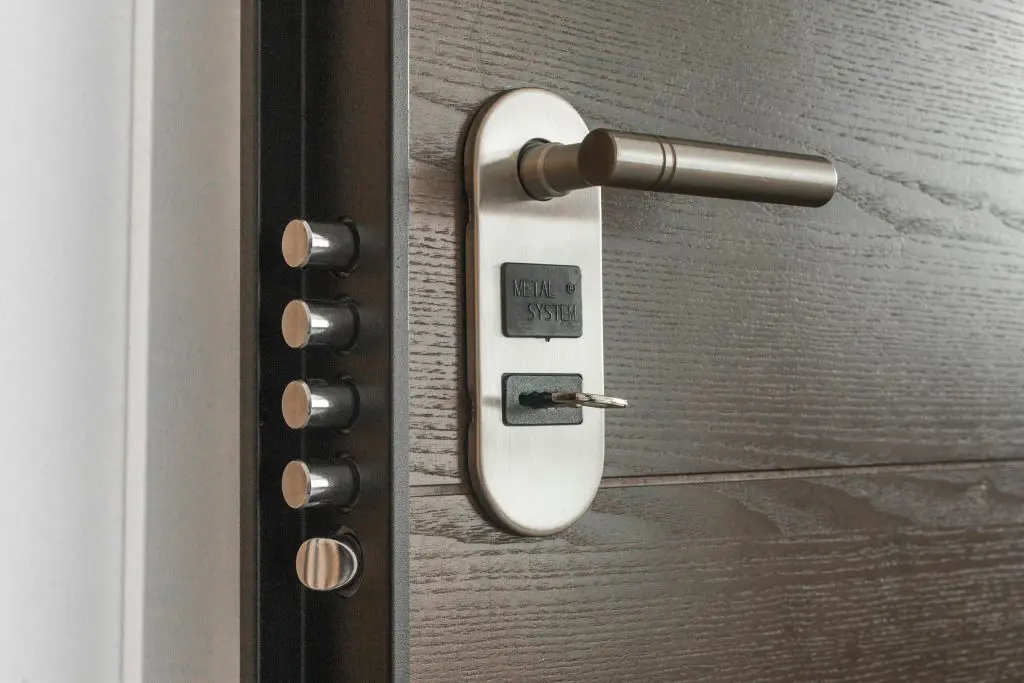
One of the weakest parts of the door and lock, the handle is where intruders are most likely to begin with their attempt to enter your home. There are a number of ways to exploit this weakness, so ensuring your handles are in the best condition they can be – and are reinforced – can help protect the door lock components from picking or snapping.

Some features of a strong door handle include:

  • Hardened metal body and bolts– this protects from the hardships of both simple wear and tear over time, and the brute force of any potential intruders.
  • Cylinder guards– sitting underneath the external handle, the cylinder guard protects the cylinders of the lock from snapping should the handle be removed.
  • Anti-drill rotating disk shield – protects the barrel from being drilled.


Keep Your Home Secure with Cloudy2Clear

Making sure your home is safe is a practical way to achieve peace of mind. By selecting a decent front door that keeps your family and possessions secure, you’re taking sensible steps to improve your home – and your safety. This can help alleviate those everyday worries surrounding the security of your house.

Once you have your security features installed, the key is to then keep them well maintained. This prolongs the quality of your doors and windows, ensuring your home remains safe for years down the line. Any worn down or broken parts can lead to defects in your safety features, so it’s important to check them regularly for signs of wear and tear.

At Cloudy2Clear, we specialise in repairing and installing quality double glazing for windows and doors. We work with our clients to make sure our developments leave them feeling safe in their homes. Our expert repair services for locks, handles, and hinges are also a popular choice for those looking for reassurance and security.

To get in touch and discuss how we can help, fill out our online contact form now. You can also give us a call on 0800 61 21 119.

Payback Time for Double Glazing: How Long to Recoup Costs

There are a few ways to increase insulation in the home, reducing your energy costs. Many of these methods also reduce your carbon footprint, such as having loft insulation and wall insulation installed.

But did you know that installing double glazing is usually the simplest, and the effective way to upgrade your home? Not only can it work wonders on heat insulation, but it also upgrades other elements such as security, style, and noise insulation.

If you already have double glazing, you will know how much of an investment it was – but you may have recouped the costs involved already. If you’re here looking for double glazing maintenance, feel free to skip to the conclusion – we can help!

If you don’t already have it, the idea of double glazing may have nagged at you before. Perhaps your current windows are unsightly and need an update. Maybe they’re just not doing the job as well as you’d hoped – single glazed windows are a recipe for a cold, draughty winter, so now is the ideal time to have them upgraded.

We know double glazing is an investment; but the insulation it provides will certainly save you money by reducing your heating costs alone.

Here’s our guide to whether double glazing is worth it – and how long it takes to recoup the cost of double glazing installation.

cloudy2clear wallet

Why Would I Need Double Glazing in the First Place?

Given that more people are spending increased amounts of time at home working since the pandemic, we were noticing increased energy expenditure even before the energy cost crisis kicked in. These savings, and improvements in quality of life provided by double glazing, are only expected to improve in the coming years!

Double glazing is a method of reconstructing your windows to create a sealed air pocket, nestled between two panes of glass. Further to this, the application of quality glues, specialised glass, and durable frames helps to maximise the reduction in heat and sound transfer from inside to outside, and vice versa.

This reduction of thermal emission will keep the home heated for longer, even with a lower thermostat temperature. Essentially, you won’t require the heating unit to be cranked as high to maintain a constant, comfortable temperature throughout the home. This will save you money on your energy bills.

Your main questions at this point are likely:

  • How much money will I save with double glazing?
  • Can I justify the cost of having double glazing installed?
  • Aren’t my current windows suitable?
  • Where can I find a reputable double glazing specialist?

So, how long will it take to make back the money you spend on double glazing? This will depend on each individual home, but it can be calculated.

How much Money will I Save with Double Glazing?

Energy Savings

Double glazing throughout your home will typically save approximately £150 a year in an average UK home. However, with the rising energy prices looking to increase by 80% this winter alone, these energy savings from double glazing will no doubt also increase dramatically. Double glazing is a future proof investment in this way, as it is a fixed cost. On average, double glazed windows last about 20 years. If installed professionally, this timeframe will only increase – and you’ll get to enjoy your investment much longer.

The Energy Saving Trust has some useful information on how much it costs to have double glazing installed. The quotes you will receive will depend on the size of your house and whether your home is fully detached, terraced, or semi-detached. A bigger, detached home will inevitably have more windows than a smaller terraced house, increasing the cost of installation. If we imagine it costs £7,500 to install A rated, PVC double glazing on an average-sized semi-detached house, we can then calculate the average amount of time it takes to recoup the cost of double glazing.

With the average energy savings from double glazing at £150 a year, it will take you 50 years to make back the money spent on installation. However, these savings are rising. If energy costs increase by 80% as predicted, you can expect save around £270 a year. It then takes just 27 years to recoup the cost. That’s not to mention the added value that double glazing adds to your home if you did wish to sell within that timeframe.

Increased Value of Your Home

Double glazing is relatively standard now, so the addition of it to your home can significantly affect a buyer’s offer, as well as a real estate agent’s recommended pricing. It is hard to quantify the value that it adds as every home is different.

If your windows are a significant feature within your home, you can be sure that it will add upwards of 5%. If we say that your house price is £150,000, this can add an extra 5% of value to your home – this is equal to £7,500!

That £7,500 of extra value covers the cost of having double glazing installed in the first place. With the extra energy savings you will have made – at £270 per year with the current energy increase estimates – you will actually be making back good savings on your investment. In 10 years, double glazed windows would have saved you £2,700.


 Toy house and keys on table

Improved Quality of Life

Besides the insulation keeping in the heat, double glazed windows can 8improve your quality of life in a few ways:

  1. A Quieter Home. Double glazed windows reduce noise pollution you may hear when inside, which is especially useful while working from home – or if you live in a busy, built-up area. You can then make your own music a bit louder too!
  2. Prevent Damp. There will be considerably less condensation in your home, reducing the chance of mould growing that can damage your home, your furniture, and your health.
  3. Enhanced Safety. There is a much greater degree of protection from potential intruders. Double glazed windows are always designed to make it much harder to access a residence from the outside, and there’s that extra pane of glass to prevent them.
  4. Modernise the Home. Double glazed windows modernise the look of your home. This may just seem like an aesthetic thing, but upgrading has an impact on the overall monetary value of your home too.
  5. Improved Maintenance. They are easier to maintain due to the materials and construction methods used. Many double glazed windows also feature low e-glass, which is more reflective of incoming light. This protects the glass from overheating, and also stops too much heat entering your house – where it can then potentially damage furnishings. The designs and materials are also easier to maintain, reducing stress and cost.

If we recap the questions from before:

How much money will I save with double glazing?

Up to £175 a month on energy bills, with the most effective insulating glass – A++ rated.


Can I justify the cost of having double glazing installed?

Yes! If you can afford it, double glazing is a worthwhile investment. It will reduce your monthly energy expenditure, increase the value of your home, and provide other benefits such as noise insulation and reduced condensation. You will make your money back over time with the savings involved.


Aren’t my current windows suitable?

Single pane windows are just simply not as insulating as double glazed windows. You’re likely spending more on your energy bills than you need to. Your current windows may be working fine for you – but consider the winter months ahead, paired with rising energy costs. It might just be time to insulate your home properly now.


Where can I find a reputable double glazing specialist?

At Cloudy2Clear. Speaking directly to our double glazing window specialists will give you the specific answers you’re looking for, as they can survey your home and provide you with a realistic quote.


Finding a Reputable Double Glazing Specialist

The average lifespan of double glazing is around 20 years. Despite this, at Cloudy2Clear we offer a 25-year guarantee on any installations completed by us. You can contact us now for a free quote, and a free consultation.

If you do already have double glazing but notice you have steamed up, condensation, or clouded windows, this means your double glazing has failed – and therefore isn’t insulating your home properly. If your existing double glazing needs maintenance or repairs, we are the people to call.

Our Commitment: Quality Service & Sustainable Windows

We always focus on eco-friendly processes, minimising waste by finding out what it is that may need genuine replacement, and only replacing that specific element of your window or door. We also work to repair, clean, and maintain what is still working efficiently. Unnecessarily replacing the entire window unit is something we consider very wasteful, and we believe that we should play our part in making more sustainable choices as we help homeowners reduce their energy usage.

Cloudy2Clear was established in 2015 and has expanded to serve over 35 locations throughout the UK since – so you can be sure we know our stuff when it comes to double glazing.

You can call us for that free quote now, on: 0800 61 21 119

Or for other ways to get in touch, please visit our contact page.