• USP Logo Icon
    25 Year Guarantee
  • USP Leaf Icon
    Latest ECO Friendly Technology
  • USP Pointer Icon
    National Coverage
Get a FREE quote

What is Triple Glazing, and is it Right for You?

black-white-shop-windows


After the double glazing boom of the 1970s, double glazed windows quickly became a commonplace feature within modern homes. Today, it’s only natural that the homeowners that can afford to do so are looking to upgrade their windows beyond standard. The next logical step in upgrading from double glazing is to have triple glazed windows.

However, adding extra layers to your windows can only offer so many benefits. The performance of your windows also depends on climate. Rather than jumping straight in and investing in triple glazing without weighing up the pros and cons, this guide to whether triple glazing would work for you can help you decide.

What is Triple Glazing?

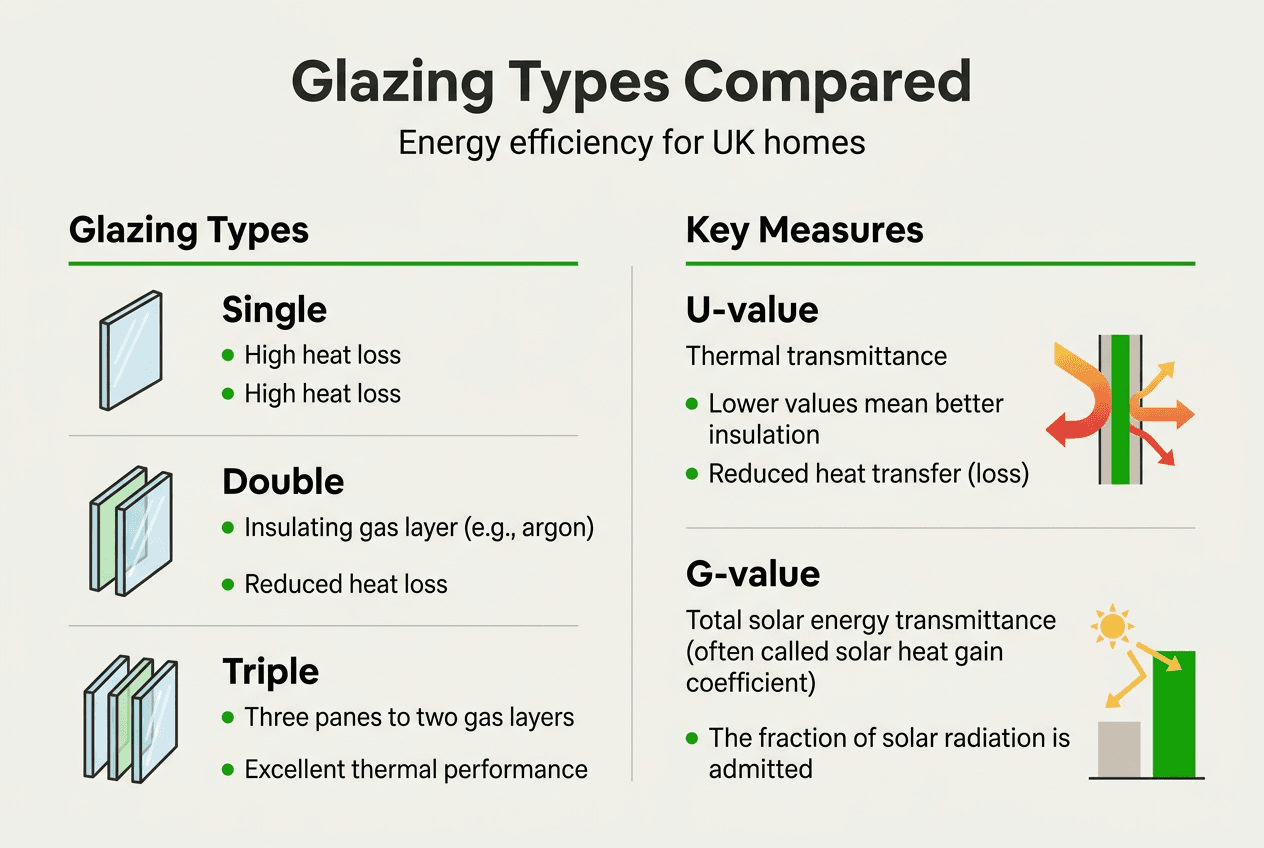
If you know what double glazing is already, the term ‘triple glazing’ speaks for itself. Triple glazing features an additional pane of glass alongside the two found within double glazed windows. This creates two gas-filled spaces within the window, rather than one.

Triple glazed windows can offer more insulating impact than double glazed windows can, since the amount of heat that can pass through the window is reduced with each additional layer of glass.

How Does it Compare to Double Glazing?

Cost

When considering the benefits of triple glazing vs. double glazing, cost becomes a significant factor. The cost of any window can vary drastically depending on frame material, size, treatments, and any additional features. The price of standard uPVC double glazed windows is relatively affordable, with the manufacture and installation of a classic casement window costing about £450 on average (as of April 2022). If we imagine an average semi-detached 3-bed home has 9 windows, this will come to £4,050 per home.

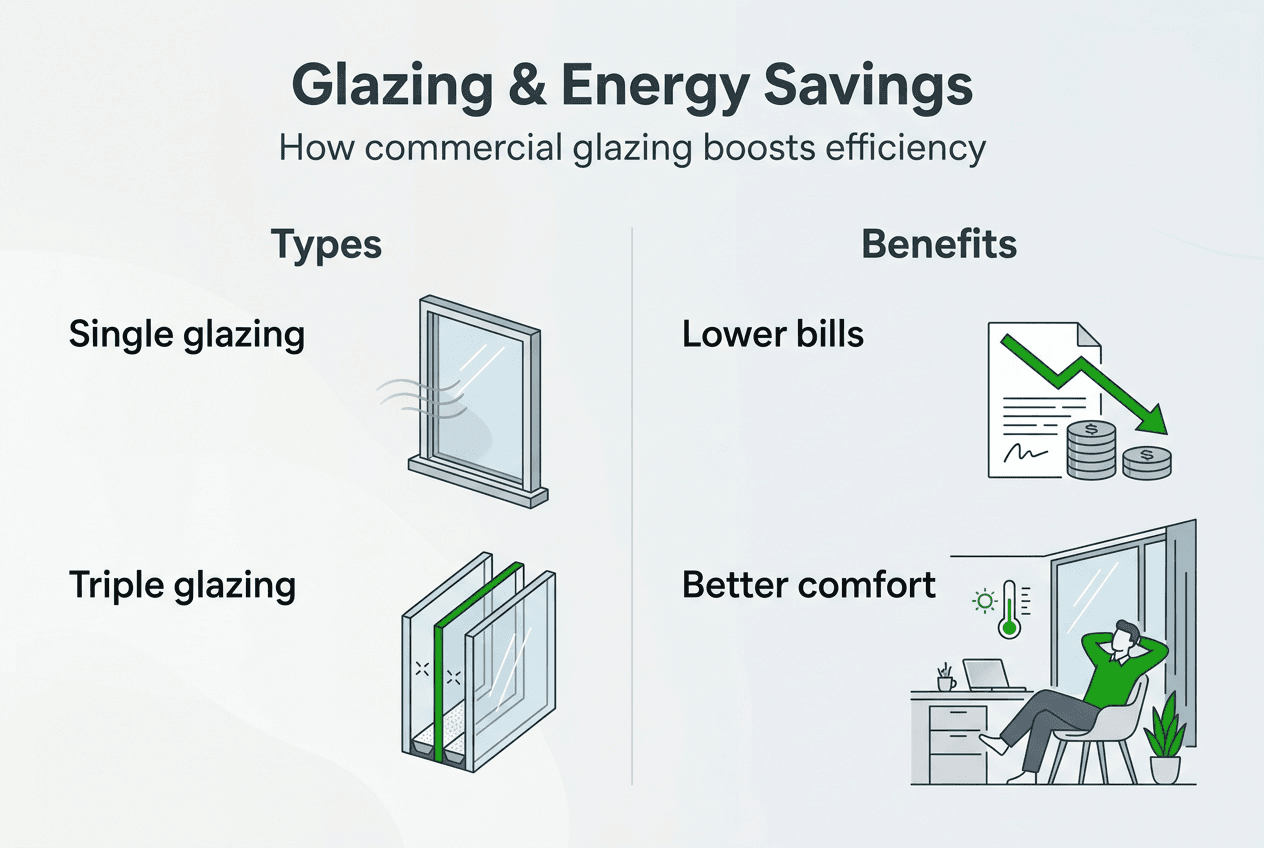
Investing in double glazing can end up being cost-effective in the long term. The energy efficient properties of A-rated double glazing windows can save homeowners up to £175 per year on their heating bills.

Taking into account the rising cost of fuel, triple glazed windows may be more cost effective than they once were. The average cost of a triple glazed window is around £550, so for a 9-window house this would be £4,950. Triple glazing is 20% more expensive than double glazing, but is it 20% more efficient?

Climate

The more energy efficient windows are in certain climates, the more money they will save homeowners. So, climate and cost go hand in hand when considering whether triple glazed windows are worth it. Those countries that have adopted triple glazed windows as standard are also more likely to have more affordable installation options. Scandinavia now uses triple glazing as standard, as consistently cold weather conditions justify the cost of installation and can save more money.

While it can help retain heat inside, triple glazing also blocks more sunlight and heat from entering the house. This can make your home feel noticeably darker and even chillier than it otherwise would on warmer days.

Security

Triple glazed windows naturally add an extra layer of security to your home than double glazed windows – though double glazed windows are already sufficient to stop most burglaries.

Sound Insulation

The most compelling benefit to installing triple glazing is the extra level of sound insulation it can offer. For those living in high traffic and built-up areas or main roads, that extra layer of sound protection can make all the difference. At a time when many people are working from home, it’s worth considering whether the sound insulating properties of triple glazing would ramp up your productivity levels in your office.

How Much Heat Can It Retain?

The U value of a window can be found on its energy label. Simply put, the u value explains how much heat can pass through a window with ease. The higher the U value, the more heat can escape your home through the windowpanes.

The U value of standard double glazing is ~1.4W/m²k. The U value of triple glazing is ~0.8W/m²k, so less heat can pass through a triple glazed window. Triple glazed windows therefore offer a 5% improvement in energy performance.

The energy performance of your windows alone doesn’t add up to all that much if you’re not investing in retaining heat in the rest of the house. If you are installing triple glazed windows, you might only noticeably benefit from their heat retaining impact if you subsequently insulate the rest of your home to such a high standard. This would incur more costs, further increasing the amount you’ll have to spend to see any returns on your investment.

Do I Need Triple Glazing?

Triple glazing has become a tempting upgrade for those who want to go all out on their property. For example, self-built homes are increasingly using triple glazed windows, as the option to install them from the beginning is there, with no replacement fees involved.

From an energy efficiency point of view, having all your double glazed windows replaced with triple glazed ones won’t make too much of a difference. Having single pane windows replaced with triple glazing is worth it, as triple glazing offers up to 50% more energy efficiency in comparison. In this scenario you could still opt for double glazing, which is almost as effective and quite a bit more affordable.

If tempted by the promise of extra comfort, you don’t have to have a whole house replaced with triple glazing. If you do opt for some triple glazed windows, you can choose to insulate only the rooms that would benefit you most.

What is Quadruple Glazing?

The innovations in double glazing don’t stop at three layers. Quadruple glazing – again, as its name suggests – features four layers of glass with three gas-filled gaps in between them.

The use of quadruple glazing is typically only found within very cold climates that remain at freezing temperatures or in the dark throughout most of the year. This is because the additional layer of glass and gas block the heat from sunlight from penetrating the window, as well as the cold. This can lead to those with quadruple glazing turning on the heating despite an otherwise warm day – reducing the energy efficiency of these windows for plenty of climates.

Windows with up to 6 panes are now available, though whether the benefits of using them will ever justify ever the cost is up for debate.

Verdict: Double Glazing vs. Triple Glazing

Considering climate, energy efficiency, and cost – double glazing remains the most efficient option for those living in the UK. They still allow the heat from sunlight to warm the home, while impressively reducing the loss of heat from within the home on cold winter days.

That’s not to say innovations in triple glazing won’t outshine its predecessor with time. US-based researchers at the Lawrence Berkeley National Laboratory developed what they called the “super window” back in 2018. Their design is a low-E triple glazed invention featuring a super-thin layer of glass as the third pane. They replaced the argon gas between the panes with highly insulating krypton.

It sounds just like a standard triple glazed window – however, these windows weigh almost the same, and are virtually the same dimensions, as their popular double-glazed counterparts in the US. This means only the windowpanes need to be replaced, while the frames can remain, cutting a significant portion from the cost of having triple glazed windows installed. When a great deal of the comparison between double glazing vs. triple glazing concentrates on cost, there is potential for further, more cost-efficient inventions to promote the uptake of triple glazing in the future.

Until then, we’re saving our money and sticking with double glazed! Well-maintained double glazed windows are highly energy efficient, whereas a failed double glazing window can cause up to 30% of heat loss within your home. If your double glazed windows need repairing, get in touch with us at Cloudy2Clear for a free, no-obligation quote. Call our expert team on 0800 61 21 119 to get started.


Window Materials Guide: Wood, uPVC & Aluminium

It might be time to upgrade your windows due general damages and wear or tear, or a lack of maintenance. Damp and mould in surrounding areas, cracked or broken glazing seals, and draughts within the home could be a sign your double glazing needs looking at. Replacing your windows can help cut down on your energy bills by ensuring effective insulation, while this can also stop the growth and spread of damp. If you’ve noticed your double glazing isn’t working like it used to, it’s worth discovering which other types of materials you can opt for while getting them replaced.

While aesthetics will undoubtedly play a key role when it comes to deciding which type of window material you will choose for your home, there are more factors to consider than looks alone. Whether you’re choosing between a traditional wooden frame or a sleek, modern aluminium look; it’s important to research the practical advantages and disadvantages of each window material before deciding which will work best for you.

In this guide to understanding the different types of window materials for double glazing, we’ll explore a few of the options available – and how they can benefit your home.

cup on books in window


Wooden Windows

Wooden frames are a great choice if you are looking for a more authentic or traditional look throughout the home. They are also the best option when it comes to eco-friendly window materials. Timber production uses less fossil fuels in its manufacturing, significantly decreasing your carbon footprint in comparison with other options such as aluminium or steel. However, that’s not to say wooden windows are an easy choice – they may need more maintenance over time to remain in quality condition.

Timber for wooden frames can vary from softwood such as pine, to hardwoods such as oak. While these differences may seem minimal, your choice of timbers can influence the level of maintenance required, as well as the longevity of your frames.

Hardwood, for example, is better at withstanding damage as it is heavier and denser than softwood. For this reason, it is often more expensive; however, it’s a worthwhile investment for its strength and resilience. Softwood, on the other hand, is a lighter and less dense wood. This is because the material grows quicker, it cheaper to replace and install. Softwoods are also much easier to cut, so they’re a popular option due to ease of installation and manufacture. Despite being a lighter wood, softwoods can be a great insulator as a window frame, making them a reliable yet affordable choice.

It’s important to note that wood can change with the weather, expanding and contracting as humidity and temperatures fluctuate. To prevent warping, window frame wood used is often finished with a preservative that protects against weather and rotting from moisture damage – which are all risks that come with poorly maintained wooden frames. Oiling or waxing the wood regularly and examining for any damages can aid in preventing this.

Wooden frames are best suited to those who want to add a more authentic look to their home, or for those looking toward more eco-friendly options for their window frames. Don’t forget they do require a little extra maintenance, with regular oiling and careful cleaning recommended to maximise the longevity of the materials.

uPVC Windows

uPVC (Unplasticised Polyvinyl Chloride) is a synthetic plastic material, and is one of most common frame materials used in the UK. It’s cheaper and easier to install than other materials and is highly customisable, available in a range of colours and able to be shaped to fit the space it is being used in.

Unlike wooden frames, uPVC is incredibly easy to clean due to its plastic-based surface. uPVC is more durable with less maintenance, being unlikely to bend or rot in fluctuating weather conditions. Whilst longevity is not an issue with uPVC frames, they are not as easy to repair as other options. Minor scratches and dents are easy enough to fix, however larger damages may require a full replacement of the window in order to maintain waterproofing and the integrity of the seal. uPVC can also gradually become discoloured over time if the material becomes sun bleached. You may prefer a wooden or aluminium alternative if you prioritise the aesthetics of your home, or if you’re looking for a more unique or modern look.

Overall, uPVC is an ideal choice if you’re looking for low maintenance window materials that are cost effective and equally as insulative as your other options.

Aluminium Windows

Aluminium frames are ideal for the sleek and modern home. Both lightweight and strong, it offers extreme durability and efficiency which is only improved upon when you pair it with double glazing. Once thought to be a poor choice for insulation due to the threat of moisture build up within the frames, design improvements in modern aluminium framing and double glazing such as the insertion of a non-conductive material between the window panes has changed this.

This makes aluminium windows a great choice for maintaining a comfortable temperature in your home all year round. It’s also an excellent choice for the environment (and your wallet!) with enhanced insulation cutting down on your heating and therefore energy usage. While this makes aluminium frames a worthwhile investment in the long run, given the amount of money you would save on your household energy bills, the initial price of these frames can be quite costly in comparison to significantly cheaper uPVC or timber materials.

Despite their durability, these windows can fall victim to discoloration from the sun just like uPVC. This means the aluminium gradually grows darker depending on exposure to sunlight. However, if the sleek and slimline look is for you and you’re willing to spend now to save later; aluminium windows may be an ideal choice for your home.

Upgrade Your Window Materials with Cloudy2Clear

At Cloudy2Clear, we specialise in double glazing window repairs and replacements. Having worked across over 35 areas within the UK to install the latest developments in window materials and eco-friendly technology, we’re best placed to advise you on your double glazing upgrades or installations. We’re so dedicated to delivering quality service and products that we offer a 25-year guarantee on all our windows – ensuring lasting quality and a comfortable, well-maintained home.

Give our team a call today on 0800 61 21 119 to book a free, no obligation quote with our expert engineers. Alternatively, fill out our online contact form and we’ll get back to you at a time that works for you.

A first-time buyer’s guide to static caravan insulation and security

caravan and bench by canal


Buying a static caravan and creating your own home away from home is appealing to many of us. Who wouldn’t want a place to escape to and relax? If you’re thinking about taking the leap and becoming a caravan owner, be mindful not to overlook insulation and security when you’re looking at different options.

If you overlook insulation and security, it can impact the comfort, safety, and energy efficiency of your caravan.

In this guide, we’ll show you why effective insulation and reliable security measures shouldn’t be ignored. You’ll find easy-to-follow tips to make sure your new caravan is warm, secure, and efficient all year round, so you can relax.

Why are insulation and security important for caravan owners?

Caravans aren’t cheap. So, when you purchase a caravan, you’re probably counting on enjoying as many trips as possible. But having a poorly insulated or insecure caravan puts those happy memories at risk.

Firstly, poor insulation can make for an uncomfortable caravan stay, with temperatures fluctuating and condensation building, the chill will certainly put a dampener on things.

Secondly, if you have windows and doors with loose or broken locks, you’re putting yourself at greater risk from theft and damage. Poor insulation and security can both result in unexpected costs; whether it’s higher energy costs or fixes due to attempted break-ins.

Effective insulation and security measures help to:

  • Keep your caravan warm and homely
  • Cut your energy bills and have less environmental impact
  • Prevent condensation and mould from taking hold
  • Keep your belongings protected and give peace of mind

Signs your caravan needs better insulation and security

If you’re looking to buy a caravan, or you’ve recently purchased one, check for these signs that can indicate potential problems with insulation and security that will need fixing quickly:

Insulation problems: A checklist

  • You can feel cold draughts around windows and doors
  • Your caravan frequently suffers from build-ups of moisture and condensation
  • You notice that the temperature drops quickly inside your caravan
  • The cost of heating is considerably high

Security concerns: A checklist

  • Your window and door locks are loose
  • Your doors or windows don’t close securely
  • Signs of forced entry or attempted break-ins
  • The window hinges, locks, or frames are damaged

TOP TIP: Our caravan window maintenance tips can help you catch common problems early and keep your windows in shape.

Easy ways to make your caravan cosier and more secure

Want to make your static caravan feel warmer and safer, you absolutely can! Here are some things you can do to improve the insulation and security:

How to keep your caravan warm:

  1. Upgrade your windows: Ok, so swapping old windows for double glazing is a bigger job, but it does make a difference! Having double glazing in your caravan will keep the heat in much better and can even lower your heating costs.
  2. Cosy curtains & blinds: Hang up some thick thermal curtains or invest in insulated blinds. They act like a warm blanket for your windows, holding heat in and keeping chilly draughts out.
  3. Try window insulation film: It’s an affordable sticky film you put on your windows that adds an extra layer of insulation. Easy to do but surprisingly effective.
  4. Seal the gaps: Take a look at the rubber seals around your windows and doors. If they’re cracked, worn, or peeling, replace them! It stops heat from escaping and also helps to keep damp away.
  5. Beat the draughts: Grab some draught-proofing strips (they’re cheap and easy to find). Stick them around window frames and door frames where you feel cold air coming through.

Boosting your caravan’s security:

  1. Lock check: Regularly give your window and door locks a quick test. Do they lock smoothly and feel secure? If any seem stiff, loose, or damaged, get them replaced straight away.
  2. Add extra safety measures: Add things like window restrictors (so windows only open a little), sturdy door chains, or even a simple battery-powered alarm to put off anyone thinking of trying their luck.
  3. Keep hinges & frames strong: Check that hinges and frames are solid and not damaged or rotten. Fix up any weak spots you find.

Your static caravan should be a place of comfort, security, and peace of mind; somewhere you can truly relax. By making smart choices around insulation and security, you’ll not only create a cosier, safer space, but also protect your investment and avoid costly issues down the line.

So, whether you’re upgrading an older model or buying your first static caravan, don’t overlook the condition of your windows and doors.

At Cloudy2Clear, we specialise in static caravan window repairs and replacements that improve both insulation and security.

Our team can assess your caravan windows for issues like condensation, draughts, or damaged locks, and advise a cost-effective solution that fits your needs.

Get in touch today for your free, no-obligation quote and enjoy a warmer, safer caravan all year round.

What Is Energy Efficient Glass and How Does It Work?

With heating costs on the rise, plenty of homeowners are seeking ways to cut down on their monthly bill and save money in the long run.

There are hundreds of ways you can boost the energy efficiency of your house. One of the most effective ways to enhance the efficiency of your home is by opting for energy efficient glass.

What is Energy Efficient Glass?

Energy efficient glass is specially designed to reflect heat back into the home, optimising the money you spend on energy bills. Instead of escaping through windows and doors, the reflected warm air can be recirculated around the house.

Double glazed windows are considered a form of energy efficient glazing, as their insulating properties also stop warm air from escaping. The most energy efficient glass, however, is called low emissivity, or ‘low-E’ glass. The emissivity of a glass refers to how well it can radiate heat energy.

Normal glass has a relatively high emissivity rating, allowing 90% of thermal energy to escape through your windows and doors.

Low-E glass features a microscopically thin coating applied to one side. This coating is made from low emissivity materials that improve the thermal performance of the glass, such as silver and other metallic oxides. These coatings are so thin and transparent that they don’t impact the amount of light that can enter the home – maintaining the original function of windows as intended while keeping heat energy in.

Double glazed windows are often made with low-E glass, leading to more efficient fixtures that reap the benefits of both energy saving designs.

How Does Energy Efficient Glass Work?

The nature of heat energy means it will always flow towards colder areas. This is because warmer molecules move faster and collide with cooler atoms, transferring heat energy. This means any heat in your home will naturally move towards the coldest point – which is usually the glass within your windows and doors, since they are in direct contact with the cooler air outside.

Glass without a coating will absorb this heat energy, cooling your home down faster. The reflective coating on low-E glass does the opposite, reflecting most of the heat trying to escape back into the home.

Low-E glass isn’t just for keeping your home warm. Since it also reflects solar heat energy away from your windows, low-E glass can help keep your surroundings cool in the summer months too.

What are the Benefits of Energy Efficient Glass?

Having energy efficient glass installed in your home offers a range of benefits. Low-E glass is not expensive to install, especially if you already have windows you’d like to make more energy efficient. Low-E films are available if you don’t want to splash out on an entire new window, so you can quickly upgrade your own windows if you’re looking to improve the energy efficiency of your home.

Keep Your House Comfortable

In the UK, low-E glass combined with double glazing is best recommended for keeping your house warm. When we do get into those (far and few between!) summer months, energy efficient glass can help cool down your house too. This keeps your home at a more comfortable temperature year-round.

Reduce Your Energy Bills

The insulating effect of low-E glass can reduce your energy bills each year. Preventing the heat transfer through your windows, low-E coatings can reduce heat loss from the home by up to 50%.

Protect Against UV Rays

We know UV rays are harmful to our health – but they can also damage our homes and furniture. UV radiation can break down the elements that hold paint together, which is why spaces exposed to too much sunlight often have peeling paint or cracked walls. It can also lead to a sun-bleached effect, making the furniture and walls exposed to UV light look more faded than they should. Since low-E glass is made with coatings that reflect UV rays away from the home, energy efficient glass can limit the damage otherwise caused by UV light.

Keep Condensation at Bay

Low-E glass keeps the inside of your glass warmer, reducing the chance you’ll find condensation on the inside of your windows. Any condensation on the inside of your home can quickly spread, as damp environments are the perfect conditions for mould to grow in. Mould and damp also pose a variety of health risks, so low-E glass can even keep your home safer.

Less Maintenance & Upkeep

Low-E glass keeps your windows, doors, and their surroundings safer from external weather conditions. The coating on the glass is also highly durable, and more resistant to scratches than normal glass alone.

More Environmentally Friendly

Energy efficient glass is more eco-friendly as it means less fuel is used to heat the home. It can be combined with other energy efficient designs throughout your house to reduce your carbon footprint (and the costs involved) on an even greater scale.

Other energy efficient home upgrades include:

  • Renewable Energy Sources – Solar Panels, Wind Turbines
  • Quality Insulation
  • Installing a Smart Meter
  • Energy Storage Systems
  • Draught Proof Materials
  • Updated Heating Systems

Keep Your Home Energy Efficient with Cloudy2Clear

There’s no use investing in energy efficient glass if your windows and doors are letting heat out of your home anyway. Most fixtures are now double glazed as standard within the UK, which boosts the energy efficiency of your glass with an additional window pane that insulates your surroundings.

Despite its effectiveness, double glazing can fail over time. Failed double glazing, also known as a ‘blown window’, lets warm air escape the home through gaps in the sealant that attaches your windowpane to its frame. Windows and doors account for up to 30% of heat loss within a home, so keeping your energy efficient glass well maintained is key to maximizing savings on your energy bills.

At Cloudy2Clear, our dedicated team of double glazing repair specialists can restore your doors and windows at minimal cost. Make the most of your energy efficient glass by keeping your double glazing in check.

Call our team on 0800 61 21 119 for a free consultation. Alternatively, fill out our easy online contact form and we’ll get back to you with more information as soon as possible.

How to Ventilate Your House and Prevent Damp

old window with yellow pane and trees in background


Damp can be a common problem in homes throughout the UK, which may be due to our relatively wet climate. In 2021, the English Housing Survey discovered that over 900,000 homes had issues with damp and mould. This survey found that 11% of the homes with damp issues were in the private rental sector. In comparison to this, only 2% of homes occupied by their owners had similar problems.

This comparison sparks an interesting debate. Under the Homes Act, set out in 2018, landlords do have a responsibility to ensure rental homes are ‘fit for human habitation’. This includes making repairs to the structure of the house, drains, and exterior windows.

Whether you are a homeowner or a landlord, it goes without saying that preventing damp should be a priority. Damp and mould issues can quickly spread, causing a deterioration of surrounding structures and furnishings – as well as posing dangerous health hazards. However, when you do not live in the home yourself, how can you ensure the property remains free from damp and mould?

One of the main ways to prevent damp is to make sure the home is properly insulated with quality double glazed windows and doors. Here is our guide on how to ventilate your property and prevent damp.

Why Ventilate Your Home?

Ventilation is essential in controlling the moisture levels within your home. Everyday activities such as cooking, showering, and even breathing release moisture into the air.

The science behind the need for ventilation is simple. When moisture-heavy air is not adequately vented out, it increases the relative humidity levels inside the home. This moisture needs somewhere to settle, so it begins to infiltrate any porous surfaces within your space.

When you notice the tiles in your bathroom are wet after a shower, this is because the droplets have settled on the cold tiles. The same thing happens when moist air settles on other surfaces – but it penetrates porous surfaces such as walls, furniture, and carpets. This leads to damp and mould in the home.

Signs You Need to Ventilate Your Home

High humidity creates an ideal environment for the growth of mould. Humid spaces are also one of the reasons dust mites can become so problematic. Healthwise, damp and mould can trigger allergic reactions, respiratory problems, and worsen asthma symptoms.

Although this is worrying enough, damp conditions and excess moisture within your home can cause more than health symptoms. Damp can lead to several further problems that can become expensive to fix. It can cause structural damage to your property, including rotting wood, peeling paint, and crumbling plaster.

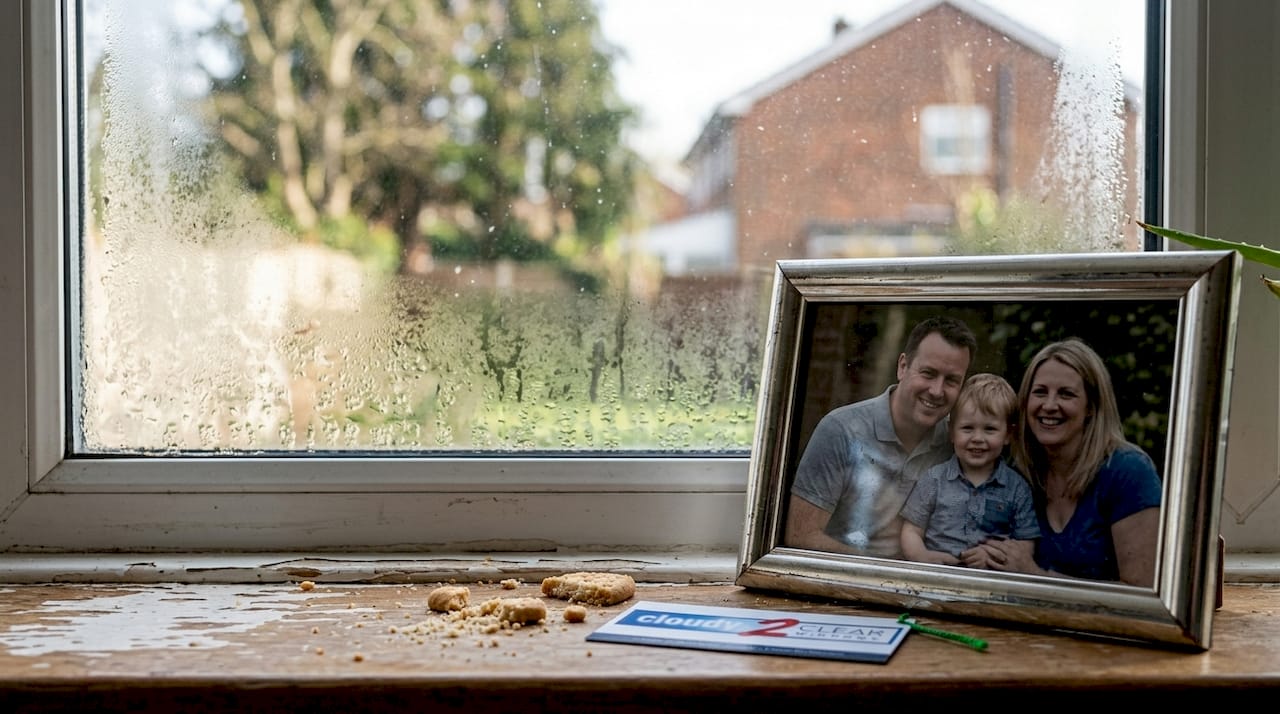
One of the early signs of poor ventilation is condensation appearing on your windows. This often looks like mist or fog that has somehow entered the gap between your windowpanes.

These signs indicate a high level of humidity inside your house. If they are not addressed quickly, condensation can lead to damp conditions. You may also notice a musty smell, or a feeling of stuffiness in your rooms. If this sounds familiar, the humidity levels in your house may be higher than the recommended 40-60%. If these signs are not addressed as soon as possible, they can lead to damp and mould.

How to Ventilate Your Home

Improving ventilation in your home is easier than you might think. Following these tips can help prevent damp from forming in the first place. The tricky part is getting everyone in the house to stick to the same routines.

Here are some practical tips for ventilating the home:

  • Fresh Air – You should regularly open doors and windows – weather permitting – to allow fresh air to circulate within your home.
  • Effective Airflow – You can create a cross breeze to ventilate the home naturally. This works if you open windows and doors on opposite sides of your house, promoting better airflow through the home.
  • Exhaust Fans and Vents – Use exhaust fans in the bathroom and kitchen to extract humid air. Make sure everyone in your home is doing this.
  • Keep it Clean – Clean these fans regularly for optimal functioning. Any dust that builds up on fans and vents means the unit cannot work as efficiently as it should.
  • Use Dehumidifiers – Dehumidifiers can effectively reduce moisture levels in areas that are prone to damp. These include rooms like bathrooms, utility rooms and kitchens.

READ MORE: 5 Tricks You Hadn’t Thought of to Keep Cool at Home This Summer

Avoiding Sources of Damp

Prevention is better than a cure, and this principle certainly applies to damp. Once damp begins to spread, it can be very difficult to eliminate.

Here’s how you can avoid contributing to damp conditions:

  • Laundry – Try not to dry clothes indoors. This can release a significant amount of moisture into your home.
  • Showering – Limit shower times and use cold water when possible. This will reduce the amount of steam produced, which means less condensation in the bathroom.
  • Cooking – Try to reduce the amount of steam in the kitchen by covering pots and pans on the hob with lids where you can. This can also lead to faster cooking!
  • Check for Signs of Damp – Regularly inspect your home for signs of failed double glazing, leaky pipes and ineffective ventilation units. Seek professional repairs if you notice any signs of water infiltration, such as mould or damp around a window, a leaky roof, or cracks in walls.

Repair Faulty Double Glazing to Prevent Damp

If you’ve taken all these precautions, but still find condensation on your double glazed windows, it may be a sign that the sealant on your windows has failed. When this happens, moisture can get trapped between the windowpanes, leading to unsightly condensation.

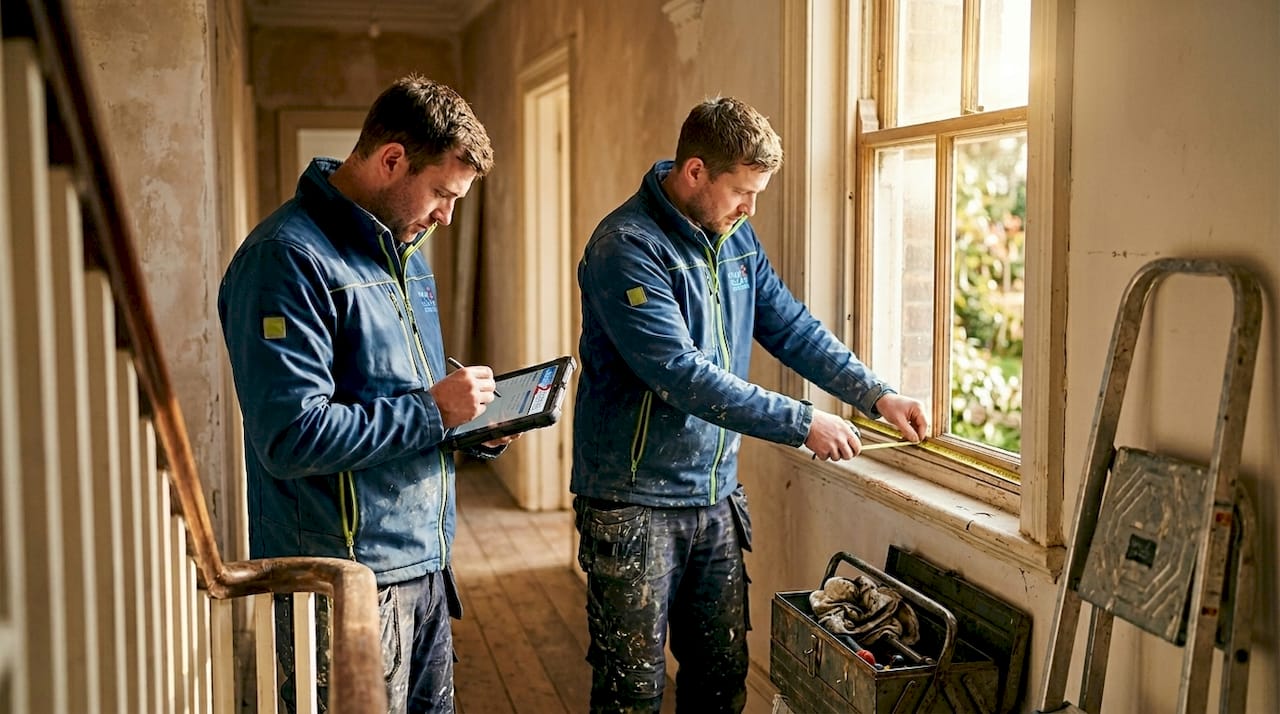
At Cloudy2Clear, we specialise in replacing failed double glazing, preventing damp and ensuring your windows are as energy efficient as possible. Wherever possible, we replace the windowpane and not the frame. This keeps our services affordable and efficient, with minimal disruption to your home.

Contact us on 0800 61 21 119 today for a free, no obligation quotation.