• USP Logo Icon
    25 Year Guarantee
  • USP Leaf Icon
    Latest ECO Friendly Technology
  • USP Pointer Icon
    National Coverage
Get a FREE quote

Can you repair failed double glazing?

Double glazing isn’t cheap and replacing it all can be an expensive project. That’s why we pride ourselves on only replacing the parts that are broken rather than the entire window pane and frame to save you time and money. So, how do you know if your double glazing needs repairing and what causes the damage? We’ll cover all of this, and more, in the following article.

4 reasons why window seals fail

Window seals have an average lifespan of 10 – 20 years but seals can fail much sooner. Here are 4 common reasons why window seals become ineffective.

Shrinkage from cold weather – ’solar pumping’

Window seals wear down over time through ‘solar pumping’. This is where the sun shining on your windows causes the glass to expand, putting pressure on the seals. As this happens over the years, the glass cools and shrinks each night, causing wear from the repeated pressure and eventually, the seal can fail. The effects of solar pumping are more prevalent in south and west-facing windows, as they receive more sunlight and are more likely to expand.

Wear and tear from time and moisture

Naturally, things wear down over time, and window seals are exposed to some harsh external conditions. Seals must cope with varying weather conditions, high winds, rain, heat, and cold, so they will eventually wear down. Furthermore, if a small amount of damage occurs and moisture finds its way into your home, mold and damp can increase this degradation.

Poorly fitted windowpanes

Whether it’s bad handiwork or windows dropping over time, a poorly fitted windowpane doesn’t sit right and can cause added unnecessary pressure to your sealing.

Accidents and unexpected damage

Accidents happen, and they can happen to your windows. From harsh chemicals used in painting or redecorating wearing seals down to burglaries and break-ins or even things hitting your windows, this can damage your windows and seals.

What happens if you don’t repair double glazing?

It’s completely your choice whether you repair your double glazing or not. However, it’s important to understand that broken or damaged double glazing can have bigger health and financial implications in the future.

It can cause mould and damp

Moisture that enters the home through damaged double glazing can cause mould and dampness. Inside your home tends to be warmer than outside, particularly during the colder months, so condensation forms on cooler surfaces, causing damp. This doesn’t happen with functional double-glazing as the gas-filled gap between the two panes of glass acts as a barrier.

As well as causing condensation on and around your windows, mould and dampness can also result in:

  • Crumbling plaster and peeling wallpaper on your walls and ceiling
  • Damaged fabrics and furniture resulting in costly replacements or repairs
  • Poor respiratory health from the allergens, irritants and toxic substances produced by mould

Mould can be especially harmful to those with asthma as it can cause allergic reactions and harsh respiratory illnesses. However, removing mould and damp as soon as you find it can reduce the chances of contracting these life-threatening symptoms.

You’ll have higher energy bills

We lose around 20% of our heat through windows and doors. Failing to keep heat in by following basic maintenance routines and repairing double glazing as soon as you notice an issue can increase your energy bills. With energy prices always on the rise, every penny helps to keep gas and electricity bills down. Quality double glazing is impressively energy-efficient and environmentally beneficial.

The frames could rot

Rotting window frames are a common cause of failed double glazing in older homes. Much like mould, rot forms from exposure to water and moisture. Wood is an absorbent material that can soak up and retain water. The longer wood is exposed to moisture, the bigger the risk of damage as rot is a fungus which loves damp conditions.

Increased moisture can come from condensation or long-term exposure to severe weather conditions. Discoloured paint or crumbling and softened wood are the earliest signs that your window frames have begun to rot. It’s important to tackle these problems quickly to avoid further damage to your home.

FAQs about double glazing repairs

Do double glazing repairs have to be expensive?

While the notion of repairing your double glazed windows might sound costly, it’s usually far more economical than buying new windows altogether. At Cloudy2Clear, we offer cost-effective solutions that focus on replacing only the glass panes with imperfections. This approach can save you over 50% compared to full window replacements from other providers.

How do I know my double glazing needs repairs?

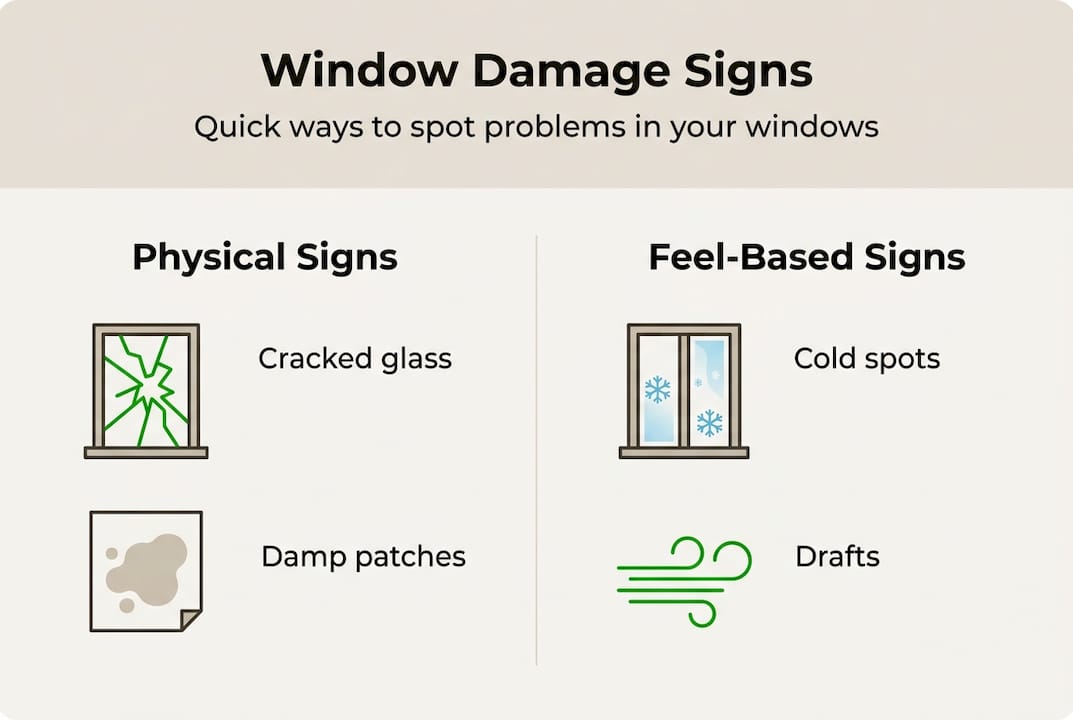
The first signs that your double glazing needs attention are usually quite evident. Recognising the early signs that your double glazing needs repair can save you time and money in the long run. Here are some key indicators to watch out for:

  • Draughts coming through the frames
  • Condensation between panes indicates that the seals have failed
  • Difficulty opening, closing and locking windows
  • Foggy or cloudy glass suggests failed insulation properties
  • Physical damage like cracks or chips
  • Increased Energy Bills indicate windows might be letting out heat
  • Whistling or rattling noises from gaps around your pane or frame

Can double glazed windows be resealed?

If you notice broken seals leading to drafts and damp, it is likely the window needs to be repaired or replaced. You should seek professional help to get your windows measured and replaced if there appears to be moisture between the panes due to broken seals.

How long do double glazing repairs take?

The time taken to repair your double glazing can vary depending on the issue at hand. If you’re looking to replace a window, typically it can take as little as 30 minutes. However, more complex problems may require more time for a thorough evaluation and remedy.

Do I need a professional double glazing fitter?

Your double glazing is a key feature of your property, and it’s important to remember that things can go wrong if you don’t source a highly experienced provider. Here are a few of the issues that can arise with DIY double glazing repairs:

  • Leaking and water damage from incorrectly installed seals
  • Reduced energy efficiency from poor fittings
  • Security risks from badly installed or repaired windows
  • Invalid warranty, fines, legal action and failing to meet building regulations with DIY installations
  • Uneven gaps, misaligned frames, or visibly poor quality
  • Draughts and noise from badly installed locks and hinges
  • Broken glass and mechanical failures can create pressure points that cause the glass to crack
  • Costly repairs and replacements from poorly installed locks, handles, hinges, windows and frames

How much does double glazing repair cost?

The average cost of a full double-glazed window from other providers ranges between £350 and £400. However, we pride ourselves on offering a more budget-friendly alternative.

For instance, replacing a full bay window typically costs around £1300 for three frames and six windows. In comparison, Cloudy2Clear can perform the same task for approximately £599, including VAT, because we only carry out the necessary repairs.

We also offer repair services for locks, handles, and hinges, giving you a well-rounded, cost-effective solution for maintaining your double glazed windows.

Call Cloudy2Clear for a free quote

To have your double glazing fixed, get in touch with our experienced team at Cloudy2Clear.

  • We only repair the areas of your double glazing that need it
  • Our prices are much lower than competitors who replace entire frames unnecessarily
  • Save costs while maintaining the health of your home and your family

Call us now on 0800 182 2045 – or fill out our contact form to find out about our double glazing repair services. Operating across the UK, our friendly engineers will provide a free quote before coming out to check the condition of your double glazing.

Can you replace the glass in double glazed windows?


If you think your double glazing needs replacing, you’re probably wondering whether you can replace only the glass, rather than the entire frame. The short answer is yes, you can replace the glass, but there are a number of things to consider before you reach the point of replacing windows.

Are you experiencing any faults with your windows? Can you replace the windows yourself? How often should you replace your windows? We’ll look at all this, and more, in the following article.

What Are the Most Common Faults with Double Glazing?

Even if you’ve followed all the window maintenance advice, you can still encounter issues with your new windows. A study by Which asked homeowners what common double gazing faults they experienced….

  • 34% said their windows became difficult to open or close
  • 15% experienced issues with window locks not working
  • 18% noticed windows or doors dropped over time and didn’t fit as well
  • 12% said the seals around doors and windows failed
  • 9% reported the glass was steaming up and they had issues with condensation
  • 5% noted that their double glazing had cracked or shattered

We’ll dive into why some of these issues occur below.

Windows or doors becoming difficult to open or close

If your double glazed windows or doors become difficult to open and close, they may need repairing. Your doors and windows can become difficult to open for a number of reasons, including:

  • Faulty locks and handles or hinges shifting over time
  • Hot and cold weather causing frames to expand and shrink

Windows or doors dropping over time, so they don’t fit as well

One of the key reasons windows or doors become hard to open or close is that they have dropped over time. A double glazed window or door that doesn’t fit the frame correctly loses its energy efficiency. Other signs your double glazing needs fixing due to sagging include:

  • Loose hinges that don’t improve when you tighten the screws
  • Doors and windows that get ‘stuck’ when you open and close them
  • No improvement when you’ve oiled hinges and handles
  • Feeling a draught entering the home where the window or door doesn’t fit correctly

Locks not working

The locks on your windows and doors can also fail and compromise the security of your home. To keep your family and possessions safe, repair broken locks as soon as you notice them.

Glass steaming up or problems with condensation

Steamed glass is a bad sign for double glazed windows as the constant presence of water can weaken the seal and result in mould. If you notice condensation or cloudiness between the two panes, your windows probably need replacing. The good news is that there are preventative measures you can take to help avoid condensation in the first place:

  • Ventilate rooms with fresh air by opening windows
  • Open windows when showering or bathing to let steam escape
  • Use extractor fans where possible
  • Install ventilation systems – trickle vents and air bricks can help
  • Use a dehumidifier to reduce the humidity levels within your home
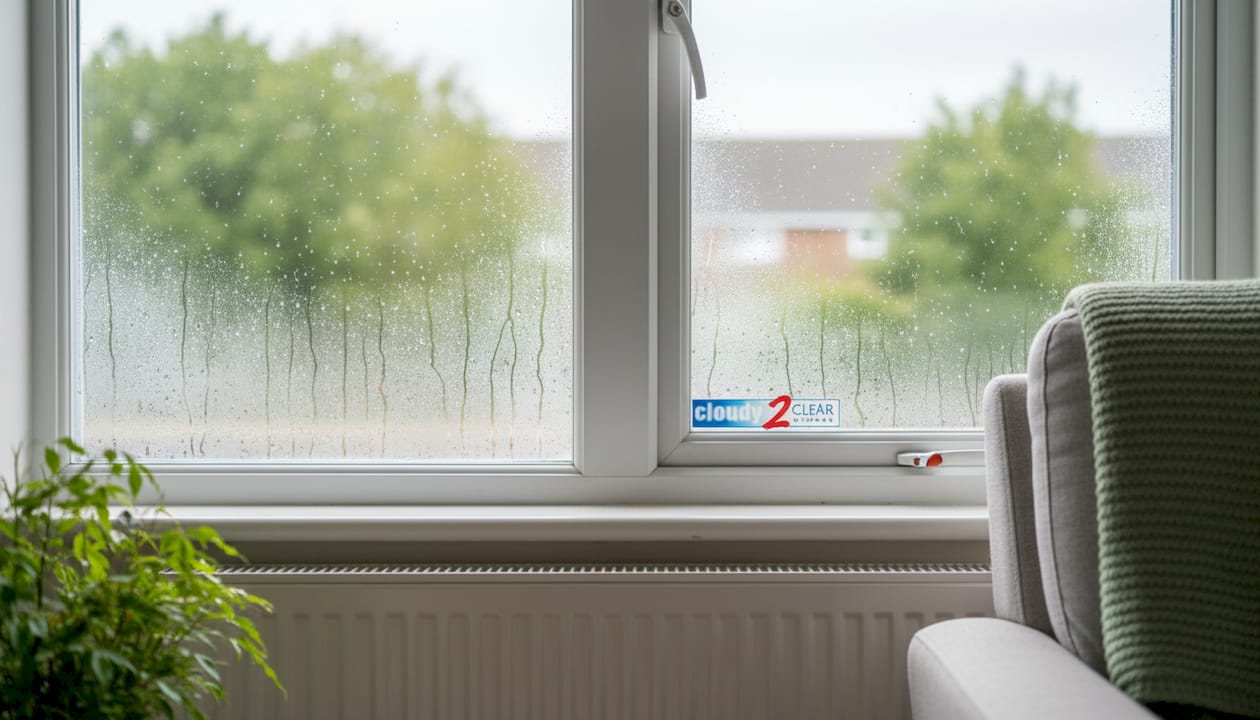
Image of steamed glass with condensation on the window.

Seals around doors or windows failing

The seals in your double glazed windows or doors can fail for a number of reasons. It’s important that you get these faults fixed to maintain the energy efficiency of your windows.

  • Natural wear and tear over time: As our windows age, so does the quality of the seals around them.
  • Weather damage: In summer months, fluctuating temperatures can cause the glass to expand and shrink which places additional pressure on the seal. This process can damage the seal due to extra stress.
  • Faulty manufacturing: Damaged window seals can occur from faulty manufacturing or poor quality materials so choose a double glazing specialist with excellent reviews. If broken seals occur due to product faults, your manufacturer may have a window warranty in place.
  • Improper maintenance: The more care we treat our windows with, the longer they will last. Pressure washers or strong cleaning products can wear the plastic down and damage the seal.

Double glazing cracking or shattering

Windows can break or crack, depending on the weather conditions and the way you treat them. Prevent damage to your windows by:

  • Opt for tempered glass when you have your double glazing fitted.
  • Choose pale-coloured window coverings avoiding extreme temperature differences.
  • Reduce humidity in your home by using a dehumidifier.
  • Be careful around your double glazed windows and check for any scratches in the glass regularly. Any damage to the glass creates weak points, which can cause more damage to your windows later on.

Can I Replace My Double Glazing Myself?

You can tackle many home improvement tasks yourself, but even skilled DIYers should avoid attempting to replace double glazing as it’s difficult to get it right. While it can be tempting to ‘cut down’ on costs, we’d always recommend finding highly rated professionals to replace your double glazing to avoid further costs in the long run.

86.7% of UK homes had double glazing installed by 2020 as it’s a great energy saving option. While successful double glazing can save you money on your bills, an unsuccessful attempt to repair or replace double glazing yourself can actually end up costing you money.

Here are just a few of the reasons you should seek a professional to replace your double glazing.

You won’t save time and the specialist equipment you’ll need is expensive.

Repairing and replacing double glazed windows yourself requires a great deal of effort. The reinstallation of double glazed windows involves specialist skills and insights, particularly when you consider that the replacement of each variety of window will require a different approach.

It would take a long time figuring out how to do it correctly and you’d need specialist tools such as glazing knives, glass lifters, power tools, soft-faced glazing hammers and glazing PPE so you’ll likely be even more out of pocket than you would if you decided to go with a professional. If you cause damage or shoddy work needs to be redone, you’ll have to bear the cost of that as well.

5 stacks of coins.

You’ll void the manufacturer’s warranty

Window manufacturers offer a warranty with their products, sometimes providing lifetime warranty policies that can last for decades. The majority of window warranties cover all elements of the window, including hardware (handles, locks), the glass, frame, and finish of your window.

When considering whether you should repair or replace your windows yourself, it’s important to remember that the manufacturer’s warranty will be invalidated if the installation isn’t done by a professional. This is because most DIY replacements by non-professionals are not done to a suitable standard. Even if you think your work seems satisfactory to begin with, mistakes can quickly reveal themselves and render your efforts pointless.

You may lose out on the energy savings.

When it’s done properly, double glazed windows are highly energy efficient as they reduce the amount of heat that is able to escape through your windows. This means you could save hundreds on energy bills every year.

Energy savings are often the biggest appeal when it comes to having double glazing installed. If your DIY double glazing replacement project goes wrong, however, you’ll lose the insulating benefit of double glazing.

FAQs about replacing double glazed windows

How often do windows need to be replaced?

Windows have a typical lifespan of 15-20 years but they can last longer if they’re high quality and extremely well maintained.

Why should I replace my windows?

Just like everything, windows have a life span. There are several reasons why you should think about replacing them: Energy efficiency Modernising your old style with an update Security House value Noise reduction

Can I make my windows more energy efficient?

Low emissivity energy-efficient glass can reduce your heating bills and improve your carbon footprint. At Cloudy2Clear, we can arrange an energy efficient glass survey on all your windows, and check glass, locks and seals, all attributing to reducing your energy bills. We will tell you what glass you currently have and recommend how to upgrade to the latest energy efficient glass.

Replace the pane, not the frame

If your window frames are in good condition, Cloudy2Clear can repair your window at the fraction of the cost of a full replacement. Whether you have cloudy, misted up glass, or are looking to update your windows, save money by replacing only the parts of your window that are faulty with Cloudy2Clear.

Contact one of our specialists for advice now.

How to Secure Your Home From Burglars: Expert Tips

new house with security cameras


We all like to think we live in a safe neighbourhood, but burglaries do happen. Some houses are targeted due to bad luck. Other times, criminals scope out homes beforehand and look for security weaknesses.

Ramping up your security measures might not make it 100% impossible to break in, but it can slow burglars down. With 25% of people claiming to be burgled, there’s no wonder we are searching for ways to protect our homes. Some of the best security measures don’t cost the earth – they simply involve learning new habits, while avoiding those that make your home an easy target.

Here’s our guide on how to protect your house and keep your family and belongings safe.

Keep valuables out of sight

Many burglaries happen due to perceived opportunity when a burglar thinks, or knows, there is something in your home that is worth stealing.

Increasing the privacy of your home can reduce your chance of being targeted. Hide valuables so they can’t be seen through windows or consider covering windows with privacy-enhancing screens or stickers. These are a popular choice for street-facing windows or if you don’t have a front garden, as they still let light in while the semi-opaque screen obscures the contents of your home.

Additionally, a car is likely the most expensive item you own, yet it’s often left out on display. Avoid parking your car in the street and park in your garage or on your driveway if you have one.

Keep the lights on

Burglars are looking for the easiest target. Most want to gain access as quickly and discreetly as possible, avoiding any additional or unexpected obstacles. They don’t want to break in to find a house full of people and risk being caught or hurt.

A classic trick is to make your home appear occupied when you’re out. Keep a couple of lights on or play music to make it seem like there’s somebody home. Additionally, try to make sure your gardens and any walkways are lit up at night with permanent or motion sensor lights. Burglars will likely choose the house in darkness over one that’s well-lit and exposed.

Detached house at night with lights on.

Check your locks and door handles

Security weaknesses can happen almost anywhere in and around the home. So, check your door and window locking mechanisms are in full working order every few months as they can wear down over time. In addition, padlocks and combination locks are a great option for securing sheds, gates, storage tubs, and gardening equipment.

Don’t just focus on the lock when looking for any faults – check the area around your locks too. If the windowpane around the handle feels weak, it’s easier for a burglar to break it entirely, rendering the lock useless. Easier still, simply make sure your doors and windows are locked when you leave the house and go to sleep and don’t fall into the 46% of people who fail to do so.

Single-point door locking systems

Front door locking mechanisms come with varying levels of security depending on the type of lock. From a single or double-cylinder lock, to a standard latch with a spring bolt and an additional dead bolt, there is a lot to consider.

From there, it comes down to what will make you feel secure, as there are several security options with these types of locks. These options include:

  • Nightlatch
  • Five-lever mortice deadlock
  • British Standard BS 3621 deadlock
  • Cylinder lock

Multi-point locking systems

For ultimate security, a multipoint locking system is the best. This involves a number of bolts and hooks around the frame, which are employed by lifting the handle. The two most common types are three-point and five-point systems.

special lock and door handle

Strong door handles

One of the weakest parts of the door and lock, the handle is where intruders are most likely to begin with their attempt to enter your home. There are a number of ways to exploit this weakness, so ensuring your handles are reinforced and in the best condition can help protect the door lock components from forced entry caused by picking or snapping.

Some features of a strong door handle include:

  • Hardened metal body and bolts protect from simple wear and the brute force of potential intruders.
  • Cylinder guards sit underneath the external handle and protect the cylinders of the lock from snapping if the handle is removed.
  • Anti-drill rotating disk shield protects the barrel from being drilled.

Upgrade your windows for security

If you feel it’s time for an upgrade, getting your windows replaced is a great place to start improving your home security. But just how secure are UPVC windows?

There are hundreds of window combinations, each with its redeeming qualities. But there are three key things to consider when optimising your windows for security purposes and peace of mind.

Window design & frame

Casement windows are the most secure frame, since there’s no way to adjust the handle from outside. There’s also no way to force them open with a crowbar. You just need to make sure the window is closed and locked. Unable to enter by manipulating the frame, the only other option is to try to break the glass.

Double glazing

To strengthen the glass and deter burglars, make sure your windows are double glazed. Double glazing is as standard in new modern homes as it is insulating and can save you money on energy bills. There are many benefits to double glazing from a security perspective:

  • Advancements in technology means that modern windows can increase security due to the added strength.
  • Beading that holds the double glazing in place is fitted to the interior of the windows making it near impossible for the burglar to remove the glass from the outside.
  • Durable double glazing is capable of withstanding a brick or stone thrown at it so burglars can’t make an entrance without drawing too much attention.

Type of glass

The type of glass in your double glazed windows makes a difference.

Tempered glass is specially heat-treated with intense heat then cooled quickly to resist more force. This action compresses the external surfaces of the glass, making the entire structure 4 times stronger than normal glass.

Reinforced glass is stronger than tempered or laminate, typically used in homes. The added strength helps deter break-ins and most reinforced glass doesn’t shatter into shards, making it safer if damage occurs.

Laminate glass is made of two or more pieces of glass bonded with plastic and is impact-resistant. It is often used in areas prone to natural disasters – such as coastal homes or homes on fault lines. The plastic allows it to remain within the frame, as opposed to shattering if it does break.

Doors provide the main entry points into your home. Composite and steel doors can offer the best protection against burglars but if your door is faulty, it’s almost useless so getting it repaired as soon as possible is crucial.

Think about a security system

While doors, windows and lights are excellent deterrents against potential thefts, there are additional security measures you can put in place to protect your home and family.

Security cameras

If you want 24/7 surveillance of your home, installing security cameras is a good idea. From simple doorbell cameras to a full CCTV system, there are plenty of options when it comes to home security. Not only do security cameras offer peace of mind but if they are visible outside your home, they can also act as a deterrent to potential intruders.

home security camera


Alarm system

Just like security cameras, a visible alarm system can deter potential intruders from trying to enter your home. As well as that, if a burglar does gain entry, the sound of the alarm will alert you and your neighbours and, hopefully, startle them enough to leave before taking anything or causing damage.

Security locks

Security locks for UPVC windows add an extra layer of protection to prevent burglars from breaking into your home. Security locks fit most types of wooden and double glazed window frames and only allow the windows to open a small amount so it is difficult to break in through an open window.

Secure your home against burglars with Cloudy2Clear

Keeping your home safe and secure involves checking everything is working properly. Watch for any habits that might make your house a target, and ensure your windows, doors and locks are in top condition to try and prevent a burglary.

At Cloudy2Clear, we’re experts in repairing and replacing door and window mechanisms, double glazing, and more. All our repairs involve replacing only the faulty or worn down elements. So, we won’t charge you for an entire window frame if only the glass needs replacing.

If you’re looking to boost the security of your home, start with us. Get in touch via our online contact form for a free, no obligation quote.

How Double Glazing Reduces Heat Loss: Science & Benefits

Did you know that up to 30% of your home’s heat escapes through windows (Gov.UK)?

So, if you’ve cranked up the heating and you’re feeling the chill indoors, your windows could be the culprit. Poorly insulated windows means heat is transferred outside, resulting in higher energy bills for you, and more carbon emissions.

One of the most effective solutions? Double glazing.

This advanced window technology traps heat inside your home, minimising heat loss and reducing energy consumption, so you can enjoy a warmer, more energy-efficient home all year round

The science behind double glazing: How does it reduce heat loss?

To understand how double glazing improves insulation, let’s compare it to single glazing.

Double glazing reduces heat loss by creating a thermal barrier. Unlike single glazing, which has only one pane, double-glazed windows feature two glass panes with an insulating gap, preventing heat from escaping and improving energy efficiency.

But there’s more to double glazing than meets the eye. Here’s how it works:

The air or gas layer

The gap between the panes is filled with air or an insulating gas (such as argon or krypton), reducing the rate of heat loss.

Use of low-E (low emissivity) glass

Some double-glazed units are built with a special Low-E coating, which reflects heat back into the room while still allowing natural light in.

Sealed units to stop draughts

A properly sealed double-glazed unit stops cold spots and draughts, helping to keep your home at a comfortable and consistent temperature.

The benefits of double glazing for energy efficiency

Double glazing is a smart investment when it comes to reducing heat loss and improving home insulation.

Benefits of double glazing How it helps
Reduced heat loss Less warmth escapes, keeping your home nice and warm for longer.
Lower energy bills Reduced need for constant central heating use, lowering the cost of bills.
Minimised condensation Warmer internal window glass stops moisture buildup, reducing the risk of mould and dampness.
Better sound insulation The extra pane absorbs external noise, creating a quieter home.
Reduced carbon footprint Lower energy consumption means fewer CO2 emissions.

Fact: According to the Energy Saving Trust, upgrading from single to double glazing could save up to £140 per year on heating costs.

How does double glazing compare to other insulation methods?

While double glazing provides the best insulation, you might be considering alternative options like secondary glazing or thermal curtains.

Here’s how they stack up in terms of heat retention, cost, and longevity.

Feature Double Glazing Secondary Glazing Thermal Curtains Draught Excluders
Heat retention ⭐⭐⭐⭐⭐ ⭐⭐⭐ ⭐⭐
Energy Savings ⭐⭐⭐⭐⭐ ⭐⭐⭐ ⭐⭐
Noise Reduction ⭐⭐⭐⭐⭐ ⭐⭐⭐
Cost £££££ £££ ££ £
Lifespan 20+ years 5-10 years 5-10 years 2-5 years

Key takeaway: Secondary glazing and thermal curtains do provide some additional insulation, but double glazing is the most effective long-term solution if you really want to reduce heat loss and improve the energy efficiency of your home.

Its long lifespan, superior heat retention, and noise reduction make it a valuable investment for homeowners looking to cut energy costs and enhance home comfort.

Signs you need to upgrade or repair your double glazing

Over time, even high-quality double glazing can lose its effectiveness. Here are some common signs that indicate it may be time for an upgrade or repair:

  • Condensation between panes: If you notice fogging or moisture inside your double glazing, it’s a sign that the seal has failed, reducing energy efficiency and allowing heat to escape.
  • Draughts & cold spots: Feeling cold air near your windows? This suggests broken seals or frame damage, preventing your home from retaining warmth effectively.
  • Unexpectedly high energy bills: While seasonal changes and tariff increases can affect energy costs, persistently rising bills could indicate poor window insulation. Damaged or ageing double glazing allows more heat to escape, making your heating system work harder over time.

Not sure if your double glazing needs repairing? Check out our guide on common window problems.

Frequently asked questions

Does double glazing really reduce heat loss?

Yes, double glazing significantly reduces heat loss by creating a thermal barrier between two panes of glass. The air or gas trapped between the panes slows down heat transfer, keeping warmth inside your home.

How much heat does double glazing stop from escaping?

Double glazing can reduce heat loss by up to 50% compared to single glazing. The exact savings depend on the type of glass, the insulating gas used, and the quality of the installation.

Is double glazing better than secondary glazing?

While secondary glazing adds insulation, double glazing is more effective because it provides a sealed air gap, better heat retention, and improved noise reduction. Secondary glazing is a good alternative for listed buildings or budget-conscious homeowners but doesn’t offer the same performance. If you’re looking for the most affordable options, you can learn more about different types of secondary glazing in our guide.

What is the lifespan of double glazing?

Well-maintained double glazing can last 20 to 35 years. However, over time, seals may fail, leading to condensation and reduced insulation efficiency.

Can double glazing be repaired instead of replaced?

Yes! If your double glazing is misted or has failed seals, Cloudy2Clear can replace just the glass unit, restoring energy efficiency without the need for a full window replacement.

Is double glazing the best way to reduce heat loss?

Double glazing is one of the most effective ways to improve home insulation.

✅ Prevents heat loss by up to 50% compared to single glazing.
✅ Lowers energy bills (up to £140 saved per year, Energy Saving Trust).
✅ Minimises condensation and prevents draughts.
✅ Lasts 20+ years with proper maintenance.
✅ Cloudy2Clear repairs misted or failed double glazing, saving you money on replacements.

Stop losing heat and money through inefficient windows! Cloudy2Clear’s experts can repair misted or failed double glazing, restoring insulation without the cost of full replacement.

Call 0800 61 21 119 today for your free, no-obligation consultation!

Draught proofing windows: Easy ways to keep your home warmer

There’s nothing worse than feeling a cold draught coming from your windows when you’re trying to get cosy on your sofa.

Not only does it cause you discomfort, it also leads to higher energy bills due to heat loss. And at a time when energy bills are more costly than ever, draughty windows are not ideal.

Draughts can be caused by damaged or faulty windows and will eventually need professional repair.

However, the good news is that there are steps you can take to draught-proof your windows, without spending too much money in the first instance.

A cosy home interior with well-insulated windows, showing warmth and comfort.

How do you spot a draughty window?

  • Look for visible signs of window damage

    • If you suspect your windows are letting in cold air, the first thing to do is check for any visible damage. Can you see any cracked window seals or gaps in the frame? Is there condensation forming between the glass panes?
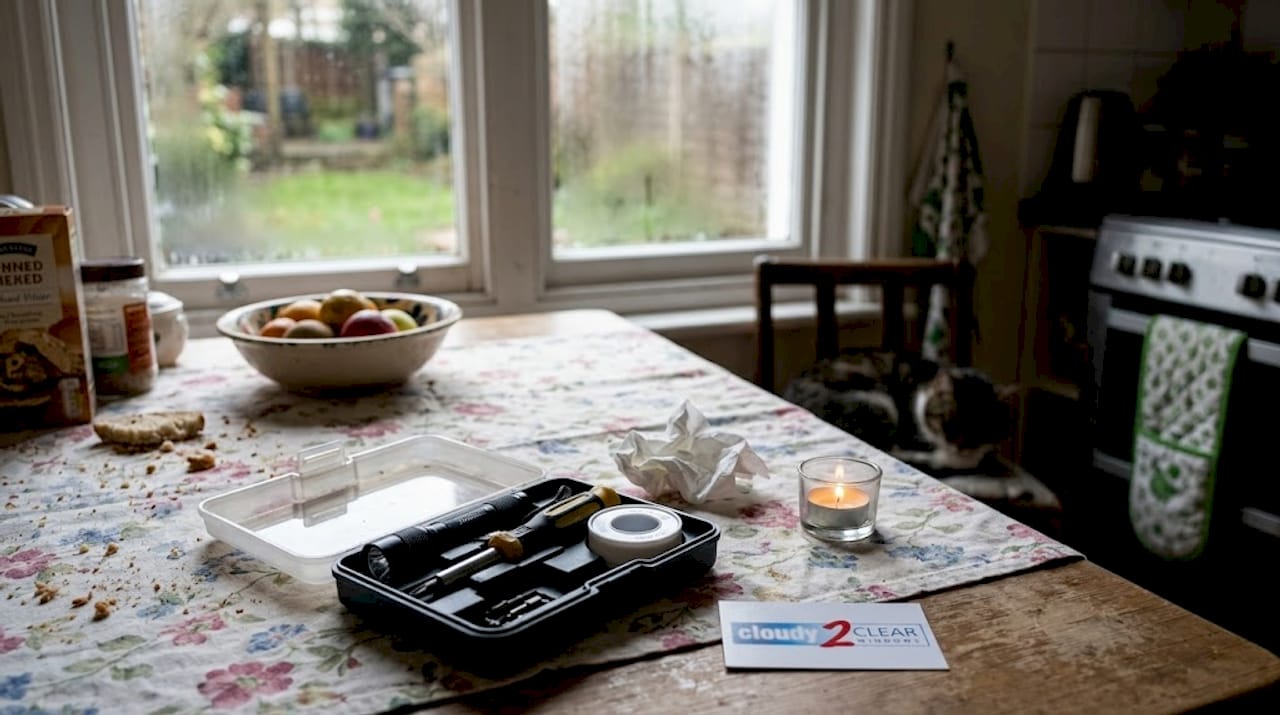
  • Do the candle test

    • Before you go lighting candles, make sure you move any flammable materials (like curtains!) out of harm’s way. Light your candle and then move it around the window frame. Does the flame flicker? You’ve found your window draught.
  • Run your hand along the window edge

    • You can spot draughty windows by running your hand alongside the window edge. If you can feel cold air coming in, you’ve confirmed the problem.
A cracked window seal letting in cold air, a common cause of draughts.


Draught proofing windows: DIY tips & affordable fixes

Use self-adhesive draught excluder strips

Have you spotted small gaps around your window frames? A cost-effective way to prevent cold air from entering your home is by using draught excluder strips.

Draught excluder strips can be used to seal small gaps around your window frames by creating a tight seal.

They are relatively easy to install and can reduce heat loss without the need for specialist tools or expertise.

Different types of draught excluder strips

The right type of draught excluder strip will depend on the size of the gap and the material of your window:

Type of draught excluder strip Benefits Cons
Foam Strips Ideal for small to medium gaps (1–5mm). Foam degrades over time, especially in humid conditions, making it less durable.
Rubber (EPDM) Strips Soft, compressible and easy to apply. Slightly more expensive than foam, but lasts longer.
Brush Strips (Pile Weatherstripping) Suited to wooden or older window frames where slight warping may have happened. Not suitable for sealing completely static gaps, as it doesn’t provide an airtight seal.

Use window sealant to close gaps

Can you see small cracks or gaps around your window frame? Over time, small cracks can form where the window frame meets the wall, which lets cold air in – this is particularly common in older wooden window frames.

You may be able to seal the gaps around your window frames with high-quality window sealant. This can block draughts, prevent heat loss and also reduce moisture penetration to stop damp and rot.

Best overall choice: Silicone sealant

There are a variety of sealants available, but silicone sealant is the most versatile.

  • It’s highly flexible – expands and contracts with window movement.
  • It’s waterproof and weather-resistant – ideal for indoor and outdoor use.
  • It’s long-lasting – lasts up to 20 years if applied correctly.
  • Clear or coloured options – blends in with your window frames.

Where to apply window sealant

✔ Around the window frame: Small cracks between the frame and the wall can let cold air in.
✔ At window joints and corners: These are common weak points where air can escape.
✔ Along the exterior caulking: If the outside seal has deteriorated, draughts may be getting in from outside.

If you notice large gaps or crumbling window frames, a sealant may not be enough – your windows may need professional repair or resealing.

Newly sealed window using silicone sealant to block draughts and reduce heat loss.


Use insulating window film for secondary glazing

Secondary glazing is a cost-effective alternative to double glazing, and is designed to add an extra layer of insulation to existing single-glazed or draughty windows.
It creates an air gap between the existing window and the secondary panel, trapping heat and preventing cold air from entering.
There are different ways of achieving secondary glazing.

Secondary glazing type Description Pros Cons
Plastic film Referred to as insulating window film. It’s a thin layer of polyester, combined with an adhesive layer. Cheap, easy to install, ideal for renters. Less durable and needs replacing every 5 years.
Magnetic or clip-on acrylic panels Uses strong magnets or clips to attach an acrylic panel to the window frame. More effective than plastic film, reusable. Needs to be precisely measured to achieve a tight fit.
Fixed secondary glazing A fixed acrylic or glass panel attached to the window with a frame or hinges. It is relatively affordable. More expensive, not easy to remove.


While secondary glazing can help improve insulation, it’s not as effective as double glazing.

Thinking about upgrading your windows? Our guide on the benefits of double glazing explores how it can help long-term energy savings.

Invest in thermal curtains

You can reduce the draught from your windows without making any changes to the glass or the frames with thermal curtains.

Thermal curtains can be made from a variety of different materials such as cotton, polyester, and wool. However, what they all have in common is that they are thick and lined, helping to trap heat and keep cold air at bay.

Top Tip: Hang your thermal curtains closer to the window and make sure they fully cover the frame to make them as efficient as possible.

While thermal curtains go some way to regulate room temperature, they won’t solve the root cause of the cold draught from your windows.

Fix broken or worn window locks & handles

Are loose window locks or wonky handles causing draughty gaps in your window frame?

In some cases, tightening screws or replacing worn-out locking mechanisms is enough to tighten any broken seals and reduce cold air coming into your home.

  • Loose or misaligned locks stop the window from sealing fully and leave small gaps where cold air can get in.
  • Worn-out handles may not shut the window tightly enough, which reduces its efficiency in blocking out draughts.
  • Damaged locking mechanisms can cause windows to shift slightly out of position, which impacts insulation.

Signs draught-proofing window hacks won’t see you through

A window with a crack in the glass pane

If your windows still don’t close properly…

So, you’ve tightened screws, replaced locks and you can still feel a cold draught?

It may be time to call a professional. If your windows won’t close properly, even after DIY fixes, it could be down to misaligned hinges, or faulty locking mechanisms.

Not only is this bad news for energy efficiency, but it also poses a potential security risk.

If your window frame is rotting …

If your window frame is rotting, it’s a sign of serious moisture damage – and that needs urgent attention.

When water seeps into wooden window frames, the material begins to soften, weaken, and eventually decay.

Window frame rot puts the structural integrity of the window at risk and creates gaps where cold air can enter, which does nothing to help your energy bills.

If you can see cracks in the glass or condensation…

If you have cracks in your window glass or you can see condensation forming between double-glazed panes, draught-proofing hacks aren’t going to cut it.

Misted windows usually mean that the seal has failed, which allows moisture in and makes your home feel colder.

However, cracks or misting glass don’t mean you have to replace the entire window. An affordable alternative is to replace the failed double-glazing unit (and you can explore the cost-savings of window repairs in this guide).

Cloudy2Clear specialises in this type of repair, helping homeowners like you restore insulation, without the expense of a full window replacement. Learn more about our window repair service.

Get in touch

Seeking professional repairs can save money in the long run by preventing heat loss, lowering energy bills, and improving security.

Our customers can trust us to quickly diagnose and fix common window problems. So, if you’re losing heat through draughty windows, get in touch.

Our expert engineers can repair misted double glazing, fix faulty seals, and realign misaligned locks – saving you money on energy bills.