• USP Logo Icon
    25 Year Guarantee
  • USP Leaf Icon
    Latest ECO Friendly Technology
  • USP Pointer Icon
    National Coverage
Get a FREE quote

Repair window locks: practical steps for UK homes

A stiff key that won’t turn, a handle that wobbles, or a lock that simply refuses to engage. These small frustrations are easy to ignore, but a faulty window lock is a genuine security risk. Burglars look for the path of least resistance, and a compromised lock can be exactly that. The good news is that many window lock problems are well within the reach of a confident DIYer. This guide walks you through everything you need: the warning signs to watch for, the right tools, a clear step-by-step repair process, and honest advice on when it is smarter to call in a professional.

How faulty locks threaten home security

To understand why window lock repair matters, it helps to look at the security and safety implications first. A window with a broken or poorly functioning lock is not just an inconvenience. It is an open invitation. Intruders assess properties quickly, and a window that does not latch properly or has a loose handle can be forced open in seconds.

In the UK, home insurance policies often require that your locks meet certain standards. The two most relevant are BS3621 and PAS24. BS3621 covers key-operated locks, while PAS24 is a broader enhanced security standard for windows and doors. If your locks do not meet these standards and you suffer a break-in, your insurer may refuse to pay out. That is a costly lesson nobody wants to learn the hard way.

Knowing the early warning signs is just as important as knowing what to do when things go wrong. Common lock failure signs include:

  • A key that feels stiff or catches when turning
  • A handle that feels loose or has visible play
  • The lock engaging only partially, or not at all
  • Visible misalignment between the locking point and the keep (the metal plate it slots into)
  • Grinding or scraping noises when operating the handle

These signs rarely appear overnight. They develop gradually, which is actually useful because it gives you time to act before a complete failure. Waiting until the lock stops working entirely means you could be left with a window that will not close securely.

Addressing a stiff or misaligned lock early is almost always cheaper and simpler than replacing the entire mechanism after it seizes completely.

For most homeowners, the decision comes down to repair versus replace. A repair is usually the right call when the mechanism is fundamentally sound but has worn, shifted, or needs cleaning. Replacement makes more sense when the lock is old, visibly damaged, or no longer meets current security standards. Our lock and handle repair advice can help you work out which route is right for your situation.
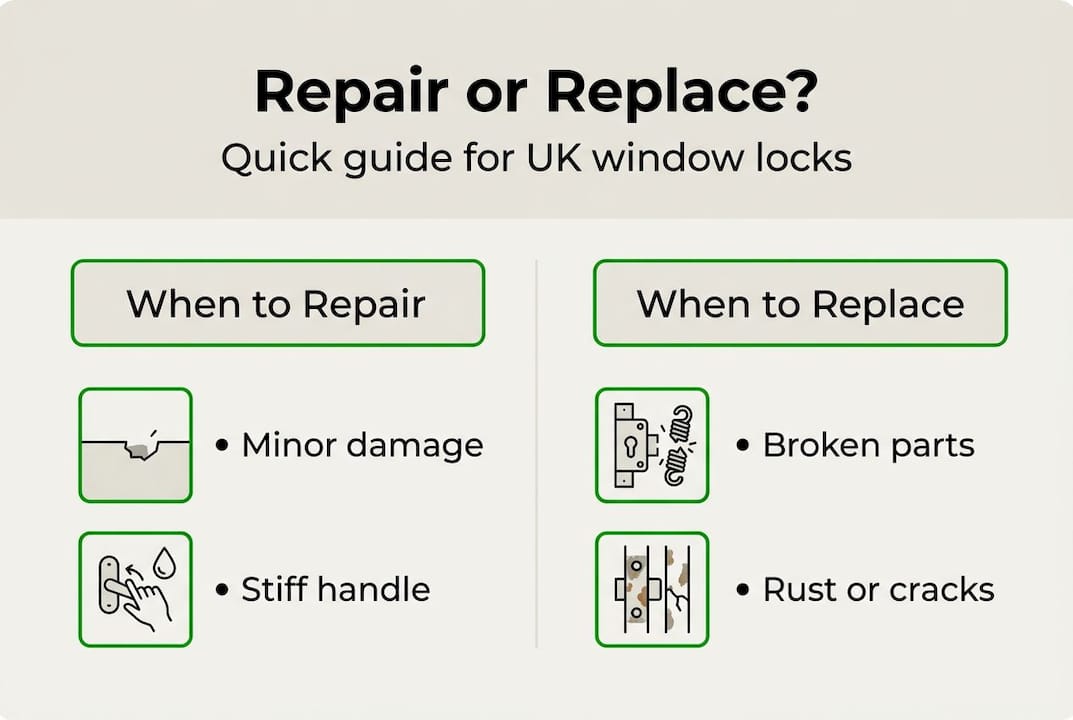
Infographic repair vs replace window lock

Essential tools and materials for window lock repair

Once the importance is clear, ensure you have the right kit ready before starting repairs. Going in without the right tools is one of the most common reasons a simple job turns into a bigger problem.

For most window lock repairs, you will need:

  • Flat-head and cross-head screwdrivers (various sizes)
  • Allen keys, with a 4mm size being particularly common for uPVC hardware
  • A silicone-based lubricant spray
  • A soft cloth and mild cleaning solution
  • Replacement screws (stainless steel where possible to resist corrosion)
  • A small torch for inspecting tight spaces
  • Safety glasses, particularly when working at height or with older frames

The right repair tools vary depending on your window frame material, and so do the cleaning and lubrication products you should use. Getting this wrong can cause more damage than the original fault.

Here is a quick reference table to help you match materials to frame type:

Frame type Cleaning product Lubricant Additional materials
uPVC Mild detergent, warm water Silicone spray Replacement gaskets if needed
Aluminium Metal cleaner, rust treatment Silicone or light machine oil Anti-corrosion primer
Timber Damp cloth, wood cleaner Wood treatment oil Sandpaper (fine grade)


For material-specific repair tips, the approach differs meaningfully. uPVC frames respond well to silicone spray and rarely need anything more aggressive. Aluminium frames can develop surface corrosion around the lock housing, so a metal cleaner applied before lubricating makes a real difference. Timber frames are the most variable. If the wood has swollen due to moisture, you may need to sand the edges lightly before the lock will seat properly again.

Our window materials guide covers the characteristics of each frame type in more detail, and our window maintenance tips offer broader advice on keeping your frames in good condition year-round.

Pro Tip: Avoid using WD-40 as a long-term lubricant on uPVC locks. It is a water displacer, not a true lubricant, and it can attract dirt and degrade plastic components over time. Silicone spray is the correct choice for uPVC and lasts far longer.

Step-by-step: how to repair window locks yourself

With your tools ready, move into the step-by-step repair process for window locks. The sequence below works for most frame types, with material-specific notes where relevant.

  1. Clean the lock and surrounding area. Remove dirt, dust, and old lubricant from the lock body, handle spindle, and keep. Use a soft cloth and appropriate cleaner for your frame type.
  2. Inspect for visible damage. Look for cracked plastic, bent metal, or stripped screws. If the lock body itself is cracked, replacement is the better option.
  3. Tighten all visible screws. Handle screws, backplate screws, and hinge bolts all loosen over time. A 4mm Allen key handles most uPVC handle fixings. Do not overtighten, as this can strip the thread.
  4. Lubricate the mechanism. Apply silicone spray to the lock body, the handle spindle, and the locking points. Work the handle several times to distribute the lubricant evenly.
  5. Check alignment. Close the window and observe whether the locking points meet the keeps cleanly. Misalignment is a common cause of stiff or incomplete locking.
  6. Adjust the keep if needed. Most keeps are held by two screws and can be shifted slightly up or down to improve alignment. Loosen, reposition, and retighten.
  7. Test thoroughly. Lock and unlock the window multiple times. The action should feel smooth and the lock should engage fully without forcing.

Here is a summary of when a quick fix is enough versus when a full repair is needed:

Symptom Quick fix Full repair needed
Stiff handle Lubricate spindle and lock body No, unless persists after lubrication
Loose handle Tighten Allen key screws Only if thread is stripped
Lock not engaging fully Adjust keep position Replace gearbox if mechanism is worn
Key difficult to turn Clean and lubricate barrel Replace barrel if key still stiff
Window will not close flush Sand timber or adjust hinges Replace hinges if seized


For different window materials, the DIY repair steps follow the same general sequence, but timber frames may need sanding at swollen edges before closing properly, and aluminium frames benefit from a rust treatment step if corrosion is present. For stuck window fixes, try releasing the cam or latch manually before assuming the mechanism has failed.
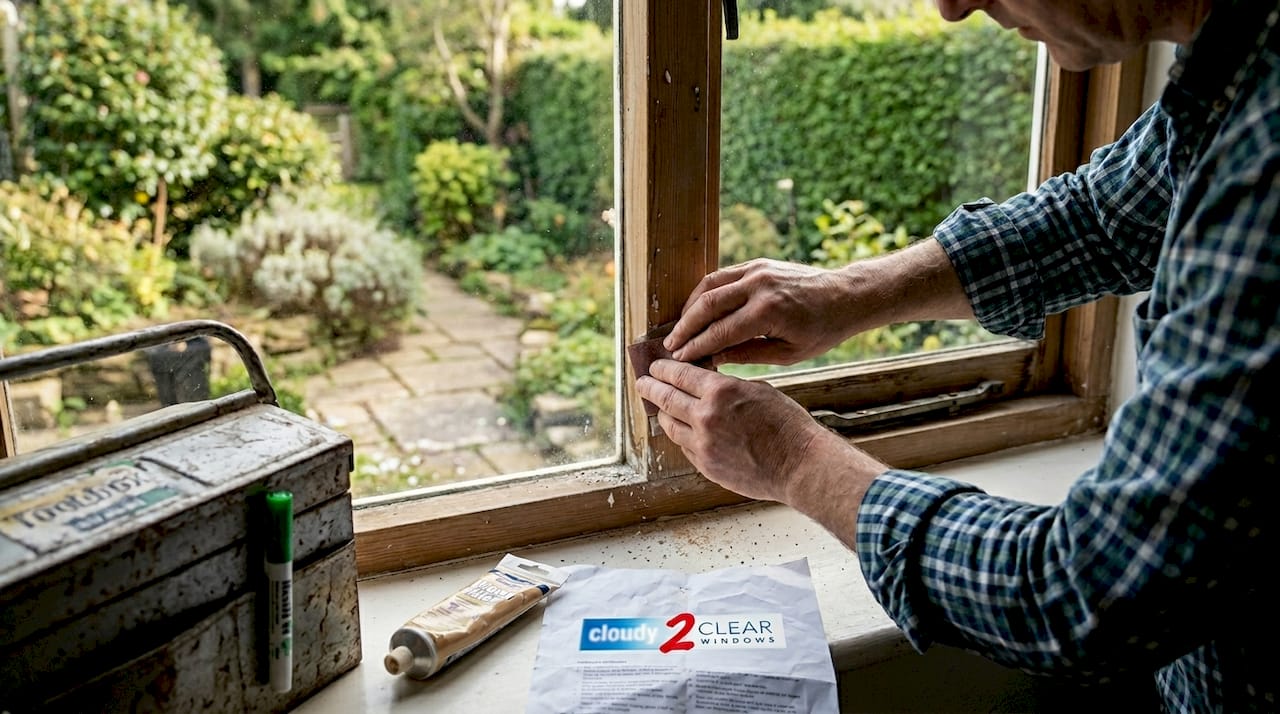
Hands repairing timber window frame close-up


Pro Tip: If a handle feels completely seized, do not force it. Apply lubricant, leave it to penetrate for ten minutes, then try again with gentle, steady pressure. Forcing a seized handle can snap the spindle, turning a simple repair into a full mechanism replacement.

Troubleshooting, common mistakes and when to call in a professional

Even with good preparation, challenges can arise. Here is how to troubleshoot problems and recognise when DIY has reached its limit.

The most common mistakes people make during window lock repair are:

  • Using the wrong lubricant (WD-40 on uPVC, or oil-based products on plastic components)
  • Overtightening screws, which strips threads and makes future repairs harder
  • Forcing a stuck lock or handle, which risks breaking the spindle or gearbox
  • Ignoring alignment issues and just lubricating, which only delays the problem
  • Replacing the handle without checking whether the underlying gearbox is also worn

If you have followed the steps above and the lock still does not work correctly, it is worth pausing before going further. Some faults genuinely require specialist tools or knowledge. Professional repair services are the sensible choice for complex multipoint locking systems, upper-floor windows where working safely is difficult, or any situation where the window cannot be secured overnight.

Signs you should stop and call a professional:

  • The gearbox (the internal mechanism inside the frame) is visibly damaged or will not engage at all
  • You have lost the key to a key-operated lock and cannot open the window
  • The hinges are seized and the window cannot be opened safely
  • The frame itself is warped or damaged, preventing proper closure
  • You are working above ground floor level without safe access equipment

Understanding the window lock repair costs for 2026 helps you budget realistically. Handle replacement typically costs £60 to £150, a full mechanism replacement runs from £80 to £300, and fixing a jammed window generally falls between £80 and £180. These figures include labour, so a professional repair is often better value than it first appears, particularly when you factor in the cost of getting it wrong.

For broken window repairs or persistent lock faults, our professional lock repair team covers homes and businesses across the country. If you are based in the north west, our repair team in East Lancashire is well placed to help.

Pro Tip: If you are unsure whether the gearbox needs replacing, do not attempt to dismantle it yourself. Modern multipoint locking systems have many small components under spring tension. An incorrect reassembly can leave your window unsecurable.

What most guides miss about window lock repairs

Most DIY guides present window lock repair as a straightforward task with a clear outcome. In reality, the line between a job you can handle yourself and one that needs a professional is often blurry, and that ambiguity is worth addressing honestly.

The value of acting early is consistently underestimated. A stiff handle or a slightly misaligned keep costs almost nothing to fix if you catch it at the right moment. Leave it six months and the same fault can develop into a seized gearbox or a cracked spindle, both of which push you into the professional repair bracket.

There is also genuine debate about lubrication and DIY limits for different lock types. Some sources suggest that any homeowner can tackle any lock repair with the right video guide. We think that is too optimistic. Modern multipoint locking systems, which are standard on most double-glazed windows installed in the last two decades, are genuinely complex. Attempting to replace a gearbox without experience risks damaging the frame or leaving the window in a worse state.

Our view, shaped by nearly two decades of repairs across the UK, is simple. Try the basics confidently. Clean, lubricate, adjust, tighten. But know when to stop. Calling in an expert window lock repair specialist is not an admission of defeat. It is the right call when safety and security are on the line.

Let the experts help with complex repairs

Sometimes a window lock repair goes beyond what a screwdriver and silicone spray can fix. Whether it is a seized multipoint mechanism, a damaged gearbox, or a window that simply will not close securely, professional support is the fastest and most reliable route back to a secure home.

https://www.cloudy2clearwindows.co.uk


At Cloudy2Clear Windows, we have been repairing locks, handles, and hinges for homeowners and businesses across the UK since 2005. Our lock and handle specialists carry a wide range of replacement parts and can usually complete repairs in a single visit. If you also need broken window support, we handle that too. Our Milton Keynes repair team is just one example of our nationwide coverage. Get in touch today for transparent pricing and a fast, guaranteed repair.

Frequently asked questions

What are the first signs a window lock is starting to fail?

A stiff key or loose handle are usually the earliest indicators, often appearing well before the lock stops working completely. Catching these signs early makes repair far simpler and less costly.

Can I repair a jammed window lock myself?

Yes, in many cases cleaning, lubricating, and adjusting the alignment or screws resolves the fault. However, persistent or serious issues such as a damaged gearbox or seized mechanism are better handled by a professional.

How much does window lock repair cost in the UK in 2026?

According to current estimates, handle replacement costs typically run from £60 to £150, a mechanism replacement from £80 to £300, and fixing a jammed window from £80 to £180, all including labour.

Which lubricant is best for uPVC window locks?

Silicone spray is recommended for uPVC locks because it does not attract dirt, does not degrade plastic, and provides long-lasting lubrication. Avoid WD-40 as a substitute.
Window warranties explained: your guide to double glazing cover

Two neighbours buy near-identical double glazed windows from different installers. One gets a robust 10-year guarantee backed by an insurer. The other gets a vague promise on a single sheet of paper. When problems arise, only one of them is protected. Window warranties in the UK typically range from 5 to 25 years, yet the actual protection on offer varies enormously. This guide walks you through what window warranties really mean, how long they last, what they cover, and how to make sure you are never left out of pocket.

What is a window warranty (and why does it matter)?

Before you sign anything, it helps to understand the difference between a guarantee and a warranty. They sound interchangeable, but they are not. A guarantee versus warranty distinction matters: a guarantee is a company’s promise to repair or replace under its own terms, while a warranty gives you a legal right to remedies for a fixed period. One is goodwill; the other is enforceable.

For double glazing, warranties and guarantees typically cover three main areas:

  • Frames: Protection against warping, discolouration, and structural failure
  • Glass units: Cover for failed seals, condensation between panes, and fogging
  • Hardware: Hinges, handles, locking mechanisms, and other moving parts

Think about the double glazing lifespan of your windows. A quality installation should last 20 years or more. Without solid warranty cover, any fault that appears in year six could cost you hundreds to fix out of your own pocket. A strong warranty protects your investment, reduces stress, and can even support your property’s resale value.

Weak or absent warranty cover is one of the most common and costly mistakes homeowners make when buying double glazing. Always treat the warranty as part of the product, not an afterthought.

Your consumer rights guide from Which? is a useful starting point for understanding what you are legally entitled to expect.

How long does a window warranty last? Understanding coverage periods

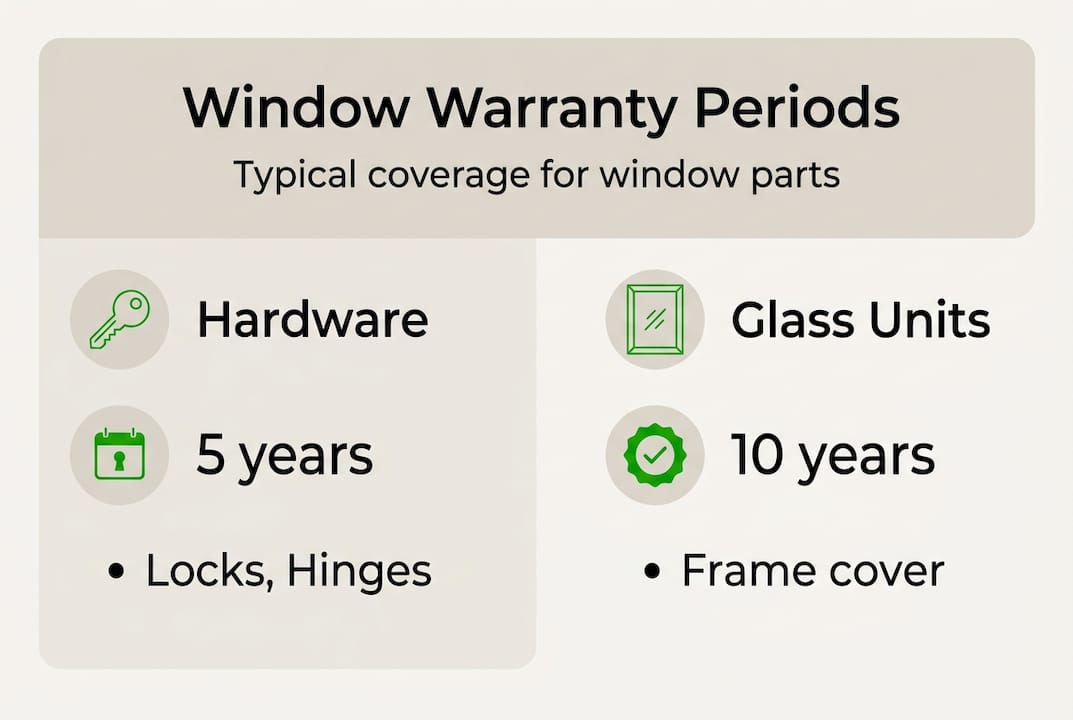
Not all parts of your window age at the same rate, which is why most warranties are tiered. Hardware such as hinges and handles tends to wear faster than the frame itself, so cover periods differ accordingly. Double glazing warranties typically range from 5 to 25 years depending on the component and the installer.

Infographic showing window warranty periods


Here is a typical breakdown of what you might expect:

Component Typical warranty period
Hardware (hinges, handles, locks) 5 years
Glass units 10 years (25 years with Us!)
Frames (uPVC, aluminium, timber) 10 to 25 years
Full installation (some providers) Up to lifetime


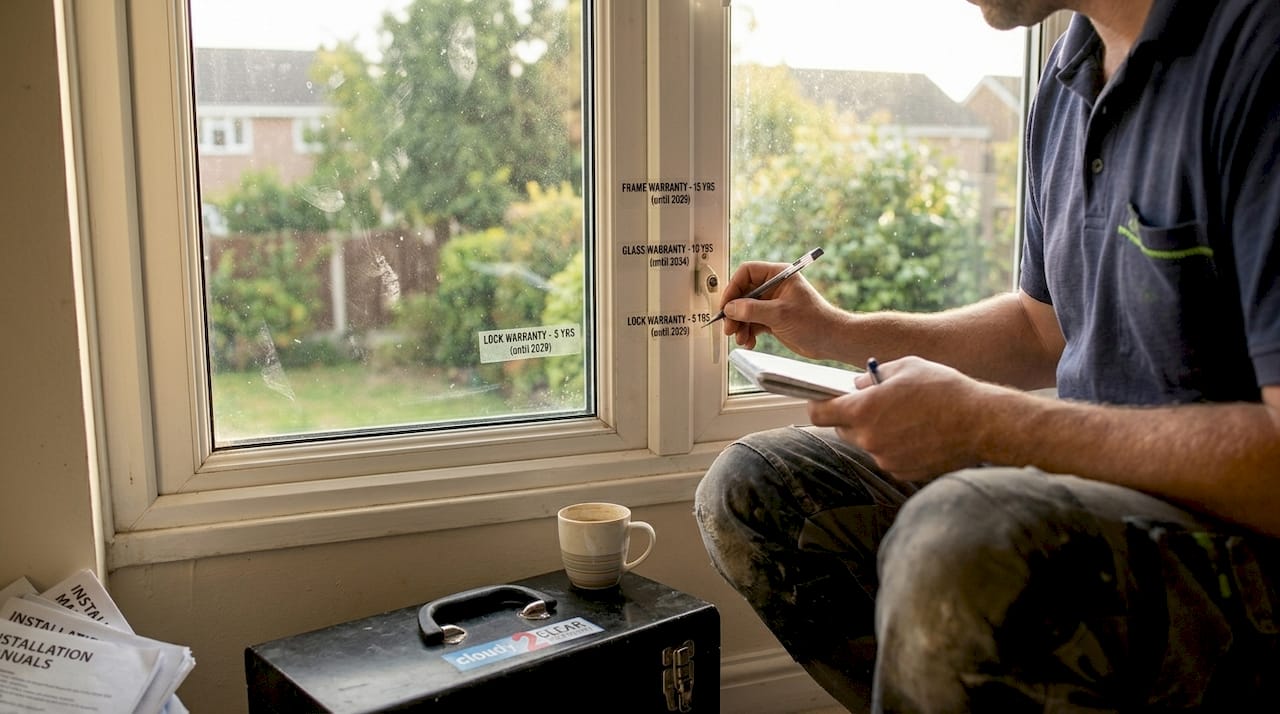
Tiered cover means you could be fully protected on your frames for 20 years, but your hardware cover may expire after just five. This is not a flaw in the system; it reflects the realistic lifespan of double glazing components. What matters is that you know exactly which tier applies to which part of your window.

Technician labeling window warranty coverage


Some premium installers offer lifetime guarantees. These sound impressive, but read the small print carefully. Lifetime cover is often tied to the original property owner and may not transfer to a new buyer.

Pro Tip: Before you commit to any installation or replacement, ask your installer for a written breakdown of warranty periods by component. If they cannot provide one, that is a warning sign.

Insurance backed guarantees and accredited installers

A warranty is only as strong as the company standing behind it. If your installer goes out of business, a standard guarantee becomes worthless. That is where an Insurance Backed Guarantee, or IBG, comes in.

An IBG is a separate insurance policy that pays out if your installer ceases trading. IBGs have been required for FENSA and CERTASS registered installers since 2014, offering up to 10 years of protection. This means even if your installer disappears, you can still make a valid claim.

Here is a quick comparison of the two main accreditation schemes:

Feature FENSA CERTASS
Covers building regulations compliance Yes Yes
IBG required Yes Yes
Free certificate issued Yes Yes
Complaints resolution service Yes Yes


When choosing an installer, always check their credentials. You can verify FENSA registered installers directly on the FENSA website. For accredited installer choices, look for clear evidence of registration before any work begins.

Key points to remember about IBGs:

  • They are separate from the manufacturer’s warranty
  • You must provide proof of installer insolvency to make a claim
  • Cover is typically capped at 10 years
  • They do not cover accidental damage or misuse

What does a window warranty actually cover (and exclude)?

Knowing you have a warranty is one thing. Knowing what it actually covers is another. Many property owners are surprised to discover how many common situations fall outside standard cover.

Typical inclusions:

  • Condensation or fogging between glass panes (failed seal)
  • Frame warping, cracking, or discolouration under normal conditions
  • Hardware failure not caused by misuse
  • Faulty installation workmanship

Common exclusions:

  • Accidental damage (a ball through the glass, for example)
  • Storm or flood damage
  • Damage caused by unapproved repairs or modifications
  • Normal wear and tear on moving parts
  • Failure to follow maintenance guidelines

The FENSA complaints process highlights that tiered coverage and exclusions like accidental damage are among the most frequent sources of dispute. Checking the terms and conditions before signing is not optional; it is essential.

Good window maintenance advice can also help you avoid voiding your warranty unintentionally. Something as simple as using the wrong cleaning product on a uPVC frame could give an installer grounds to reject a claim.

For a full list of what to watch for, the common exclusions guide is worth reading before you sign.

Pro Tip: Always request a full copy of the terms and conditions before signing any contract. Do not accept a summary. The detail is in the full document.

Beyond the warranty itself, you have legal rights that apply regardless of what any installer puts in their paperwork. The Consumer Rights Act 2015 is your baseline protection in England and Scotland.

Under this legislation, your rights when buying double glazing include the right to installation carried out with reasonable care and skill, materials that are of satisfactory quality, and remedies including repair or replacement if something goes wrong.

If you need to use these rights, follow these steps:

  1. Document the fault with photographs and written notes
  2. Contact your installer in writing, referencing the Consumer Rights Act 2015
  3. Allow a reasonable time for them to respond and offer a remedy
  4. If they refuse, escalate to their trade body (FENSA, CERTASS, or similar)
  5. As a last resort, consider the small claims court for disputes under £10,000

Your legal rights exist independently of any warranty. Even if a warranty has expired, you may still have a claim if a fault is due to poor workmanship.

Beyond the law, several voluntary schemes offer additional cover. Schemes like GGF, DGCOS, and CPA provide extra protections, and transferable guarantees through these bodies can actively boost your property’s resale value. For a broader view of your double glazing protections, these schemes are worth exploring.

Warranties for domestic versus commercial properties

If you own a commercial property, the rules shift. Warranty expectations, legal protections, and scheme eligibility all differ from the domestic market.

Factor Domestic Commercial
Typical warranty length 10 to 25 years 1 to 5 years (often shorter)
DGCOS/CPA scheme eligibility Yes (England and Scotland) Usually no
IBG availability Standard Less common; check individually
Consumer Rights Act 2015 Applies Applies differently


For homeowners, domestic properties receive fuller protections through schemes like DGCOS, which is limited to domestic properties in England and Scotland. Commercial buyers need to negotiate warranty terms directly and carry out more thorough due diligence before signing.

Key considerations for commercial property owners:

  • Request written warranty terms specific to commercial use
  • Confirm whether an IBG is available for your project
  • Check if the Consumer Rights Act 2015 applies to your contract type
  • For landlords, confirm whether tenants’ use affects warranty validity

Making a claim: what to do if there’s a problem with your windows

Even with the best warranty in place, knowing how to make a claim is what turns protection into results. Act quickly and methodically.

  1. Identify the fault clearly. Is it a failed seal, a hardware issue, or a frame problem? Knowing this helps you reference the right tier of your warranty.
  2. Gather your documents. Find your original contract, warranty certificate, and any IBG paperwork.
  3. Review the terms and conditions. Confirm the fault falls within the covered period and is not listed as an exclusion.
  4. Contact your installer in writing. Email creates a clear record. State the fault, reference your warranty, and request a response within 14 days.
  5. Escalate if needed. If the installer does not respond or refuses your claim, contact FENSA, CERTASS, or your IBG insurer directly.

For IBG claims specifically, you will need proof of installer insolvency before the insurer will process your case. This typically means a Companies House record or a formal insolvency notice.

Understanding how long double glazing lasts also helps you judge whether a fault is premature and therefore more likely to be covered.

Pro Tip: Keep a dedicated folder, physical or digital, containing all warranty certificates, IBG documents, installer details, and correspondence. If you ever need to make a claim, having everything in one place saves significant time and stress.

Get lasting peace of mind with professional window repairs and replacements

Understanding your warranty options is the first step. The second is choosing an installer you can genuinely trust to honour them. At Cloudy2Clear Windows, we have been working with homeowners and commercial property owners across England and Scotland since 2005, and we know how much your property means to you.

https://www.cloudy2clearwindows.co.uk


Whether you need double glazing replacements with clear warranty terms, local support such as repairs in Oxford, or specialist commercial window repairs for your business premises, we can help. Our team works transparently, so you always know exactly what cover you are getting and for how long. Get in touch today to arrange an inspection and take the uncertainty out of your window protection.

Frequently asked questions

What’s the difference between a guarantee and a warranty?

A guarantee is a company promise to repair or replace under its own terms, while a warranty gives you a legal right to remedies within a set period. In short, a warranty is enforceable; a guarantee depends on the company’s goodwill.

What is an insurance backed guarantee (IBG) for windows?

An IBG is a separate insurance policy that protects you if your installer goes out of business. IBGs have been required since 2014 for FENSA and CERTASS registered installers, ensuring you can still claim repairs even if the original company no longer exists.

Can I transfer my window warranty to a new homeowner?

Transferable guarantees boost resale value and are offered by many installers, but the terms vary. Always check the small print for restrictions on transfer, as some are limited to the original property owner only.

Does a window warranty cover accidental damage?

Most window warranties exclude accidental damage, treating it as the owner’s responsibility. Accidental damage exclusions are among the most common sources of claim disputes, so check your terms carefully before assuming you are covered.

What should I do if my installer goes out of business?

If you have an IBG, contact the insurer with proof of installer insolvency to begin your claim. If you do not have an IBG, check whether the window manufacturer offers any direct support or warranty cover independently of the installer.

How to seal drafty windows to save energy and reduce costs

Drafty windows can turn your comfortable home into a cold, unwelcoming space whilst driving up heating bills throughout winter months. You probably notice the chill creeping in around window frames or feel a persistent breeze near the glass even when everything looks closed. Learning practical sealing methods transforms these problem areas into efficient barriers against the cold, cutting energy waste and improving indoor comfort without requiring professional help for every situation. This guide walks you through identifying draft sources, selecting appropriate materials, and executing effective sealing techniques that deliver lasting results.

Understanding the causes and preparation for sealing drafty windows

Window seal failures and draftiness often arise from degraded seals and gaps that develop over time. The rubber gaskets around double glazing units deteriorate from UV exposure and temperature fluctuations, whilst frame joints separate as buildings settle. Poor initial installation creates immediate draft problems that only worsen with age. You might also discover gaps where the window frame meets the wall, particularly in older properties where original sealant has cracked and fallen away.

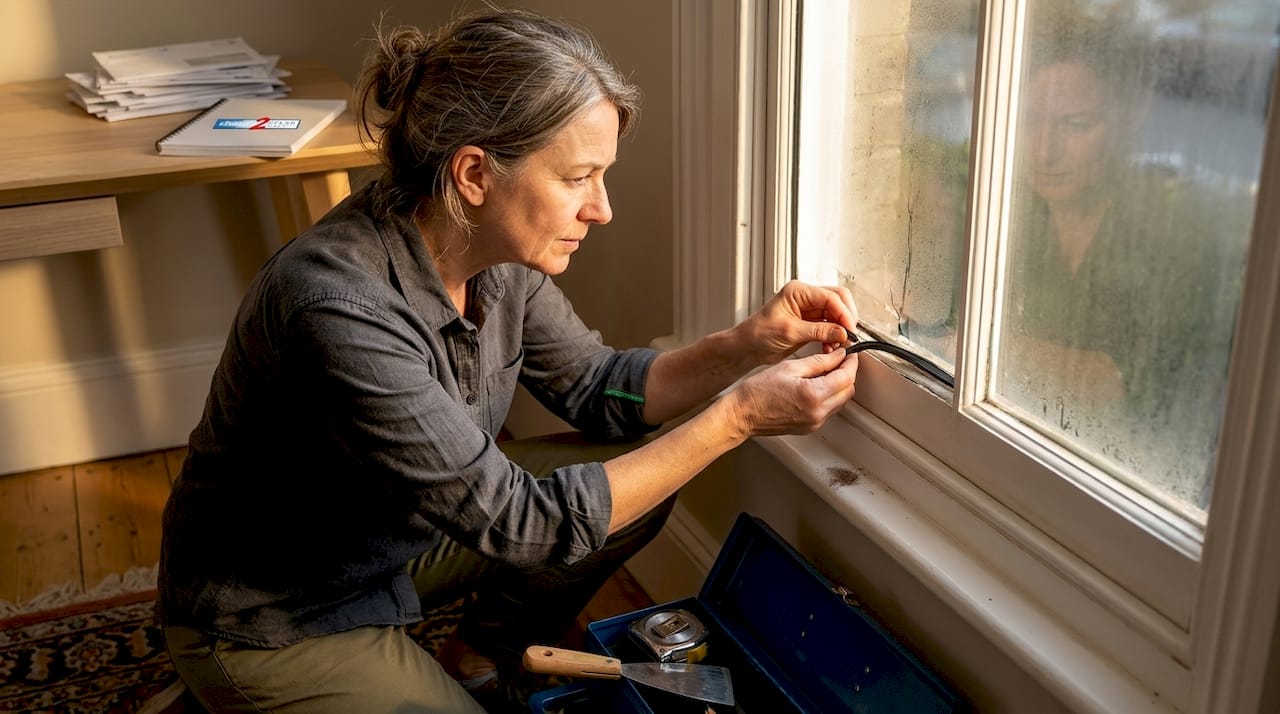
Inspecting cracked window gasket for drafts


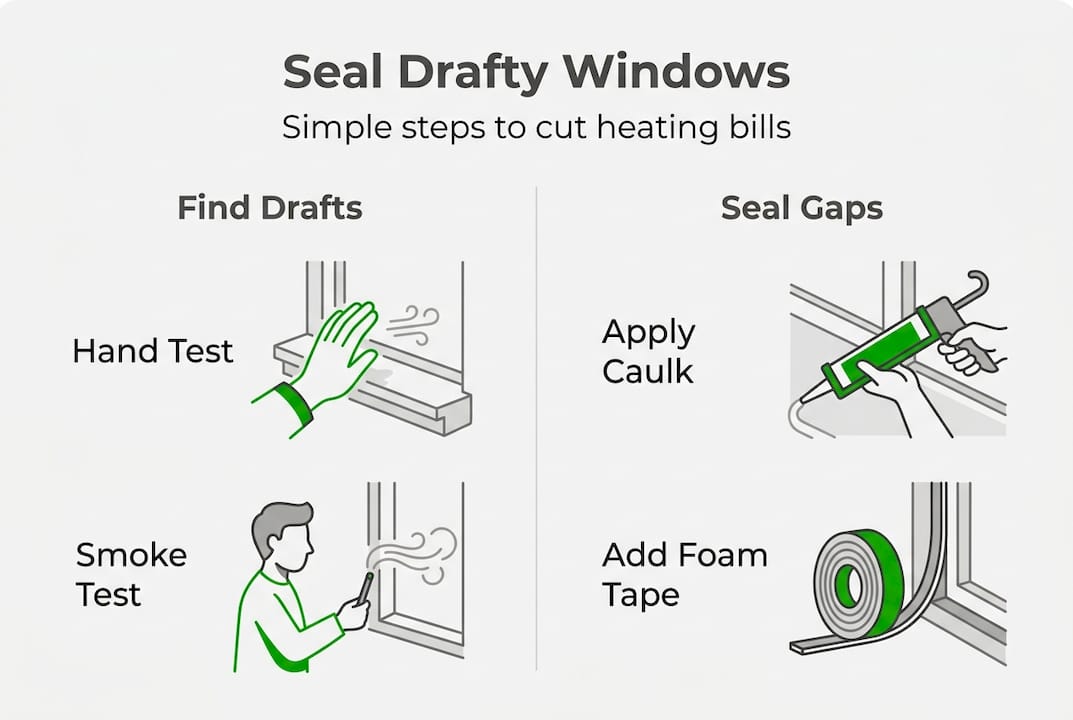
Detecting drafts requires simple but effective testing methods. Hold a lit candle or incense stick near window edges on a windy day and watch for flame movement or smoke disturbance. Alternatively, close a thin strip of paper in the window and try pulling it out whilst the window remains shut. If the paper slides out easily, you have found a draft source. Run these tests around the entire window perimeter, checking all four sides plus the meeting rails where sashes come together. Proper assessment and preparation improve sealing outcomes significantly.

Gathering the right tools and materials before starting prevents frustrating mid-project trips to the hardware shop. You will need weatherstripping in foam or rubber varieties, exterior-grade sealant suitable for your window material, a caulking gun, utility knife, cleaning supplies including methylated spirits, lint-free cloths, and possibly a putty knife for removing old sealant. Consider purchasing a few extra metres of weatherstripping since cutting to exact lengths often results in some waste.

Sealing material Best use case Typical lifespan
Foam tape weatherstripping Movable joints, easy application 1-3 years
Rubber gasket weatherstripping High-traffic windows, better durability 3-5 years
Silicone sealant Permanent gaps, exterior use 10-20 years
Acrylic latex caulk Interior gaps, paintable finish 5-10 years
Rope caulk Temporary seasonal sealing Single season


Infographic of window sealing steps


Pro Tip: Wear protective gloves when handling sealants and clean window surfaces thoroughly with methylated spirits before applying any sealing materials. Dust, moisture, and old residue prevent proper adhesion, causing new seals to fail within weeks rather than lasting years.

Step-by-step guide to sealing drafty windows effectively

Draught proofing extends window life and saves energy when executed properly. Follow this systematic approach for professional-quality results without hiring contractors.

  1. Clean window frames and surrounding areas thoroughly using methylated spirits and lint-free cloths. Remove all dust, grease, old sealant fragments, and loose paint. Allow surfaces to dry completely before proceeding, which typically takes 15-30 minutes depending on humidity levels. This preparation step determines whether your sealing materials bond properly or peel away within months.
  2. Apply weatherstripping or foam tape to movable joints where window sashes meet frames. Measure each section carefully and cut weatherstripping slightly longer than needed, then trim to exact length during installation. Press firmly along the entire length to ensure complete contact with the surface. For sliding windows, apply weatherstripping to both vertical channels. For casement windows, focus on the frame areas where the window closes against the seal.
  3. Use sealant or caulk to fill larger gaps and cracks between window frames and walls. Cut the sealant tube nozzle at a 45-degree angle to create a bead width matching your gap size. Apply steady pressure whilst moving the caulking gun smoothly along the gap. For deep cracks exceeding 6mm, use foam backer rod first to reduce sealant consumption and improve flexibility. Smooth the bead with a wetted finger or smoothing tool within five minutes of application before a skin forms.
  4. For secondary defence against drafts, consider applying insulating window film to the interior glass surface. This transparent plastic shrinks tight when heated with a hairdryer, creating an additional air barrier. Whilst not a permanent solution, window film provides extra insulation during particularly cold months and costs considerably less than replacement windows.
  5. Check for missed spots by running your hand around sealed areas whilst someone else creates air pressure differences by opening and closing interior doors. Mark any remaining draft sources with tape and repeat the sealing process in those specific locations. Multiple thin applications often work better than one thick bead that may not cure properly.

Pro Tip: Avoid over-applying sealant, which creates messy excess that requires cleanup and may prevent windows from opening smoothly. Apply just enough to fill the gap, then smooth immediately for a professional appearance and proper function.

Always ensure adequate ventilation when using chemical sealants indoors, and exercise caution when working on ladders to reach upper-floor windows. Some sealants release strong fumes during curing that can cause headaches or respiratory irritation in enclosed spaces.


Common issues, troubleshooting, and maintenance tips for sealed windows

Even properly sealed windows can develop problems over time. Sealant cracks appear as materials age and building movement stresses the bonds. Adhesive failure occurs when weatherstripping loses its grip, often because surface preparation was inadequate or the wrong adhesive type was used for the material. Condensation despite sealing typically indicates ventilation problems rather than seal failure, though it can damage seals over time if moisture becomes trapped.

When sealant cracks develop, remove the damaged section completely rather than sealing over it. Use a utility knife or putty scraper to extract old material, clean the area thoroughly, and apply fresh sealant. For weatherstripping that has come loose, remove it entirely and clean away residual adhesive before installing new strips. If condensation appears between double glazing panes, the sealed unit itself has failed and requires professional window maintenance or replacement since no amount of external sealing will resolve internal moisture.

Regular maintenance extends the life of your sealing work significantly. Inspect seals every autumn before heating season begins, looking for cracks, gaps, or areas where weatherstripping has compressed and lost effectiveness. Clean window frames and seals gently with mild soap solution, avoiding harsh chemicals that degrade rubber and silicone materials. During severe weather, check that wind-driven rain has not compromised exterior sealant, particularly around the bottom rails where water accumulates.

Sealant type Average durability Maintenance frequency Weather resistance
Silicone 15-20 years Inspect annually Excellent
Acrylic latex 5-10 years Inspect annually Good for interior
Butyl rubber 10-15 years Inspect every 2 years Excellent
Foam tape 1-3 years Replace as needed Fair


Maintaining sealed windows effectively requires following several key practices:

  • Clean seals gently without using abrasive materials that damage surfaces
  • Inspect weatherstripping compression and replace when gaps appear
  • Avoid painting over weatherstripping, which reduces flexibility
  • Check exterior sealant after storms for weather damage
  • Lubricate moving window parts to prevent stress on seals
  • Never force stuck windows, which can tear weatherstripping
  • Remove and reapply temporary sealing materials seasonally
  • Address building settlement cracks promptly before they enlarge

Verifying sealing success and when to call professional repairs

Testing your sealing work confirms effectiveness before winter cold arrives. The smoke test using incense or a candle remains the simplest verification method. Pass the smoke source slowly around all sealed areas whilst watching for disturbance. Any movement indicates remaining drafts requiring additional attention. Monitor your energy bills over the following months. Properly sealed windows should reduce heating costs noticeably, though the exact amount depends on how drafty they were initially and your overall home insulation.

Thermal imaging cameras, increasingly available as smartphone attachments, reveal temperature differences that indicate air leakage. These devices show cold spots in false colour, making draft sources visually obvious even when you cannot feel them. Some energy suppliers offer free thermal imaging assessments that identify problem areas throughout your home, not just windows.

Several signs indicate sealing alone will not solve your window problems:

  • Persistent drafts after thorough sealing attempts
  • Condensation appearing between double glazing panes
  • Visible frame damage including rot or severe warping
  • Increasing energy bills despite sealing efforts
  • Windows that no longer open or close properly
  • Cracked or broken glass requiring replacement

Knowing when DIY fixes suffice versus requiring professional help saves money and frustration. Weatherstripping replacement and basic gap sealing work well as DIY projects for most homeowners. However, failed double glazing units, structural frame damage, and persistent moisture problems need expert diagnosis. Professional double glazing repairs improve energy efficiency significantly when DIY is insufficient, addressing underlying problems that surface treatments cannot fix.

Homeowners who invest in professional double glazing repairs typically see energy savings of 15-25% compared to leaving damaged windows unsealed, with payback periods of 3-5 years depending on window size and local energy costs.

Enhance your window sealing with expert repairs and services

Whilst DIY sealing methods work brilliantly for minor drafts and maintenance, some window problems require professional expertise to resolve properly. Cloudy2Clear Windows offers comprehensive double glazing repairs in Oxford, Leicester and Loughborough, and throughout England and Scotland. Our specialists diagnose underlying causes of persistent drafts, failed seals, and condensation issues that DIY approaches cannot address.

https://www.cloudy2clearwindows.co.uk


With nearly two decades of experience since our establishment in 2005, we understand exactly how window problems affect both residential comfort and commercial building efficiency. Our broken window repair services restore windows to peak performance, combining expert repairs with high-quality replacement components when necessary. Whether you need failed seal replacement, frame restoration, or complete glazing unit renewal, our team delivers solutions that enhance comfort whilst reducing energy waste for years to come.

How to seal drafty windows: frequently asked questions

What is the easiest way to stop window drafts?

Foam tape weatherstripping provides the quickest and easiest draft solution for most homeowners. Simply clean the window frame, cut the tape to length, and press it firmly into place where the window meets the frame. This method requires no special tools and works immediately, though it needs replacement every few years as the foam compresses.

How long does window draught proofing last?

Draught proofing longevity varies by material type and installation quality. Foam weatherstripping typically lasts 1-3 years, rubber gaskets endure 3-5 years, whilst properly applied silicone sealant can perform effectively for 10-20 years. Regular inspection and maintenance extend the life of all sealing materials significantly.

Can sealing drafty windows reduce my heating bills?

Yes, sealing drafty windows typically reduces heating costs by 10-20% depending on how severe the drafts were initially. The savings accumulate over time, often paying back your material costs within a single heating season whilst improving comfort immediately. Combining window sealing with other insulation improvements delivers even greater energy savings.

When should I replace my window instead of sealing it?

Replace windows when frames show structural damage like rot or severe warping, when double glazing units have failed with condensation between panes, or when repeated sealing attempts fail to stop persistent drafts. Windows over 20 years old often benefit from replacement rather than continued repairs, particularly if energy efficiency has degraded significantly.

Are DIY draught-proofing products effective?

DIY draught-proofing products work excellently for straightforward sealing tasks when applied correctly to properly prepared surfaces. Weatherstripping, foam tape, and caulk deliver professional-quality results for minor to moderate draft problems. However, structural issues, failed glazing units, and severe frame damage require professional assessment and repair for lasting solutions.

How glazing impacts property value: a homeowner’s guide

Many homeowners believe that replacing old windows with modern double glazing is purely about comfort and energy bills. Yet glazing upgrades significantly influence property market value, buyer appeal, and long-term financial returns. This guide clarifies which glazing improvements genuinely boost property value, how energy efficiency translates into market advantage, and what choices deliver the best return on investment. Understanding these connections helps you make informed decisions that enhance both your living environment and your property’s worth in today’s competitive housing market.

How glazing improves property value and energy efficiency

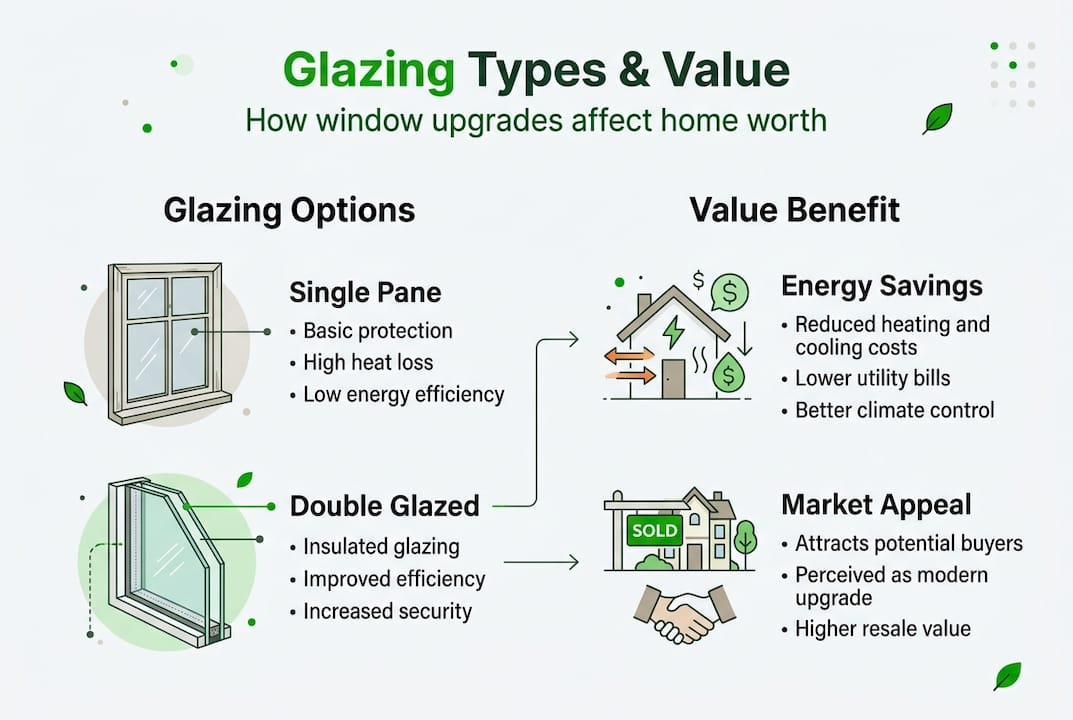
Modern glazing transforms how buildings perform thermally. Double glazing reduces heat loss by up to 50%, creating a barrier between indoor warmth and outdoor cold through two panes separated by an insulating gas layer. This fundamental improvement delivers multiple benefits that directly influence property value.

Homebuyers increasingly prioritise energy efficiency when evaluating properties. A home with quality double glazing signals lower running costs, reduced carbon footprint, and modern standards compliance. These factors translate into tangible market advantages. Properties with newer double glazing see faster sales and better offers from buyers appreciating energy savings. Estate agents consistently report that efficient glazing features prominently in buyer decision-making, particularly among younger purchasers conscious of environmental impact and utility expenses.

Beyond thermal performance, double glazing delivers comfort improvements that enhance daily living quality:

  • Noise reduction creates quieter indoor environments, especially valuable in urban locations near traffic or commercial areas
  • Condensation control prevents moisture buildup that damages window frames, sills, and surrounding walls
  • Draught elimination removes cold spots near windows, making rooms more comfortable throughout
  • UV protection reduces fading of furnishings, carpets, and artwork exposed to direct sunlight

The payback period concept connects these benefits to property value. Initial glazing investment typically recovers within five to eight years through energy savings alone. When you factor in increased property sale price, the financial case strengthens considerably. A mid-terrace home spending £4,000 on complete double glazing replacement might save £300 annually on heating whilst adding £5,000 to £8,000 to market value, depending on local demand and property type.

Expert analysis confirms these patterns. According to glazing specialists, quality window upgrades rank among the most cost-effective home improvements for value enhancement, outperforming many cosmetic renovations. The combination of measurable energy savings, regulatory compliance, and buyer appeal creates multiple value drivers that compound over time.

Pro Tip: Request thermal imaging surveys before and after glazing upgrades to document heat loss reduction. These visual records provide compelling evidence of performance improvements when marketing your property.

Types of glazing and their effect on property value

Understanding different glazing technologies helps you select options that match your property type, climate, and value objectives. Each glazing category offers distinct performance characteristics and cost profiles.

Infographic on glazing types and value impact


Glazing Type Thermal Performance Typical Cost Value Impact Best Application
Single glazing Poor (U-value 5.0) £150-250/m² Negative in modern market Heritage properties only
Standard double glazing Good (U-value 1.6) £300-450/m² Moderate increase Most residential properties
Low-E double glazing Excellent (U-value 1.2) £400-550/m² Strong increase Energy-conscious buyers
Triple glazing Superior (U-value 0.8) £500-700/m² Variable increase Cold climates, premium homes


Triple glazing offers better insulation but has higher upfront costs and may suit colder climates more. In moderate UK regions, the additional expense rarely justifies the marginal performance gain over quality double glazing with low-emissivity coatings. These microscopic metallic layers reflect heat back into rooms whilst allowing light transmission, delivering excellent thermal efficiency at reasonable cost.

Frame material and style significantly influence both performance and aesthetic appeal:

  • uPVC frames offer excellent insulation, minimal maintenance, and competitive pricing, making them popular for standard residential applications
  • Timber frames provide traditional appearance valued in period properties and conservation areas, though requiring more maintenance
  • Aluminium frames suit contemporary designs and commercial applications, offering slim sightlines and durability despite slightly lower insulation
  • Composite frames combine materials to balance thermal performance, appearance, and longevity

Glazing bar configuration affects character and value differently across property types. Georgian-style bars enhance period home authenticity, potentially adding value in conservation areas. However, excessive bars in modern properties can appear dated and reduce light transmission. Glazing bars impact window efficiency by creating additional thermal bridges, though modern warm-edge spacers minimise this effect.

Gas fills between panes influence insulation effectiveness. Argon gas, standard in quality double glazing, offers better thermal resistance than air. Krypton gas provides superior performance in narrower gaps typical of triple glazing but costs significantly more. For most homeowners, argon-filled double glazing with low-E coatings delivers optimal value-to-performance ratio.

Pro Tip: Match glazing specification to your property’s architectural style and local market expectations. Over-specifying triple glazing in a modest semi-detached home rarely recovers additional cost, whilst under-specifying basic double glazing in a premium property limits value potential.

Glazing for commercial properties versus residential homes

Commercial fenestration requirements differ substantially from residential applications, creating distinct value drivers and investment considerations. Understanding these differences helps property managers and business owners optimise glazing decisions.

Commercial fenestration upgrades enhance energy ratings and can attract higher-value tenants seeking modern, efficient premises. Office buildings, retail units, and industrial facilities face stricter energy performance regulations than residential properties. Building regulations Part L sets minimum standards for non-domestic buildings, requiring U-values typically below 1.6 W/m²K for windows. Meeting or exceeding these standards affects Energy Performance Certificate ratings, which directly influence rental values and tenant demand.

Commercial glazing installations prioritise different factors:

  • Larger pane sizes require structural considerations and safety glass specifications
  • Security features including laminated glass and reinforced frames protect valuable inventory and equipment
  • Fire safety regulations mandate specific glass types and frame materials in certain applications
  • Acoustic performance matters more in offices and healthcare facilities where noise disrupts productivity
  • Aesthetic consistency across large facades affects brand image and street presence

Tenant preferences increasingly favour energy-efficient premises. Businesses face rising utility costs and corporate sustainability commitments, making operational efficiency a key location criterion. Properties with modern, high-performance glazing command rental premiums averaging 8-12% over comparable buildings with outdated windows. This premium reflects both reduced energy expenses and enhanced working environments that support employee wellbeing and productivity.

Retail properties gain additional benefits from glazing upgrades. Large display windows with low-E coatings reduce solar heat gain whilst maintaining product visibility, cutting air conditioning costs in summer. Anti-reflective treatments improve window shopping appeal by eliminating glare that obscures merchandise. These features directly support revenue generation, justifying higher specification investments than typical residential applications.

Commercial fenestration services require specialist expertise in project management, safety compliance, and minimal business disruption. Installation timing often occurs outside trading hours to avoid customer impact, adding logistical complexity and cost compared to residential work.

Pro Tip: Commercial property owners should schedule glazing assessments every three years to identify performance degradation before it affects energy ratings or tenant satisfaction. Proactive maintenance costs less than reactive repairs and protects rental income.

Maintaining glazing to sustain property value

Regular maintenance protects your glazing investment and prevents deterioration that reduces thermal performance and visual appeal. Neglected glazing can lead to reduced thermal performance and visible damage, lowering property curb appeal and market value.

Common glazing problems develop gradually, making early detection crucial:

  1. Seal failure allows moisture between panes, creating condensation and cloudiness that blocks views and signals poor insulation
  2. Frame deterioration from weather exposure causes draughts, water ingress, and structural weakness requiring costly repairs
  3. Hardware wear affects opening mechanisms, locks, and hinges, compromising security and functionality
  4. Glass damage including chips, cracks, and scratches reduces both appearance and thermal efficiency
  5. Drainage blockages trap water in frame channels, accelerating corrosion and rot in surrounding materials

Maintenance frequency and costs vary by glazing type and exposure conditions:


Glazing Type Average Lifespan Annual Maintenance Cost Replacement Indicators
uPVC double glazing 20-25 years £50-80 Seal failure, frame discolouration
Timber double glazing 15-20 years £120-180 Rot, paint failure, draughts
Aluminium double glazing 25-30 years £60-100 Corrosion, seal failure
Triple glazing 25-35 years £70-120 Seal failure, hardware wear


Preventative maintenance extends glazing lifespan and maintains performance. Clean frames and glass quarterly using non-abrasive cleaners to prevent dirt buildup that traps moisture. Lubricate hinges, locks, and moving parts annually with silicone spray to ensure smooth operation. Clear drainage holes in frame bottoms to prevent water accumulation. Inspect seals for cracks or gaps, addressing minor issues before they escalate into seal failure requiring complete unit replacement.

Double glazing lifespan depends heavily on installation quality and ongoing care. Professional installation with proper sealing and drainage significantly outperforms DIY or budget installations. Similarly, buildings in coastal areas face accelerated deterioration from salt exposure, requiring more frequent inspections and maintenance.

Timely repairs protect property value more cost-effectively than deferred maintenance. A single failed unit costs £150-300 to replace, whilst neglecting it allows moisture damage to spread to surrounding frames and walls, potentially requiring £2,000-5,000 in structural repairs. Estate agents consistently report that visible glazing defects, particularly condensation between panes, create negative first impressions that reduce offers and extend time on market.

External factors also impact glazing longevity. Properties near construction sites, busy roads, or industrial areas accumulate more dirt and pollutants requiring frequent cleaning. Similarly, buildings with poor guttering or drainage systems expose glazing to excessive water, accelerating frame deterioration. Addressing these environmental factors through drain relining and repairs protects your entire property envelope, including windows.

Pro Tip: Schedule professional glazing inspections every five years, even if no obvious problems exist. Specialists identify early-stage issues invisible to untrained eyes, allowing cost-effective interventions before major repairs become necessary.

Enhance your property value with expert glazing services

Cloudy2Clear Windows brings two decades of glazing expertise to homeowners and commercial property managers throughout England and Scotland. Our specialist teams understand how quality glazing improvements enhance both energy efficiency and market value, delivering installations and repairs that protect your investment for years ahead.

https://www.cloudy2clearwindows.co.uk


We offer comprehensive glazing solutions tailored to your property’s specific requirements and value objectives. From complete window replacements to targeted repairs addressing condensation, seal failure, or hardware issues, our services maintain the thermal performance and visual appeal that buyers value. Our local branches provide personalised consultations, helping you select glazing specifications that match your budget whilst maximising return on investment.

Whether you need double glazing repairs in Milton Keynes, expert service in Oxford, or professional installations across Leicester and Loughborough, our experienced teams deliver quality workmanship that enhances property value whilst improving comfort and efficiency. Contact your nearest branch today to discuss how upgraded glazing can benefit your home or business.

Frequently asked questions

Does double glazing really increase property value?

Yes, quality double glazing typically adds 5-10% to property value depending on local market conditions and existing window quality. Buyers increasingly prioritise energy efficiency and lower running costs when evaluating homes. Properties with modern, well-maintained glazing sell faster and attract better offers than comparable homes with outdated single glazing or deteriorated double glazing showing visible condensation or seal failure.

What type of glazing is best for increasing property value?

Low-E double glazing offers the best value-to-cost ratio for most UK properties. It delivers excellent thermal performance at reasonable cost whilst meeting buyer expectations for modern, efficient homes. Triple glazing suits premium properties in colder regions but rarely justifies additional expense in moderate climates. Match glazing style to your property’s architecture, using traditional designs for period homes and contemporary options for modern buildings to maximise appeal.

How often should glazing be inspected or replaced?

Inspect glazing every three to five years to identify developing issues before they require expensive repairs. Double glazing typically lasts 20-25 years with proper maintenance, though coastal properties and harsh exposure conditions may reduce lifespan. Replace units showing seal failure, persistent condensation between panes, or significant frame deterioration. Proactive replacement maintains property value and prevents moisture damage spreading to surrounding structures.

Can I upgrade glazing in a conservation area?

Conservation areas restrict window alterations to preserve architectural character, but upgrades remain possible with appropriate specifications. Most planning authorities permit like-for-like replacements using traditional materials and designs. Secondary glazing offers an alternative that improves thermal performance without altering external appearance. Consult your local planning department before proceeding, as requirements vary significantly between authorities and specific conservation designations.

How much does professional glazing installation cost?

Complete home glazing replacement typically costs £3,000-£8,000 depending on property size, glazing specification, and frame materials. Individual window replacements range from £100-£700 per unit. Commercial installations vary more widely based on project scale and specification requirements. Obtain detailed quotes from multiple specialists, ensuring comparisons include equivalent glazing specifications, frame materials, and warranty terms. Quality installation significantly affects long-term performance and value protection.

Spot signs of window damage: save £100s on energy bills

Noticing a draught near your windows or condensation forming between panes can feel frustrating, especially when you’re unsure whether it signals a minor issue or a costly replacement. Window damage often develops gradually, making it easy to overlook until energy bills climb or comfort drops. Identifying early warning signs empowers you to act before small problems escalate into expensive repairs. This guide walks you through practical detection methods, common damage types, and clear repair versus replacement criteria, helping you make informed decisions that protect your home and budget.

How to identify key signs of window damage

Detecting window damage early requires a combination of visual inspection and simple physical tests. Start with a thorough visual scan of each window, looking for fogging between panes, cracked or peeling seals, and discolouration or soft spots in timber frames. Fogging and seal cracks indicate seal failure, which allows moisture ingress and reduces insulation. Soft spots or dark patches on wood suggest rot, which can spread if left untreated.

Probing timber frames with a screwdriver or similar tool helps detect rot before it becomes visible. Press gently into suspect areas; if the wood feels spongy or the tool sinks easily, rot has likely taken hold. A moisture meter provides objective readings: levels above 20% indicate high rot risk, signalling the need for immediate attention. These tools are inexpensive and widely available at hardware stores.

A candle or smoke test reveals draughts and air leaks around window frames. Light a candle or incense stick and hold it near the edges of closed windows. If the flame flickers or smoke drifts horizontally, air is escaping, which compromises energy efficiency. Check drainage channels at the bottom of window frames for blockages or standing water. Blocked drains trap moisture against seals and frames, accelerating damage. Clear debris regularly to prevent pooling.

Pro Tip: Perform inspections on windy days to make draughts more obvious. The increased air pressure makes leaks easier to detect with a candle test, helping you pinpoint problem areas quickly.

For comprehensive guidance on spotting issues early, review our common window faults guide. If you discover leaks during your inspection, learn how to fix window leaks with practical steps.

Common types of window damage and what they mean

Understanding the specific type of damage affecting your windows helps you decide whether repair or replacement makes sense. Wet rot affects timber locally, caused by prolonged moisture exposure from leaks or poor drainage. It appears as soft, dark patches on wood and typically remains confined to the affected area. Wet rot stays localised and can often be treated by removing damaged timber and applying fungicidal treatments.

Dry rot presents a more serious threat. Unlike wet rot, dry rot spreads extensively through timber and even masonry, sending thread like strands across surfaces. It thrives in damp, poorly ventilated conditions and can seriously damage window frames, walls, and structural elements if untreated. Dry rot requires professional assessment and remediation to prevent further spread.

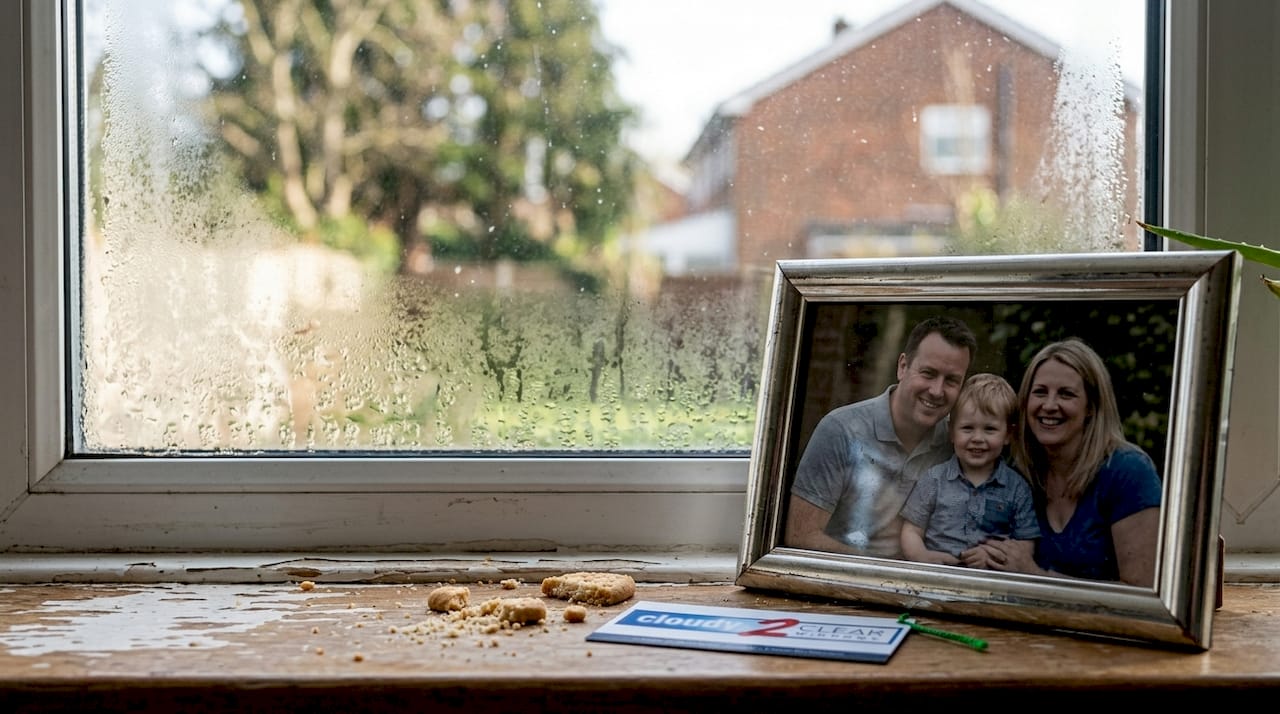
Seal failure leads to condensation between panes and significant heat loss. When the hermetic seal around double glazed units breaks down, moisture enters the gap, causing persistent fogging that cannot be wiped away. This reduces visibility, damages insulation, and increases heating costs. Understanding window seal failure types helps you recognise when replacement becomes necessary.

Condensation trapped inside double glazed window


uPVC windows can discolour, turning yellow over time, and become brittle, reducing their lifespan. uPVC yellowing and brittleness result from UV exposure and weathering, particularly on south and west facing installations. While cosmetic at first, brittleness compromises structural integrity, making frames prone to cracking.

Identifying the specific damage type influences your repair or replacement decision. Localised wet rot may only require timber repair, whilst extensive dry rot or multiple seal failures across several windows often justify full replacement for long term cost effectiveness and improved energy performance.

Comparing repair versus replacement: when and why

Deciding between repair and replacement hinges on the extent of damage, cost implications, and long term benefits. Small seal or isolated timber rot repairs cost only 15-25% of full replacement, making them attractive when damage remains confined to one or two windows. Repairing a single failed seal or treating localised rot restores function without the expense of new installations.

Extensive damage across multiple windows reduces efficiency and comfort severely. If several windows show seal failure, rot, or structural issues, the cumulative repair costs can approach or exceed replacement expenses. Replacement guarantees improved insulation meeting current building regulations, delivering better energy performance and reduced heating bills. Modern double glazed units offer superior thermal efficiency compared to older installations, often paying for themselves through energy savings over time.

Repair can extend window life but requires regular maintenance and inspections. Patched seals and treated timber need monitoring to ensure problems do not recur. Replacement eliminates this ongoing concern, providing new warranties and peace of mind. Consider location factors when evaluating options. South and west facing windows deteriorate faster due to increased weather exposure, making them more likely to need replacement sooner than sheltered installations.


Factor Repair Replacement
Cost 15-25% of replacement Full upfront investment
Lifespan extension 3-7 years with maintenance 15-25 years or more
Energy efficiency Restores original performance Meets current standards
Maintenance needs Regular inspections required Minimal for new units
Best for Isolated damage, single windows Multiple failures, extensive damage


Pro Tip: If more than 30% of your windows show damage, replacement often proves more cost effective than multiple repairs. Calculate total repair costs against replacement quotes to make an informed choice.

For detailed benefits of addressing seal issues, explore window seal replacement benefits. If you need immediate repairs, our broken window repairs service provides fast, professional solutions.

Preventing window damage through routine maintenance

Proactive maintenance prevents most window damage, extends lifespan, and reduces repair costs. Perform detailed inspections twice yearly, in spring and autumn, to catch issues early. Spring inspections identify winter weather damage, whilst autumn checks prepare windows for harsher conditions. Look for seal deterioration, timber softness, drainage blockages, and paint wear during each inspection.

Reseal any gaps to avoid draughts and moisture ingress. Over time, sealant around window frames degrades, creating openings for air and water. Apply fresh sealant to cracks and gaps, ensuring a watertight barrier. This simple step dramatically improves insulation and prevents moisture related damage. Keep drainage channels clear to prevent water pooling. Remove leaves, dirt, and debris from drainage slots at the bottom of frames. Blocked drains trap water against seals and timber, accelerating rot and seal failure.

Repaint exposed timber regularly to protect against rot. Repainting every 3-10 years maintains a protective barrier against moisture and UV damage. Sand down flaking paint, apply primer to bare wood, and finish with exterior grade paint suitable for your climate. South and west facing windows require more frequent checks due to weather exposure. These orientations receive more rain, wind, and sun, accelerating wear. Inspect them quarterly if possible, and prioritise maintenance tasks on these windows first.

Follow these maintenance steps to protect your investment:

  1. Inspect all windows twice yearly, focusing on seals, timber, and drainage
  2. Clean drainage channels and remove debris to prevent water accumulation
  3. Reseal gaps and cracks with high quality exterior sealant
  4. Repaint timber frames every 3-10 years, prioritising south and west facing windows
  5. Check for draughts using a candle test and address leaks immediately
  6. Monitor moisture levels with a meter, treating readings above 20% as urgent

Key maintenance tasks and their frequency:


Task Frequency Purpose
Full inspection Twice yearly (spring, autumn) Detect damage early
Drainage cleaning Quarterly Prevent water pooling
Resealing gaps As needed (every 2-5 years) Maintain airtight barrier
Repainting timber Every 3-10 years Protect against moisture and UV
Draught testing Annually Ensure energy efficiency


Learn more about window maintenance benefits and preventing window damage through our detailed guides.

Expert window repair and replacement services

If your inspections reveal persistent damage or you need professional assessment, Cloudy2Clear offers expert window repair and replacement services across key UK regions. Our experienced team evaluates window condition, provides honest recommendations, and delivers high quality solutions tailored to your needs. Whether you face isolated seal failure or extensive timber rot, we help you choose the most cost effective path forward.

https://www.cloudy2clearwindows.co.uk


Professional replacements ensure compliance with current energy standards, improving insulation and reducing heating costs. Our installations meet building regulations, delivering performance and peace of mind. Services cover broken glass and seal repairs, timber and frame restoration, and full double glazing replacement. With decades of experience since 2005, we understand how to extend window lifespan and enhance your property’s comfort and value. For local expertise, explore our window repairs in Oxford and other regional branches.

Frequently asked questions

What are the most common signs of window damage?

The most common signs include fogging between panes, cracked or peeling seals, soft or discoloured timber, and noticeable draughts. Condensation that cannot be wiped away indicates seal failure, whilst soft spots in wood suggest rot. A candle test revealing flickering flames near closed windows confirms air leaks. Regular inspections help you spot these warning signs before they escalate into costly repairs.

How often should I inspect my windows for damage?

Inspect windows twice yearly, ideally in spring and autumn, to catch damage early. Spring inspections identify winter weather impacts, whilst autumn checks prepare windows for harsher conditions. South and west facing windows benefit from quarterly inspections due to increased weather exposure. Regular checks extend window lifespan and reduce the likelihood of expensive emergency repairs. Learn more about preventing window damage through routine maintenance.

Can minor seal damage be repaired or is replacement necessary?

Minor seal issues can be repaired cost effectively when caught early, typically costing 15-25% of full replacement. Single window seal failures often respond well to targeted repairs, restoring insulation and eliminating condensation. However, if multiple windows show seal damage or repairs fail to resolve fogging, replacement becomes more economical. Frequent inspections and maintenance reduce the need for full replacement by addressing problems before they spread. For detailed guidance, review our window seal repair insights.

What maintenance steps help prevent window damage?

Key maintenance steps include resealing gaps, clearing drainage channels, and repainting timber every 3-10 years. Perform biannual inspections to identify issues early, focusing on seals, timber condition, and drainage function. South and west facing windows require more frequent checks due to weather exposure. Clean drainage slots quarterly to prevent water pooling, which accelerates rot and seal failure. Apply fresh sealant to cracks and repaint timber frames to maintain protective barriers against moisture and UV damage. Consistent upkeep dramatically extends window lifespan and reduces repair costs. Explore our window maintenance tips for comprehensive advice.